Mountain Bikers Riding Bikes Talking Trails
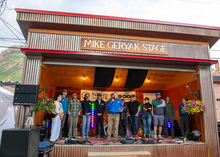
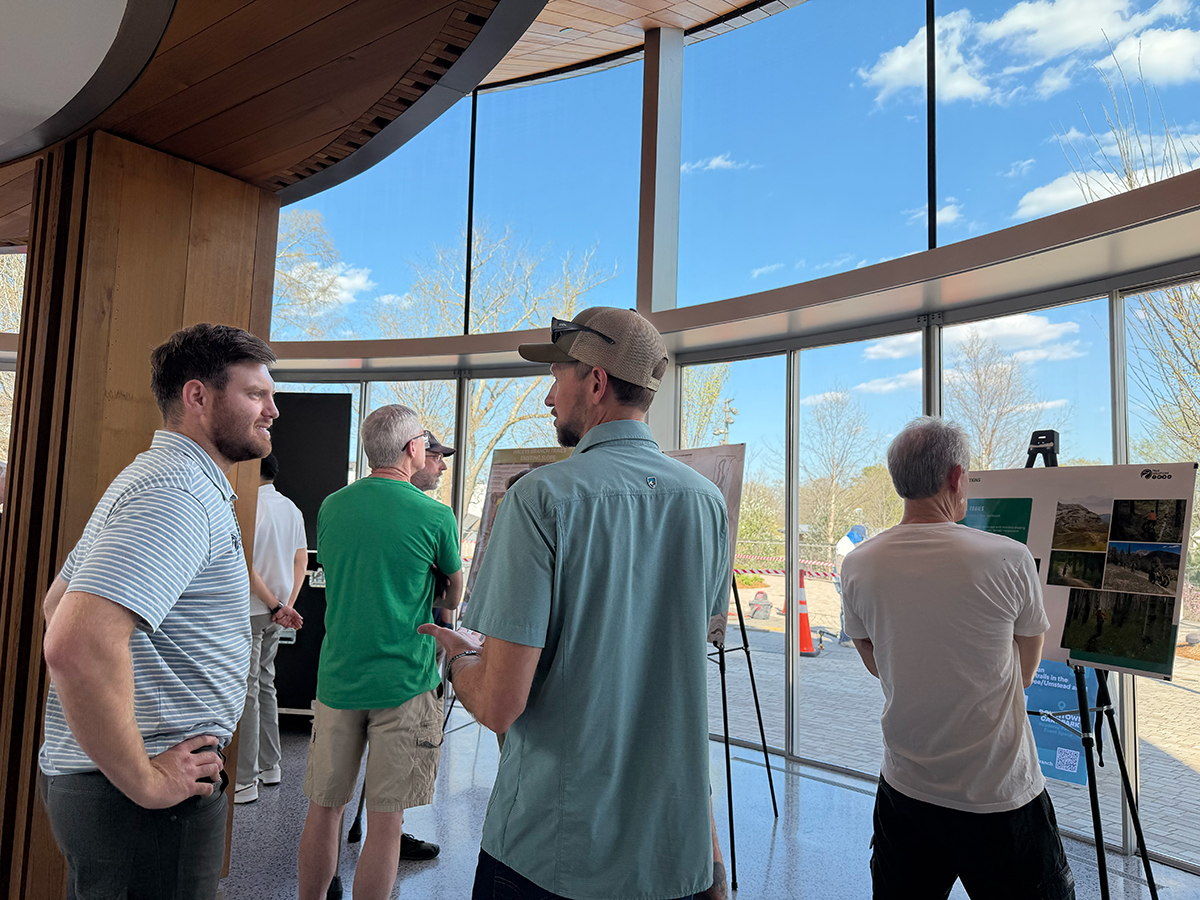
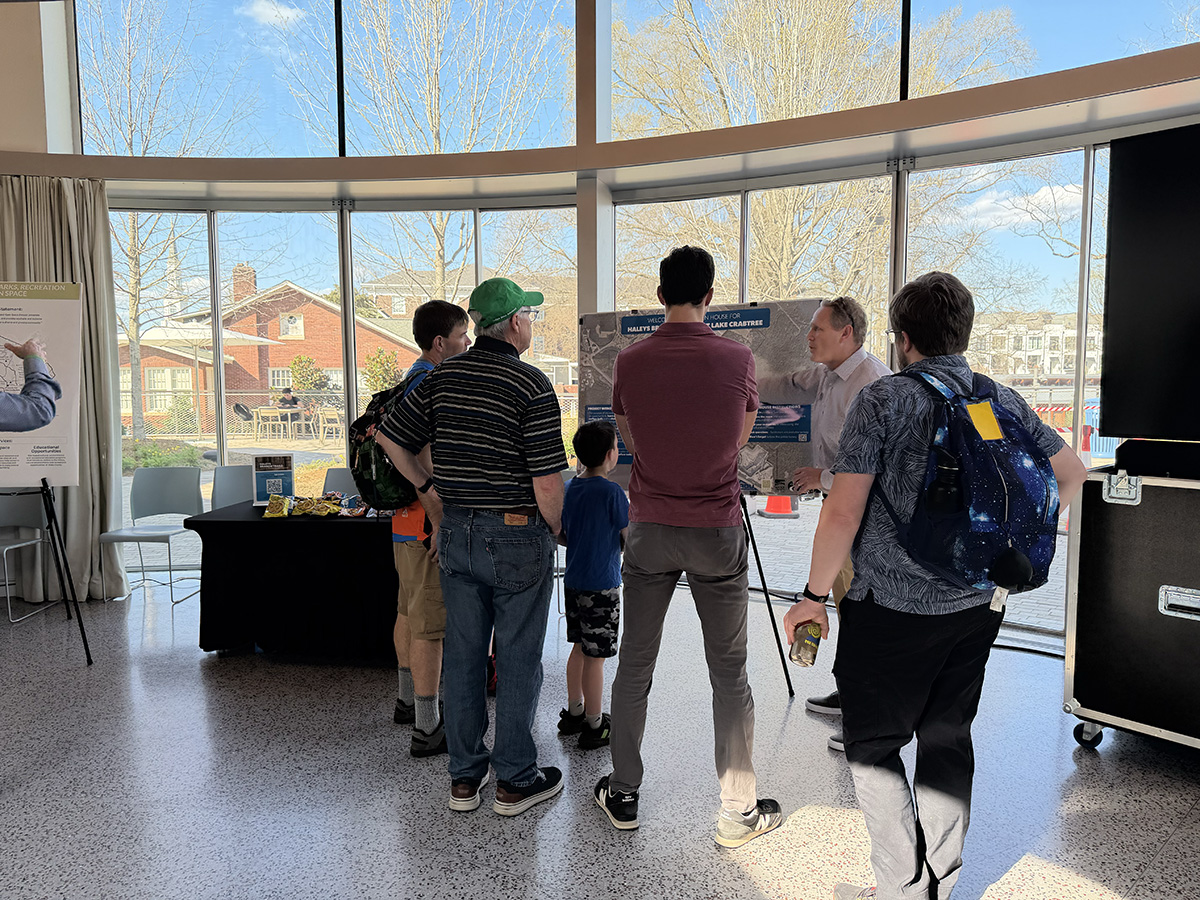
On Tuesday, March 10, 2026, mountain bikers, trail advocates, and local residents gathered in Wake County, North Carolina, to help shape the future of trail access near Lake Crabtree County Park. The public meeting focused on the proposed Haley Branch Trails project: an effort to create a new trail system that could restore riding opportunities in one of the Triangle’s most important outdoor recreation hubs.
Image
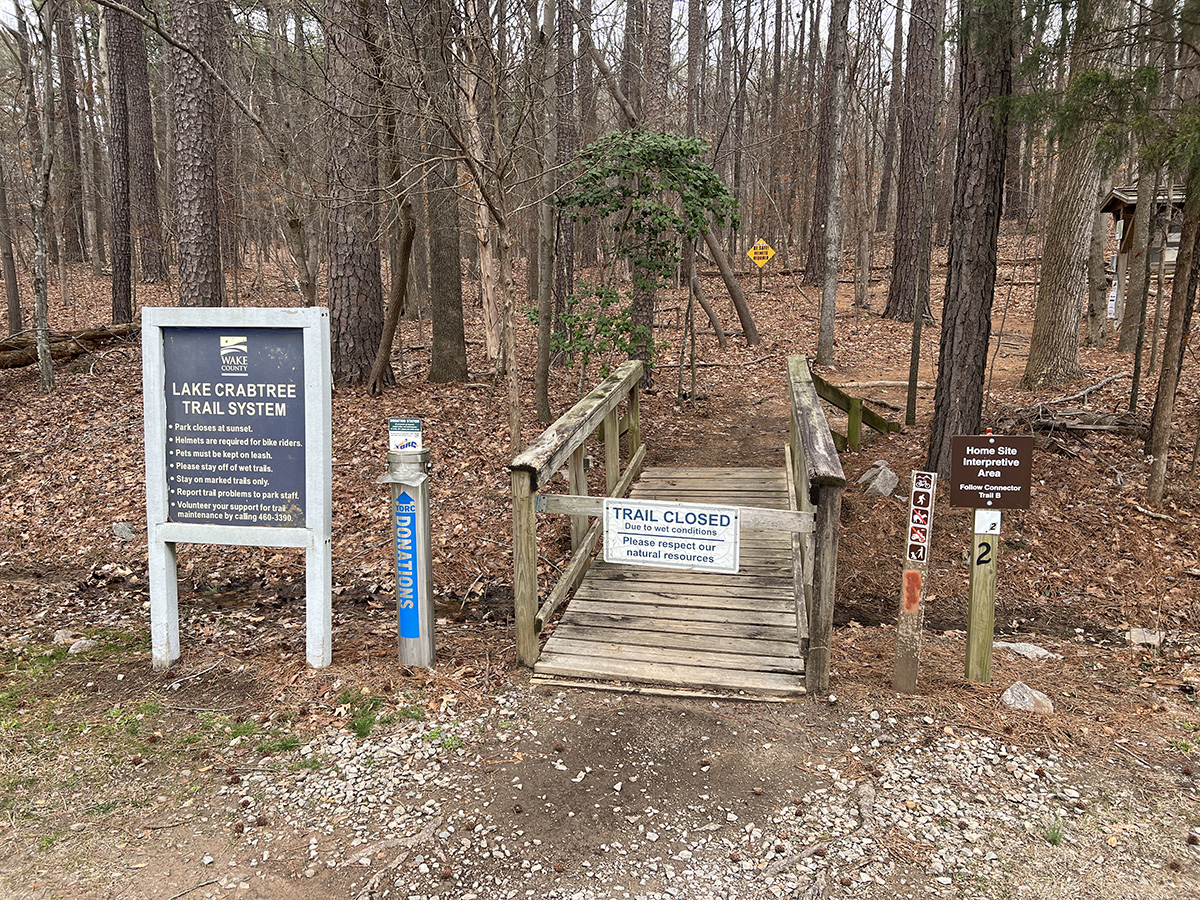
For decades, Lake Crabtree served as the area's go-to, close-to-home mountain biking option. Volunteer-built trails and a vibrant riding community made the park a gateway to lifelong riding. But in 2025, Wake County finalized a new lease agreement with the Raleigh-Durham Airport Authority (RDU), which manages the land surrounding Raleigh-Durham International Airport. While the agreement ensured the park itself could remain open, more than 140 acres previously used for mountain bike trails were no longer included in the county’s lease, effectively closing trails to mountain biking as of July 2025. The loss represented a major shift for the region’s riding community and highlighted the challenges of balancing recreation, infrastructure, and conservation in rapidly growing metropolitan areas.
The proposed Haley Branch Trails project is one step toward rebuilding those opportunities.
Image
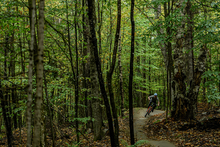
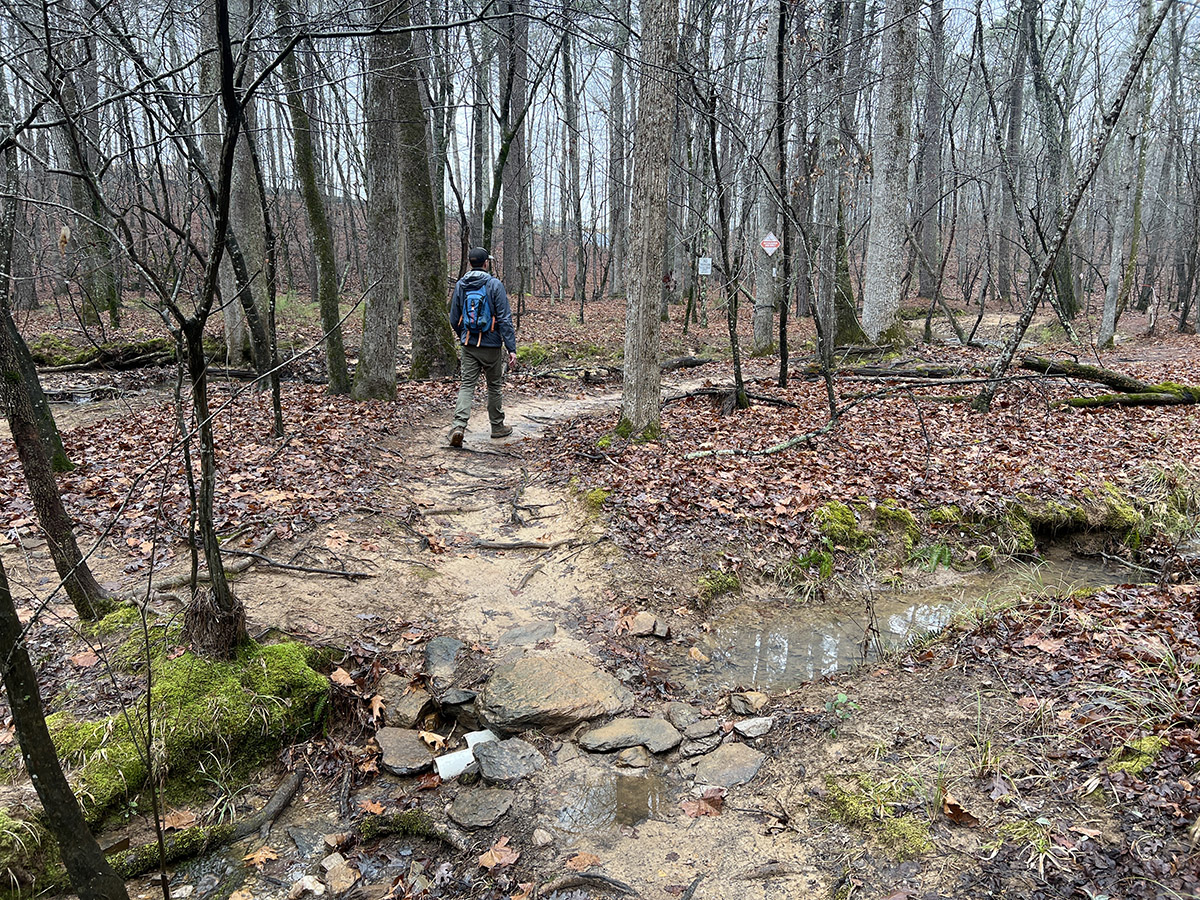
Located on roughly 400 acres of land owned by both RDU and Wake County, formerly known as the “286 property,” the site could become home to a new, sustainable trail network designed for shared use, featuring progressive, purpose-built mountain bike trails. Wake County officials say the project is still in the early stages and community input will help determine how the trail system ultimately takes shape.
Image
That’s where meetings like this one matter.
Trail systems are strongest when they’re built through collaboration: between land managers, local governments, volunteers, and the riders who care about these places. IMBA has been providing trail development expertise for this project, working on planning and design since 2024, and we’ve seen this model work in communities across the country. When stakeholders come together early and often in the process, they contribute to trails designed to balance recreation, environmental stewardship, and long-term sustainability.
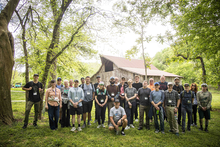
250+ community members came out to discuss the new trail designs with IMBA planners/designers Geoff Chain and Forrest Town, and representatives from the project partners at Wake County, the North Carolina Division of Parks and Recreation, and CLH Design.
Image
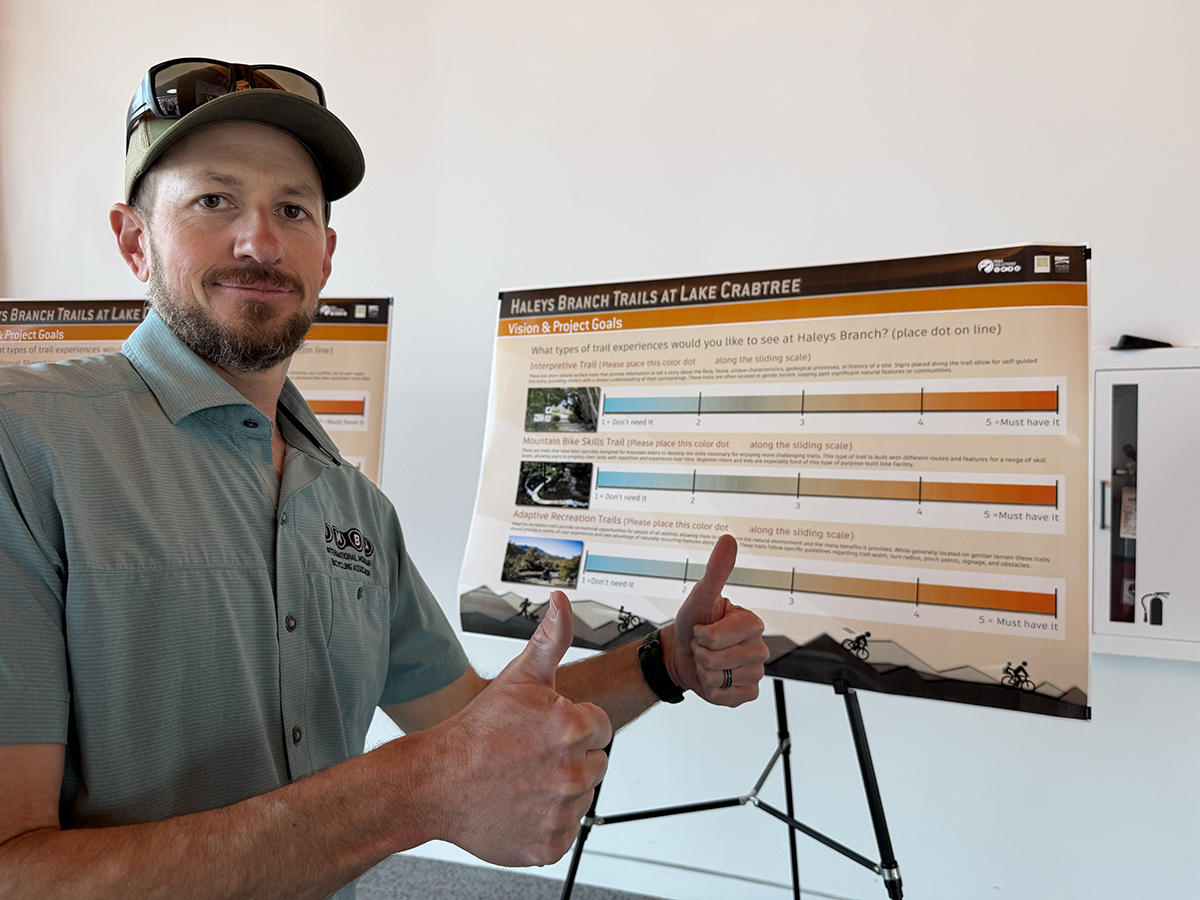
“The Raleigh Durham area lost a great asset in the Lake Crabtree trail system, so there's a ton of interest and passion from the community, which is awesome to see. The IMBA Trail Solutions design team is trying our best to harness that energy to design a new system that the community will be stoked about.” IMBA Trail Solutions Project Manager and Planner, Geoff Chain. IMBA’s Forrest Town commented, “The new Haleys Branch trail system will be a major outdoor recreation asset for the Triangle, especially in light of recent trail closures in nearby parks. This project reflects a mission-driven effort to create, enhance, and protect great places to ride mountain bikes.”
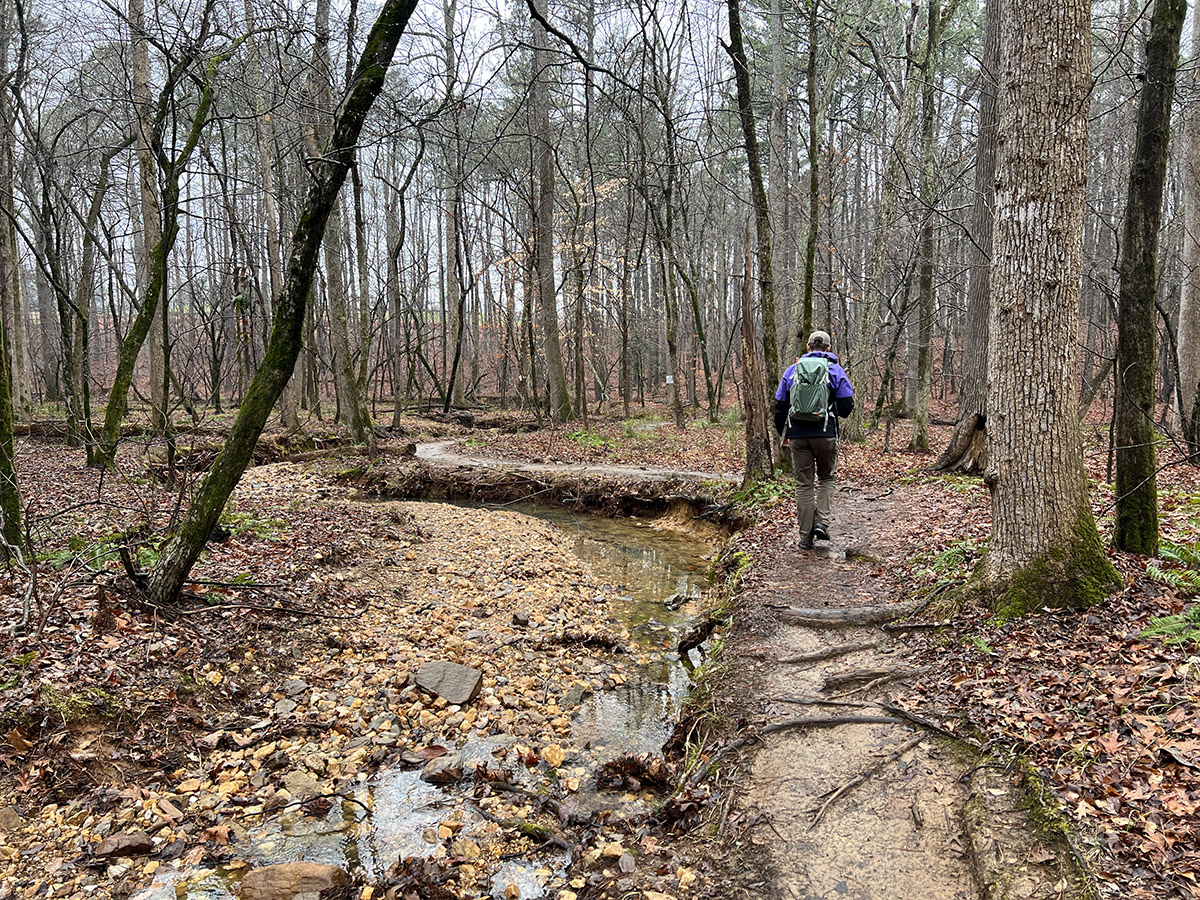
The strong turnout at the Haley Branch meeting reflected the local community's deep desire for mountain bike trails. Riders shared ideas about trail layout, progression, and accessibility, while residents asked thoughtful questions about conservation, connectivity, and long-term maintenance.
Image
Image
Those conversations are exactly what healthy, community-driven trail planning looks like.
Before Dirt Moves
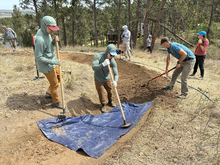
Mountain bike trails don’t simply appear: they are the result of years of collaboration, volunteerism, and stewardship. Local advocates, including members of Triangle Off-Road Cyclists (TORC, a member of SORBA), have spent decades helping build and maintain trails around the Triangle, contributing thousands of volunteer hours and working alongside public land managers to create places where people can ride, learn, and connect with the outdoors.
The potential Haley Branch trail system represents an opportunity to continue that legacy.
If the project moves forward as planned, Wake County hopes to begin bidding and design work in late 2026, with construction potentially taking eight to ten months once work begins. While timelines may evolve, one thing is clear: the voices of local trail users will remain essential to shaping the final result.
For IMBA and trail communities everywhere, the lesson is simple. When trails face change, whether through land use decisions, development, or environmental pressures, the most important response is community engagement. Showing up, sharing ideas, and working collaboratively with land managers ensures that trails remain part of the landscape for generations to come.
The story of Lake Crabtree isn’t just about trails that were lost. It’s about a community coming together with IMBA to build the next chapter.