Why Trails?
Natural surface trails are a high-performing investment in a community’s future. Beyond recreation, these networks function as infrastructure for economic resilience, stronger public health outcomes, and protecting natural resources. Making a case for trails pairs community goals with the proven impact of trails.
Economic Impact
The outdoor recreation economy is a powerhouse, contributing more than $1.1 trillion to the United States GDP annually. Natural surface trails are an engine behind this growth, fueling a sustainable tourism model that injects outside spending directly into local businesses. A professionally maintained trail system appreciates in value, offering municipalities a consistent return on investment through increased tax revenue and local business support. Trust for Public Land (TPL) and IMBA conducted a literature review to better understand the economic benefits of mountain biking tourism in the U.S. and created this report in March 2025 regarding the economic benefits of mountain biking.
Community Health
Trails serve as a low-barrier green gym that addresses the rising costs of physical and mental healthcare. Regular trail use is clinically linked to reduced stress, improved cardiovascular health, and the development of a “flow state” — a cognitive benefit that builds mental resilience. By providing high-quality outdoor spaces, communities can improve the overall quality of life for residents of all ages.
Youth in the Outdoors
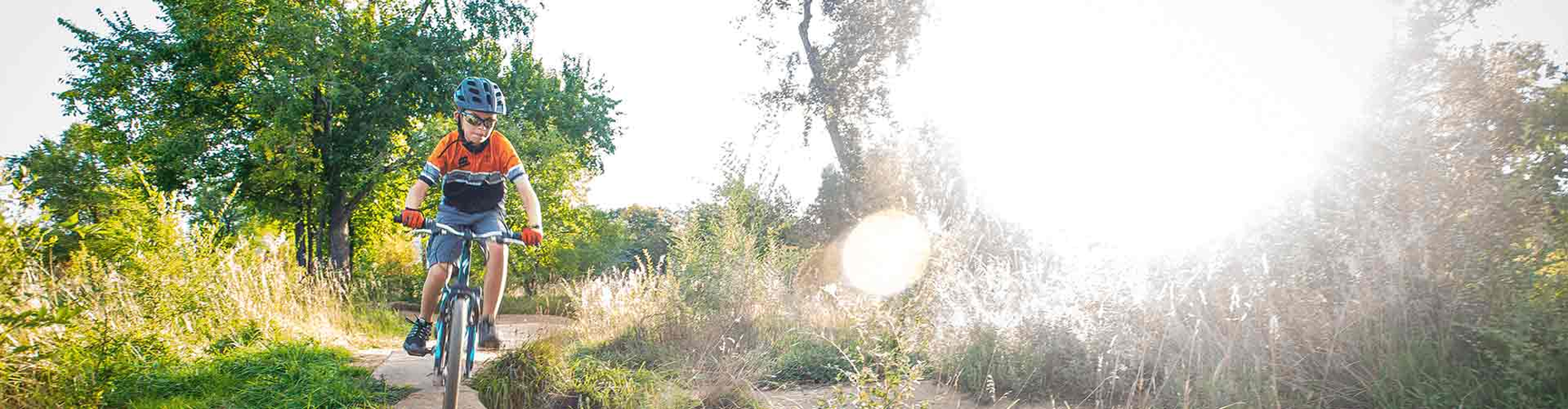
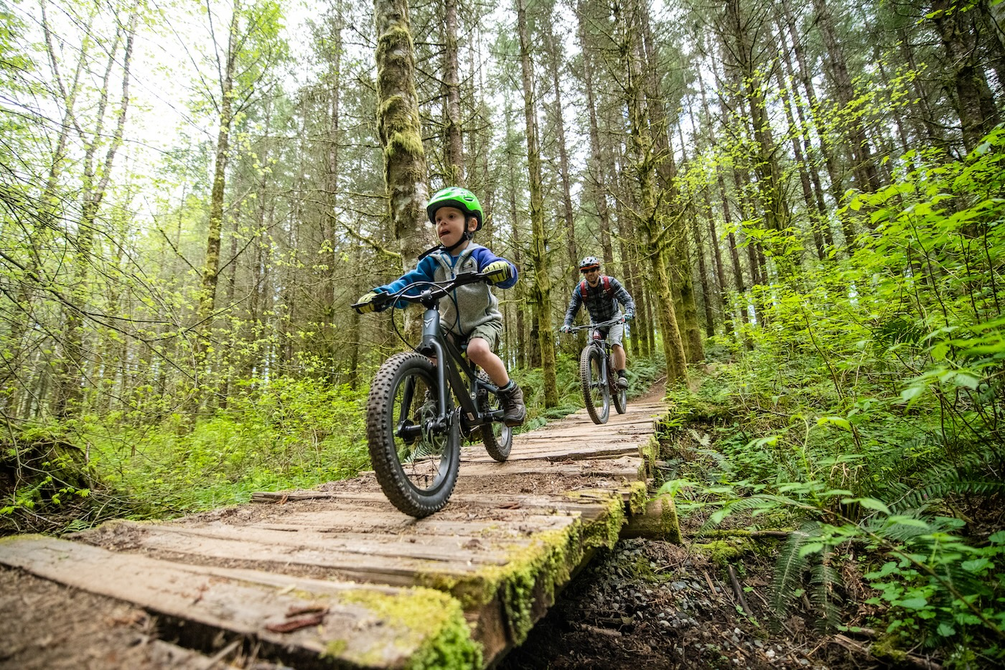
Fostering active lifestyles in children is important for developing the next generation of resilient, confident citizens. Engaging with natural surface trails helps youth build problem-solving skills and emotional regulation through calculated risk and physical challenge. These experiences move kids away from screens and into environments that foster a lifelong love for nature and a commitment to personal wellness.
Workforce Attraction & Retention
In a mobile economy, workforce talent prioritizes quality of life when choosing where to live. Strategic investment in trail infrastructure transforms a region into a desirable destination for businesses to set up shop and for a remote workforce to call home. By providing outdoor amenities, communities will remain competitive, effectively using trails as a tool for attracting and retaining the talent necessary for a thriving local economy.
Conservation Through Managed Access
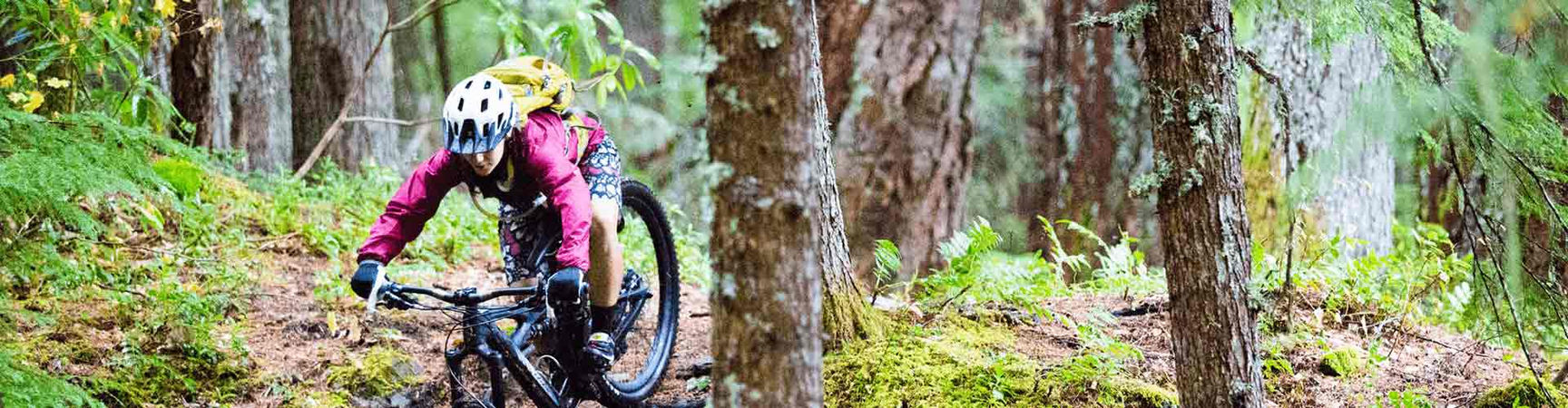
People protect the places they love. Providing managed access connects the community to the land, transforming trail users into stewards of these places. Professionally designed, sustainable trails protect natural resources by concentrating human impact within resilient corridors, leaving sensitive habitats untouched. These systems are engineered to control erosion and safeguard watersheds, while allowing for strategic closures during wildlife migrations or breeding times. A well-managed trail network ensures that recreation and environmental protection go hand-in-hand.
The Power of Mountain Biking
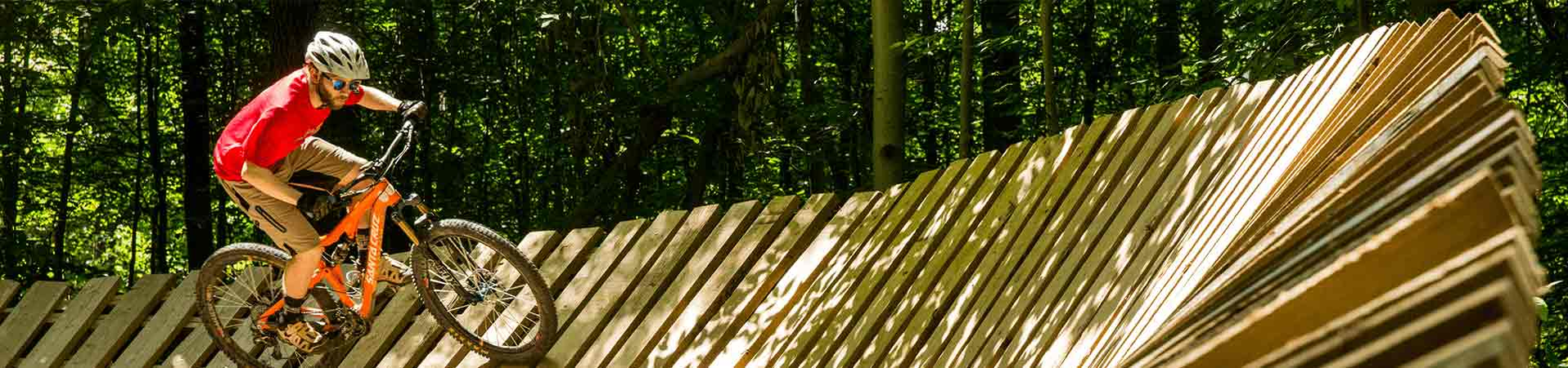
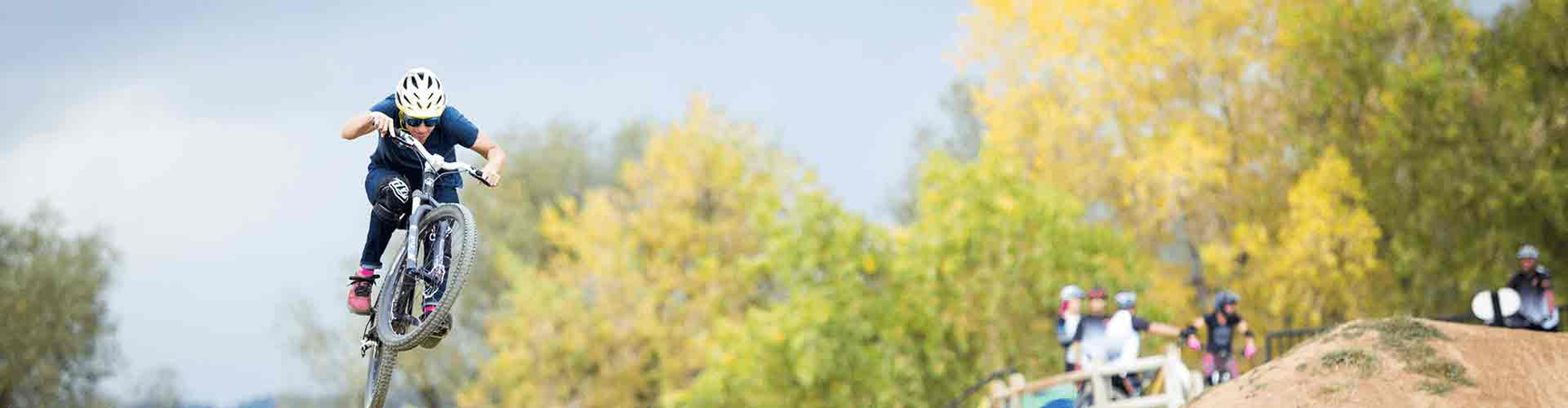
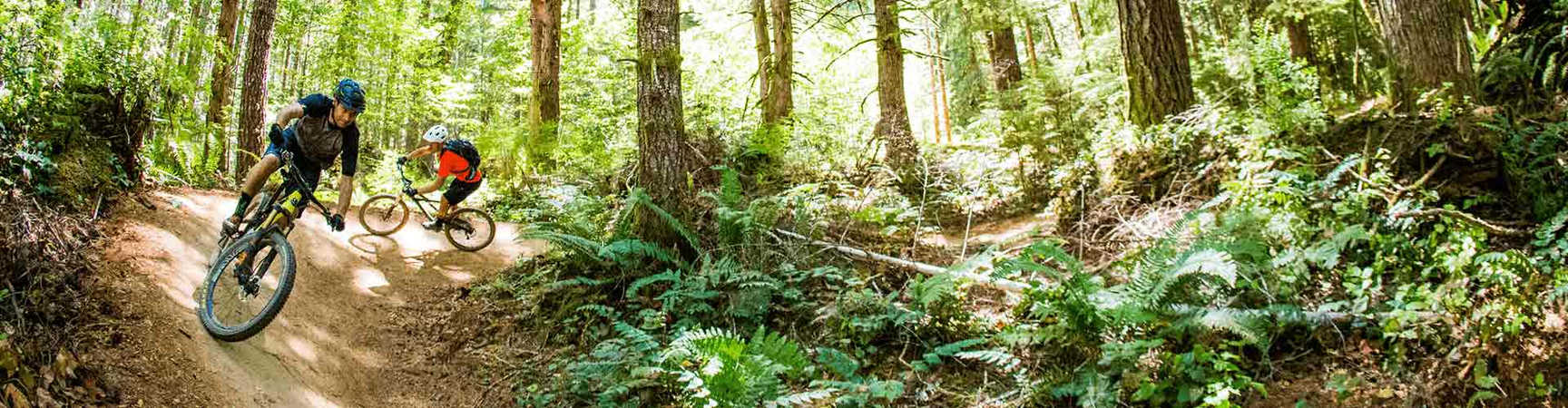
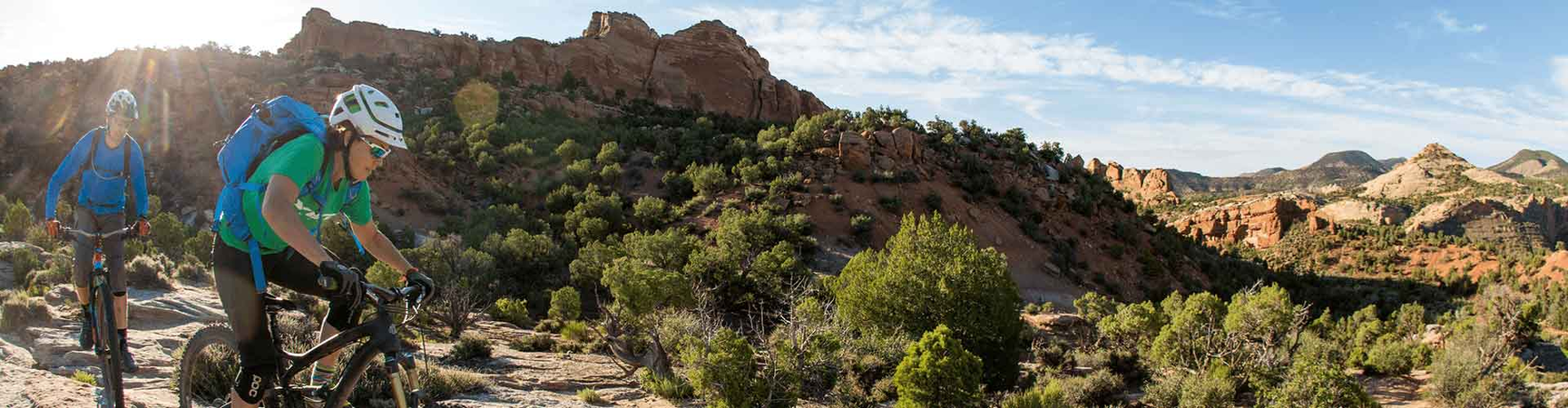
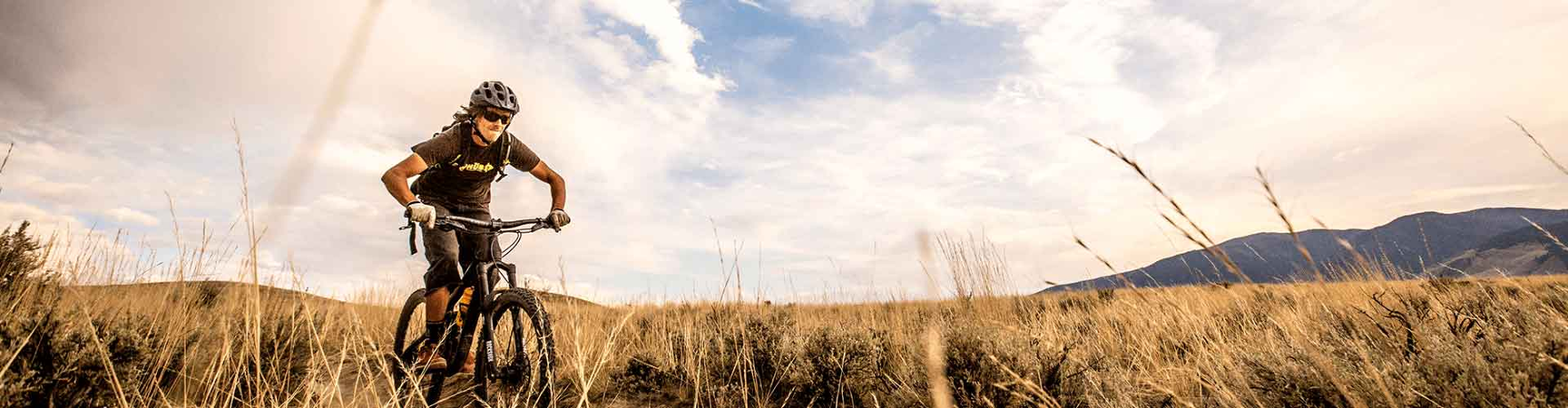
Riders know the wonderful feeling of being in nature, pedaling to a good sweat, conquering a new feature, and being in that blissful state of flow. As a result, mountain bikers are often the user group asking for new trails and volunteering to steward them. This passion translates into a dedicated workforce that builds and maintains the very infrastructure that benefits the entire community.
Beyond the individual experience, trails are common ground. Successful trail development begins with all users in mind, ensuring that hikers, runners, and riders can coexist harmoniously. By designing trails that consider the needs of the whole community, we create the long-term success and social sustainability of our public lands.
Building the Future
Natural surface trails are more than just a recreational amenity; they are a key component of a vibrant, modern community. These networks function as infrastructure that drives economic resilience, addresses public health challenges, and fosters a connection to our landscapes. By prioritizing trail development, you aren't just building a place to ride, you are creating connections and community.