Adventure Awaits: Unleashing Kids' Potential Through Bikes and Nature
Adventure Awaits: Unleashing Kids' Potential Through Bikes and Nature
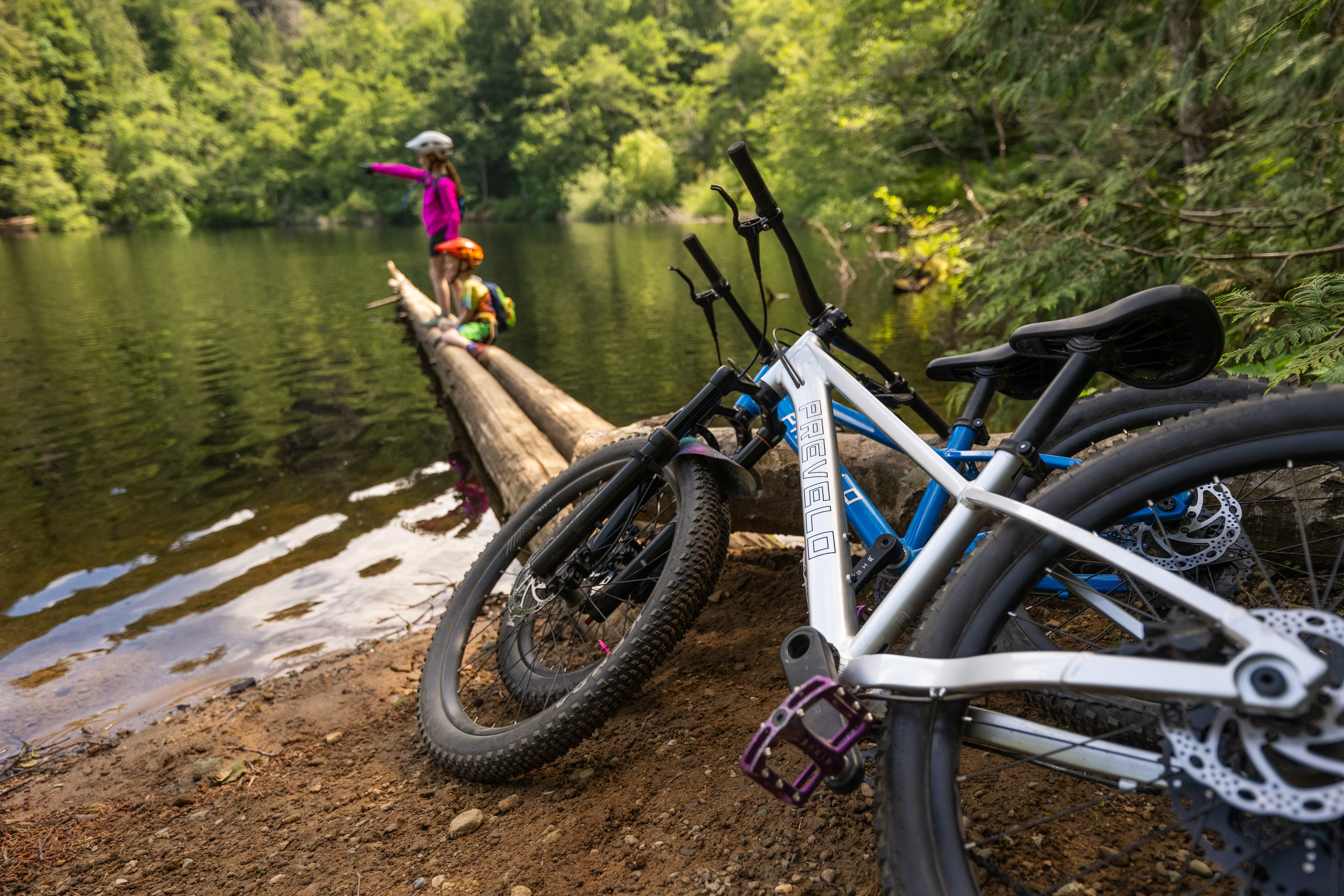
In a world increasingly dominated by screens, reconnecting children with the outdoors and fostering active lifestyles is more important than ever. This page explores how mountain biking and unstructured outdoor play can be powerful tools for child development, physical health, and emotional well-being. From building confidence and resilience to developing problem-solving skills and fostering a love for nature, engaging with the outdoors offers a wealth of benefits for young people. The information and research highlighted here dive into various aspects of this topic, championing the initiatives that put more kids on bikes.
Featured Research Studies
From Screens to Sunshine: Rescuing Children’s Outdoor Playtime in the Digital Era
Published By: Journal of Indian Association for Child and Adolescent Mental Health - 2024
Summary: This study, conducted by researchers in India, explores how excessive screen time is replacing outdoor play, leading to negative effects on children's physical and mental health. The research highlights that modern parenting, safety concerns, and academic pressures have contributed to the decline in outdoor play, resulting in increased risks of obesity, anxiety, attention disorders, and poor social skills. The authors emphasize that outdoor play is crucial for childhood development, improving motor skills, creativity, problem-solving, and emotional well-being. To address this issue, they propose solutions such as limiting screen time, integrating nature education in schools, creating safe play spaces, and encouraging parental involvement in outdoor activities. The study stresses that restoring outdoor play is essential for children's long-term well-being, requiring collaboration between families, schools, and policymakers to shift cultural norms and make nature a priority in children's lives.
Read Study
It Is Scary, but Then I Just Do It Anyway: Children’s Experiences and Concerns about Risk and Challenge during Loose Parts Play
Published By: International Journal of Environmental Research and Public Health - 2023
Summary:This study examines how children perceive and handle risk and challenge when provided with open-ended materials that encourage unstructured, adventurous play. Researchers observed children in after-school childcare settings as they explored loose parts (like crates and cable reels), which allowed them to climb higher, move faster, and play more freely. Children expressed excitement, creativity, and a sense of competence, often describing the “scary-funny” thrill of taking measured risks that sometimes resulted in minor mishaps but also boosted confidence. They preferred deciding for themselves what felt too risky, valued peer collaboration to test and adjust personal limits, and appreciated adults who kept a watchful distance rather than intervening too quickly. In the context of mountain biking, these findings underscore the developmental benefits of letting children self-manage risk in a natural setting – for instance, on trails or skill features.
Read Study
Trials to Trails: Engaging At-Risk Young People Through Mountain Biking
Published By: University of Western Australia - 2018
Summary:This study, conducted by the University of Western Australia, evaluates the Midland Mountain Biking Program, which aimed to engage at-risk youth through mountain biking and bike maintenance activities. The program, run in Midland, Western Australia, provided participants with weekly skills-building sessions on trails and bike repair workshops. Researchers found that participation boosted self-confidence, resilience, and social connections, while also introducing physical activity to young people who were typically disengaged from structured recreation. The program also fostered teamwork, leadership, and decision-making skills, with some participants expressing interest in continuing to ride after the program ended. While attendance fluctuated, feedback was overwhelmingly positive, with 100% of surveyed participants stating they would recommend it to a friend. The study concludes that mountain biking can be an effective tool for youth engagement and well-being, particularly for those who struggle with traditional sports or structured activities.
Read Study

