Making Trails Last
Creating trails that stand the test of time isn't just about building them; it's about maintaining them. As trail design and construction evolve, so does the need for trained maintenance crews. That's where IMBA comes in! We can equip your volunteers and land management staff with the expertise to not only fix current trail issues but to understand water flow and soil displacement, ensuring your trails are easier to maintain and more sustainable for years to come.
What’s a Trail Care Workshop?
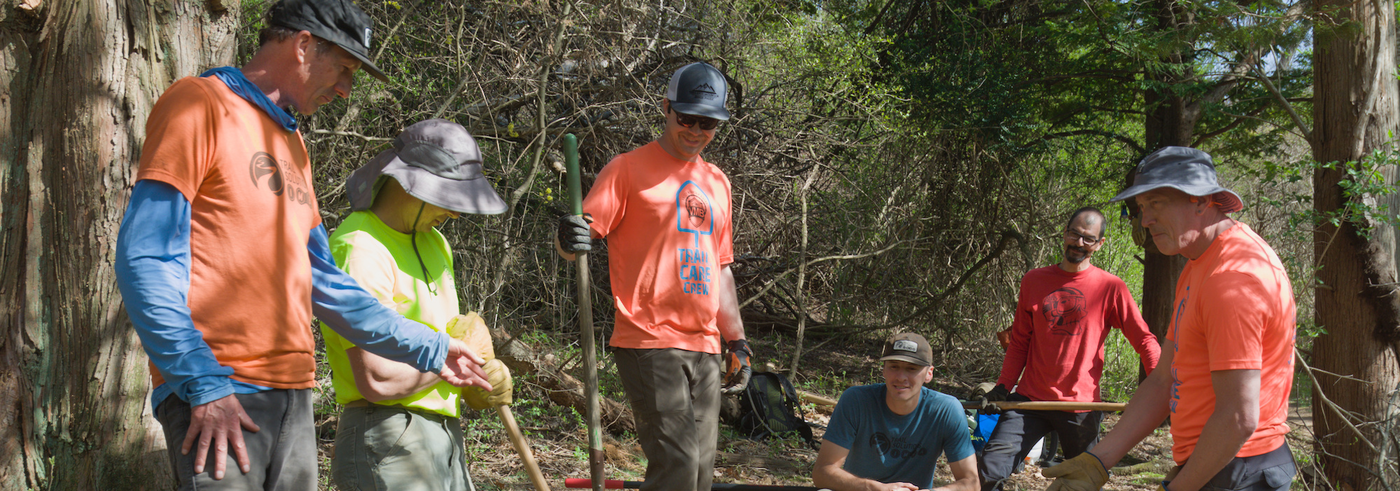
IMBA's in-person Trail Care Workshops are intensive programs designed to empower volunteers, organizations, and local land managers with the essential skills for maintaining modern mountain bike trails.
The course kicks off by diving into sustainable trail design principles. You'll learn about drainage techniques like grade reversals and knicks. By mastering these principles, you'll develop a "trail-wise eye" — the ability to assess maintenance needs, pinpoint the most effective solutions, and execute them in the field. With a small student-to-instructor ratio, you're guaranteed plenty of hands-on experience and personalized answers to all your questions.
Hosting a Trail Care Workshop
IMBA Trail Care Workshops are two-day programs, with our instructors traveling directly to your location. They'll even arrive a day early to assess the site and make any necessary preparations.
Host Requirements
To ensure a successful workshop, hosts are required to provide:
- Land manager permission to hold the workshop on their land and to disturb small amounts of soil as part of the instruction and practice.
- A fully indoor classroom with projector and LCD TV or screen, chairs/tables and restrooms. Outdoor pavilions are not permitted. Classrooms located a short distance from the trail location are preferred.
- A trail location for the outdoor session. The ideal trail is generally sustainable already (built on the contour), but has challenges and drainage issues. Fall line trails or re-routes are not suitable learning projects for this class.
- The trailwork location(s) should be as close to the trailhead as possible to minimize time spent hiking to the work site.
- Tools for participants to use during the field day (see list below).
- Food for participants for both days, including snacks, water and lunch.
Tools Required
Tools required per 4-5 people
- 2-3 Pulaskis
- 2-3 pick mattock (2.5lb)
- 2-3 spade shovels
- 1 flat shovel
- 2-3 McLeods and/or tampers
- 2 hoop rakes (Not a leaf rake; has hook shaped tines)
- 1 saw
- 1 lopper
- 6 5-gallon buckets per station
- 1 6x6 tarp per station
- 2 to 5 gallon water jug
- Trail sign to warn users of work in progress
Scheduling and Pricing
Currently, we are scheduling a minimum of 90 days out. Pricing is dependent upon the number of participants for the field portion; however, workshops can accommodate more attendees in the classroom portion. Pricing includes staff travel costs and fees.
$6,500=Up to 10 participants for the field portion (1 Instructor)
$12,000=Up to 20 participants for the field portion (2 instructors)
Trail Accelerator Grants for education services are available. Applications are accepted in April.
If your organization, club, or land management agency is interested, simply contact IMBA to arrange a workshop in your area. Remember, it's the host's responsibility to secure all necessary event permissions.
The Benefits Beyond the Trail Skills
Most communities who host a workshop get far more out of the experience than just how to dig in the dirt. Our instructors bring years of experience that can help you with advocacy, user group/land manager relationships, community vision/goals, and more. Plus, the workshops are fun!
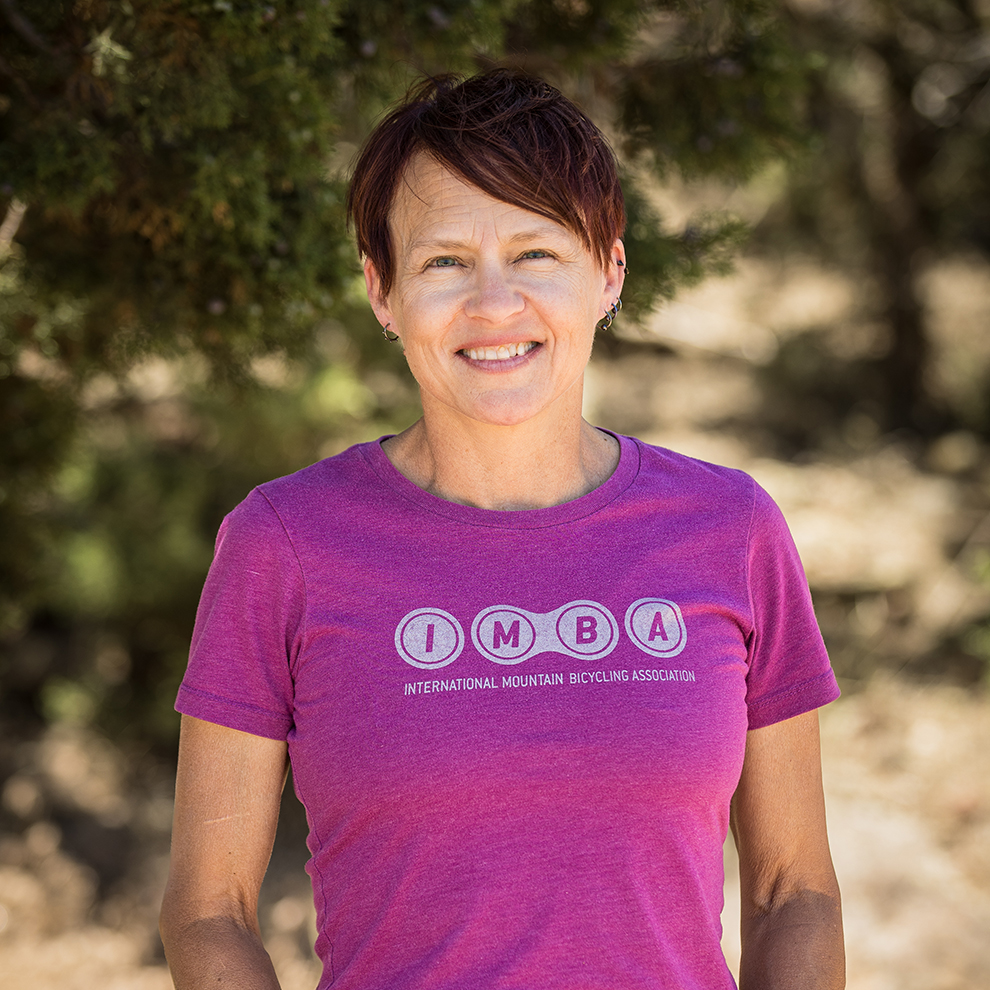
"Communities all over the country are embarking on trail projects, and many of them reach out to IMBA and Trail Solutions for help. My role is dedicated to guiding them through the process— connecting them with resources and helping them break through barriers to get those projects going as quickly as possible."
Meet our teamMarty Caivano
Community Engagement & Programs Manager

