Mountain Bikers Riding Bikes Talking Trails
Webinars are great.
Resources are helpful.
In-person events? Those can be game-changing.
Image
On April 22nd and 23rd, 23 trail champions from across the country (including the Virgin Islands) gathered for IMBA Trailhead in Bentonville, Arkansas. This workshop, formerly known as IMBA Trail Labs and IMBA Foundations, was developed with a new approach for 2026: guide participants through the IMBA Trail Development Process with hands-on learning and site-specific examples to inspire future trail projects. The landscape has evolved, and so has this workshop to match. This is the workshop where it all starts, just like a physical trailhead, and everyone leaves with different paths forward.
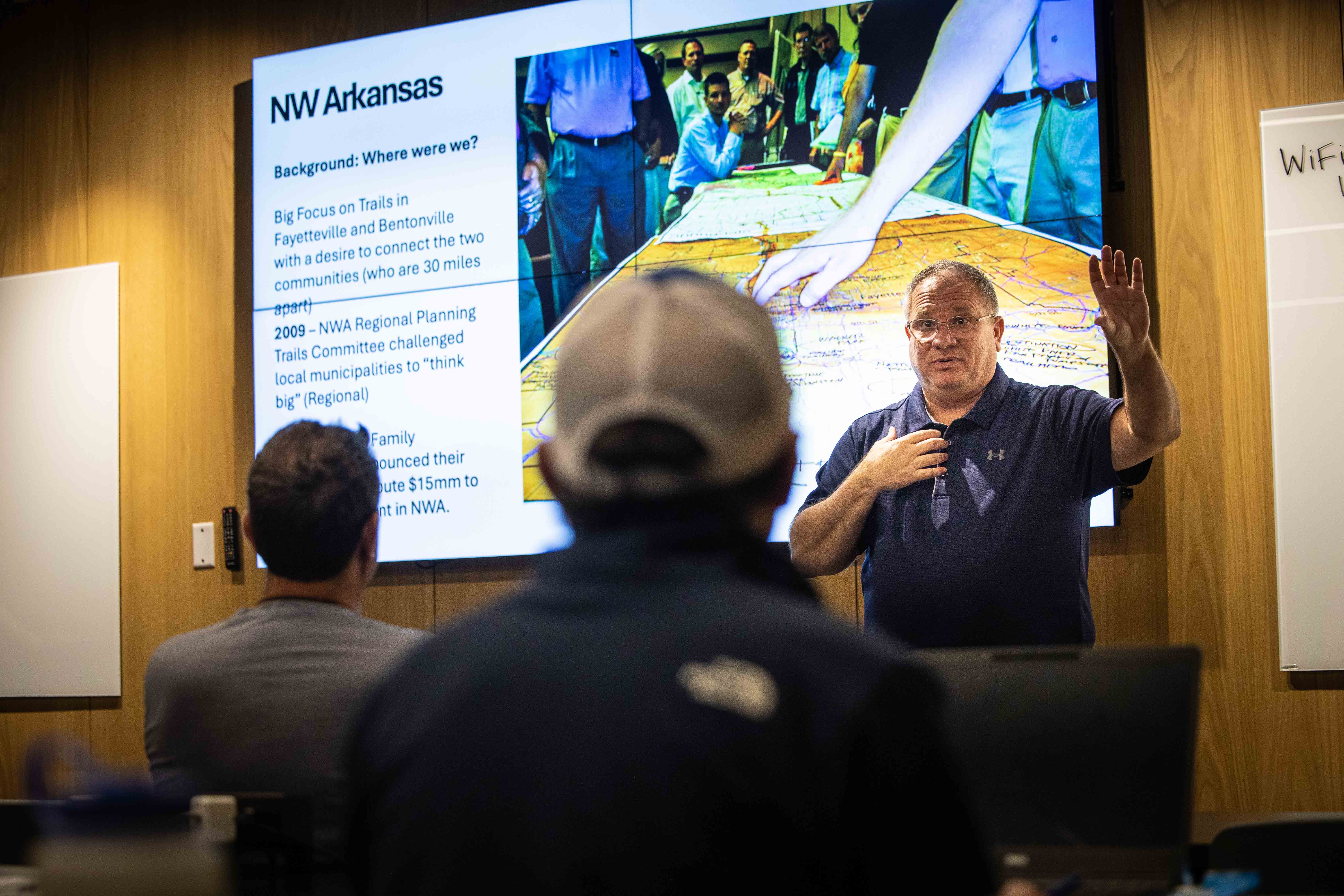
Aptly held in the world’s first bikeable building (Ledger Bentonville), the tone was set from the jump: this would be a weekend of innovative thinking. To kick off the event, David Wright of Bentonville Parks and Recreation guided the room through classic Bentonville lore and the question on most folks' minds: how in the heck did Bentonville become Bentonville? This history served as our foundation—a reminder that every world-class system begins with a single, community-driven 'Why.' We started out with the first four steps in the Trail Development Process: community engagement, funding, access, and inventory.
Image
Image
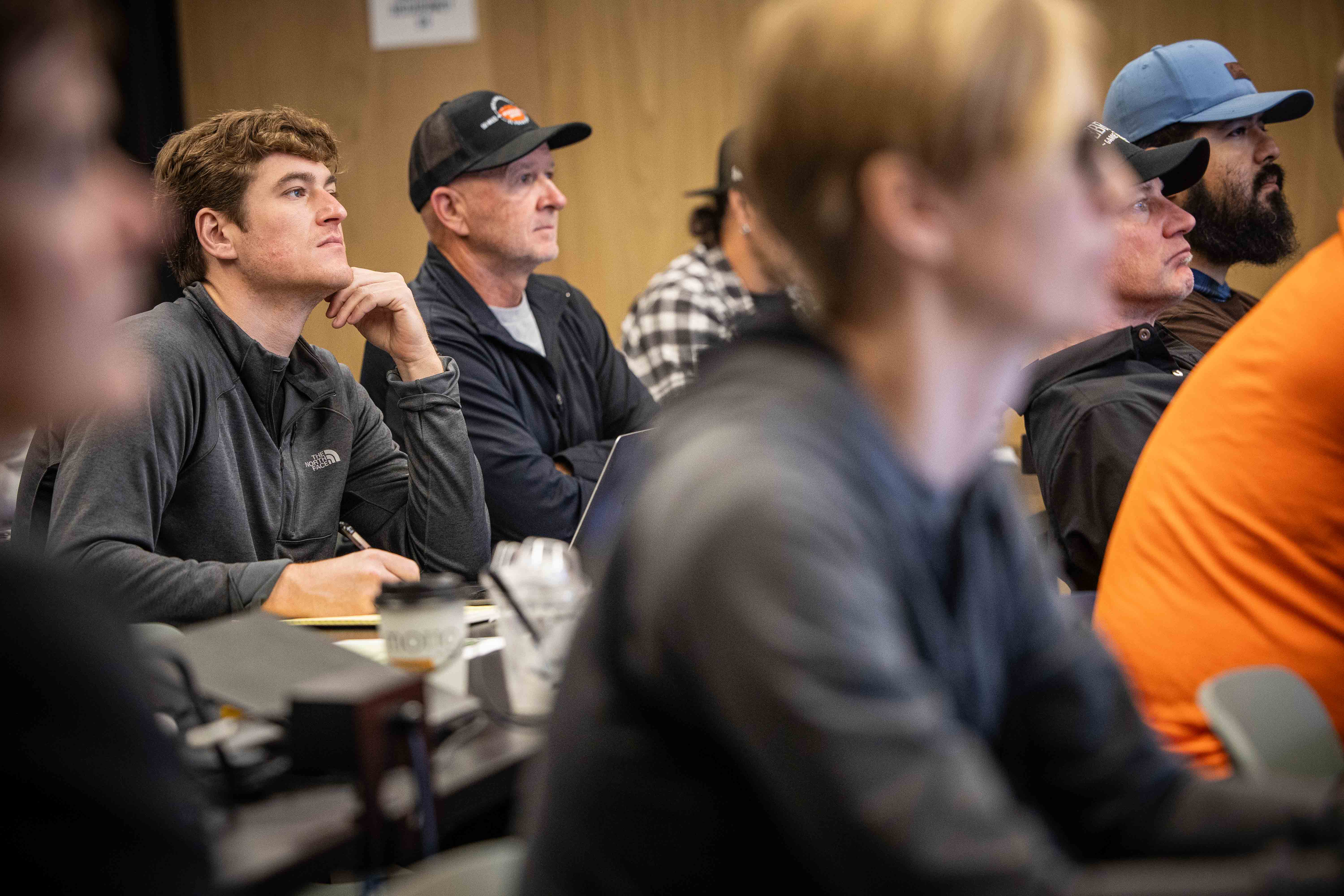
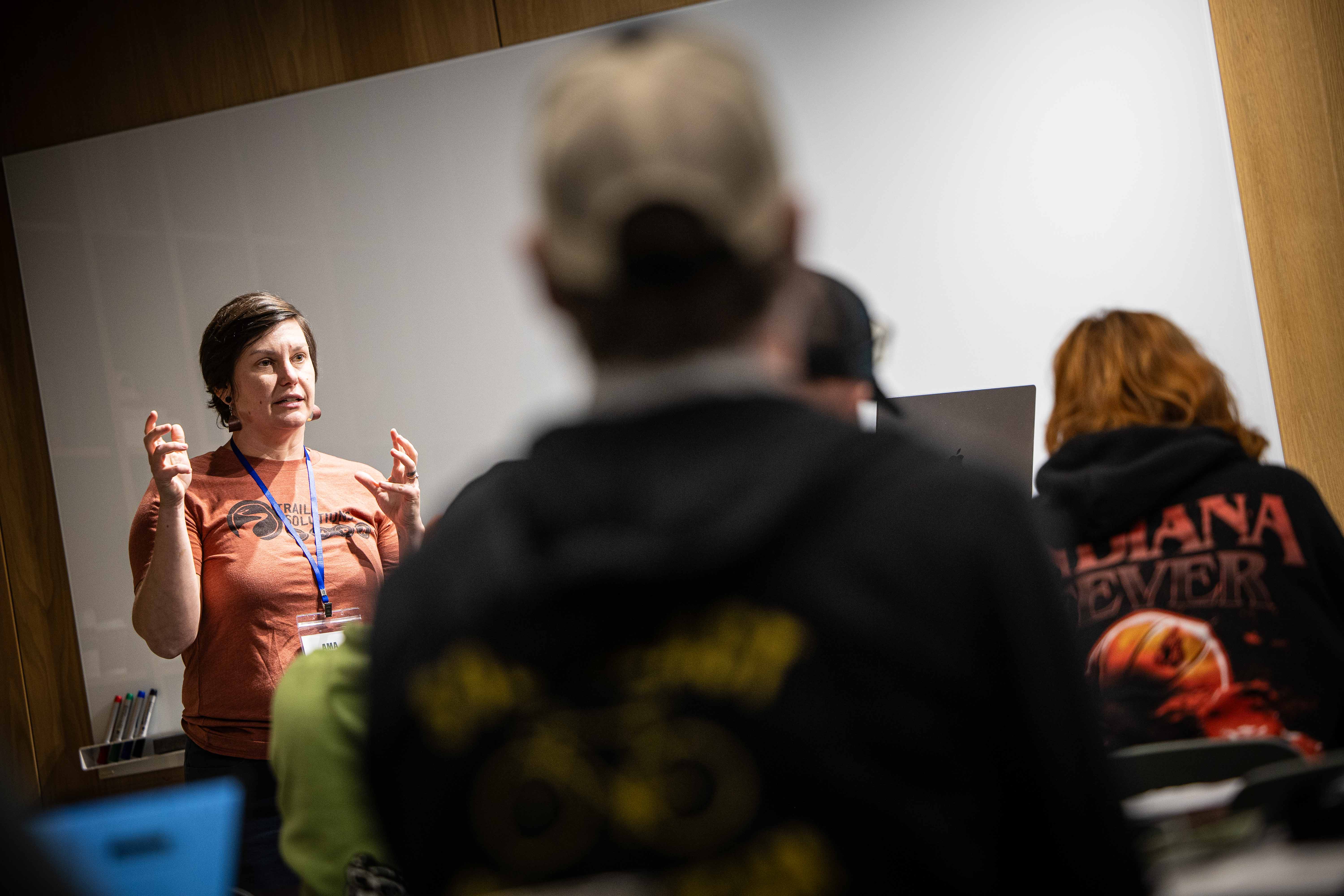
IMBA Trail Solutions’ Ama Koenigshof and Cory Callahan guided the group through a series of examples, stories and how-to’s. Questions from the group came intermittently between keyboards furiously typing and pencils scrawling. I sat in with the group during the community engagement session, where we dove into the art of storytelling—how to translate a trail’s technical needs into a vision that resonates with a diverse community —and cited the importance of diversifying content for different audience types throughout the “selling” of your trail project. Funding, the step that some communities end up scratching their heads on, was met with an array of grant types, ideas for grassroots efforts, and strategies for approaching different sources. Access got into the nuts and bolts of the first real step before tying flags and walking properties. For inventory, we took it outside.
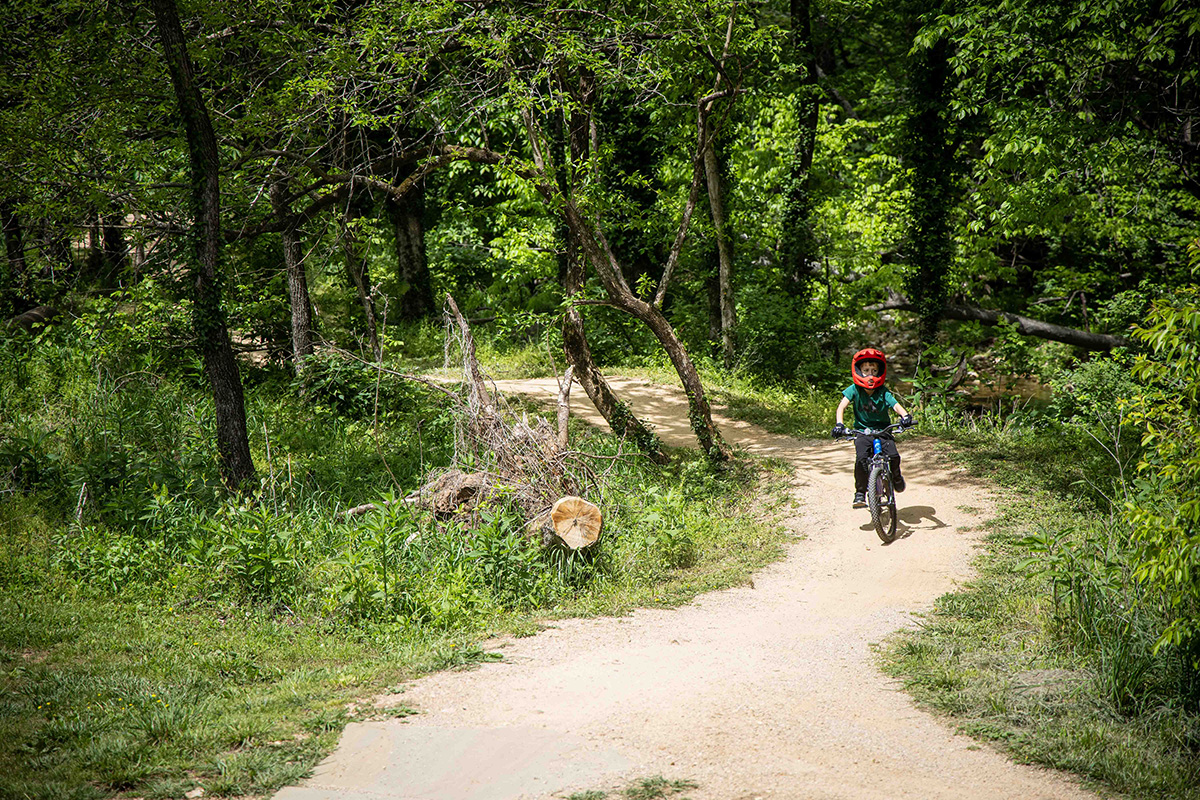
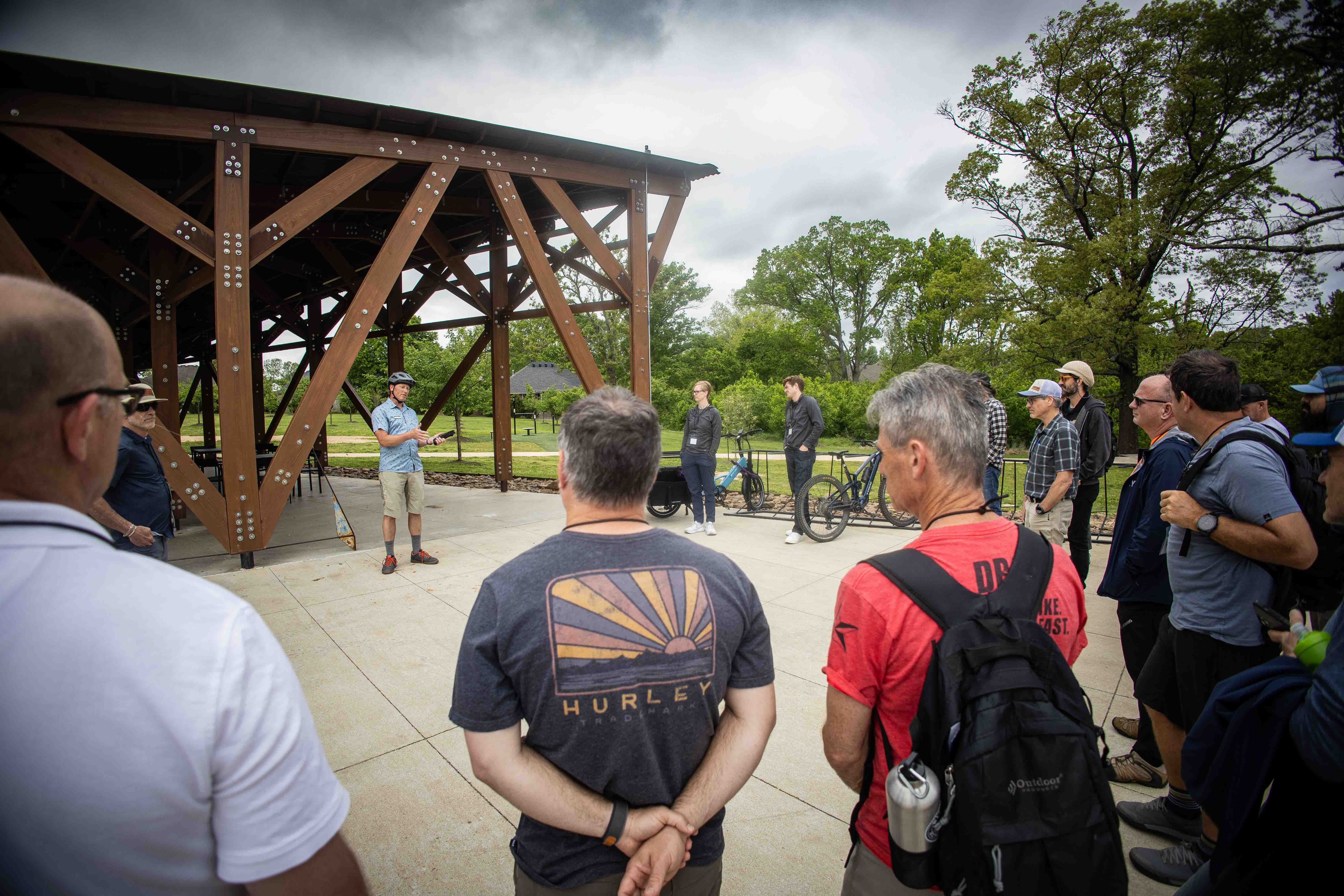
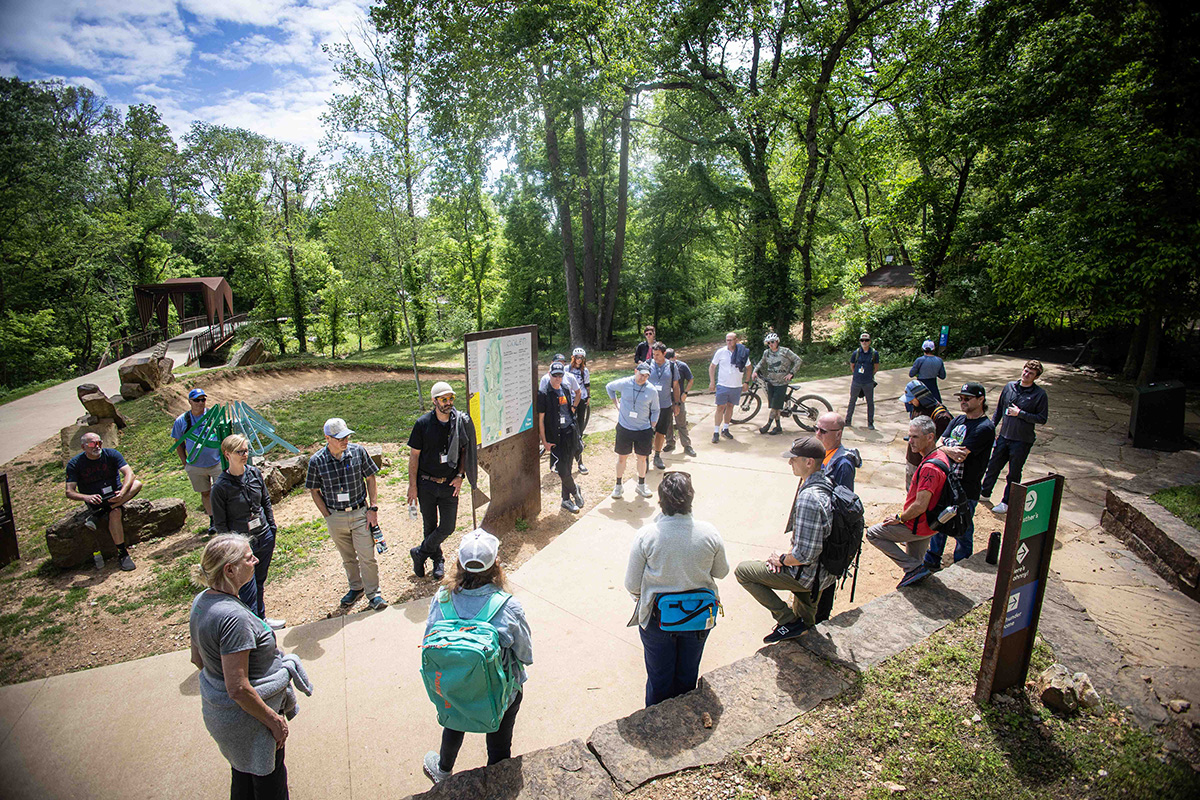
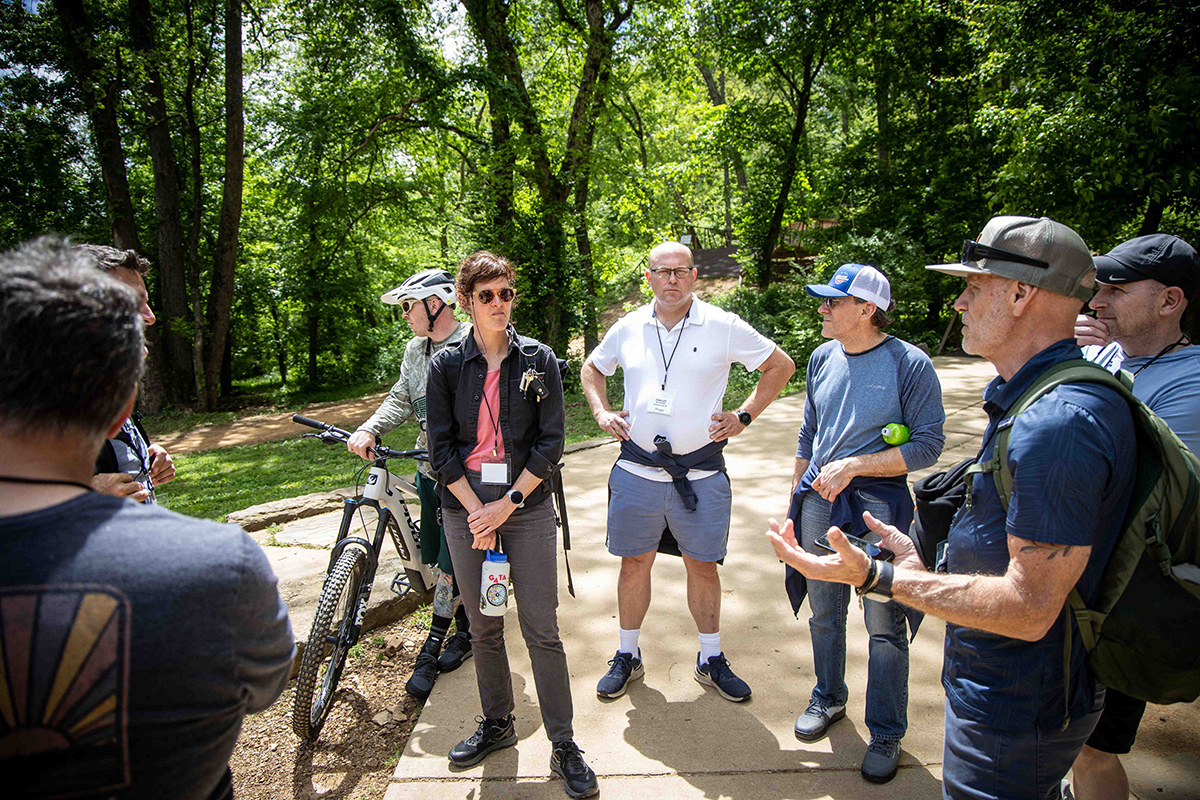
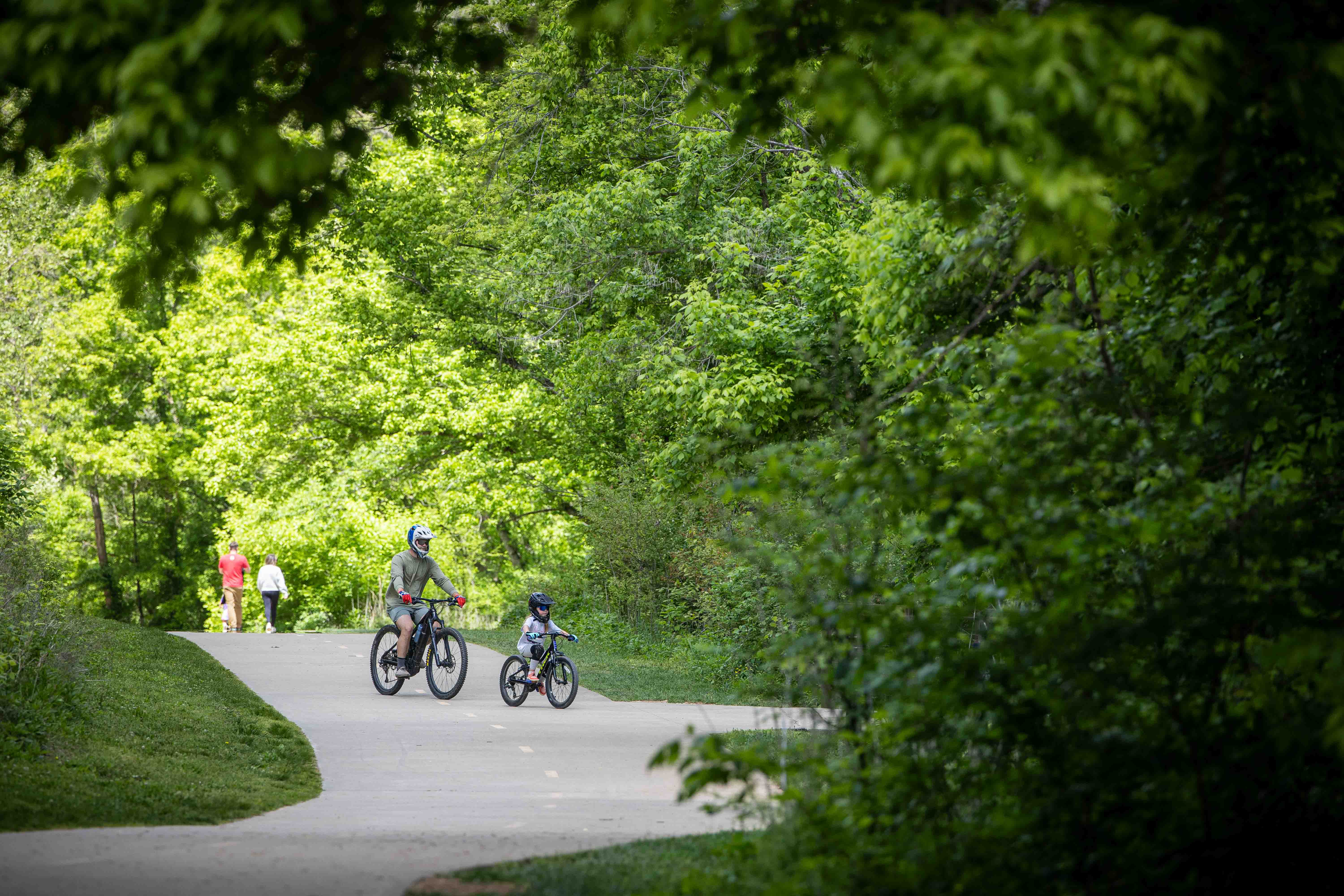
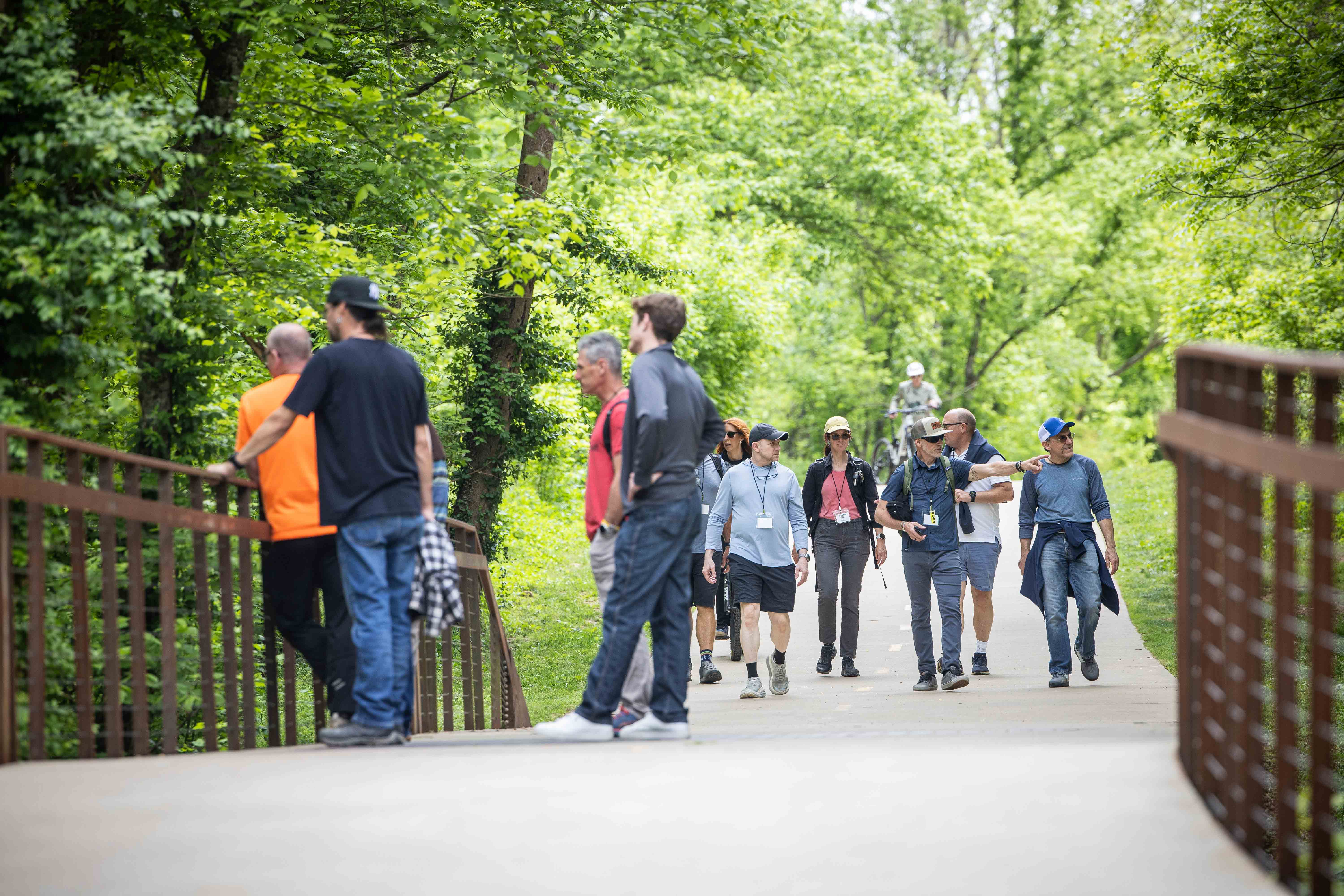
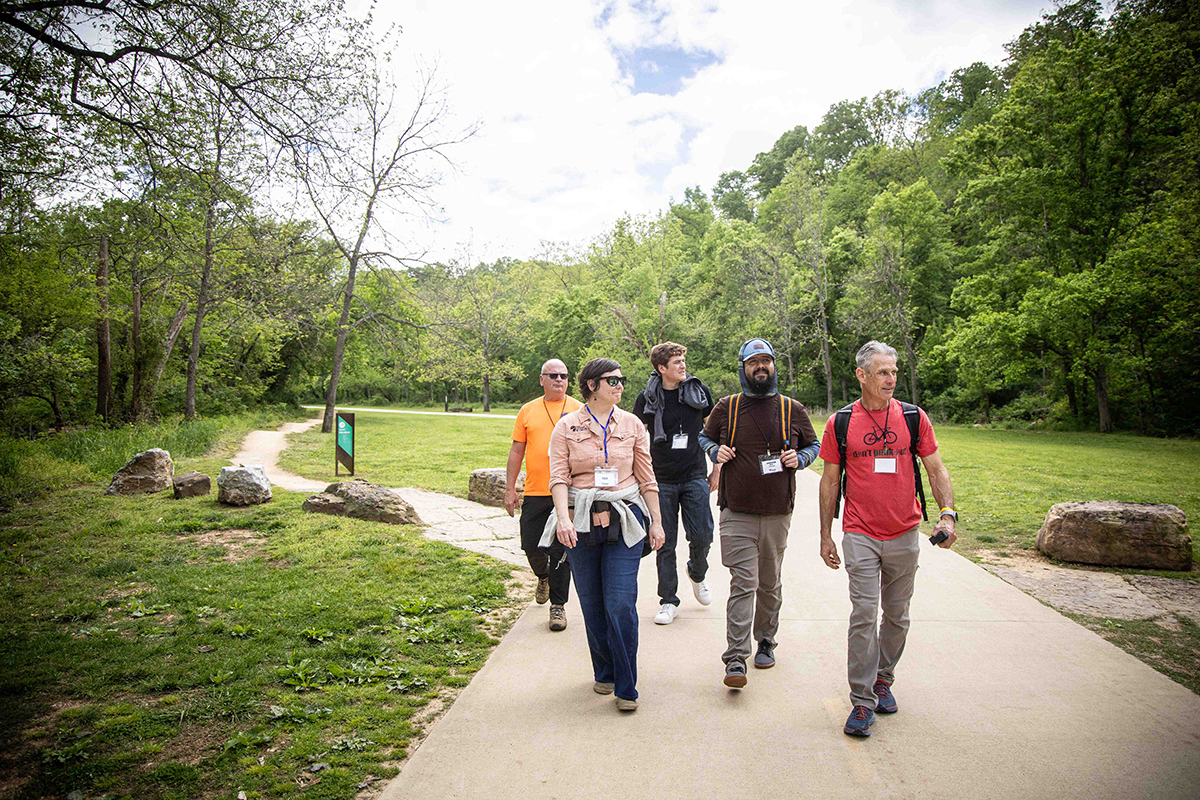
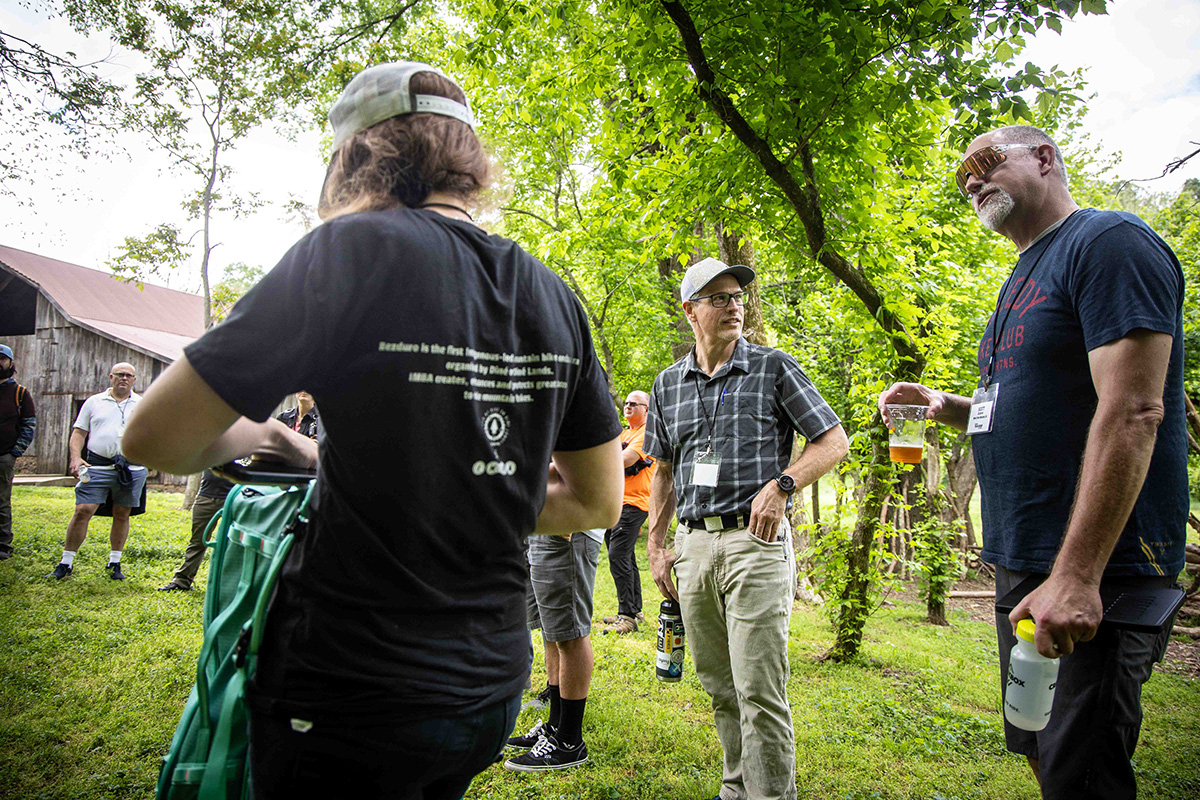
The group was shuttled over to Coler Mountain Bike Preserve and greeted at the Grove by site manager Matt Timboe. Under the canopy at the Grove, the group transitioned from theory to the tangible—trading the clicking of keyboards for stepping through dappled sunlight as we moved into the inventory phase. The group split up into three smaller groups and were tasked with different attributes to inventory as they made their way through the 2-mile greenway walk. Flanked on all sides by trail, art, interpretive signage and ecological markers, Coler provided the ideal landscape for taking stock of what exists and what’s possible.
Image
Image
Image
Image
Image
Image
Image
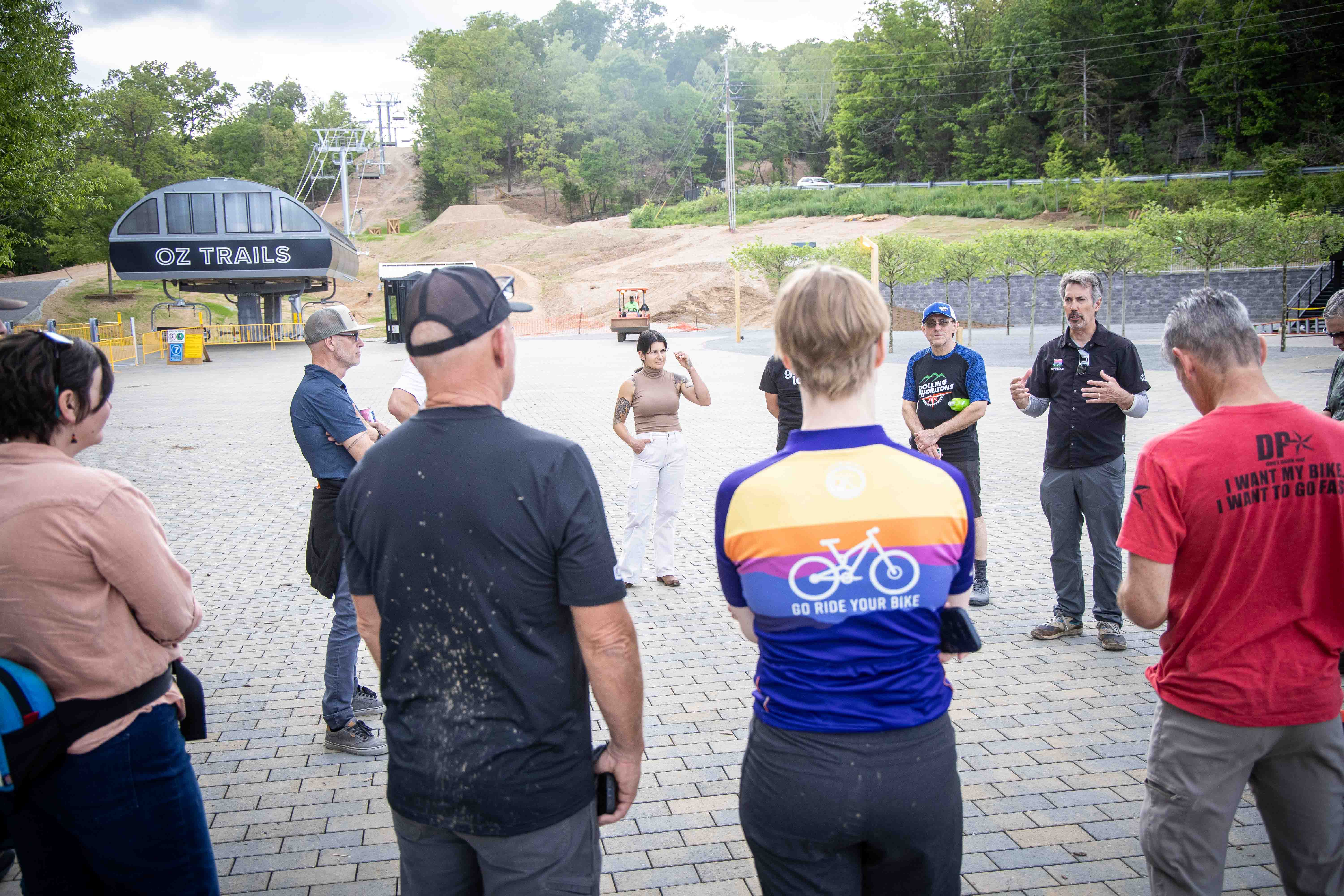
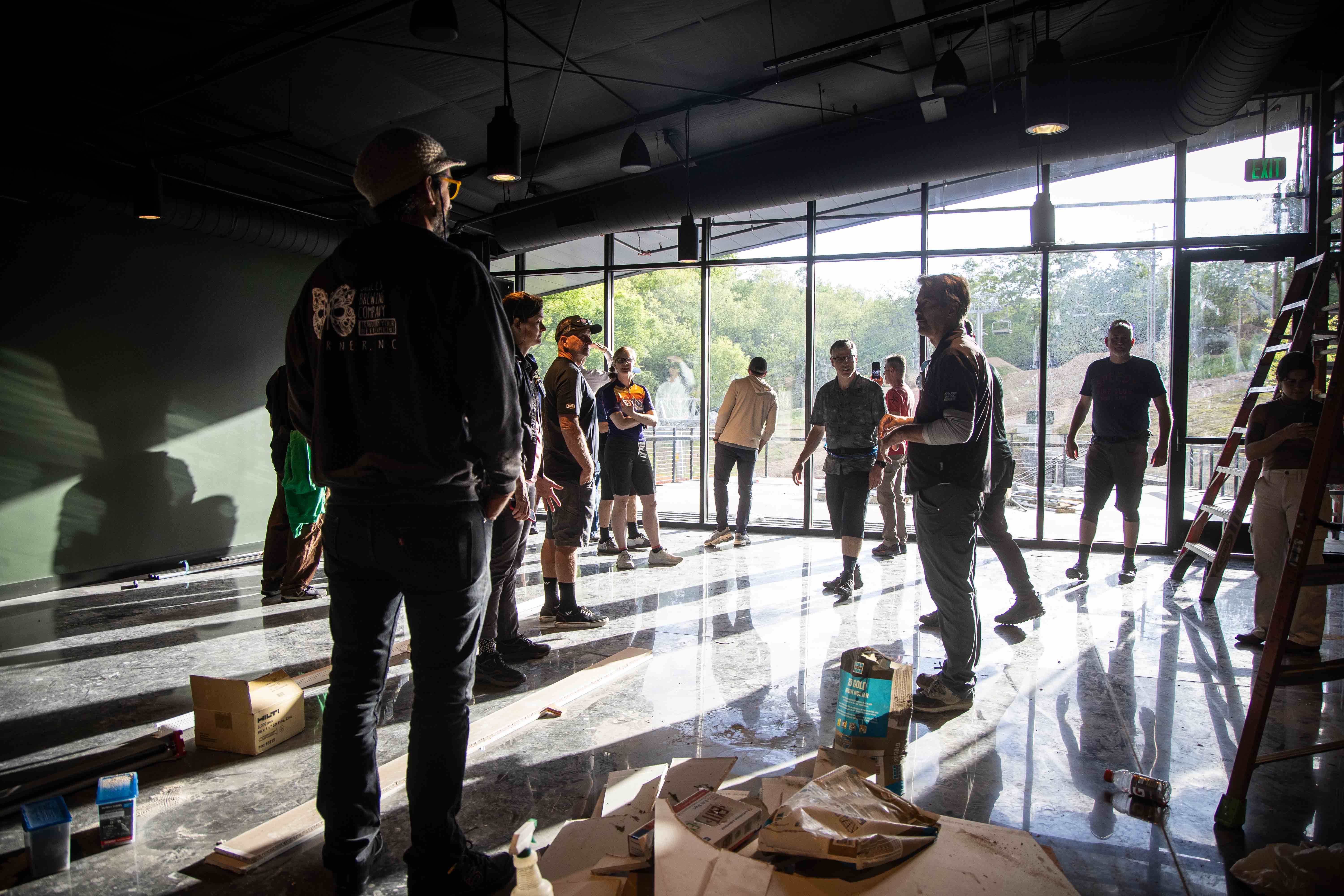
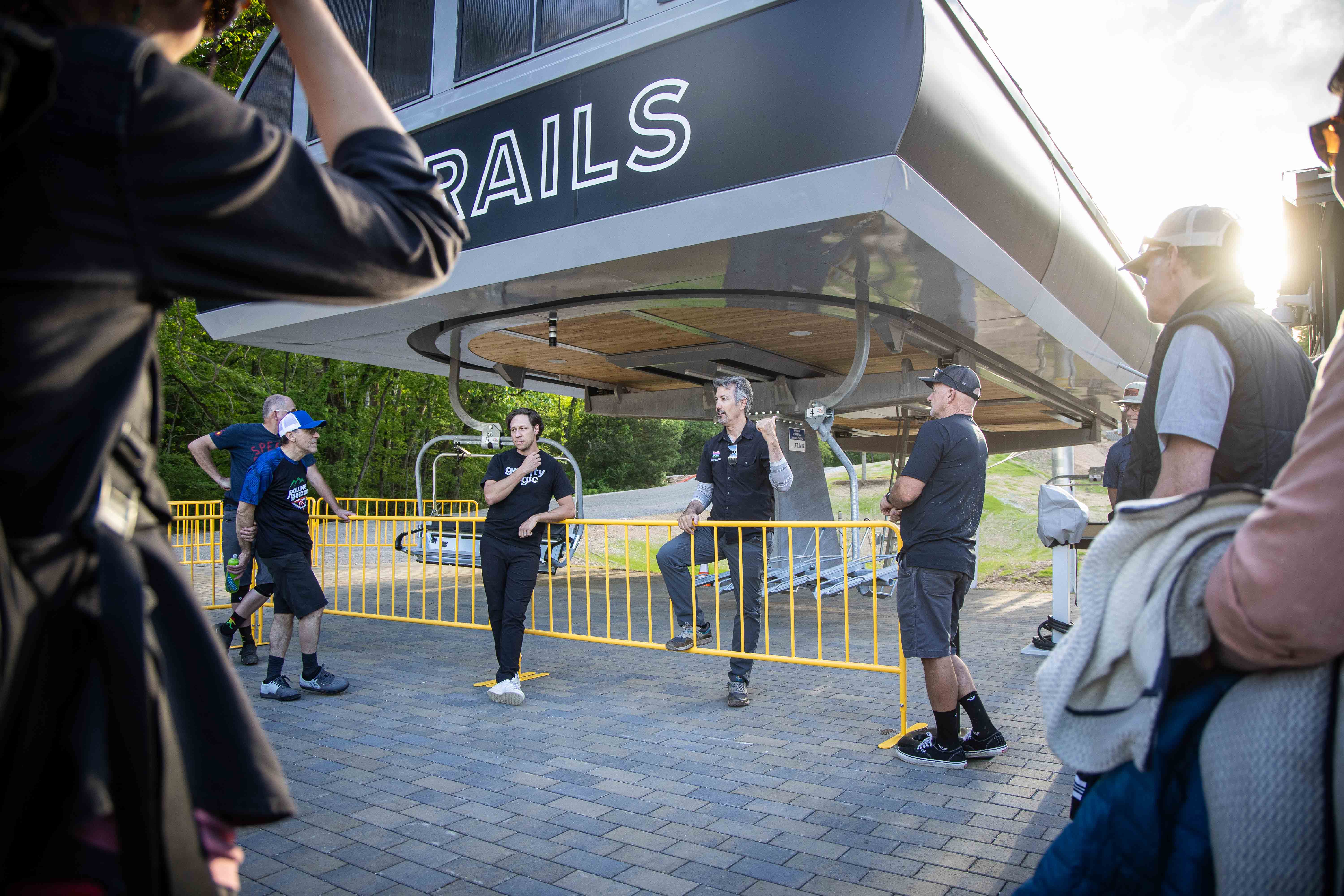
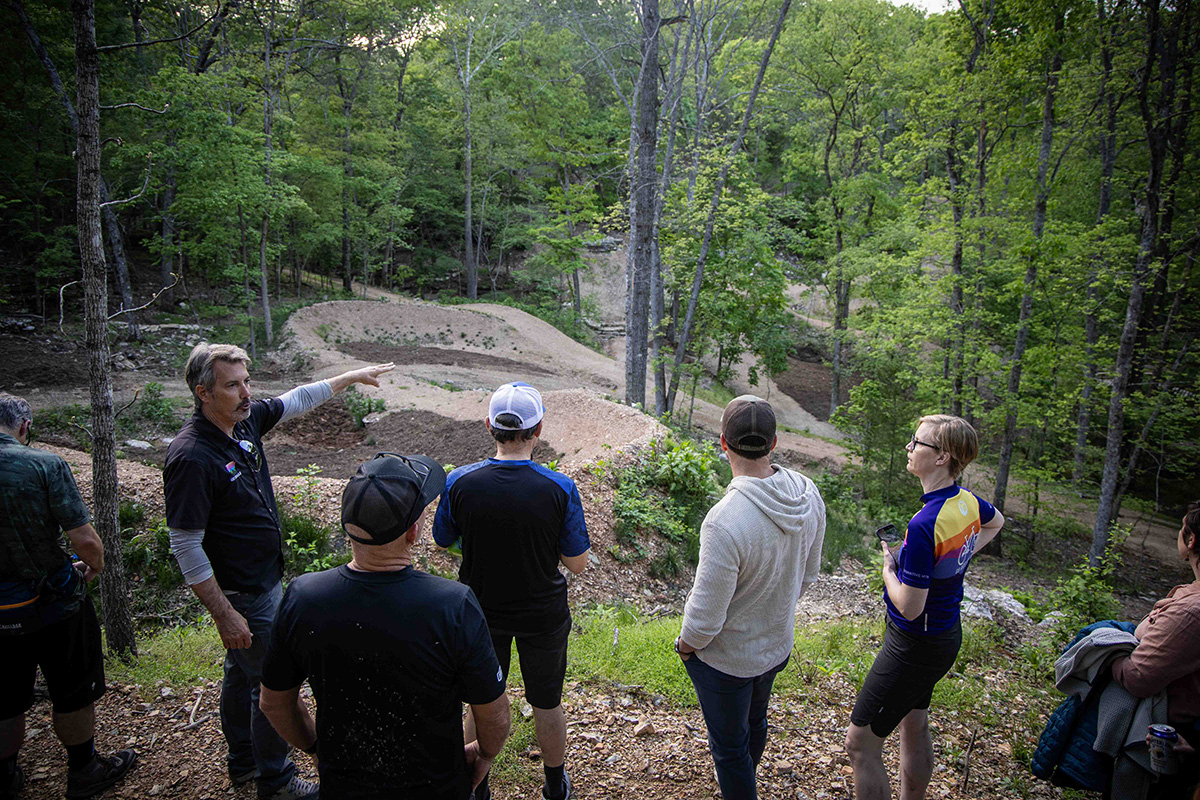
This year’s group got a bonus trip at the end of day one: scoping the new OZ Trails Bike Park before opening day. Against the backdrop of Bella Vista, Gary Vernon and Mike Abb walked the team through HQ, answered questions about the lift and its operations, and walked up the shared-use climbing trail to check out some of the work in progress. This park will be the first of its kind for the state, and an excited energy was palpable during the tour.
Image
Image
Image
Image
We reconvened at the Ledger for Day Two, the morning air still buzzing with the previous day's field discoveries, and the remaining steps were deep dives into planning, design, construction, and stewardship. Ama discussed how planning was the macro step and how inventory informs the gap analysis conducted before any physical plans are made. Design is the micro composed of field flagging and the deliverables that fully define the trail system. After sharing many concept plans with the group, construction was guided in tandem by Cory and Ama; the two stressed the values-based approach that IMBA Trail Solutions takes with every project and the different types of contracting available. While lunch was devoured, stewardship was center stage, and Cory took the lead on the key stewardship tenets of maintain, engage, and protect. Stewardship continued to be a key theme for the afternoon’s field visits as well.
Image
Image
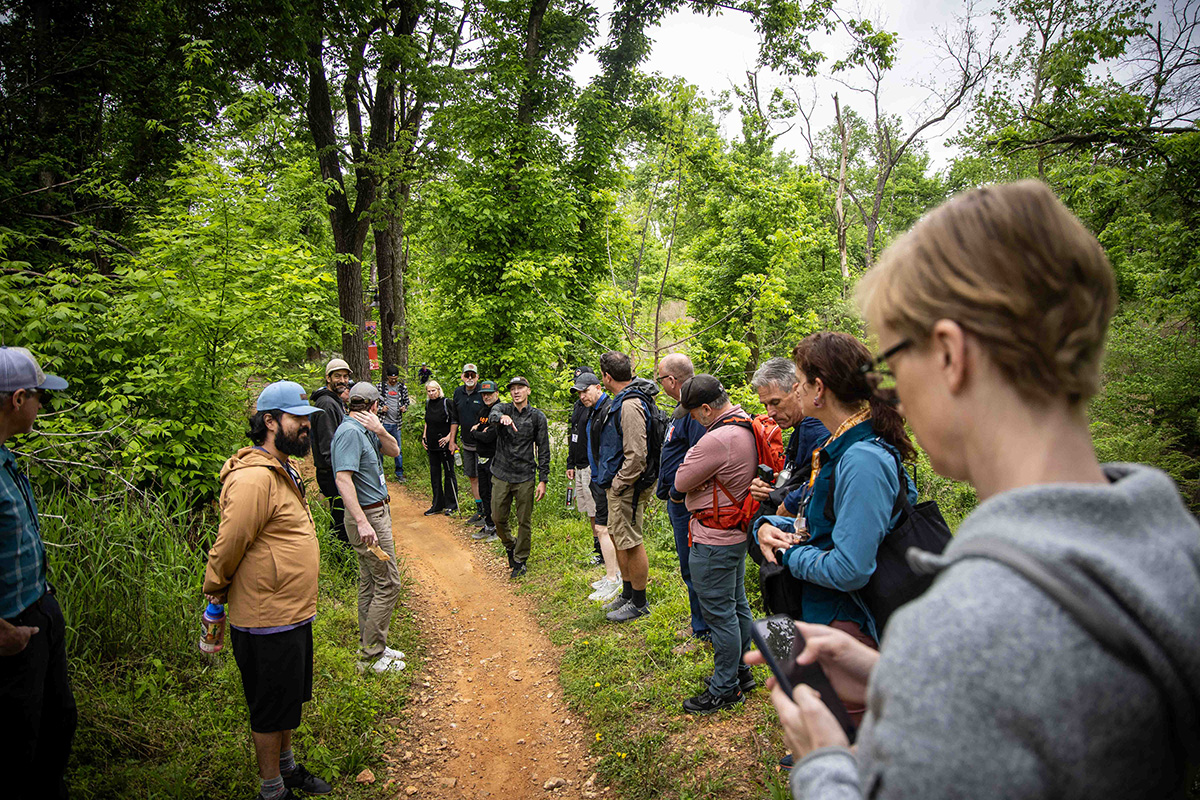
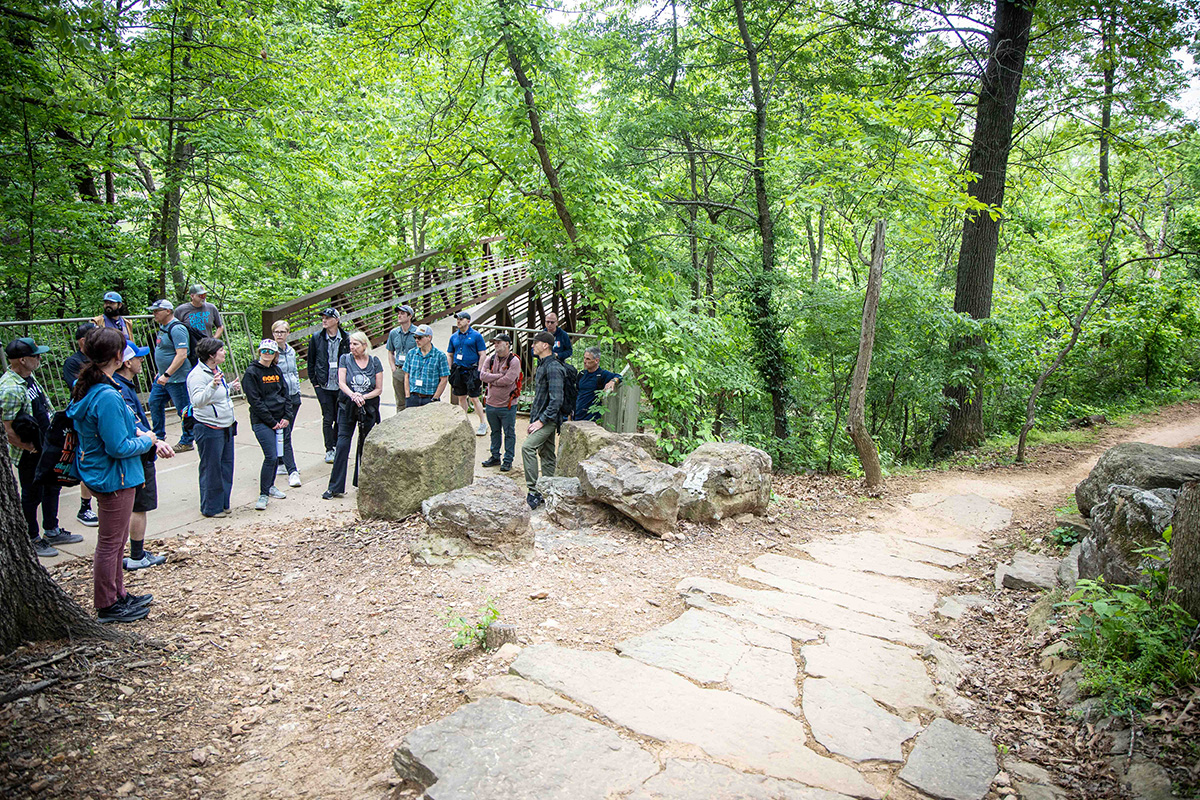
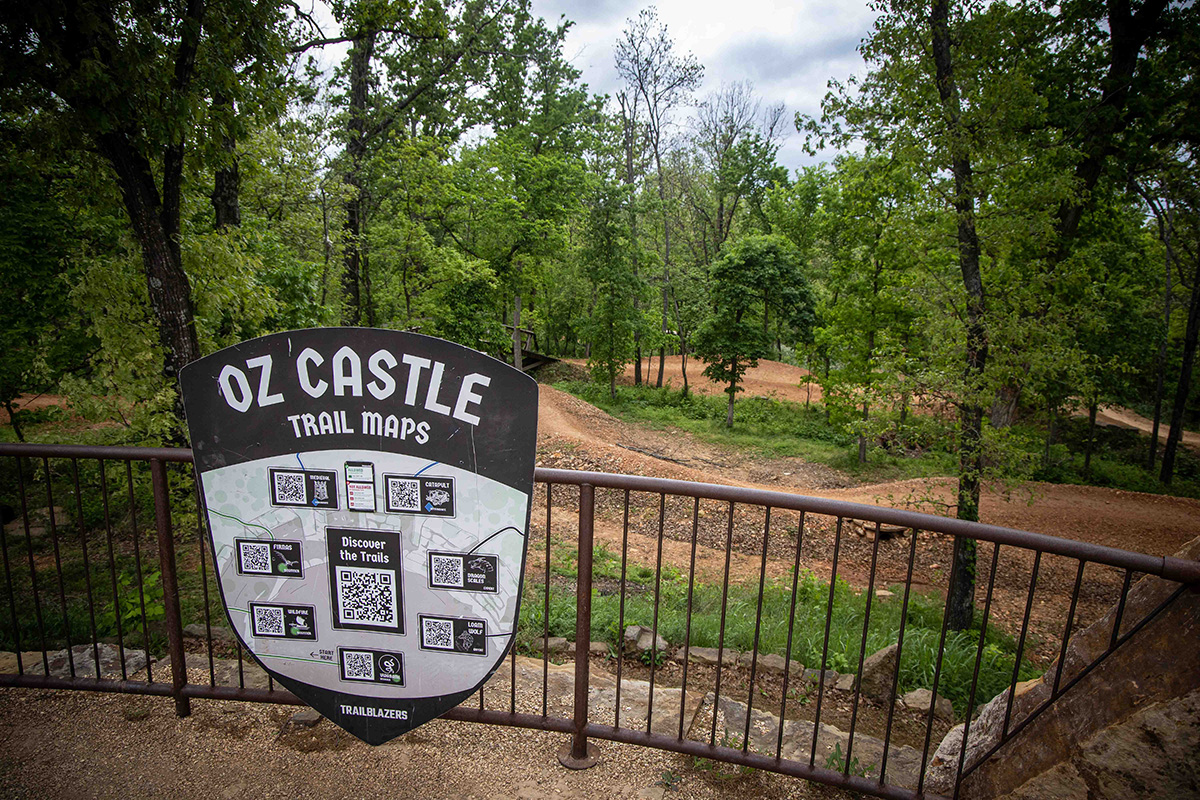
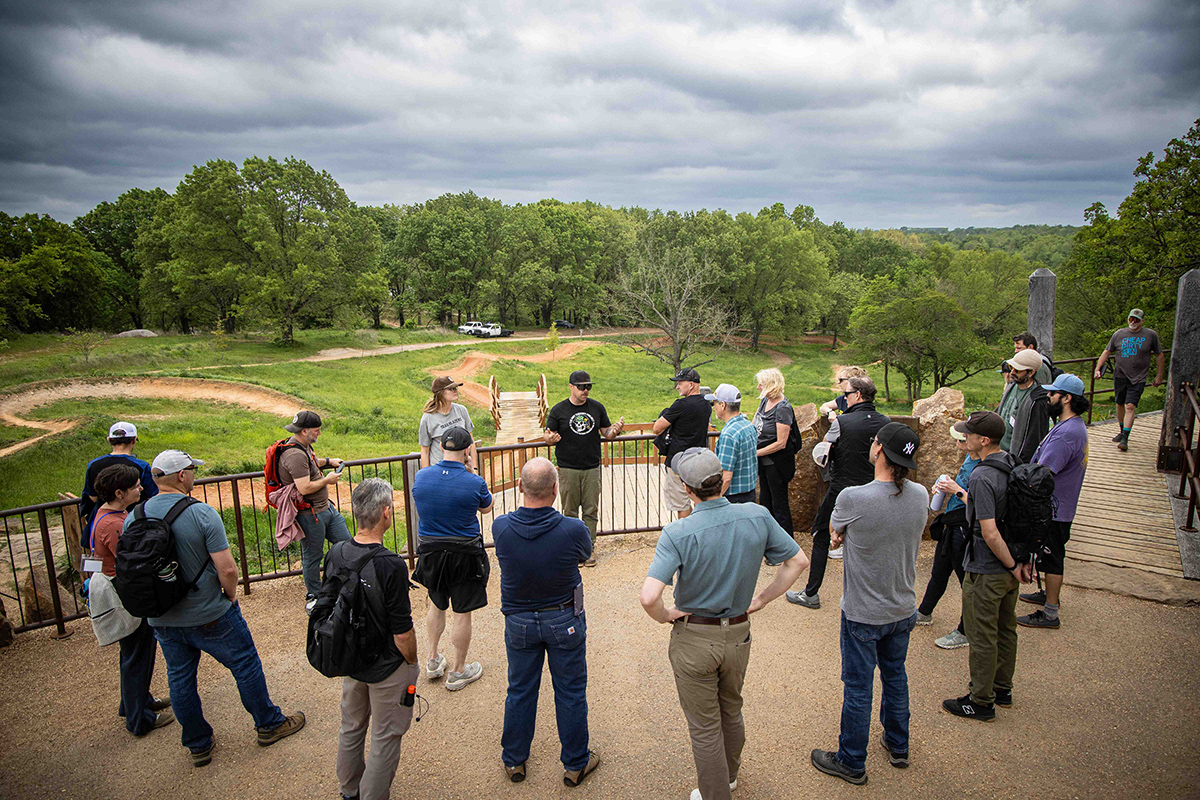
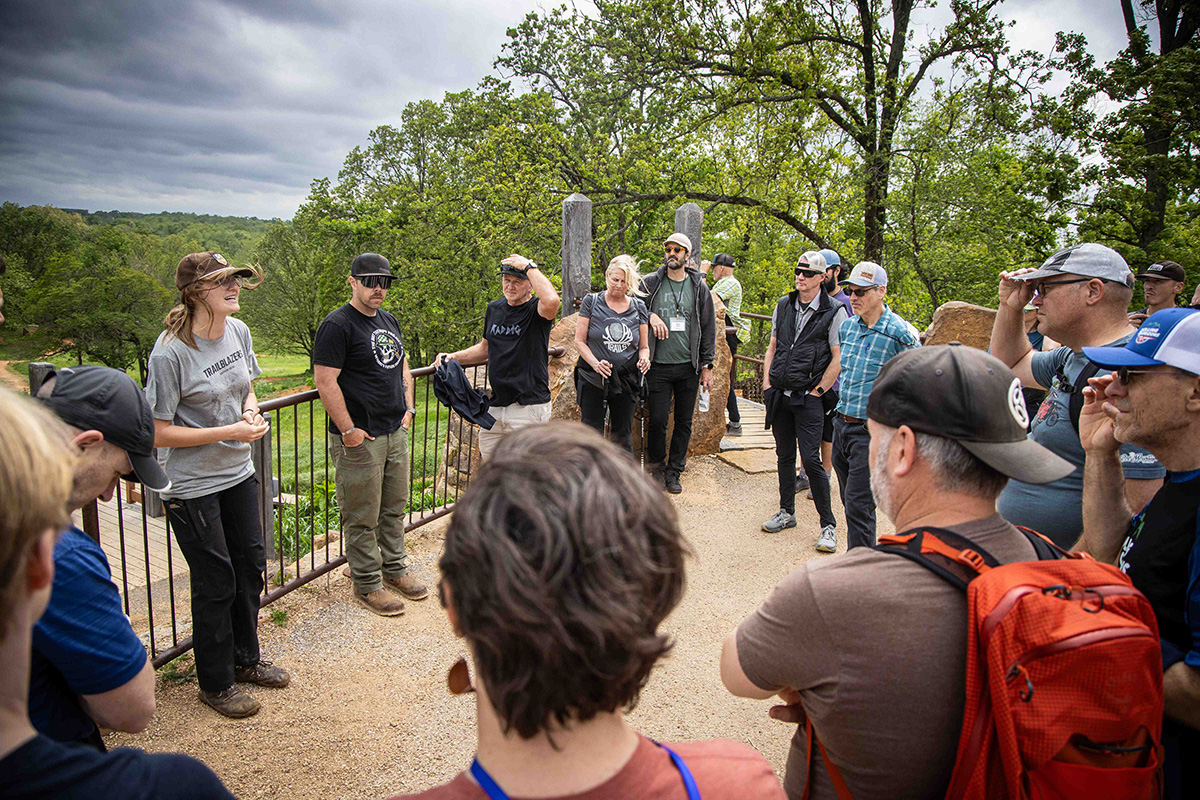
The group shuttled over to the start of the All-American Trail just off the main Bentonville square. This walk-and-talk was similar to the one held at Coler, but this time the group was tasked with applying a stewardship/maintenance lens. Groups identified and surmised how key areas have evolved since the trail's construction, as well as the benefits of multiple alt-lines plopped along the way for different riding abilities. After All-American, the team was greeted by Trailblazers’ Robbie Wells and Brenna Bulin, the leads for the construction arm of Trailblazers and specifically the maintenance of the Castle zone. Robbie and Brenna chatted about maintenance best practices, the evolution of the trails, and their working relationship with IMBA Local Org Friends of Arkansas Singletrack (FAST). Seeing the synergy between the professional crew and local volunteers wasn't just a lesson in maintenance; it was a masterclass in the longevity of trail culture.
Image
Image
Image
Image
A special thank you to Visit Bentonville for hosting us for IMBA Trailhead and the team that came together to make it happen! The real work doesn’t end when everyone departs; it begins when these 23 champions return to their own communities, ready to break tread on the paths they mapped out in Bentonville.