Mountain Bikers Riding Bikes Talking Trails
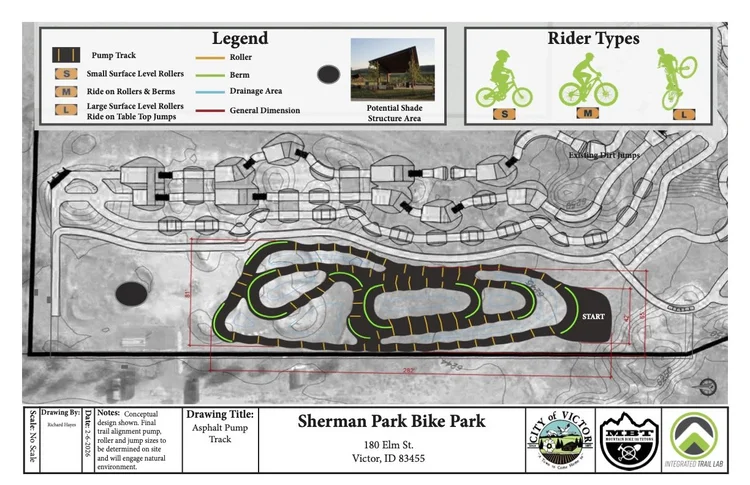
In 2023, IMBA began quietly testing, building, and deploying its Funding Services Program. Over the years, IMBA recognized a common pattern across clubs, chapters, groups, cities and towns from Maine to California–they’d done the work to plan and/or design a trail system perfect for their region, and came to understand they’d need between $15,000 and $15,000,000 to actually build it. “IMBA’s fundraising education services were incredibly valuable to our team…they provided thoughtful feedback and practical strategies that have helped position us to pursue larger funding opportunities across all of our projects,” noted Mountain Bike the Tetons while working to advance the Victor Bike Park Revival.
Image
IMBA’s Funding Services began as a pilot program to listen and educate partners on the wider arena of fundraising. As the Community Engagement and Programs Manager interfacing with hundreds of mountain bike organizations across the country, Marty Caivano had been the foremost fielder of requests for funding assistance. “Folks had these great projects with tons of support and excitement, but they didn’t know where or how to secure the dollars to get it done,” said Marty.
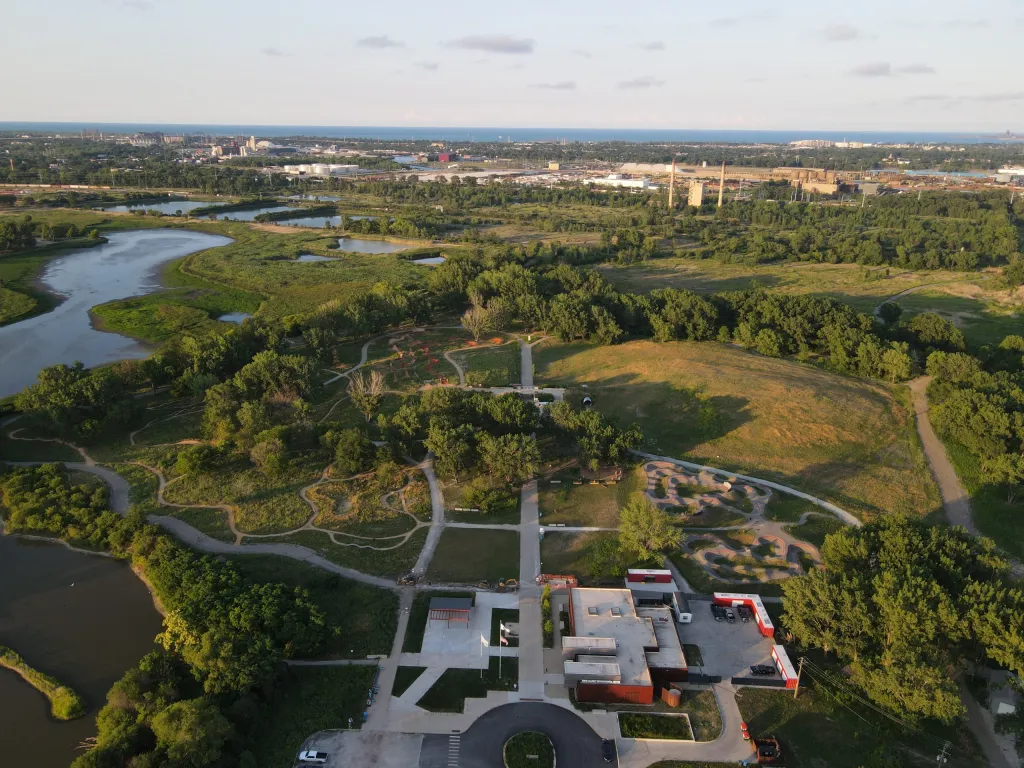
Marty provided an initial list of organizations that might benefit from such a program, and in the first two years, 33 pilot projects were identified. “Their counsel encouraged us to make a larger, more professional ask of a bluebird donor, resulting in an unexpected $150,000 donation,” noted Friends of Big Marsh of Chicago, Illinois. Big Marsh’s project, a free urban bike park and trail system, serves primarily low-income and communities of color with accessible recreation and programming.
Image
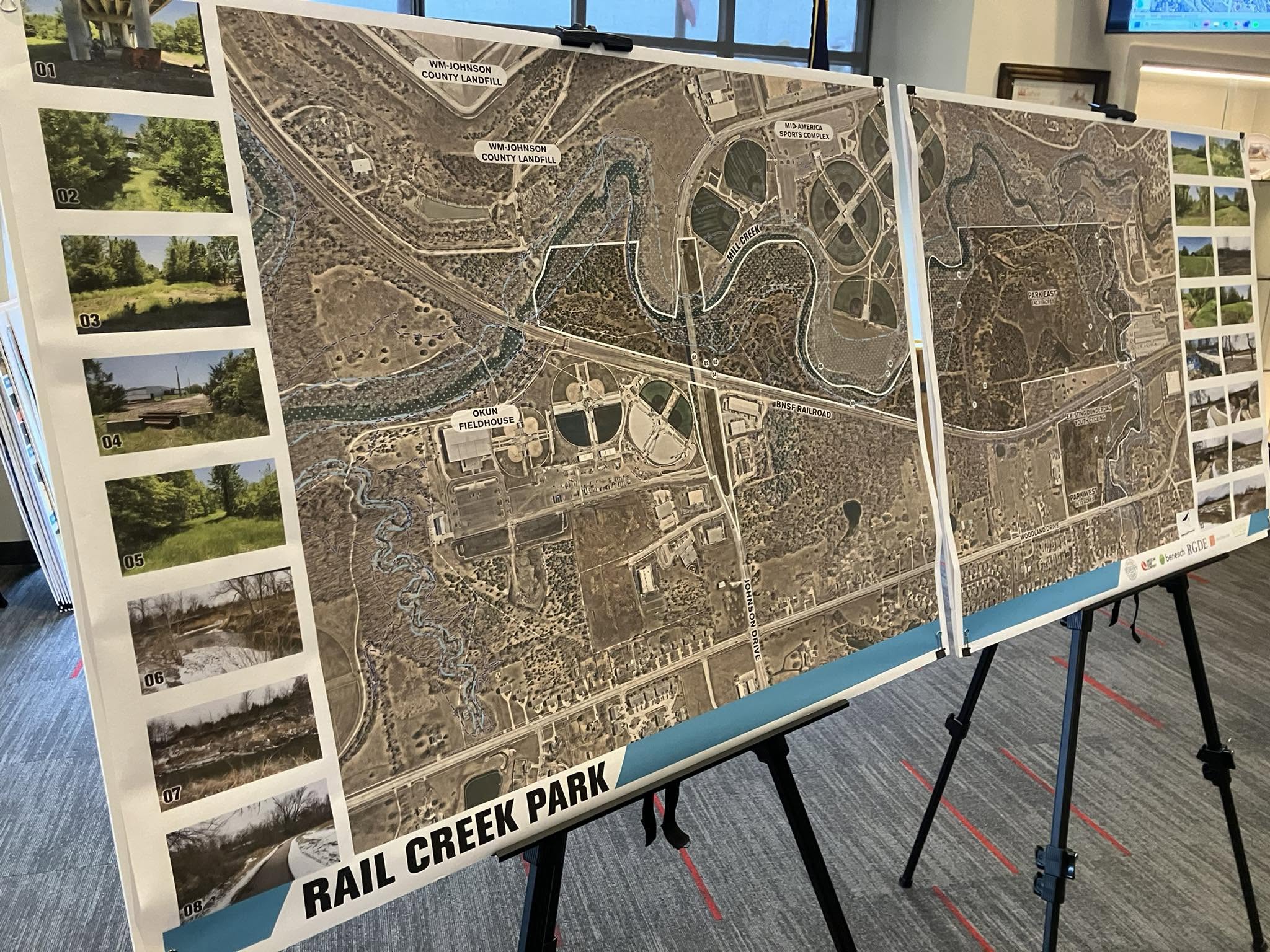
The pilots varied widely from all-volunteer organizations with $3,000 in the bank wanting to build 1.8 miles of natural surface trail, to the City of Shawnee, Kansas, Recreation and Parks Department looking to build a half-million dollar cyclocross course in the middle of a new $15M city park.
For most mountain bike specific organizations with little or no paid staff, a common (and unsurprising) theme was the elemental loathing of asking for money. Most groups had applied for grants or donations from “the usual suspects” (bike/recreation industry, Recreational Trails Program, local bike shops, etc.) and had been moderately successful raising moderate amounts of funding from these sources.
But a beer night and a bike raffle are not going to raise the amounts of money needed for increasingly costly trail projects that may include community outreach, environmental review, permitting, planning, design, and acquisition costs–not to mention actual construction and maintenance.
Via the pilot program, IMBA gathered and documented the needs of each organization and identified the above-referenced Fear of the Ask as a common denominator. Whether it is human nature or something more specific to the American psyche–our “rugged individualism” lurking in our DNA to both positive and negative effect–most people would rather take a spiderweb to the face than ask someone for money.
Image
Armed with a deeper understanding of global needs around fundraising, IMBA assembled a team with combined decades of expertise, knowledge and experience to help these communities.
“People recognize the value that trails bring to their communities, to their families, their kids–and they want to be a part of that–whether by volunteering or by contributing financially” notes Marty Caivano.
Lessons learned from the pilot projects allowed IMBA to develop the Funding Service that provides guidance about grants and grantwriting, capital campaign development, donor relations, and how to identify and approach foundations that might share a common vision.
“Foundations exist to support community projects. They not only want to invest in worthy endeavors – they are legally required to do so. Individual donors and astute philanthropists are just as motivated to help” offered Philip Milburn, Executive Advisor to IMBA and counselor to organizations. “What are the two top reasons people don’t give? They weren’t asked and/or the need wasn’t clear.”
This framing allows for a shift in mindset–from “I feel sheepish asking for a handout” to a more collaborative, partnership model where both organization or trail project leader and donor are excited to pursue a project in tandem.
IMBA learned from the pilot project phase what people needed most, and created strategies most likely to achieve results. The goal of the program is to help communities design the most appropriate fundraising strategies and tools to get through all the phases of trail development, including writing compelling support narratives, planning a capital campaign, creating a fundraising plan, and identifying prospective major donors that project leaders may be overlooking.
Image
Fine tuning continues, and Funding Services are now offered as a Trail Accelerator Grant (TAG). Funding Education TAGs were awarded to five organizations in 2025, and 2026 applications are currently under review. The more formalized Funding Education TAGs have allowed the team to do a deeper dive with each organization–to learn more about their board and staff structures, knowledge, skills and abilities–to become more familiar with their specific projects and their funding needs, and to provide mentoring and coaching tailored to those areas of need.
Of the people and projects IMBA has assisted on this front since 2023–whether one of the 33 pilots, the 5 (to date) Funding Education TAG recipients, or the dozens of others we’ve had less formal “funding chats” with–100% have exciting, promising and worthwhile projects they are striving to realize for themselves, their families, their communities. California Mountain Bike Coalition told us, while developing a roadmap for its Annual Impact Fund, that “the training greatly improved [their] end of year fundraising efforts.”
IMBA believes the best way to achieve the goal of Trails Close to Home is to help local leaders enhance the professionalism of their trail organizations. Whether that’s realized by developing a trail crew, community organizing, hosting an IMBA Trail Care Workshop, or developing the fundraising skills and savvy to attract and private philanthropy skills –we’re here to help leaders move from fear to fun trails.