Mountain Bikers Riding Bikes Talking Trails
Just for today, I’m taking the reins and swapping IMBA’s regular blog style out for a cooking one.
I’m here to share a recipe for something that will eventually turn into delicious single track. What’s a cooking blog without at least 2 pages of backstory about the recipe before you get to the ingredients and steps? If you’ve never looked up a recipe online, I may have lost you. If you have, you know exactly what I’m talking about. We’ll get to the details in a bit but first, a lil story:
Early this June, I was offered the opportunity to help my friend and former colleague Chris Orr teach a trail workshop in Oroville, CA. His usual co-teacher, Joey Klein, was on a ski-batical and after asking everyone else he knew, he begrudgingly reaching out to me to see if I was available. From the bottom of the barrel came an enthusiastic “heck yes” — I tossed bikes and gear in my rig and headed south.
Image

This project was part of a unique partnership between the United States Forest Service (USFS) Region 5 and IMBA called the R5 Trails and Technical Assistance Program. This program, developed through a Cost Share Agreement, allows USFS Forests in California to request sustainable trail design, building and maintenance educational assistance from IMBA for both their staff and partner organizations (you!).
Learn about Cost-Share Agreements
The agreement was developed in 2016 by a few of the best brains in the business, Garrett Villanueva, Then the USFS R5 Wilderness and Trails Program Manager and Chris Orr, one of IMBA trail specialists who’s had 40 years of soil conservation, non profit management, trail building, trail design and shredding under his one big wooden shoe (inside/outside joke).
After attending a training on the Stanislaus National Forest in 2022 with Garrett and Chris, a Plumas National Forest Recreation Officer wanted to duplicate the program on the Plumas for his USFS team and partners. The Rec Officer reached out to Jamie Fields, then the R5 Wilderness and Trails Program Manager, who now handles coordination on the USFS side, Marty Caivano, IMBA Trail Solutions’s Community Engagement Manager, who handles coordination, started putting a plan together.
The Plumas National Forest has experienced recent wildfires in over 65% of the region. That, coupled with other challenges, has made it difficult to manage recreation and trails. Trails that were under the cover of trees and surrounded by vegetation are now experiencing erosion and exposure to elements that they weren’t designed to withstand. Take the challenge of managing trails in a burn scar coupled with the limited resources our public land stewards are currently working with, and you’ve got a lot of drainage issues and overstretched federal employees who are not getting to prioritize training and education for their teams and partners.
Image
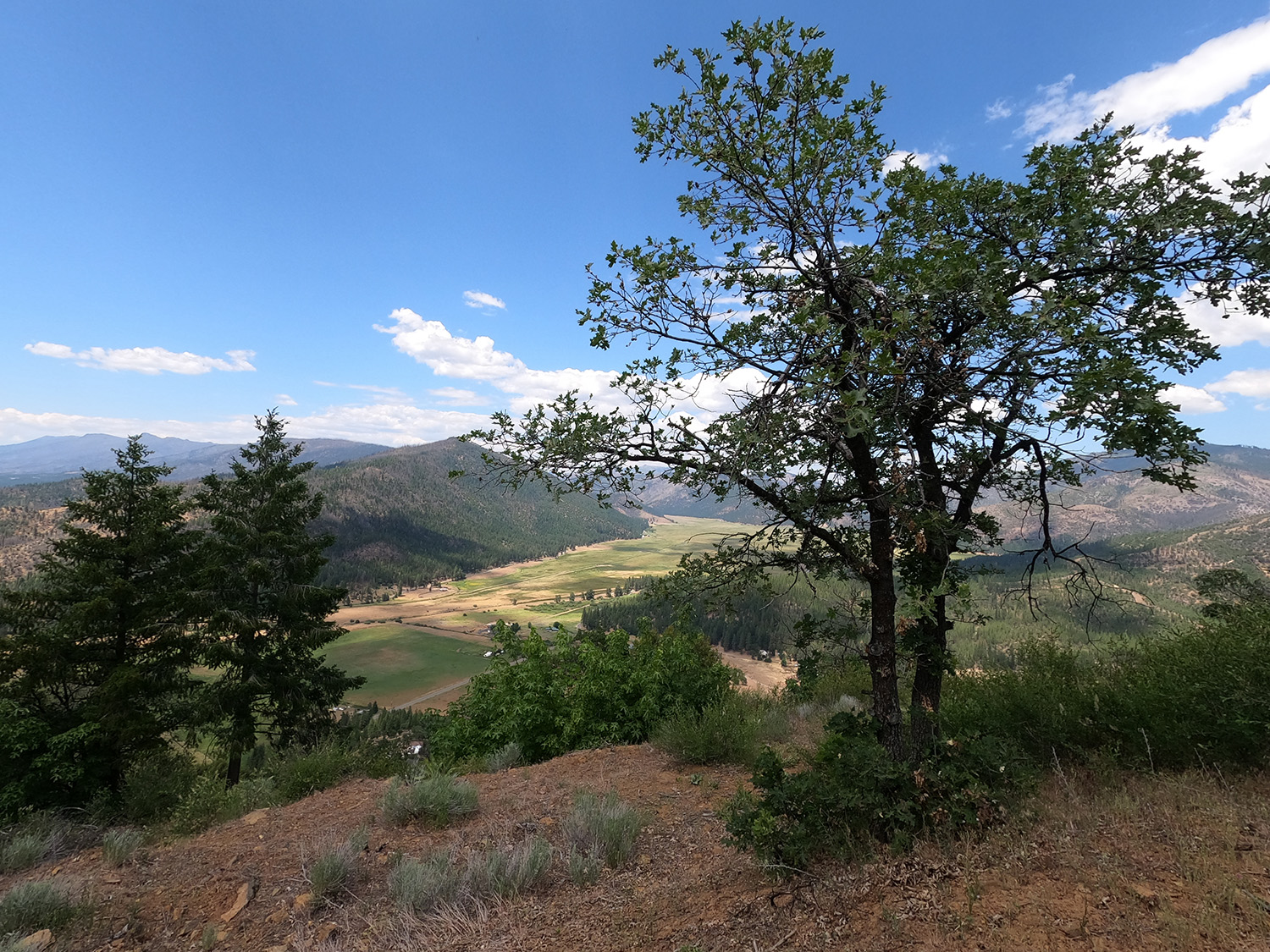
While we can’t solve our federal agencies being gutted, with a trail workshop we can provide some support, education, stoke and perhaps a little reprieve from the daily onslaught of funding cuts. With all that in mind, we headed out into the Plumas National Forest to scout the project sites and find the perfect field classroom.
This class was focused on trail maintenance, so we were looking for areas suffering from poor drainage, soil loss, and those hard-to-solve issues that come with fire. The two locations, Big Bald Rock Trail and Feather Falls Trail were ripe with ruts, sediment dams, and all the things we could fix with knowledge, tools, plenty of water, and muscle. Thankfully, we had all those resources, but first we needed to spend a bit of time indoors talking about what we were going to do outdoors.
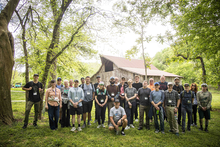
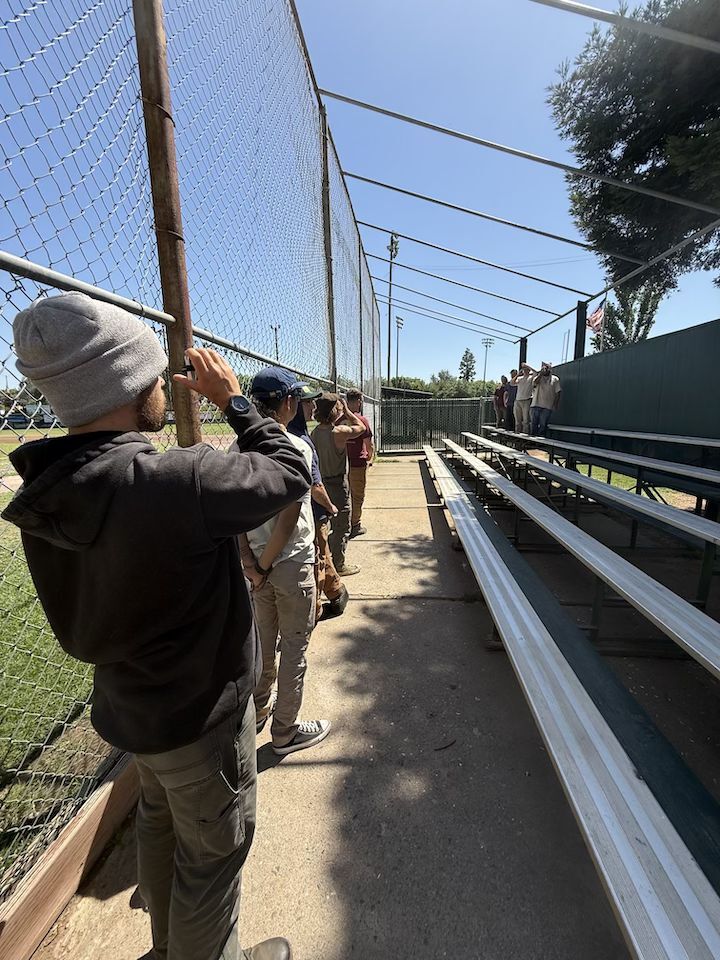
We spent our first two days of the classroom at the Plumas Ranger District Office in Oroville where we talked about all things trail building and maintenance. The class participants were a mix of Forest Service staff and a crew of 8 from the American Conservation Experience (ACE). The team had varying levels of experience with trail maintenance and everyone was eager to learn and teach, but mostly to get outside and start digging.
Image
Image
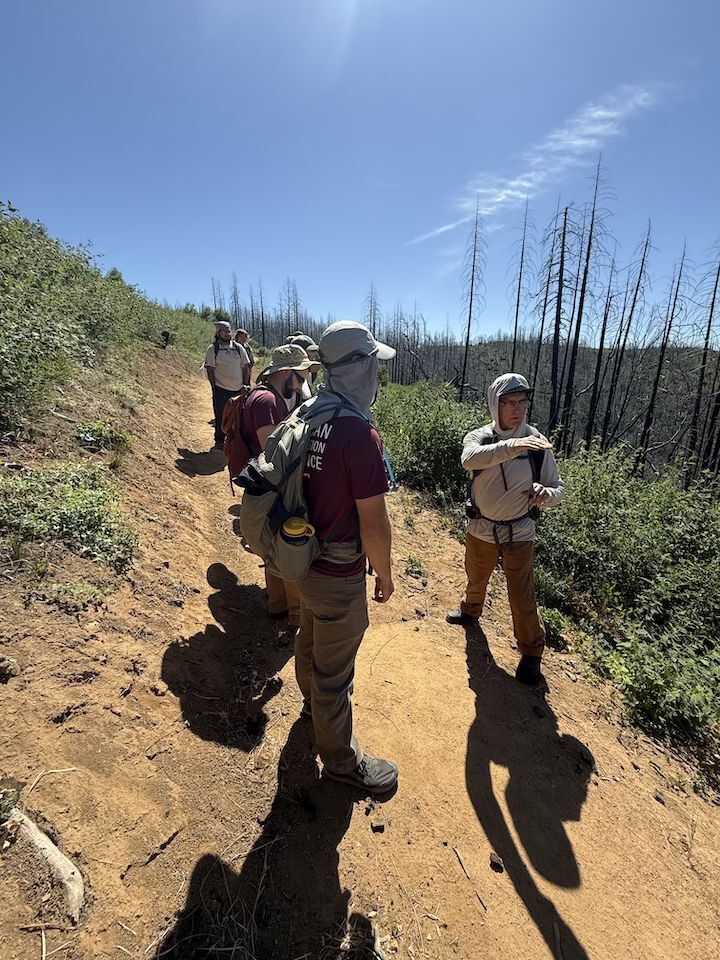
After a comprehensive classroom session, we rolled out to the Feather Falls Trailhead which had been re-constructed in October of 2024 following the North Complex Fire. The trail that used to roll through a lush forest was now surrounded by burned trees, ceanothus, poison oak and the occasional small but mighty madrone. Still beautiful, just different. This area is rich with the Indigenous history of the Maidu, which we’d learned about in class the day before from the Plumas National Forest’s Archeologist. There are places where you can see mortars carved into the granite boulders and imagine what it must have been like to live in and care for such a beautiful place. The original trail was used by the Maidu to access and live on the banks of the Middle Fork of the Feather River which rushed through granite channels about 1000’ below us. Armed with new trail maintenance knowledge and sharp tools, we headed out to play in the dirt and fix problems.
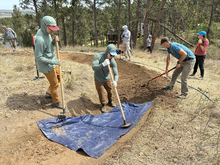
We landed on a section of trail with plenty to fix. Built at too steep a grade, it didn’t have enough intentional drainage incorporated into the design and soil was being lost from use, water and wind resulting in a rut running right down the middle. Our team picked a location and decided to build a large rolling grade dip. A rolling grade dip is a drainage feature that allows water to slowly flow off the trail without causing it to dump sediment or create more erosion while being nearly invisible to the trail user.
Image
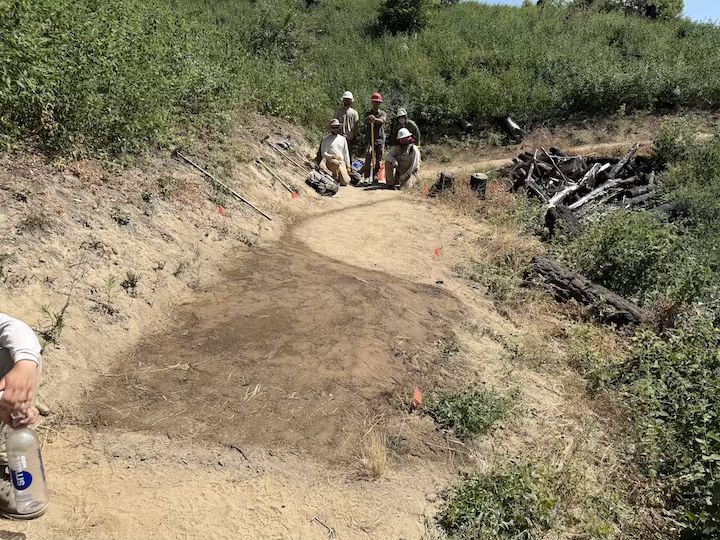
We spent a total of two days working on the Feather Falls Trail, and the team started making quick work of these features. after the first one and It was great to watch them help each other using their past experience and new knowledge to problem solve. A few of the folks on the ACE crew were looking forward to the possibility of a career in trails, recreation and outdoor education. We really couldn’t have landed a more perfect crew for a project focused on providing education to folks who will ideally master it and become the next generation of leaders in land stewardship.
Image
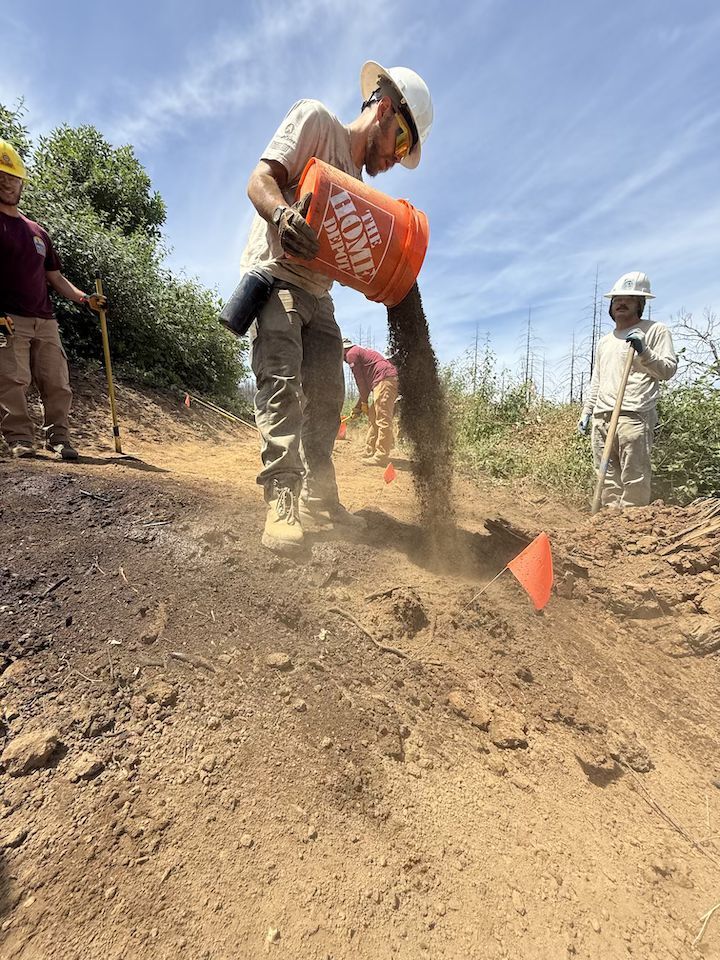
After a couple days at Feather Falls Trail, we switched venues and found ourselves surrounded by giant slabs of granite at Big Bald Rock Trail. The trail is short and the first section runs between boulders and a small creek. The team decided to build a couple drainage features and bench cut a section of the trail that had begun to erode into the creek. We were all a little cooked after a couple days in the heat and sun but once we got moving, the good humor and dirt started flying again. We had a little surprise in store for folks who hadn’t been to this location yet and took a walk to the top of the trail for lunch. Instead of hiding under the shade of poison oak and ceanothus, we took in the views of the valley below under the cool shade of a huge boulder and spent some time exploring the massive granite landscape. We still had some work to do so we headed back down to finish our projects, pack up and head out.
Image
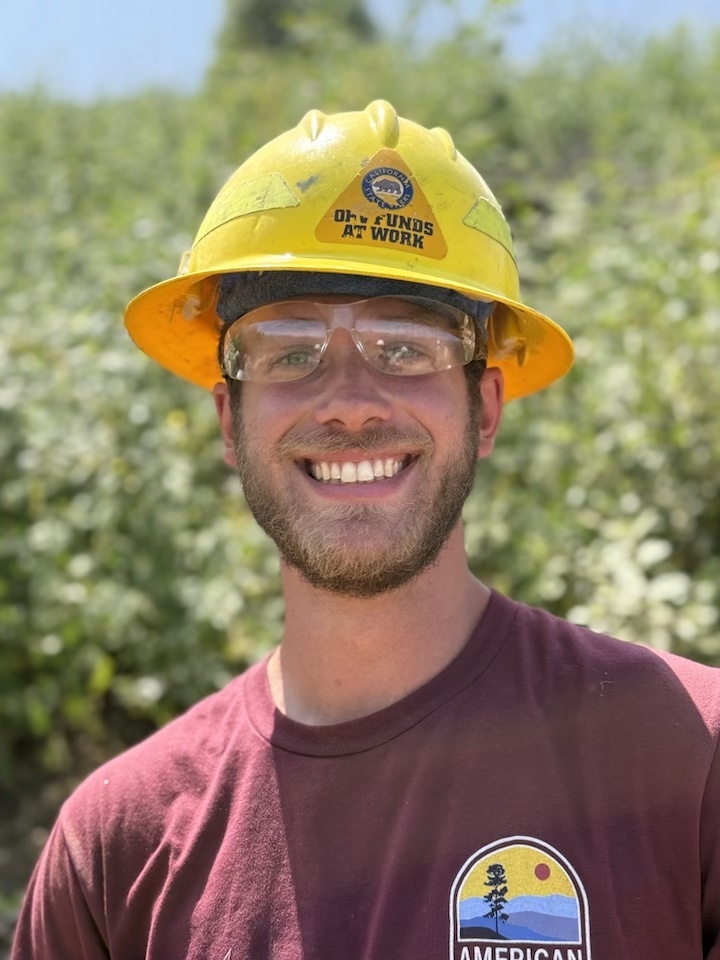
Image
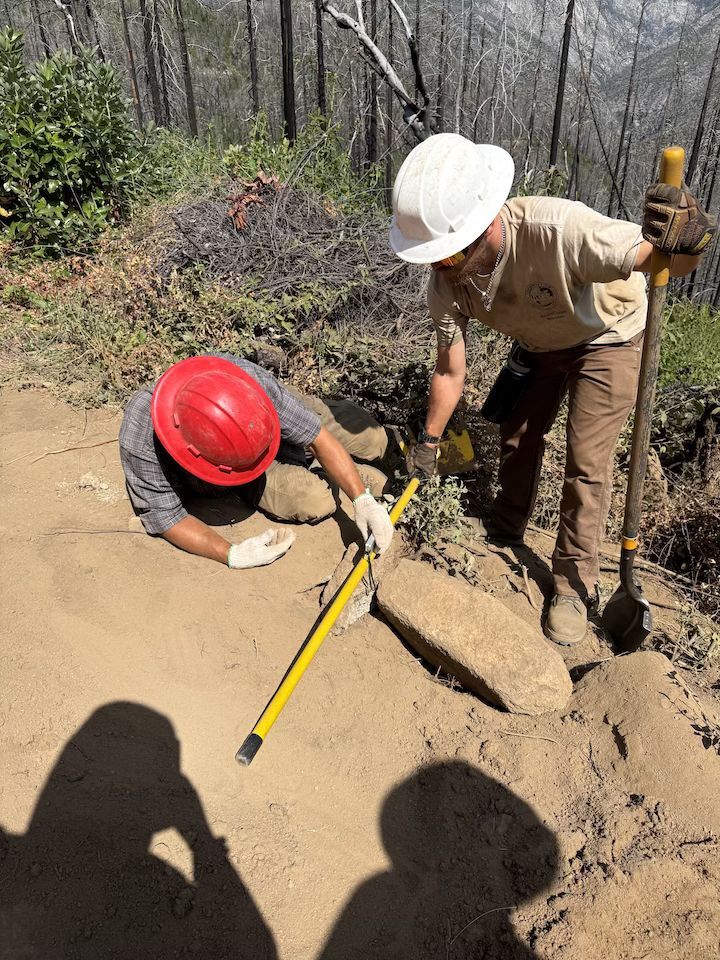
The end of a project like this is always bittersweet. You make new connections with amazing people and then you all part ways. You make new connections with places and wonder if you’ll ever get to see how your work has held up. One thing for certain is that some of the folks we worked with that week will be land stewards for life and it’s an honor to have been a small part of their story and to have added them to mine.
If you’ve made it this far, I’m hoping that you’ve asked yourself, “How could we make this happen in our community?”. Because that’s what I’d like to share with you next. There are currently some huge speed bumps that will make the creation of a cost share agreement in your region a long game. These things take time so start building that foundation now and be ready when opportunity strikes.
Chris and Garrett’s Secret Trail Recipe
Ingredients:
1 USFS District Ranger or Recreation Lead with a desire to work with you and a strong knowledge of funding streams.
1 Local conservation/trails advocate who is patient, solutions focused and community minded (You).
1 contact at IMBA (Marty, mentioned above, is a great place to start!)
1 Download and review of the following USFS programs/documents/ingredients:
Ten Year Trail Challenge
National Trails Stewardship Act
National Strategy for a Sustainable Trail System
1 heaping bucket of time.
A sprinkling of meetings
Preheat your oven to approximately 1282 days from now.
Tips:
1. While you’re waiting on that, if you don’t have a relationship with your local Forest, reach out to IMBA to help connect you with someone in the agency in your region.
2. Connect the USFS Champion, Local Advocate and IMBA contact through a sprinkling of meetings during which you will develop the plan for collaboration and partnership
3. Repeat step 2 until a draft of a collaboration and a partnership (Volunteer Agreement) has been developed.
4. When the oven is preheated, work with your USFS champion to research funding streams for the program.
5. Ask your Forest what help they need with trails and start planning trail maintenance workshops in your region with IMBA, USFS and your other local outdoor organizations
6. Take your friends out on a trail to see and enjoy your region’s outdoor recreation opportunities.
Image
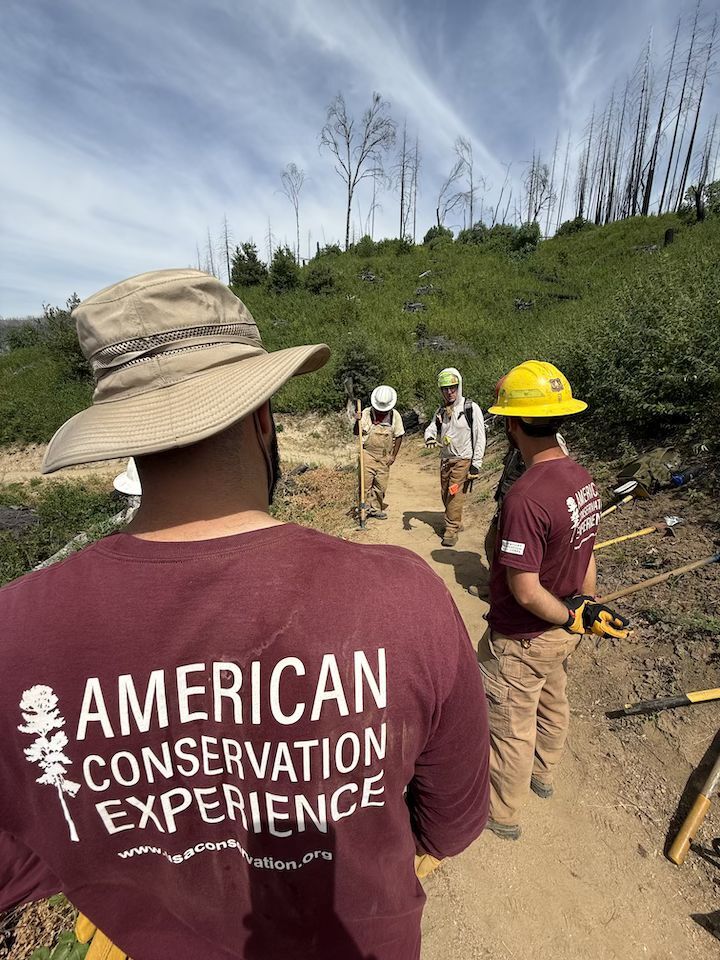
A few years is a long time to wait but there are alternate ways to host trainings like these in your community while you wait for the oven to preheat:
- If you’re in region 5 (California), get in touch with your local District Ranger or Recreation Staff and ask them to put in a request for a training with IMBA. The request has to come from the Forest Service.
If you’re not in region 5, you still have access to IMBA Trail Care Schools. Consider partnering with a variety of local conservation and recreation organizations to build community and share resources. The base cost for an IMBA Trail Care School is around $5400 (in 2025) and that covers one instructor, up to 12 participants and 2 days of instruction. These classes can be tailored to larger groups, longer timelines and include multiple instructors based on need. If you’re interested in bringing an IMBA instructor to your community: Bring an IMBA Trail Care School to You!
While this recipe is not the easiest out there, if completed, it could have an impressive impact on your region. Resilient and sustainable trails benefit the environment, the trail users, the trail stewards and communities with positive health and economic impacts. All of these great things start with educating and training the folks who have a passion for playing/working outside. Added bonus if they continue on to become educators themselves, teaching new trail stewards.
Chris Orr said it best when I asked him why this cost share agreement and teaching folks how to build sustainable trails was important:
“It’s important because trails in addition to outdoor recreation and the outdoor recreation economy are supported by a skeleton crew of public servants, non profits and volunteers. That skeleton crew has just had an arm and leg cut off in 2025. Bringing people together to care for and steward our public lands is more important now than it’s ever been.”