Mountain Bikers Riding Bikes Talking Trails
The Mid-Atlantic gets maybe two snow days per year. Sometimes, even donning shorts is a possibility in December. So, it didn’t seem like there’d be any issue scheduling the much anticipated IMBA Trail Care Workshop mid-month, given the region’s typical forecast.
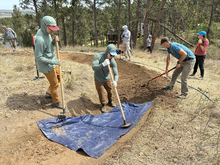
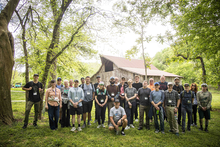
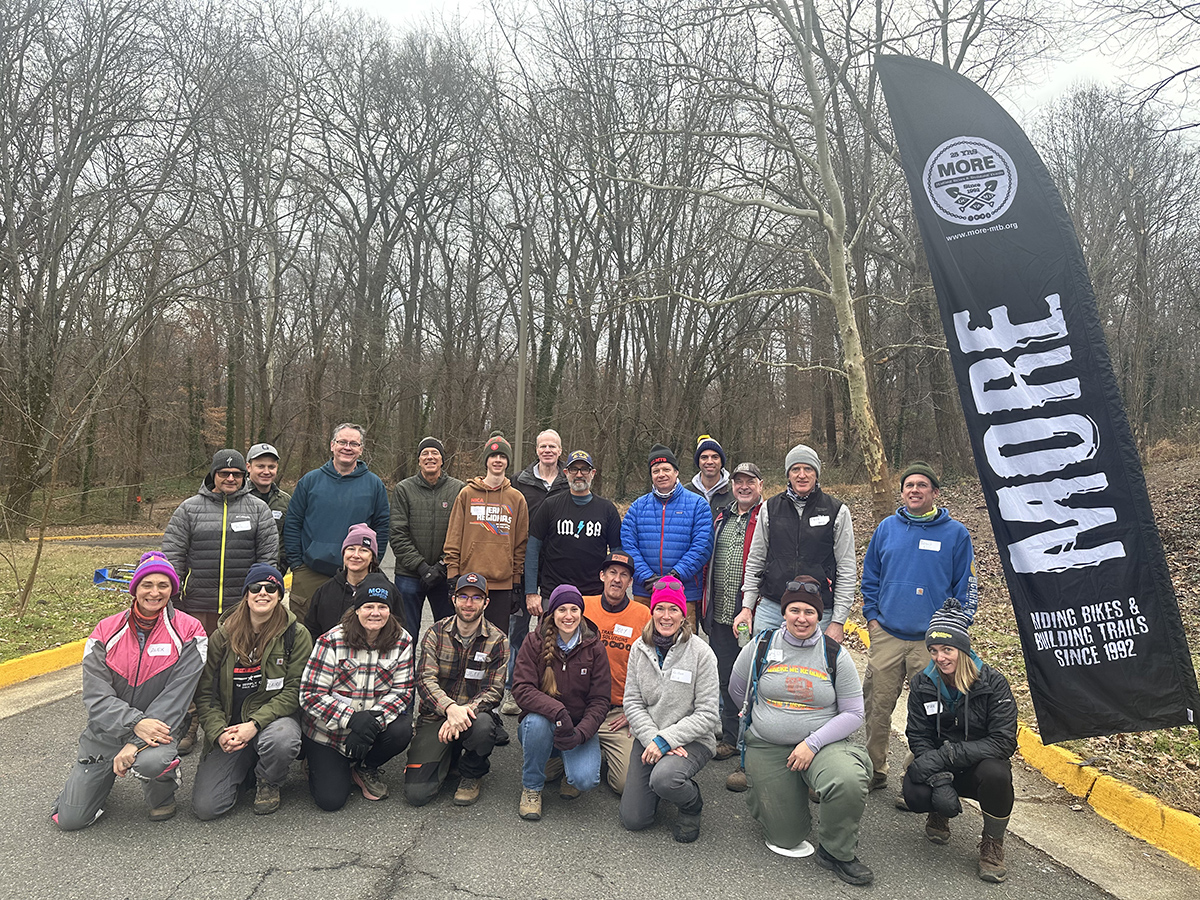
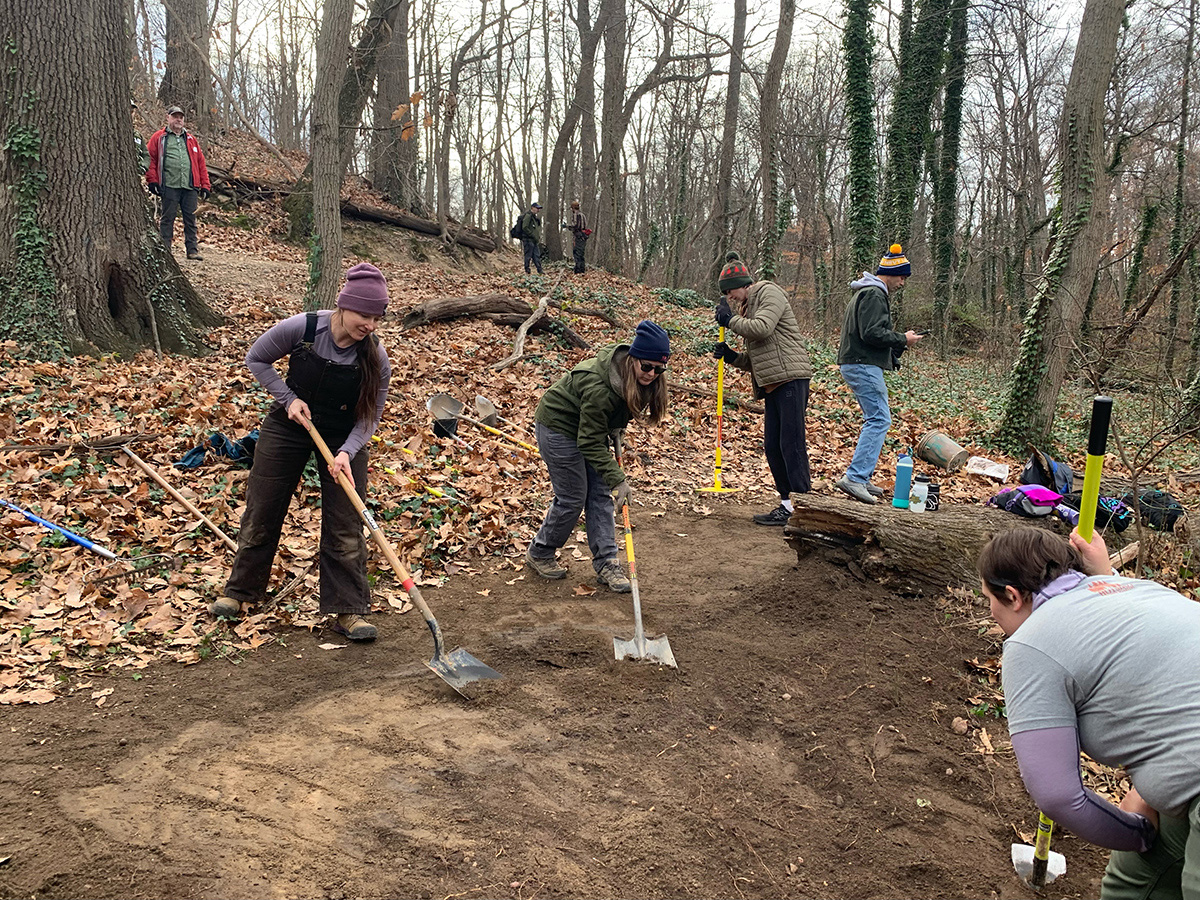
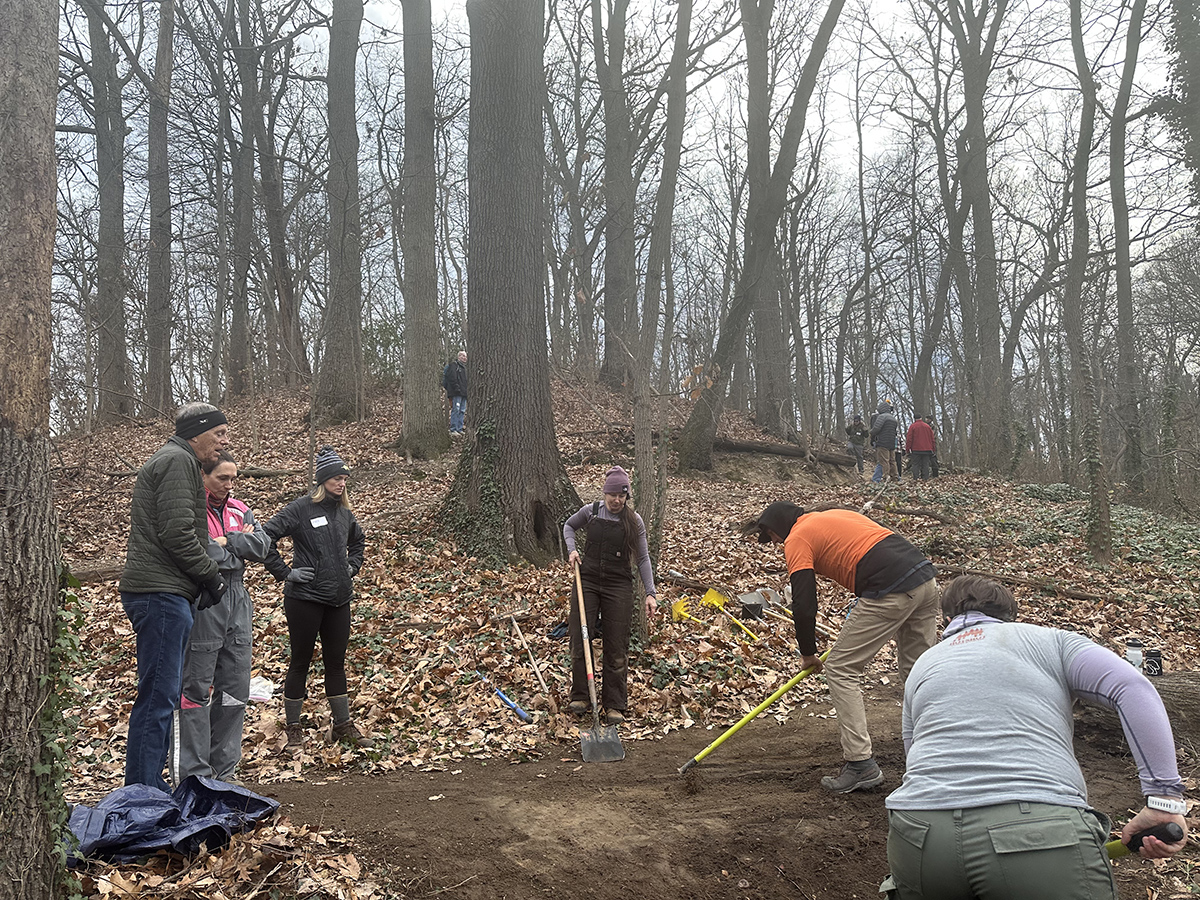
As luck would have it, the workshop fell in lockstep with a burgeoning snow day. While most in the area were hunkering down, a dedicated group of 20 volunteers gathered at Mount Vernon District Park, trading the warmth of their living rooms for these two days of trail evangelism. Hosted by the Mid-Atlantic Off-Road Enthusiasts (MORE) and led by IMBA’s Joey Klein and WVU’s Rich Edwards (formerly of IMBA), this specialized training was the first for the area in 12 years.
Image
Double Duty Exercise
This workshop was made possible by a new evolution in IMBA’s Trail Accelerator Grant (TAG) program. For the first time, TAG funding was deployed specifically for education, shifting the focus from creating new trail system concepts through planning and design to empowering the people who steward beloved systems near them.
For MORE, the application process itself became an internal capacity-building exercise. Jali Fernando, MORE’s Executive Director, used the grant application as a training tool for the organization’s new part-time administrative coordinator, Alison Wells, who was eager to learn the ropes of fundraising. She noted that the application was "an easy thing to practice on," demonstrating that these resources are within reach for local clubs looking to upskill their volunteers. MORE was one of three organizations to receive this education-specific funding during the 2025 Trail Accelerator grant cycle.
Image
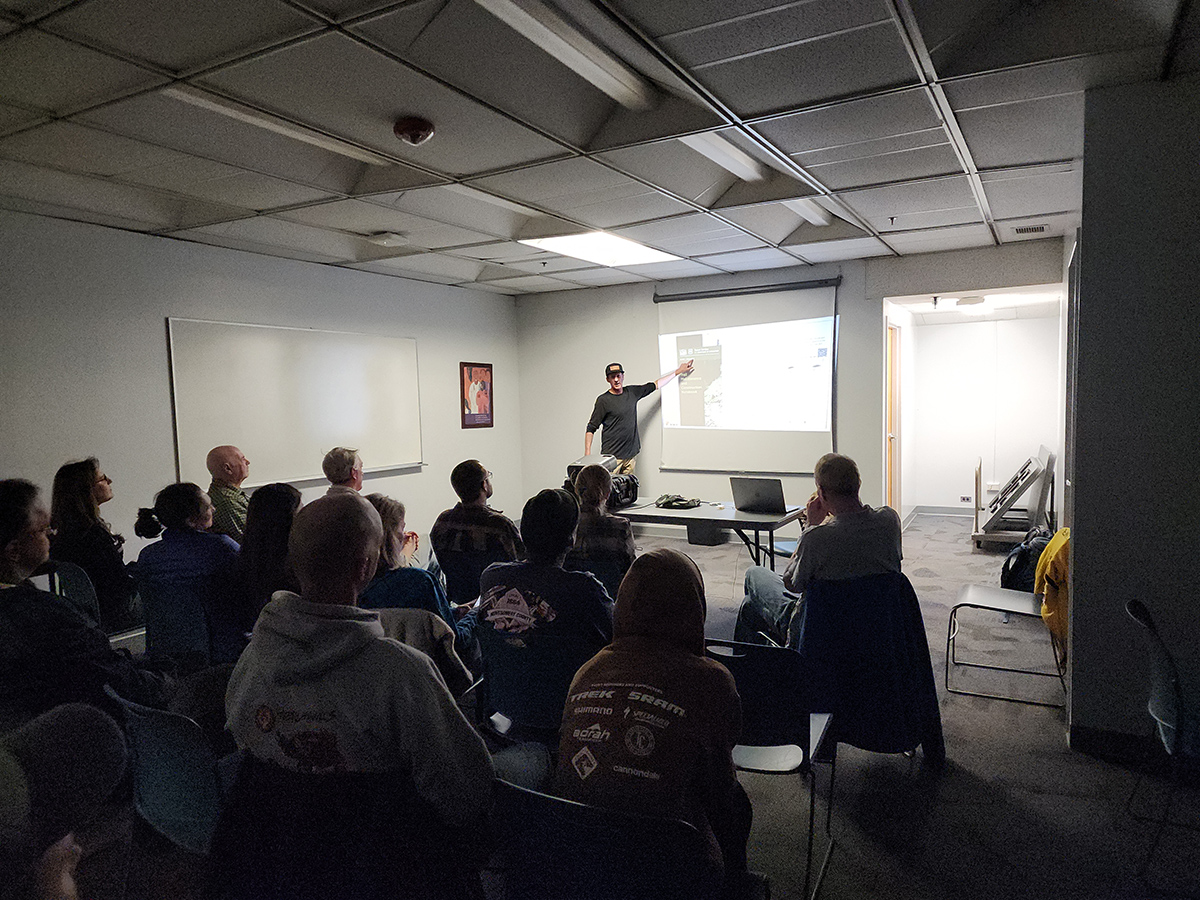
The Classroom in the Woods
Mount Vernon District Park served as an idyllic "sandbox" for the curriculum: centrally located and punctuated by solid land manager relationships. The park allowed the group to dive deep into the nuance of sustainable trail practices. This efficiency is vital for an organization of MORE’s scale. Responsible for stewarding over 930 miles of trail across 63 systems, MORE utilizes a 'co-liaison' model, recognizing that the workload for a single park is often too heavy for a single volunteer to handle. This means facilitating over 17,000 volunteer hours annually. This workshop offered a chance to continue to refine their approach and introduce professional training for new stewards.
Image
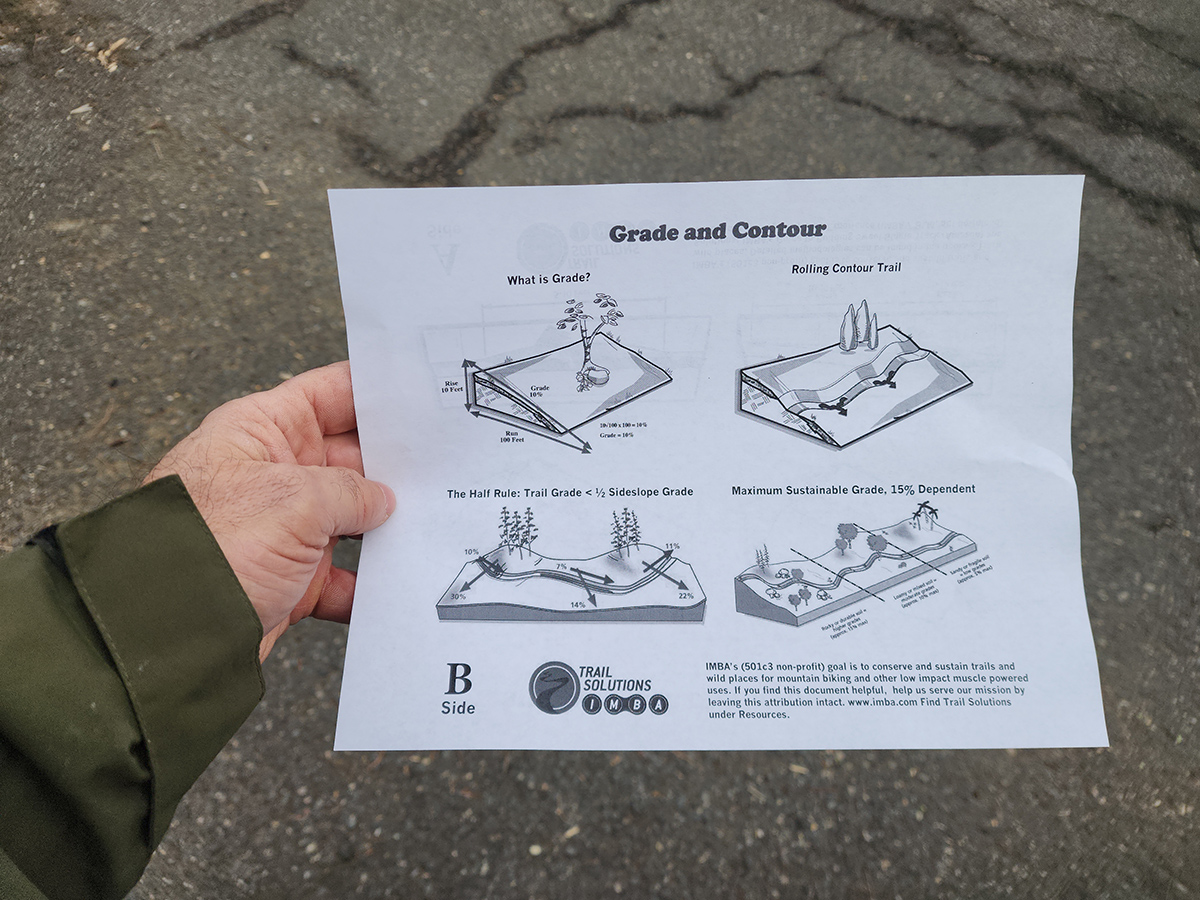
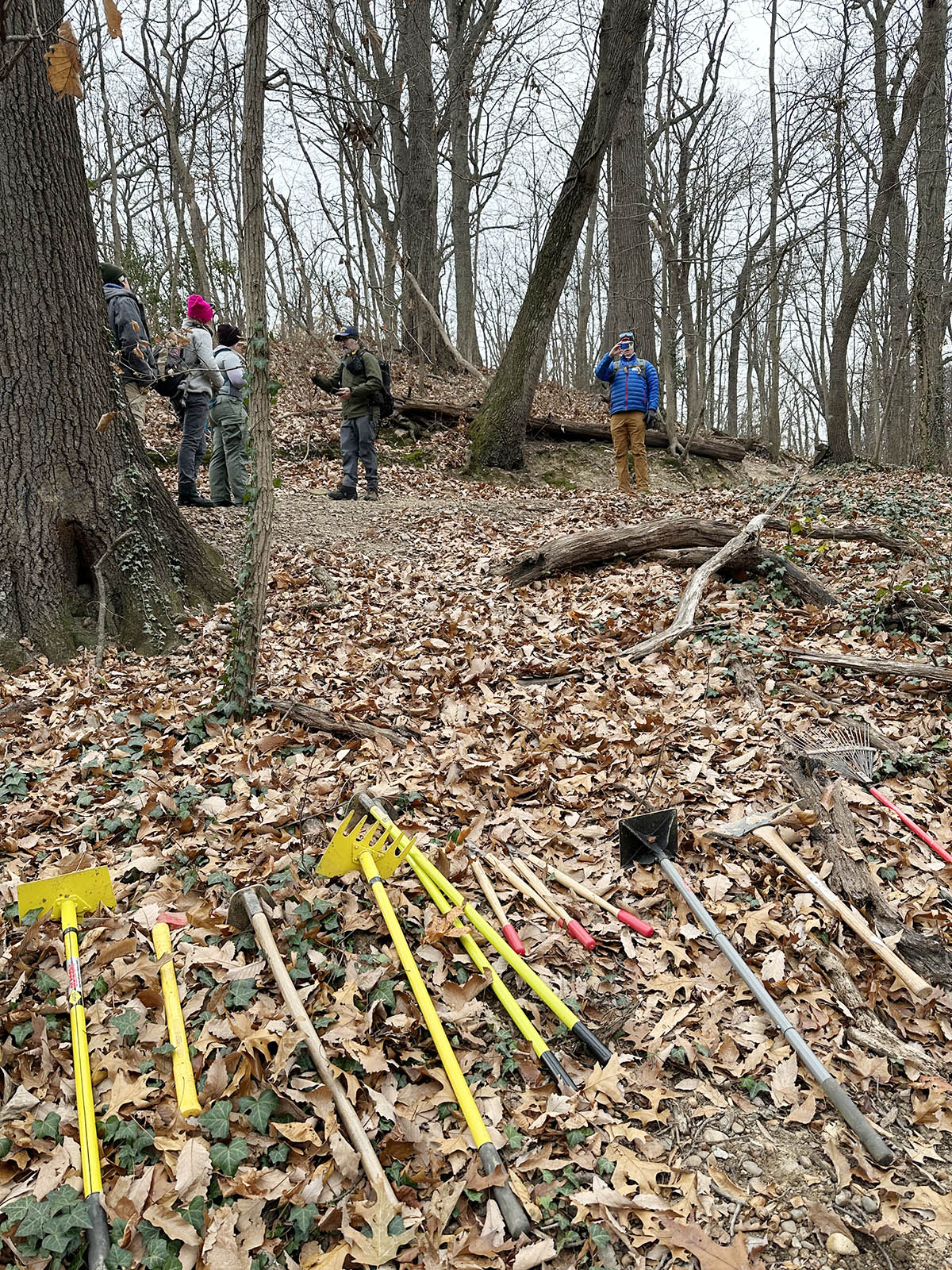
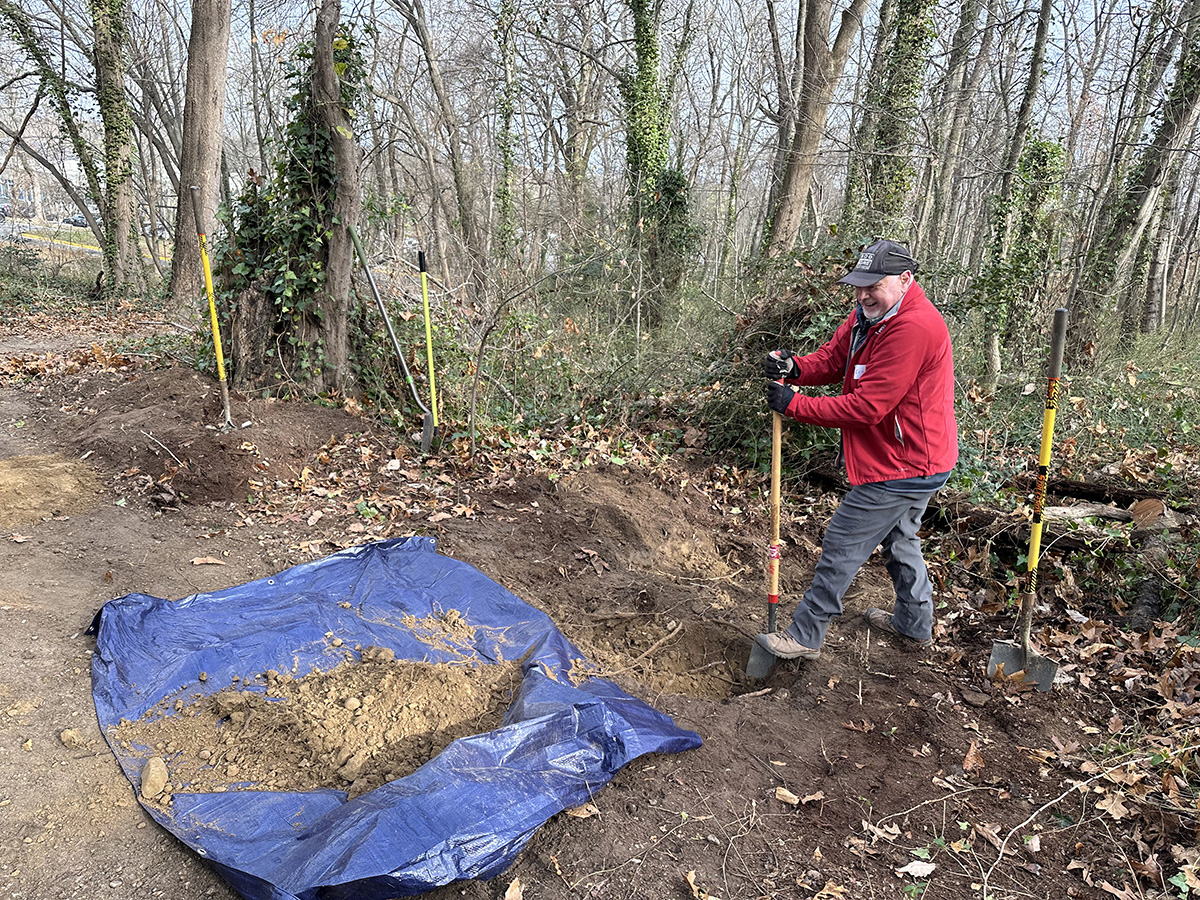
"I learned a lot of new terms and strategies," said Kristen Ellis, a MORE trail liaison and the Teen Trail Corps Coordinator for the Maryland Interscholastic Cycling League. "[The Trail Care Workshop] spanned broad techniques down to the nitty-gritty." One of those nitty-gritty lessons happened before a single tool touched the ground. Jali Fernando, MORE’s Executive Director, noted the efficiency of a 'mise en place' method taught by the instructors—organizing tools and logistics beforehand so the work day flows like a well-run line service.
Image
Image
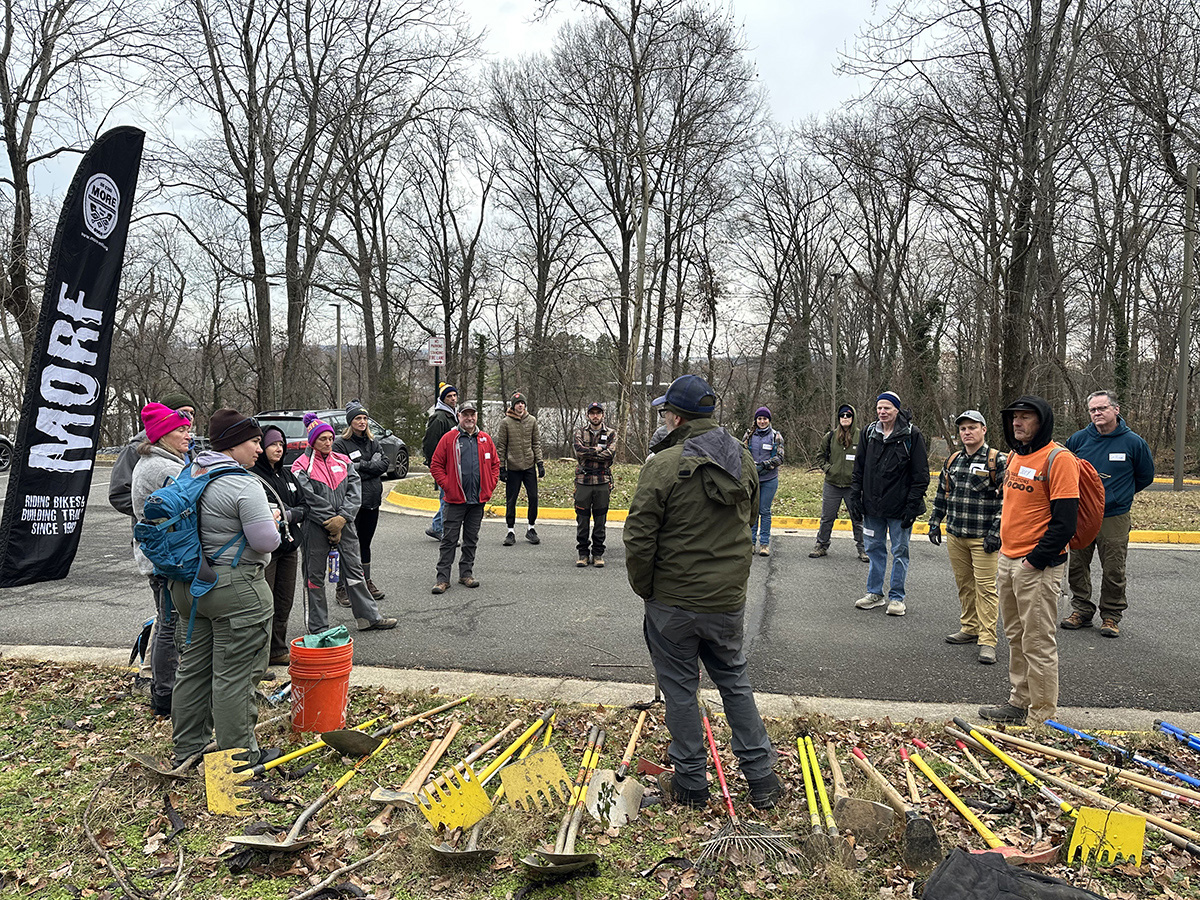
This on-site instruction also forced volunteers to shift their gaze. While trail work often demands staring at the dirt, Edwards taught the group to 'look up,' scanning the canopy for dead trees before establishing a work zone. It was a chillingly relevant lesson: shortly after the workshop, a falling tree crushed a bridge volunteers had recently repaired—a reminder that in these woods, sustainability isn't just about water management, but situational awareness.
Image
A Changing Guard & Inspiring the Next Generation
While the technical skills—improving drainage, managing water with grade reversals, and proper tool use—were vital, the workshop highlighted a deeper shift within the community. Ernie Rodriguez, a longtime MORE volunteer and former president, saw the gathering as a celebration of new energy.
Image
"To me, the greatest celebration was the number of women involved," Ernie said. With nine women in attendance, including Jali and Kristen, the workshop reflected a growing diversity in trail leadership. Ernie, who freely admits he was there as much for the camaraderie as the content, emphasized that this inclusivity is key to the organization's future success.
For Kristen Ellis, the workshop provided a roadmap for engaging the next generation of stewards. As she formalizes the Teen Trail Corps programming for the Maryland league, she is focused on helping young riders connect the dots between the ride and the work.
"Trails don’t build themselves," Kristen said, referencing a sign they place at race venues. She noted that for many student athletes, realizing they are responsible for even ten feet of trail can be a transformative experience. "Taking ownership of the trails makes these kids feel so good," she added. Kristen plans to incentivize youth participation and develop a "trail captains" program with the goal of creating a culture where digging is just as celebrated as racing.
Image
The Ripple Effect
The true impact of the Trail Care Workshop at Mount Vernon extends far beyond the knicks and dips of that weekend. It lies in IMBA’s "train the trainer" model. The 20 attendees, already leaders in their own right, will now take these lessons back to their local crews, spreading professional-grade knowledge across the Mid-Atlantic.
Interested in partnering with IMBA for a Trail Care Workshop?
The next round of Trail Accelerator Grants for education will be open in April. Learn more about these grants here: