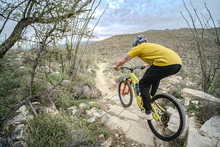
Mountain Bikers Riding Bikes Talking Trails
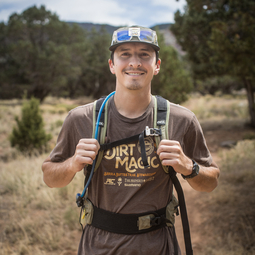
Editor’s Note: Cory is one of IMBA Trail Solution’s hand crew members and will begin teaching Trail Care Schools in the coming weeks, leaning into his background of previous trail crew instruction. He had the opportunity to shadow IMBA’s Joey Klein and Chris Orr during a recent U.S. Forest Service R5 training. These are his reflections from the event and photos.
I recently had the opportunity to participate in a Trail Care School put on by Chris Orr and Joey Klein on the San Bernardino National Forest in Big Bear, California.
Image
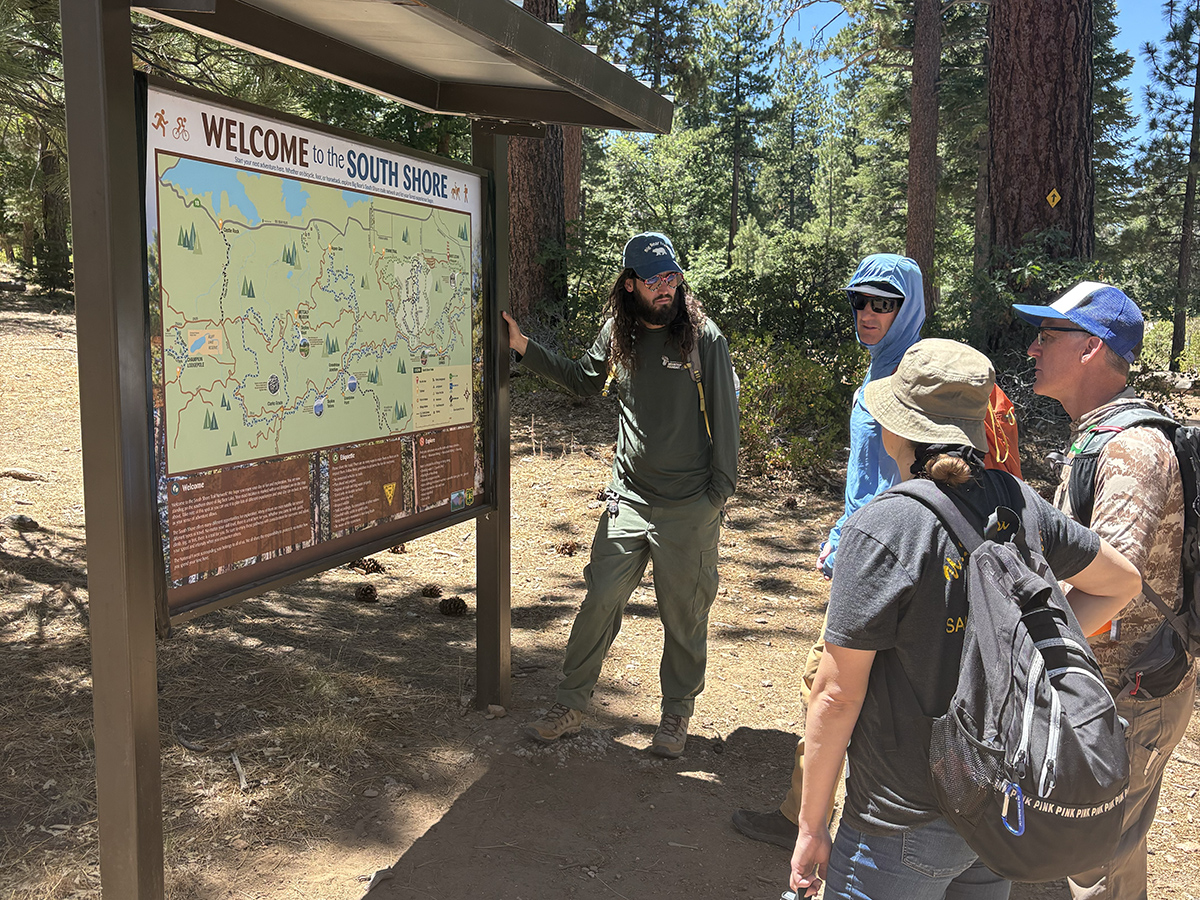
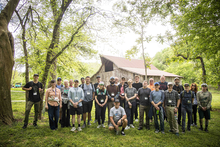
What a treat to hang with these two legends in California's Transverse Range. The program was organized as part of the Cost Challenge Agreement with the U.S Forest Service Region 5 and in partnership with the Southern California Mountains Foundation and the San Bernardino National Forest. It was a two part Trail Care School with a 3 day program for USFS staff and interns, SCMF staff, and Urban Conservation Corps members.
Image
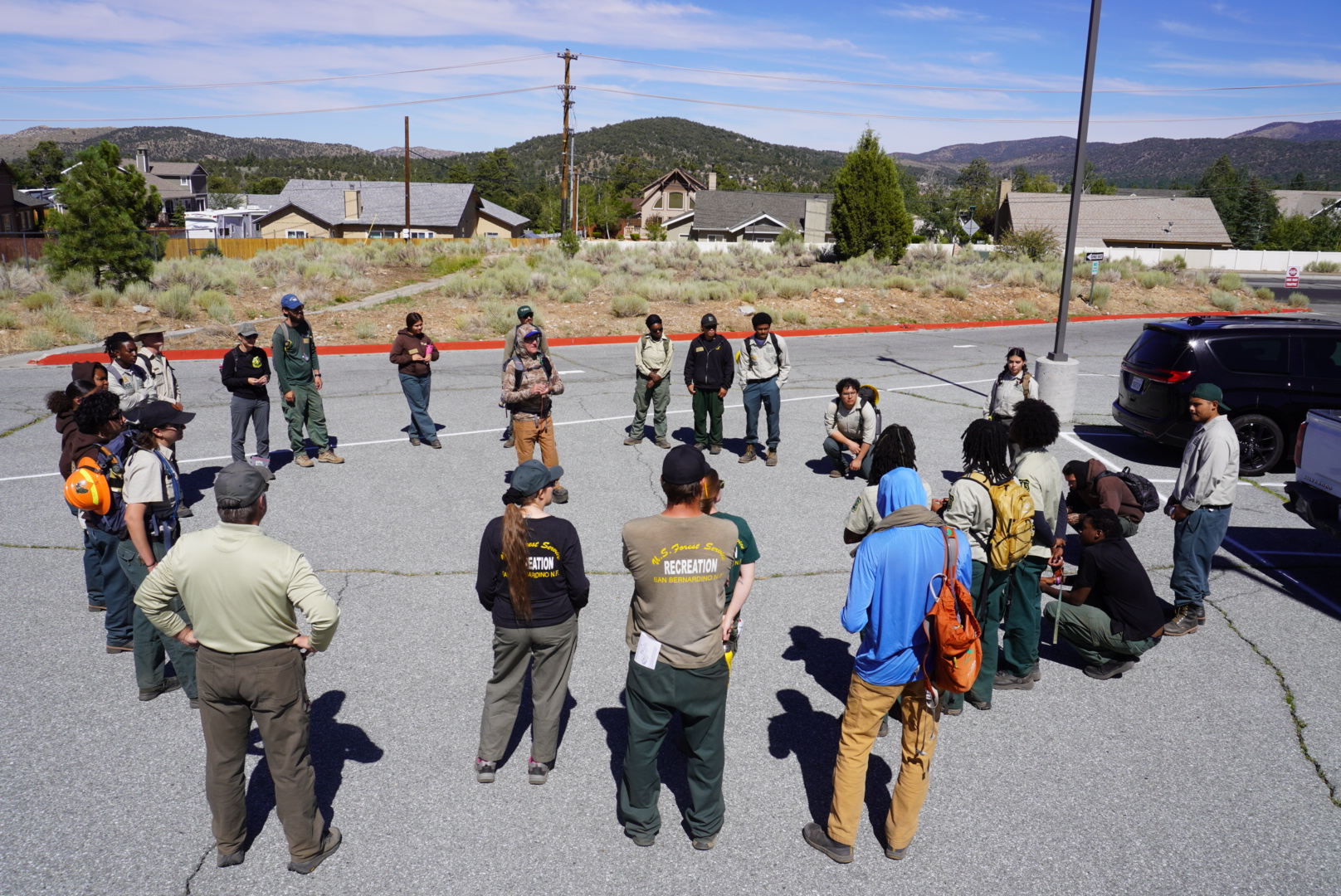
Over the weekend the guys condensed their program a bit and taught a two day school for local volunteer organizations who love and support the trails around Big Bear. Even a few U.S. Forest Service staff decided to continue participating over the weekend.
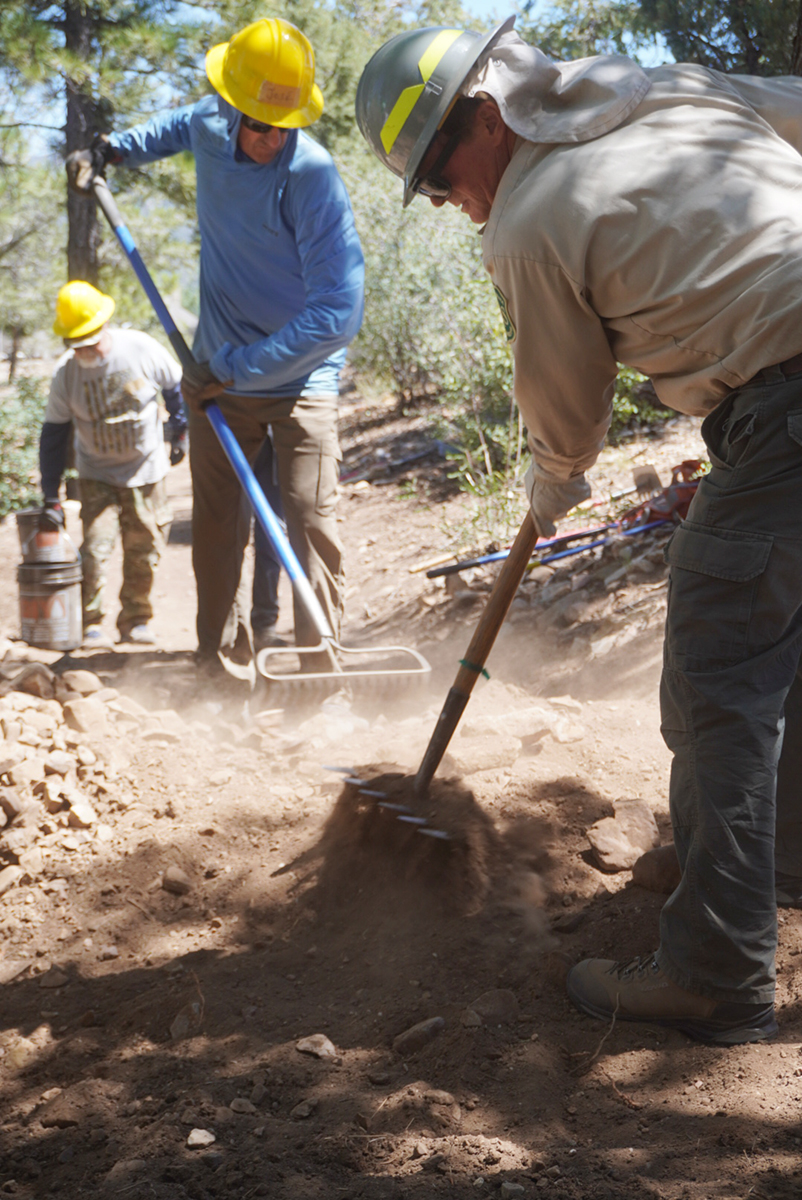
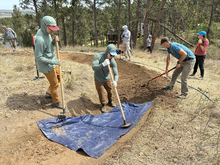
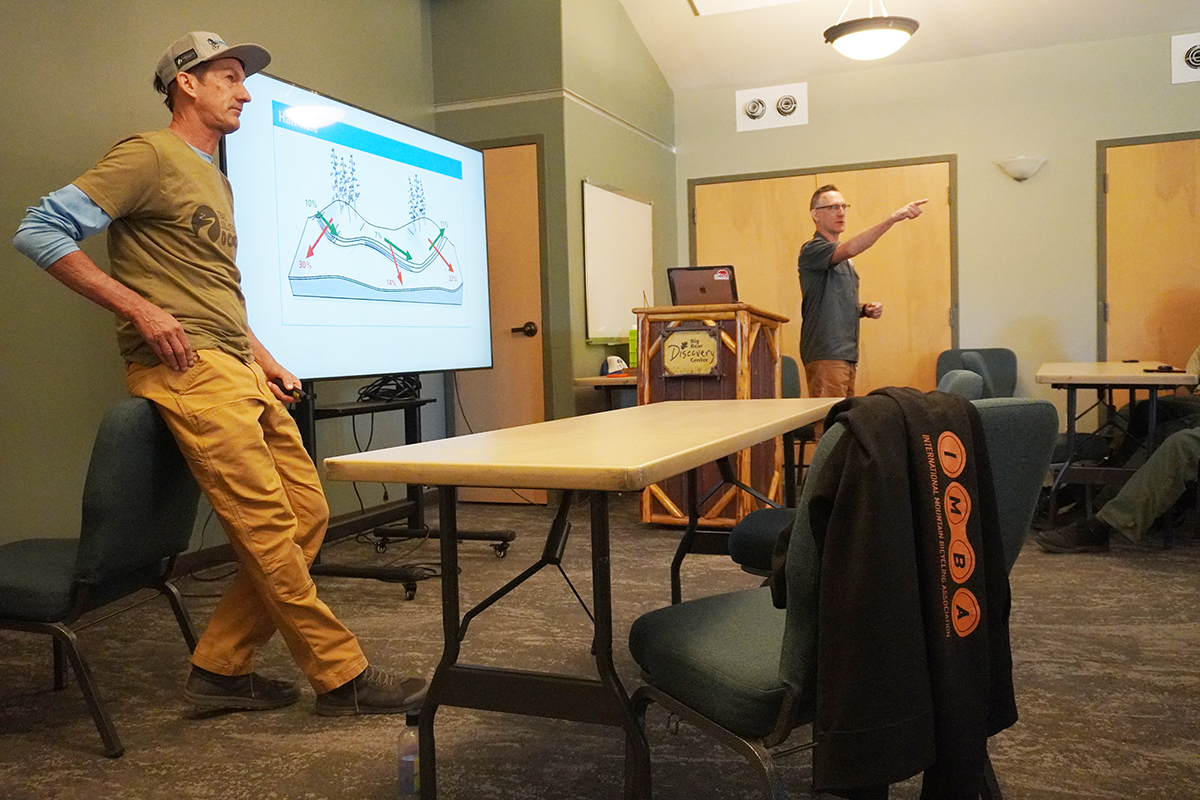
Joey and Chris were a privilege to shadow. They have a knack for keeping things fun and connecting with everyone in the room and out on the trail. It was a joy to see them deliver technical trail content in the classroom and witness many lightbulb moments for participants out on the trail when we got to digging.
Image
Image
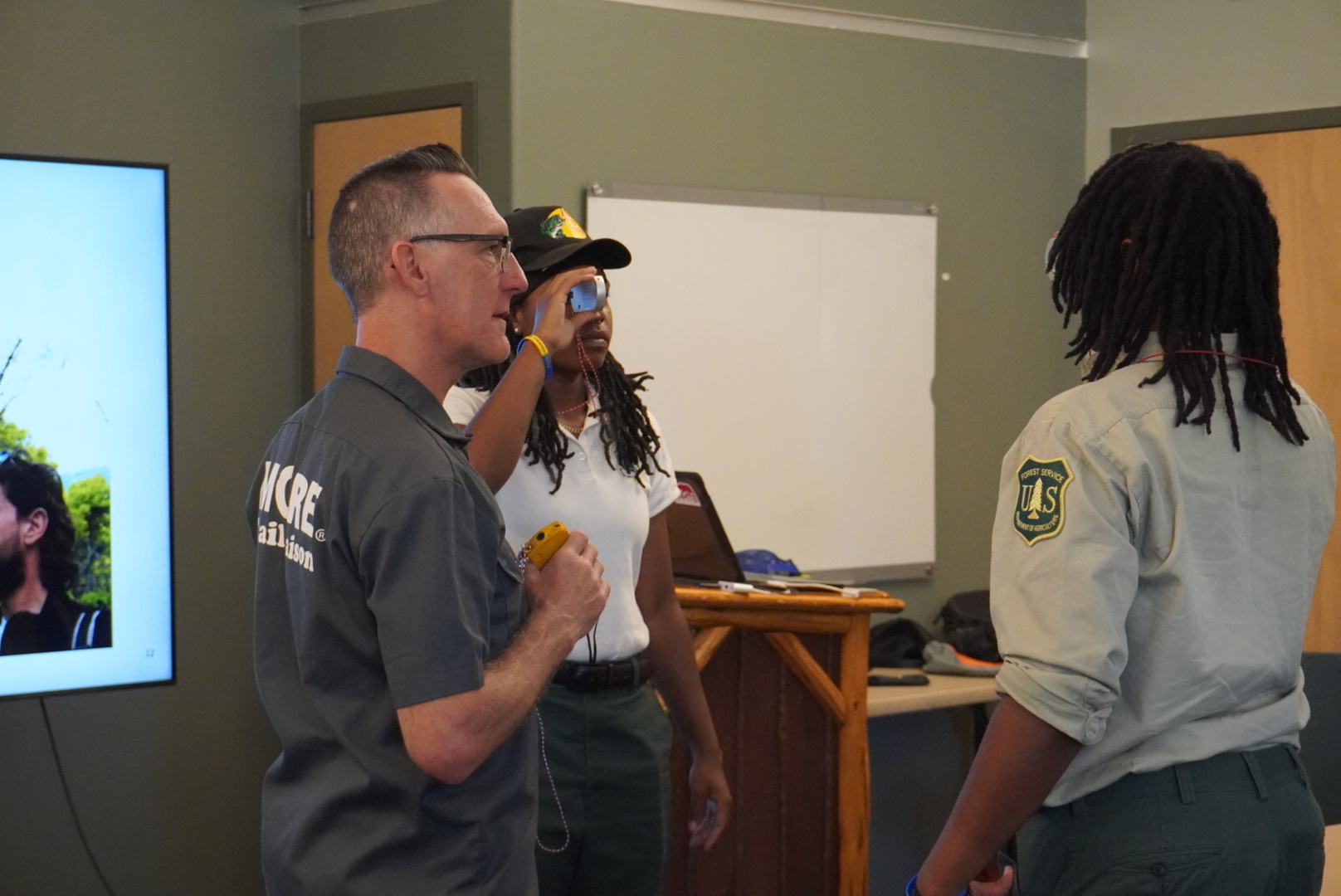
Seeing people gain the confidence to assess, plan, and address issues on the trail is a huge win. Giving these folks the tools to understand trail basics and address their local issues is what it's all about. A strength of the program is Chris and Joey's ability to teach people how to see trail, which is sort of the ultimate skill when building and maintaining trail. I got to witness people's eyes light up and begin honing that skill.
Image
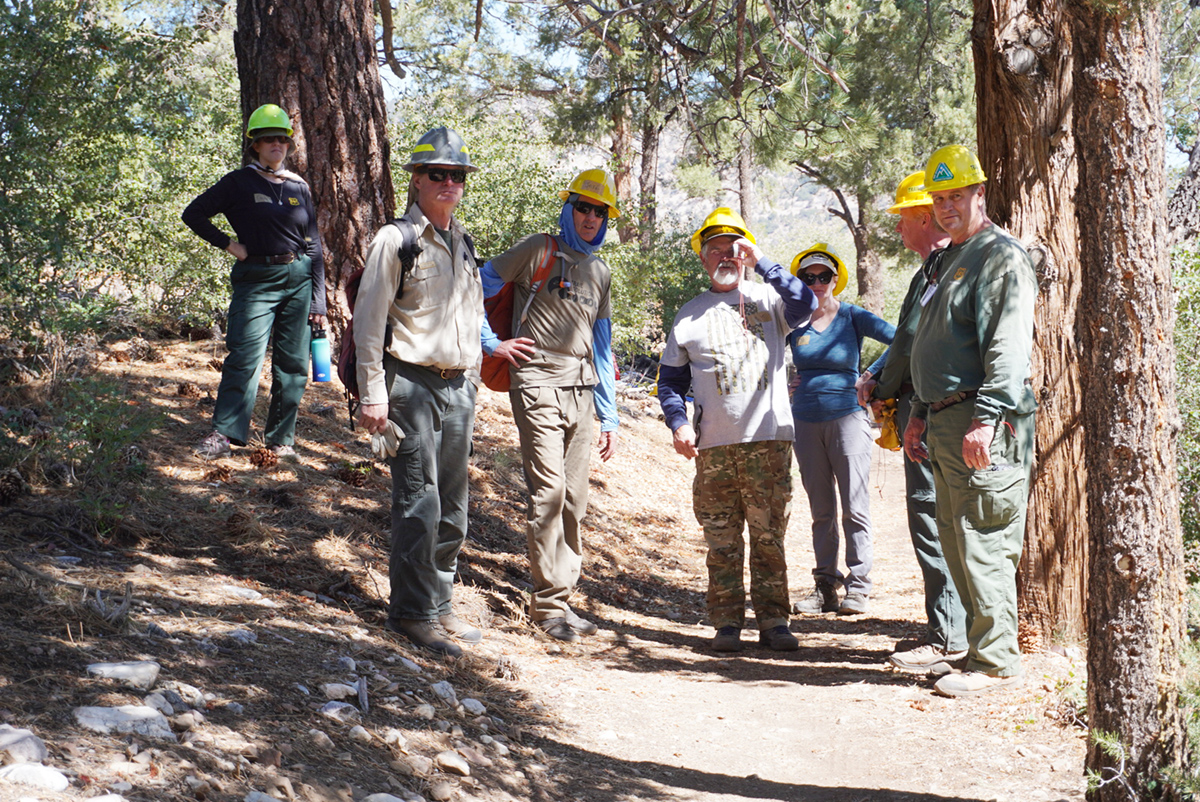
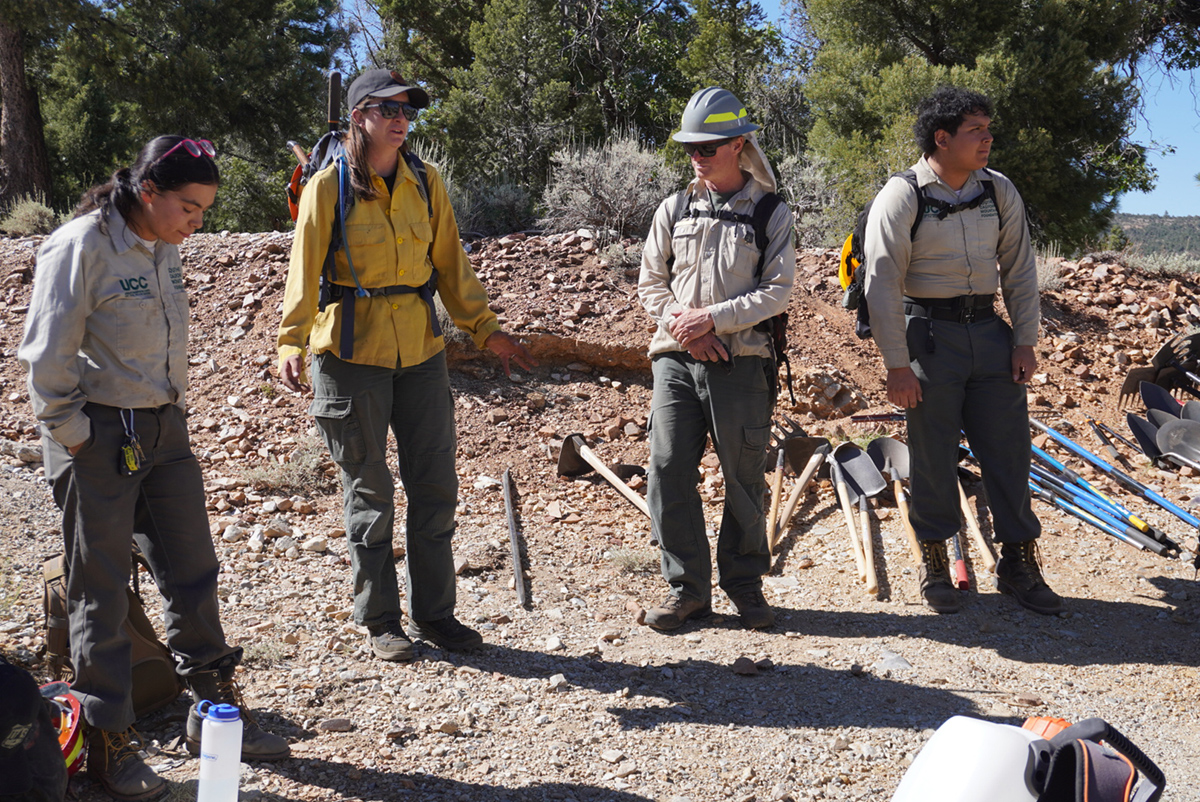
The other beautiful part of the program is watching the community build and strengthen when we start digging. The volunteers from the local orgs have brushed shoulders over the years no doubt, but giving them the opportunity to network, collaborate, problem solve, and ultimately sweat together is what will help them build bonds they will be able to lean on in the future when advocating for local trails. Trails connect A to B, but they also connect people.
Strengthening these connections is one of the crucial byproducts we get when we organize the community to learn trail skills.
Image
Image