Mountain Bikers Riding Bikes Talking Trails
Tripling the size of a park to create intentional, shared spaces for diverse usership requires patience, cross-partner consensus-building, and public trust. And, so far, the journey to expand outdoor access for residents and visitors just outside Hartford, Connecticut, is on the right track.
Lowlands, Rocky Foothills, and a New Frontier
Mono Pond State Park Reserve is named for the deceptively shallow yet sprawling body of water it surrounds. The pond’s stillness reflects the lush deciduous forest that surrounds it – an idyllic respite for neighboring communities. But, as Kimberly Bradley, the Trails and Greenways Coordinator for the CT Department of Energy and Environmental Protection (DEEP), points out, “Connecticut is a very dense population in a very small area. So I always try to explain that land is really one of our limiting resources here.”
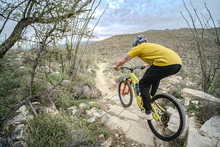
While the original 218 acres of lowland blueberry swamps and rocky foothills have long been a go-to for traditional users—offering opportunities for hiking, boating, fishing, hunting, and bird watching—dedicated trail access was sparse. Mountain biking, a growing recreational demand across the state, was largely overlooked.
Image
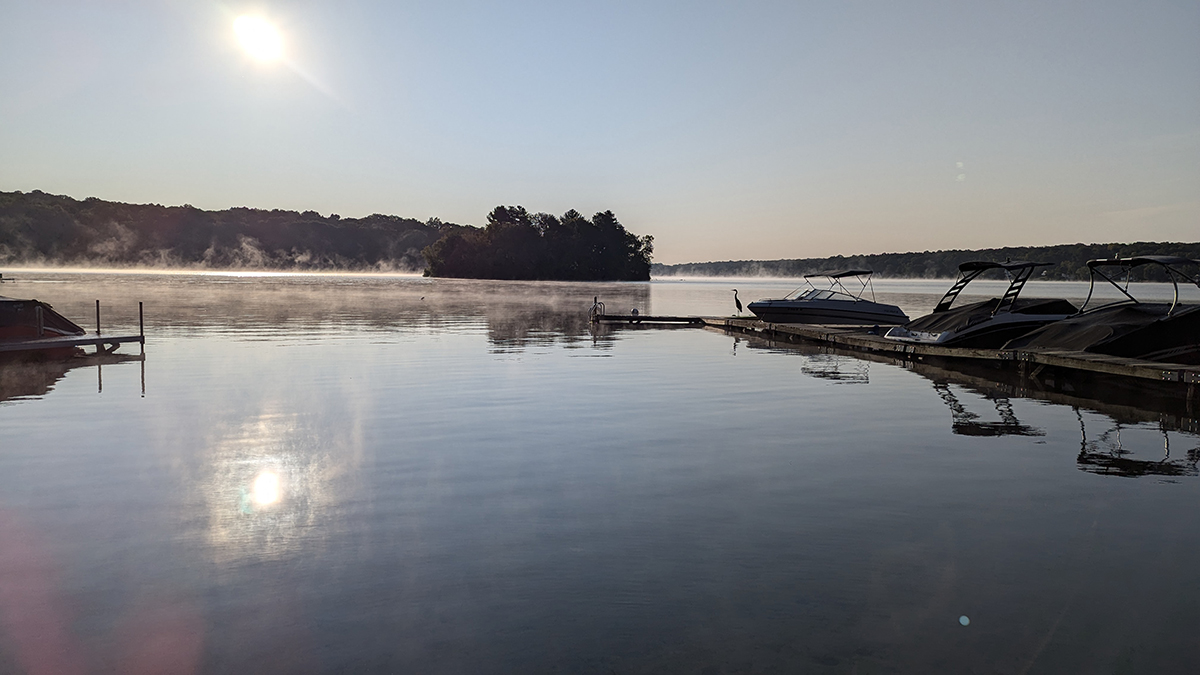
That changed in 2020. The Trust for Public Land (TPL), a crucial IMBA partner, collaborated with the Town of Columbia and Connecticut State Parks and Forest to permanently secure an additional 403 acres for public use, nearly tripling the reserve's size. Using funding from the federal Land and Water Conservation Fund, this expansion secured a massive, undeveloped canvas perfect for extending access and establishing the area as a regional outdoor destination.
Image
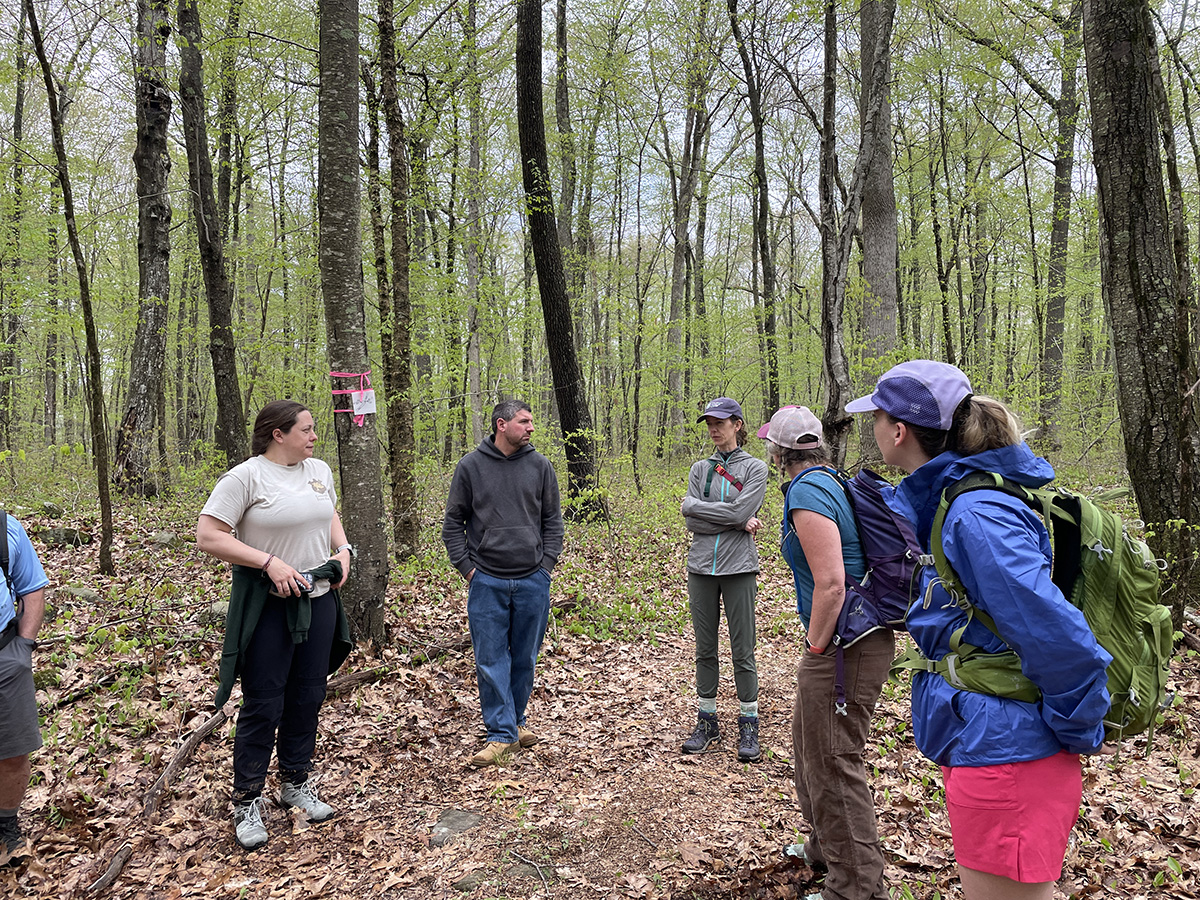
The effort to steward this expanded space is inherently communal. “To coordinate directly with DEEP, members of the conservation commission and the Town of Columbia, developed a group – The Friends of Mono Pond State Park Preserve,” Kimberly shared. For a project of this scale and complexity, establishing a community-led partnership is the gold standard for bringing diverse stakeholders together.
The Balancing Act: Proactive Trails vs. Passive Conservation
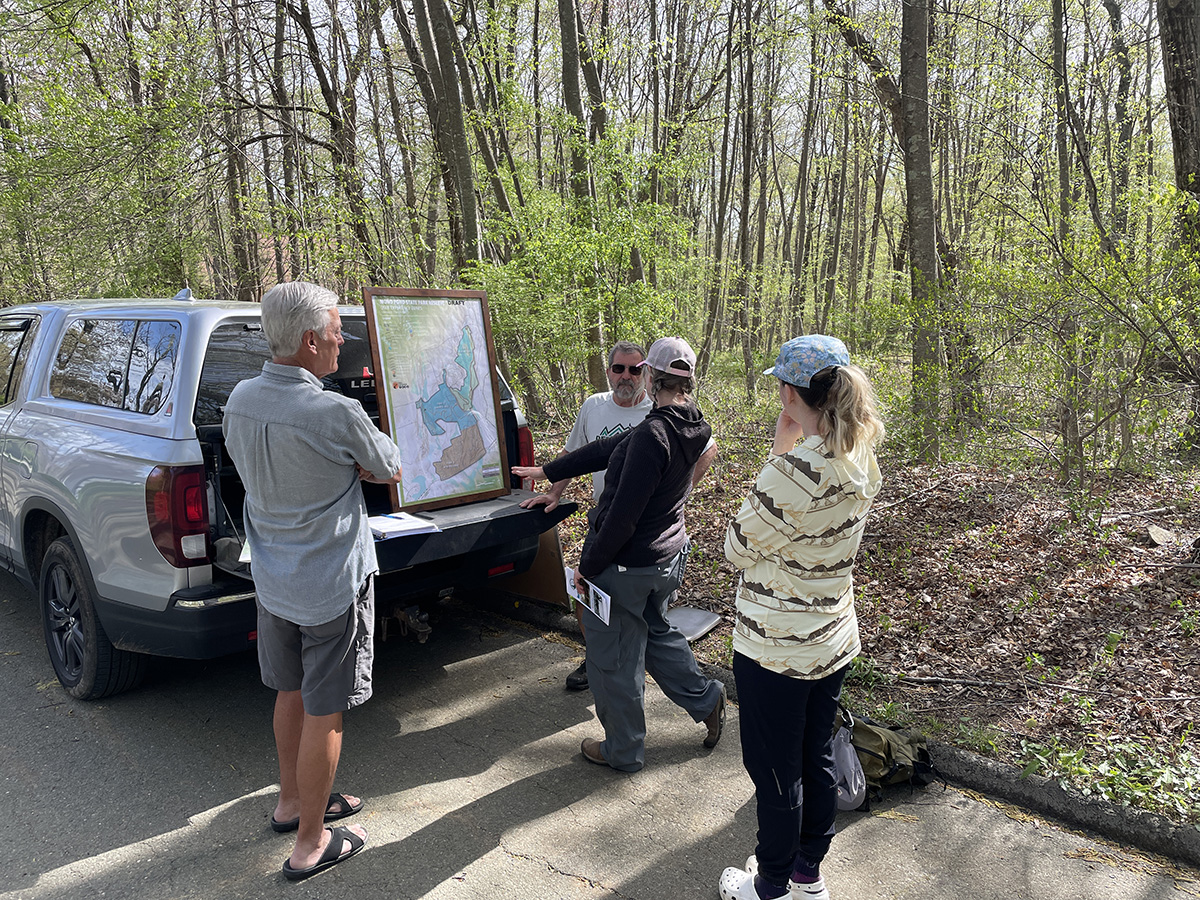
Community-centered planning was the center Bingo square for this project. The core challenge is striking a delicate balance: how do we protect the reserve’s natural resources while also providing meaningful recreational access?
Image
Image
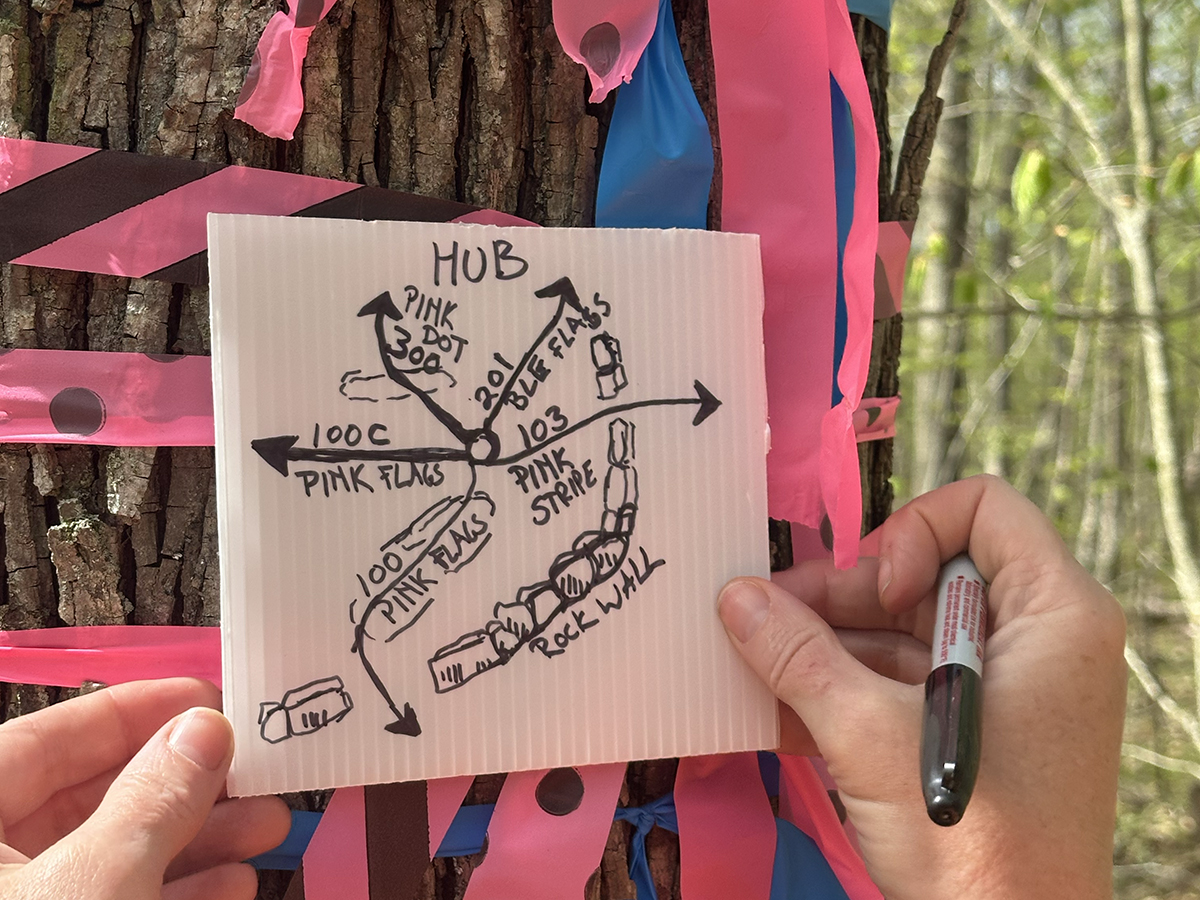
The planning & design team at IMBA Trail Solutions is no stranger to this approach. “They really know the strategies for doing public outreach and having a way of disseminating that public perspective,” said Kimberly. Crucially, the decision to develop trails here is about being proactive, not reactive. Without managed trail access, the land was already experiencing signs of unauthorized use. Creating an intentional, well-designed network is the best long-term conservation strategy.
The Lure of Connectivity
A massive, existing corridor anchors the new trail vision.
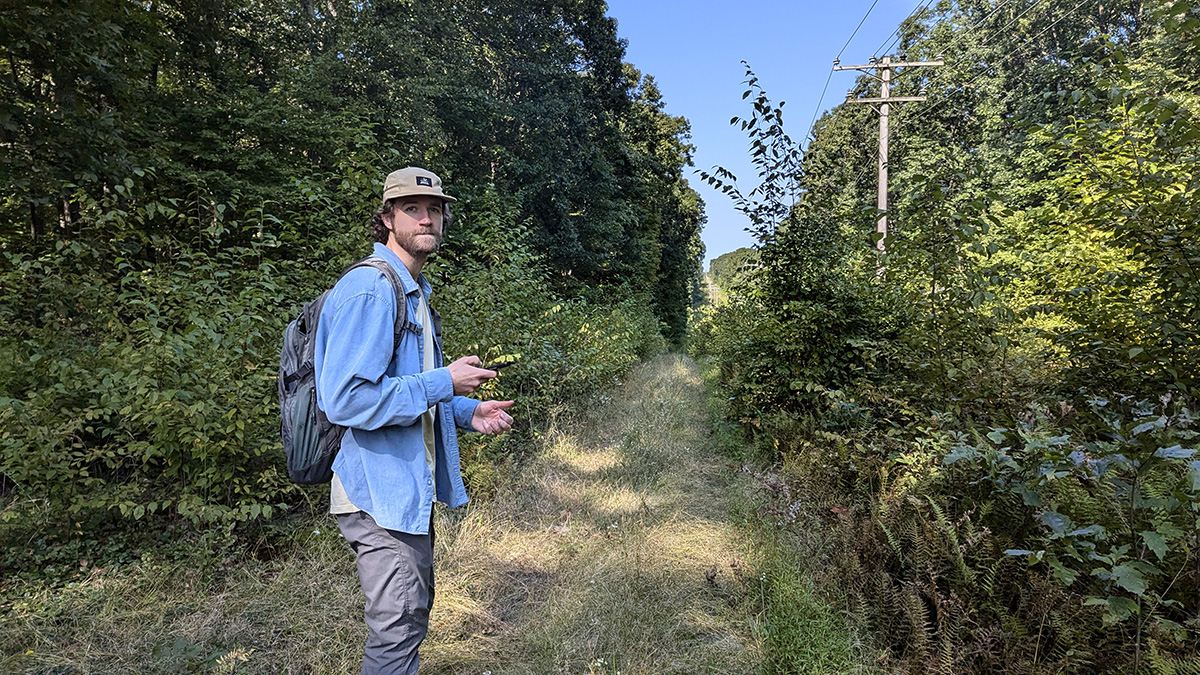
“First and foremost, you always look at connectivity when you talk about parks, trails and the resources around it,” said Jeremy Hall, Assistant Division Director of Operations at Connecticut State Parks. The solution was right next door: the Air Line State Park Trail, a 54-mile rail-to-trail corridor. Mono Pond will connect directly to this spine, instantly linking the new singletrack network to thousands of residents.
Image
Image
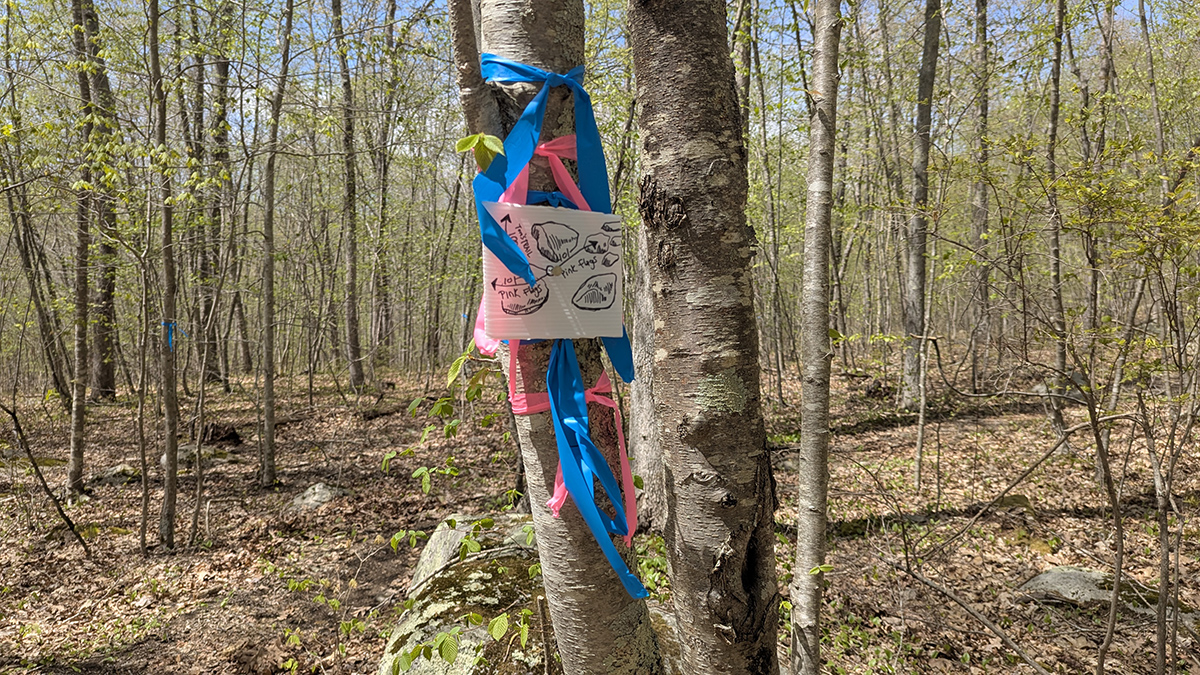
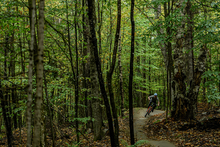
“Trails have been there, but I think the vision of what we can do with mountain biking trails is exciting for us,” Jeremy added. This plan brings that excitement to life. Planners Liz Grades, Matt Brabender, and Sarah Drew have worked since September 2024 to design a concept that includes a looped system for beginner and intermediate shared-use trail and four bike-optimized lines that will serve the full span of rider abilities.
Image
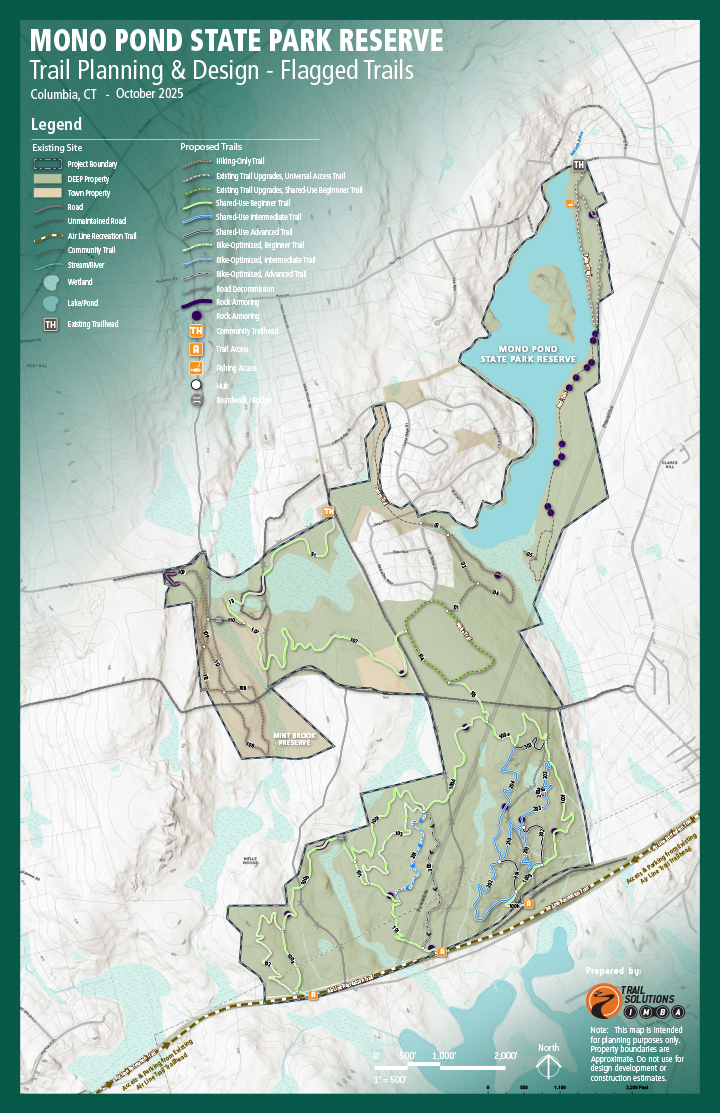
This design ensures that everyone—from the casual hiker to the enthusiastic mountain biker—can find a rewarding experience while minimizing ecological impact.
Next Steps & How to Engage
The project is currently in the conceptual design phase, a critical moment when all partner agencies provide final internal feedback before moving forward.
The best way to see the results of this landmark collaboration is to attend the Community Open House on November 6, 2025, in Columbia, CT, where residents will have the opportunity to meet the planners and interface with the final concept plan.
For more information on the park, visit: https://ctparks.com/parks/mono-pond-state-park
Interested in teaming up with the trails team at IMBA? https://www.imba.com/programs/trail-solutions