No Sidelines
In the world of trails, there are those who dig in order to ride, and others who take it a step farther through more intentional advocacy and stewardship. Valley Mountain Bikers (VMB) proved their commitment to the latter this April.
VMB, one of the first IMBA Local Member Organizations awarded an IMBA Trail Accelerator Grant (TAG) for education programming, utilized the grant to host an IMBA Trail Care Workshop in Allentown, PA. Led by Joey and Cory from IMBA Trail Solutions, the workshop brought together trail champions from the region to teach them techniques for more sustainable, easier to maintain, and more fun to ride community trails in Pennsylvania’s Lehigh Valley.
Image
Perception of Difficulty
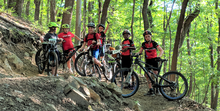
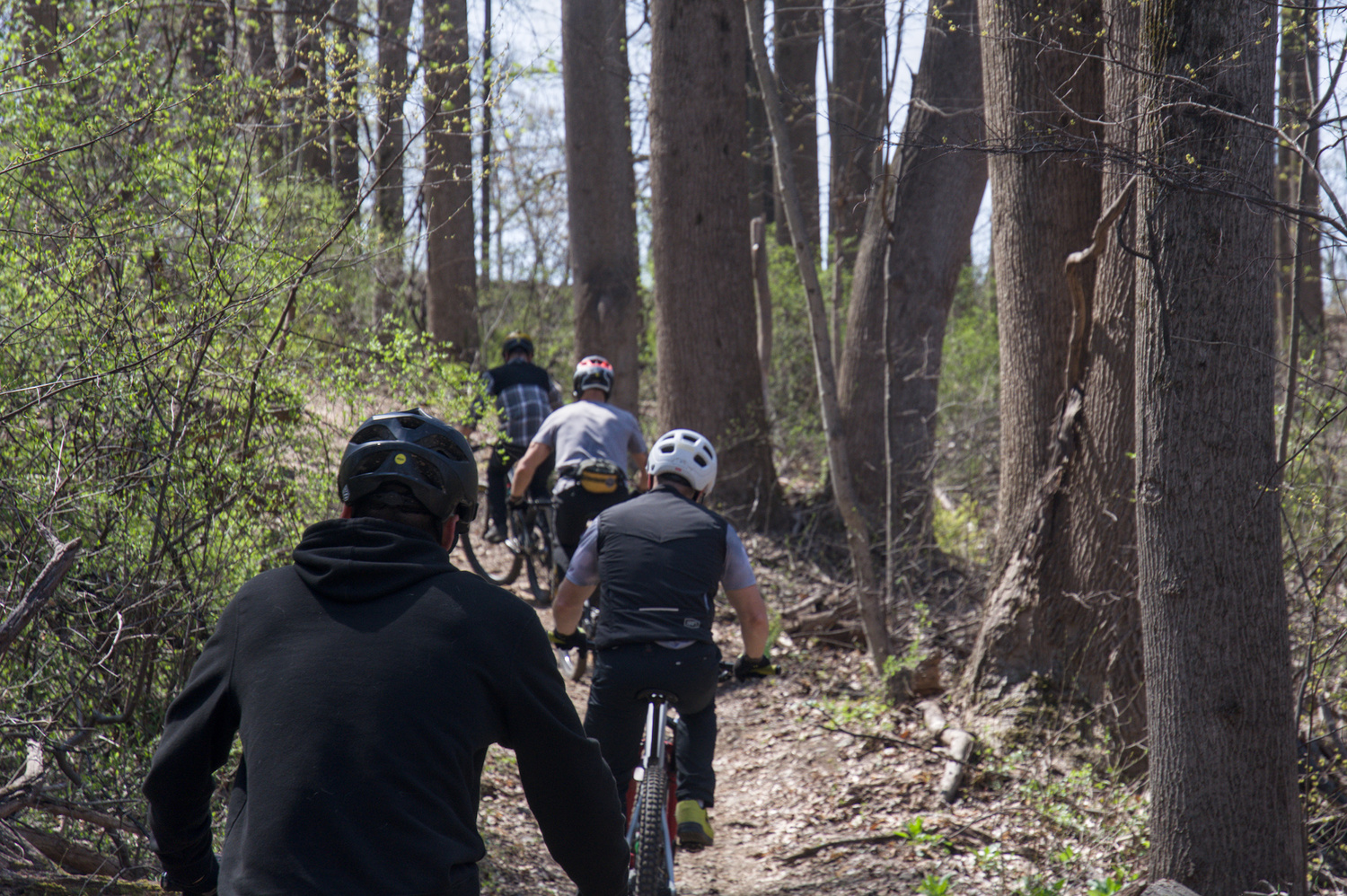
VMB members took the IMBA team on a ride around Salisbury Walking Purchase Park (locally known as “Sals”) on Friday before the workshop. Locals consider this trail system, which is easily accessible from nearby neighborhoods, as a beginner trail system, due to proximity and familiarity. The park features relatively tame terrain, at least compared to other local trail systems.
While scouting the park for potential weekend projects, the IMBA team helped the group view the trail system more objectively. Though Sals seems relatively easy compared to other area trails, it still may not be the approachable terrain that youth or beginning riders seek.
Image
Theory and History
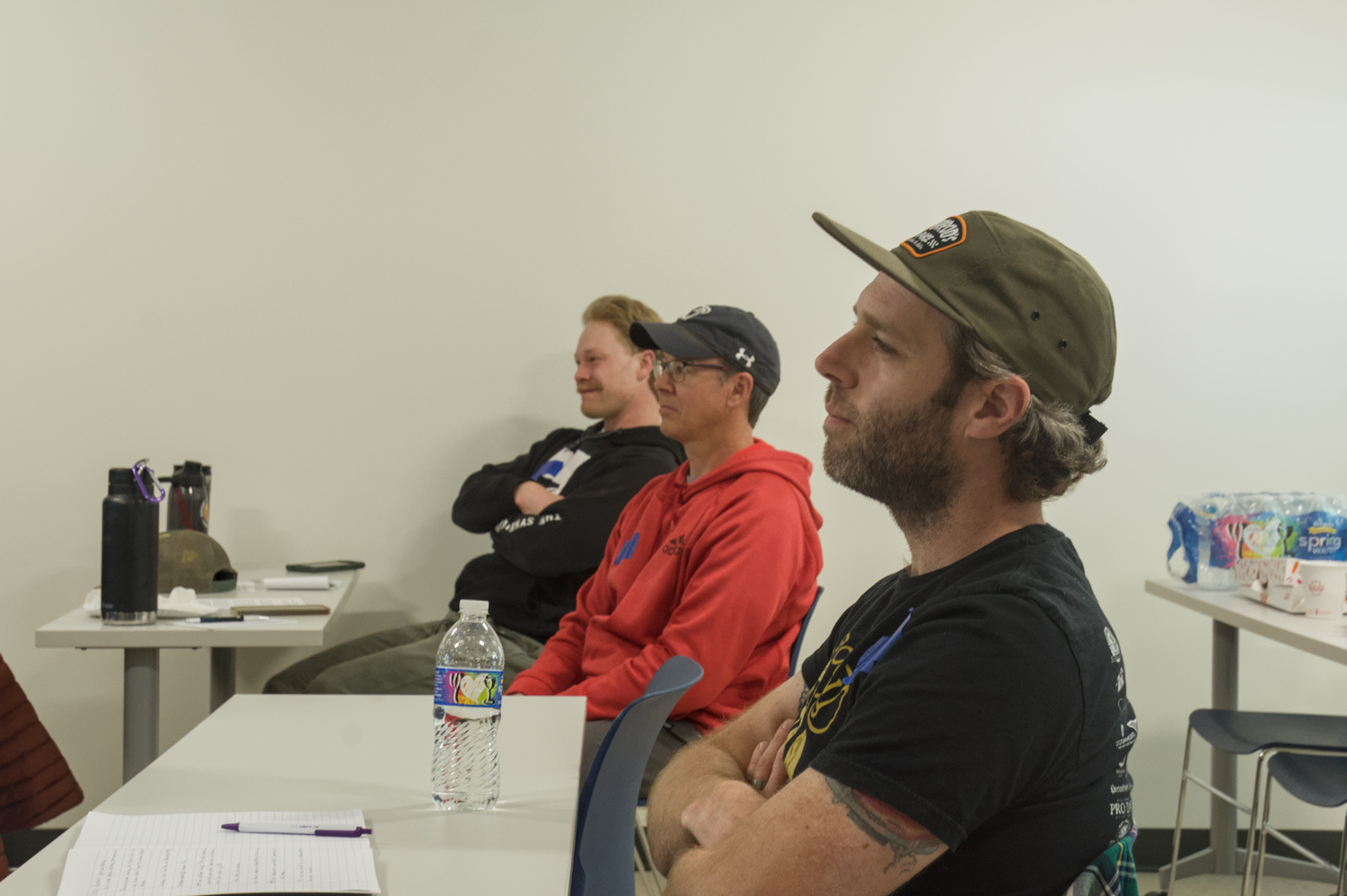
On Saturday morning, the group convened for a classroom session at St. Luke’s University Hospital, a teaching institution that is ideally situated near one of the Sals trailheads. Because volunteers focus on distinct trails across the Lehigh Valley, gathering many of them in the same room presented the opportunity for trail stewards to share their experiences and sync up on organizational strategy.
While many of the region’s trail systems have a lot in common – steep, rocky terrain, legacy trails, with long and sometimes complex history among stakeholders – the conversations taking place that morning showcased a variety of experiences that would come up during the workshop. From the relative difficulty levels of trail systems, the riding styles spanning decades, and the types of materials (from large stones and boulders, to shale and clay), this workshop presented an opportunity for attendees to learn from one another as well as from the IMBA team.
Kicking off with some VMB history, the group highlighted the organization's priority on education through workshops like these, equipping the team with the best techniques and know-how to maintain their trails.
“VMB is a completely volunteer-driven organization. Everything we do—from developing and maintaining trails to putting on enduro races and organizing group rides—depends on our badass volunteers getting after it,” said Louis Mazzante, VMB Board President. “With this event, we wanted to empower those volunteers to sustain our trail networks with best-in-class instruction on developing and maintaining trails, creating stronger land-manager relationships and leading crews in the field. The math on this one is simple: Stronger, more capable volunteers = better trails for everyone.”
Image
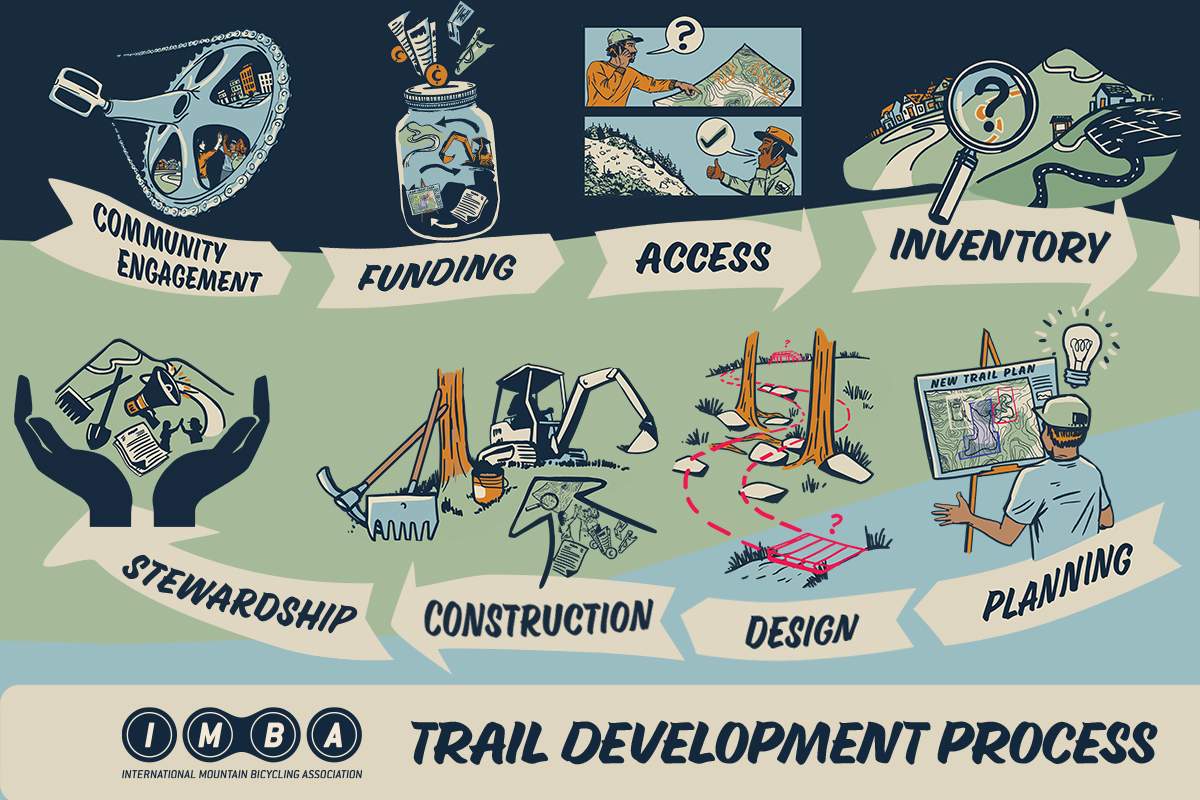
Trail Development Process
Joey and Cory transitioned the discussion to the trail development process, noting that while each community may approach the steps in their own particular order, each element is important and this framework serves as a great guide for stewarding community trails or creating new places to ride. With changes being observed in many places, such as increased rainfall and more erratic weather, the presenters established the importance of creating more sustainable trails.
Image
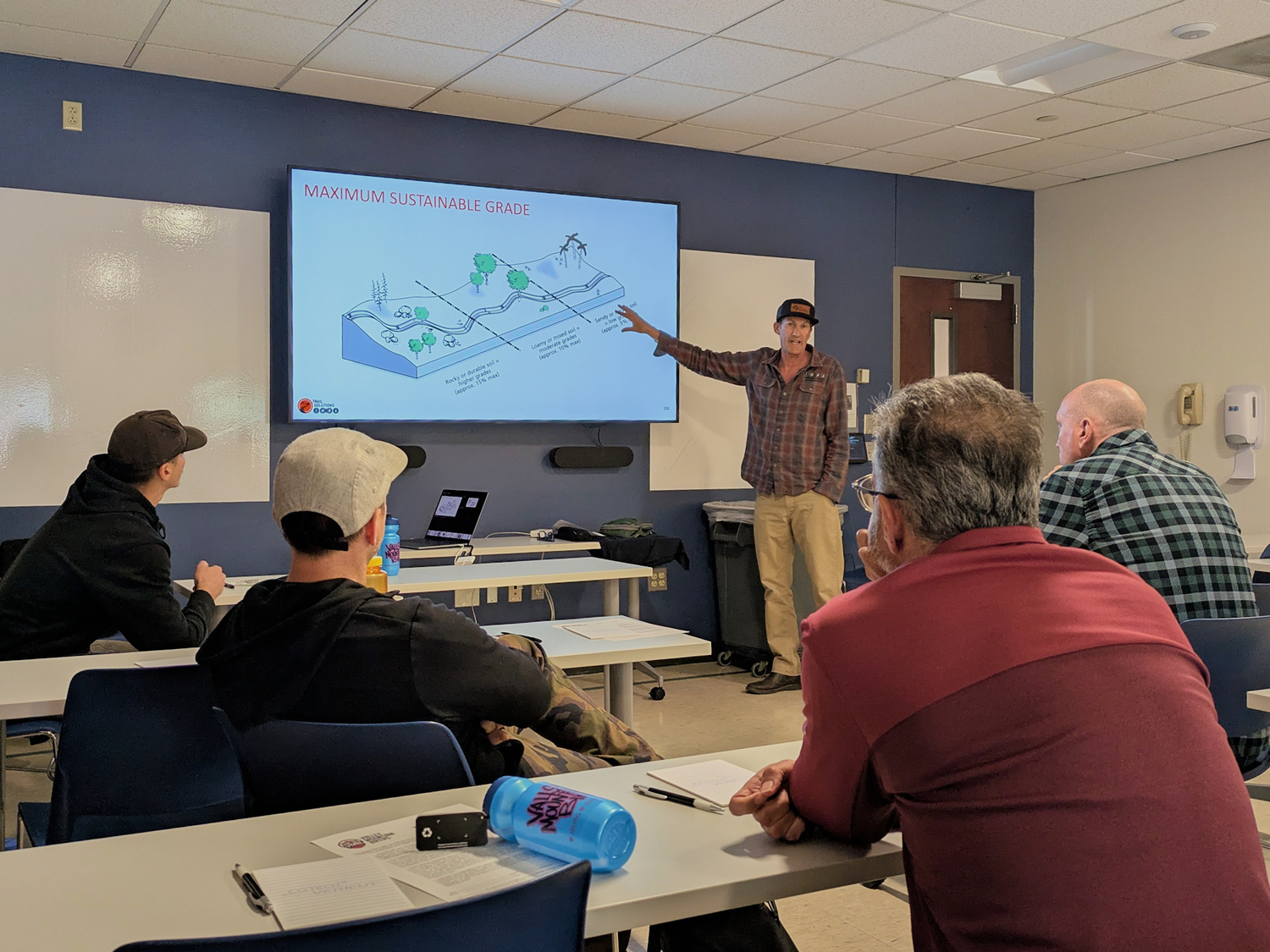
Fortunately for mountain bikers, by working with the terrain, creating grade reversals, utilizing inslope and outslope, and ensuring frequent and intentional drainage, the resulting more sustainable trails require less repetitive triage work and are fun to ride. Win-win! The group would be putting techniques like these into practice on their own trails the next day.
Consider these three key elements as you plan your trail work:
- Durability: resiliency, longevity, sustainability, gets water off trail
- Useability: meets intended goals, keeps users on trail
- Natural Aesthetic: fits into nature, is properly built
After classroom introduction on using clinometers (“clinos”) to measure grades, the group stepped outside to practice on the nearby trails. This exercise brought some perspective to the distinction between trail difficulty levels. What feels easy to a seasoned local often maps out as intermediate or even advanced trail according to commonly used trail difficulty ratings. The clino never lies!
As VMB works to build their riding community, this honest assessment of trail difficulty will help them consider where and when to create more green trail to balance their abundant blue and black riding, welcoming true novice riders to an inclusive mountain bike community.
Image
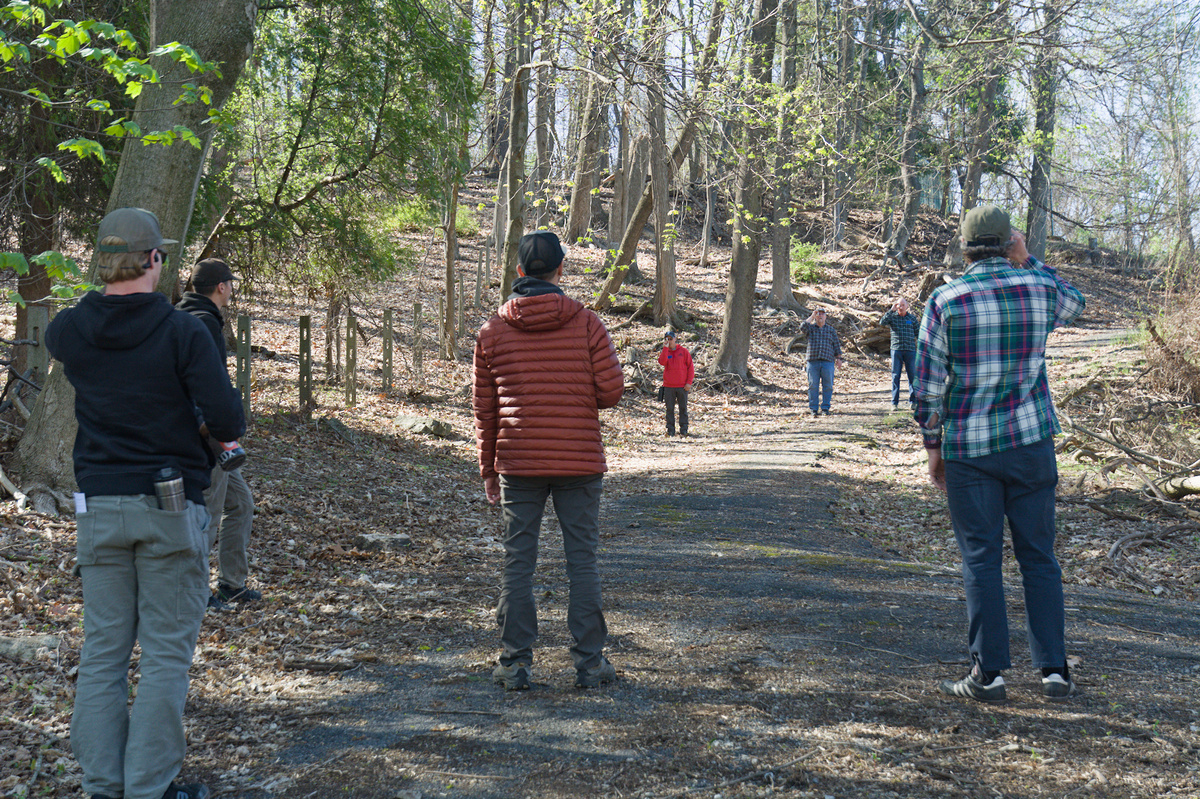
The day’s session wrapped up with reflection by all participants. Many valued establishing consistent terminology to communicate about issues on the trail. By using the same language, attendees agreed they’d be better able to plan their approach, collaborate on workdays, and communicate with other community stakeholders.
Image
Rules vs. Guidelines
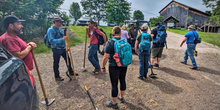
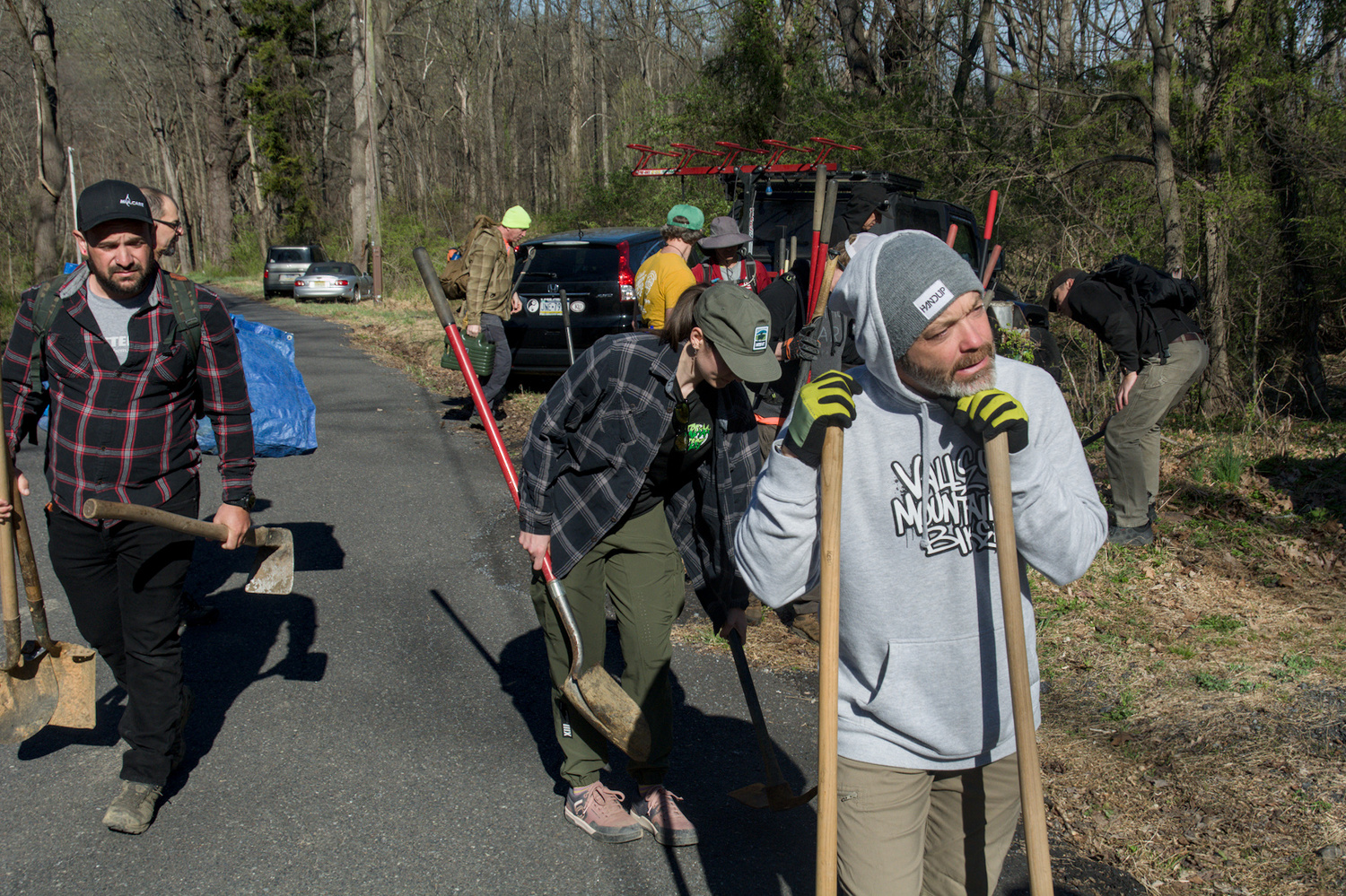
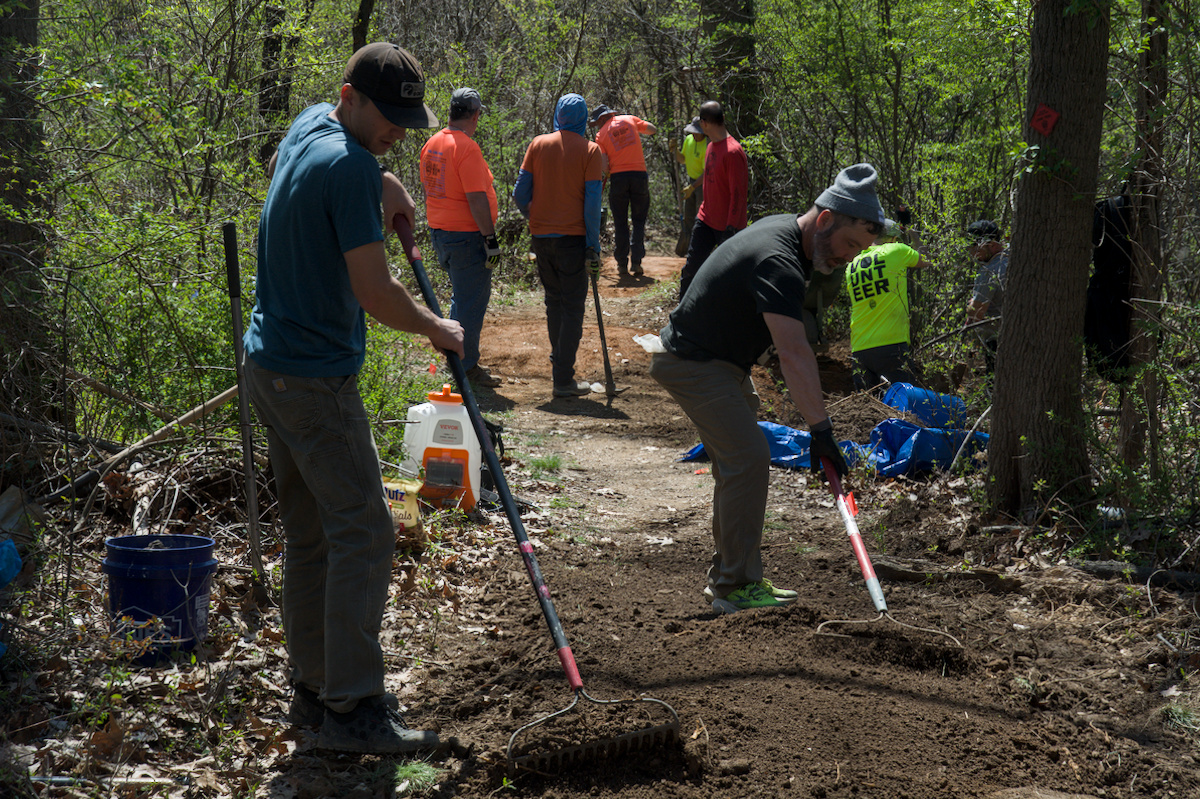
On Sunday morning, the team met at a trailhead located a short distance from a residential neighborhood, kicking off with a safety / tool talk. They carried tools to a trail junction that would serve as home base for the day, and began scouting to carefully assess potential projects. Though some are eager to rush to work at this stage, Joey made the point that factoring in the long-term vision for the trails and making sure they focus the day on improving trail that would be in use for a long time would be their best approach. No sense working on a low-lying stretch of trail that was bound to be rerouted, for example.
Image
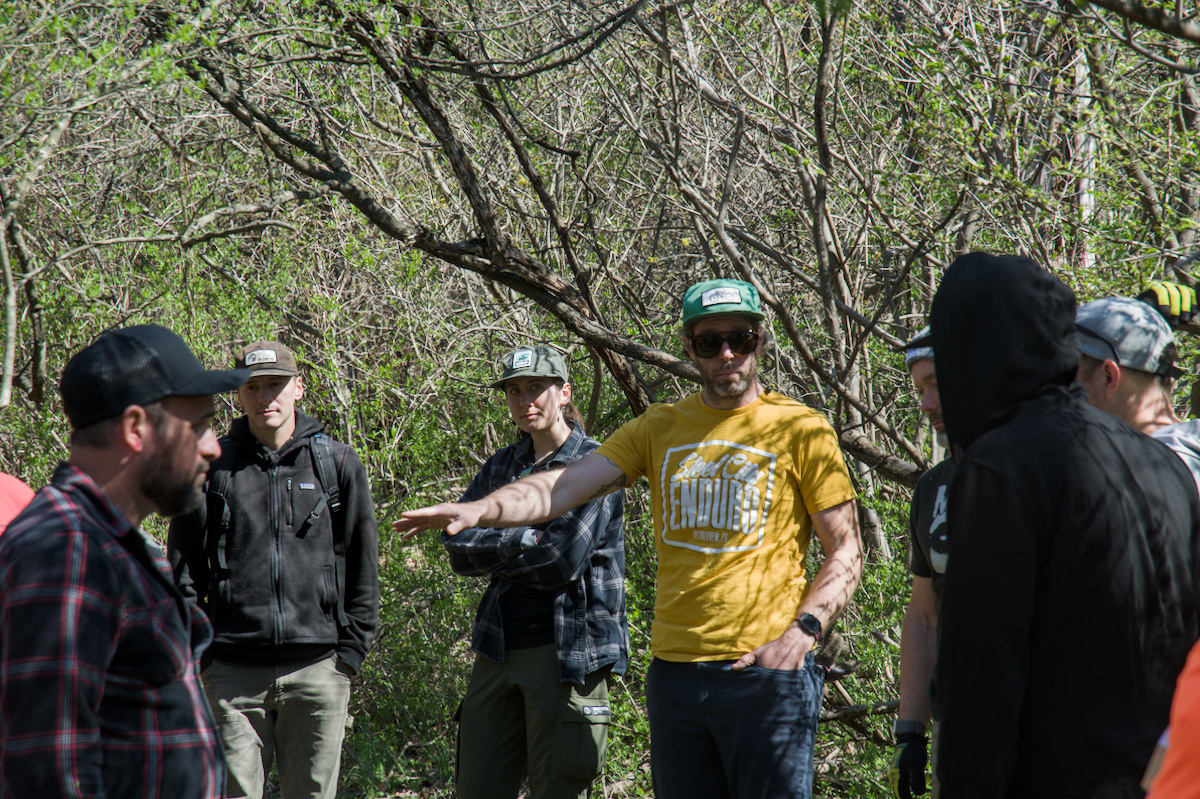
Relying on a combination of local knowledge, soil conditions, and clinometer readings to assess potential projects, the group concluded that by proactively adding grade reversals, drains, and making some minor repairs, a particular stretch of trail could be reinforced to hold up for a long time to come. This would ensure trail stewards could focus on other areas during future work sessions.
Image
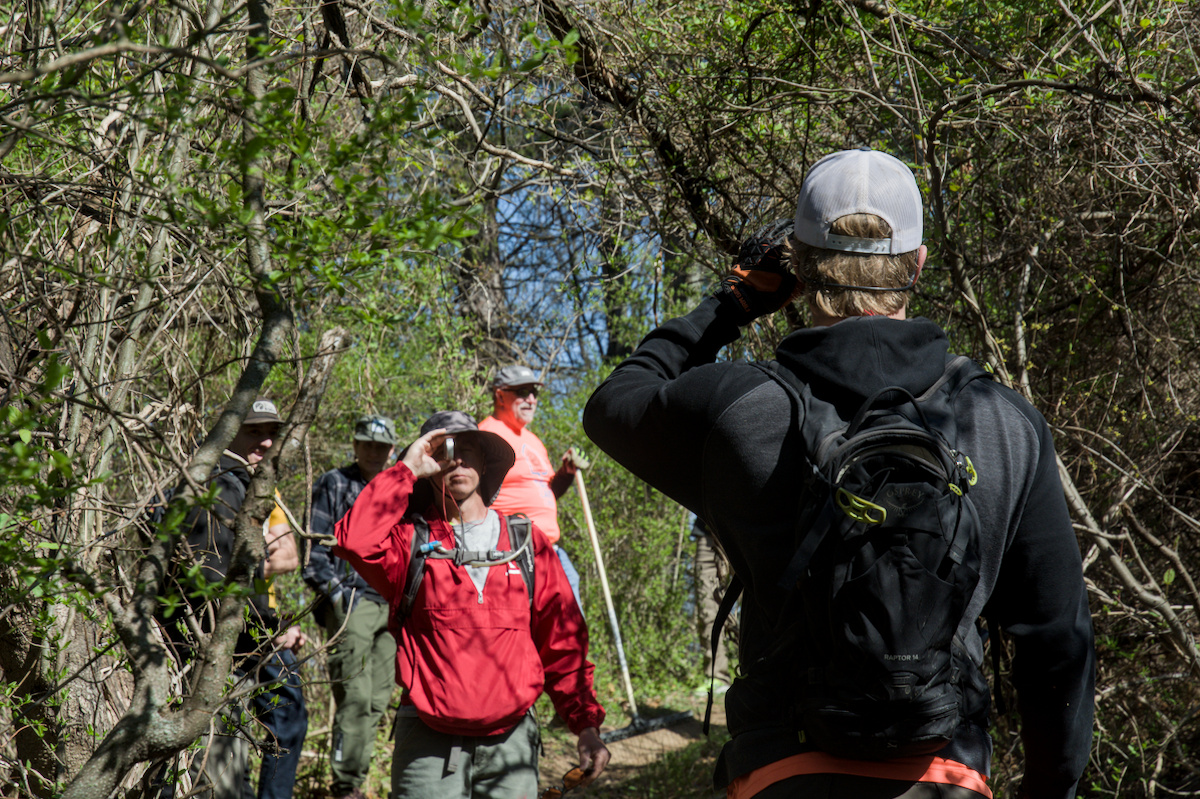
As the team executed the day’s plan, they balanced the rules they had reviewed the day before with the realities of the particular terrain. While adhering closely to the half rule to govern slope of the trail relative to side slope, they made informed judgment calls using guidelines on where to locate grade reversals and drains. Knowing which rules are essential to follow, and which have some flexibility, allowed the group to move forward with the day’s work with a high confidence level.
Image
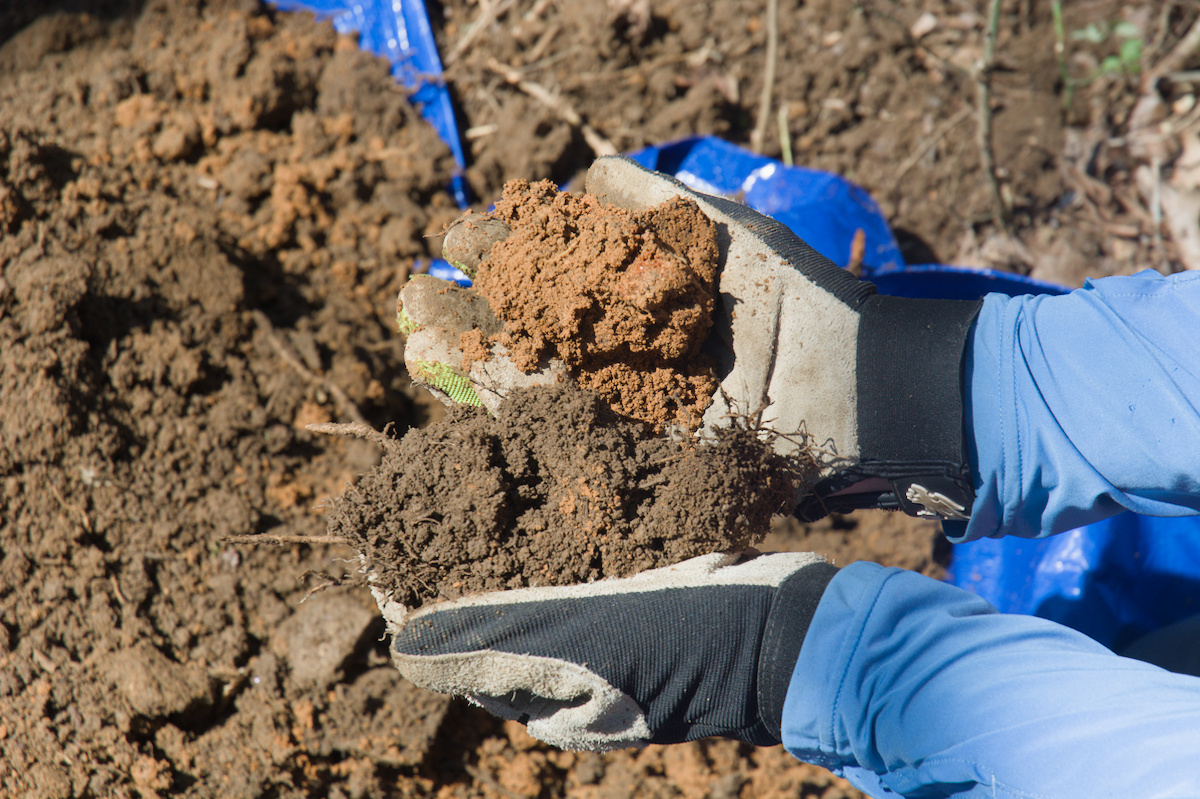
Relatively early on in the session, the group dug a borrow pit and struck gold. The mineral-rich soil below the rocks and duff served as the durable fill for grade reversals and other features as the group tuned the trail tread. Cory advised the group to exaggerate pitches, so that as the soil settles and edges smooth over time, the trail would settle into a long-lasting ribbon. Frequently checking their work with clinos and discussing progress, the team practiced their shared vocabulary and new skills.
Image
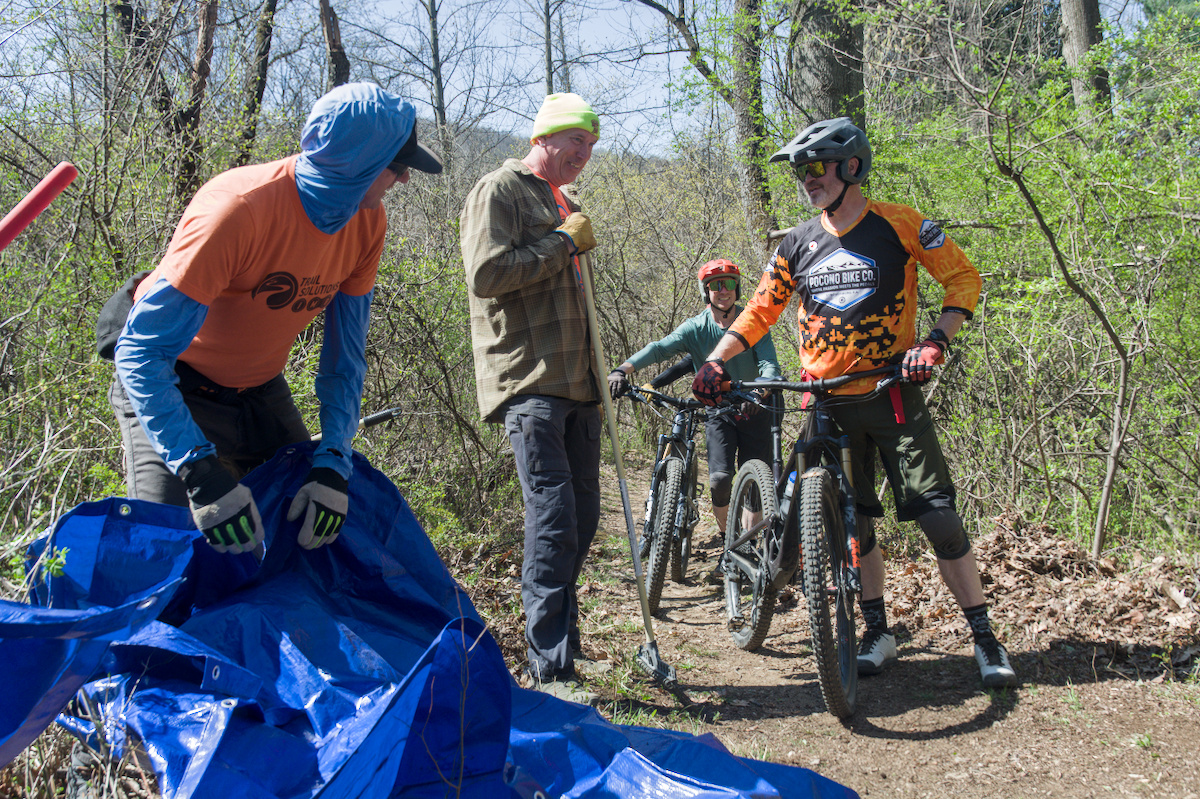
Riders who rolled by the worksite were curious and appreciative of the work the trail champions were doing on this trail. Those who stopped to chat – most of them – were even more excited to understand that these skills would be spread across the region and all the trails that VMB maintains.
Image
The Path Ahead
A consistent reflection at the end of the work session was understanding which tasks are best for volunteers and which are better left for club leadership. Doing proper preparation will set up dig days for success. By planning out achievable projects and doing other prep and maybe even setting out flag lines ahead of time, volunteers of most any skill level could come in and be coached to make a difference right away. Completing planned work on the day results in safer trails and ensures the best trail experience. And by making a positive change during a given work session, everybody would be more likely to leave feeling positive and willing to do more in the future.
“Group discussion also led to another takeaway: healthy trail systems evolve with careful planning and maintenance,” said Cory of IMBA Trail Solutions. “Robust systems have a little something for everyone, and I could see the crew considering how they might improve their trails. VMB shared a lot of pride in their blue and black trails, and also recognized that adding green segments and loops would lead to more progressive riding within each trail system and could help strengthen the riding community.”
“IMBA’s Trail Care School delivered on all accounts,” said Mazzante. “Joey and Cory proved why they are the best in the business and the stoke was high throughout the weekend. Our volunteers and trail leaders gained tons of insight into trail planning, real-world problem solving, and the skills to make a real impact, immediately.”
There is a lot of potential for riding in the Lehigh Valley, from the engaged community, to the existing trails, and on to the untapped potential in other underutilized land. We’re cheering for Valley Mountain Bikers, trail champions, and riders across the region.
Picturing a Trail Care Workshop in your community? Learn more here.