Elevating the Lehigh Valley Trail Experience
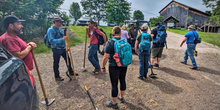
IMBA's one-day Trail Symposium gathered almost 60 trail champions from Pennsylvania and surrounding states in early June to take part in a workshop about creating and enhancing trails. Presenters and speakers shared their knowledge of the process, and the event connected trail advocates from across the region. A variety of roles were counted among attendees: state and municipal land managers, IMBA Local Org leaders, travel & tourism teams, NICA staff, passionate trail users and other trail advocates.
This meeting took place June 6th near State College, PA, at Brass 16823, a former brass manufacturing plant located in the Borough of Bellefonte. During this workshop, IMBA staff, trail experts and local stakeholders led participants through the process for a model community trail system: planning, design, implementation, activation, promotion, measuring success and stewardship.
For those reading along who could use an outline to kick off your trail journey or help navigate the current stage, bookmark IMBA’s Trail Guide and then keep reading!
Image
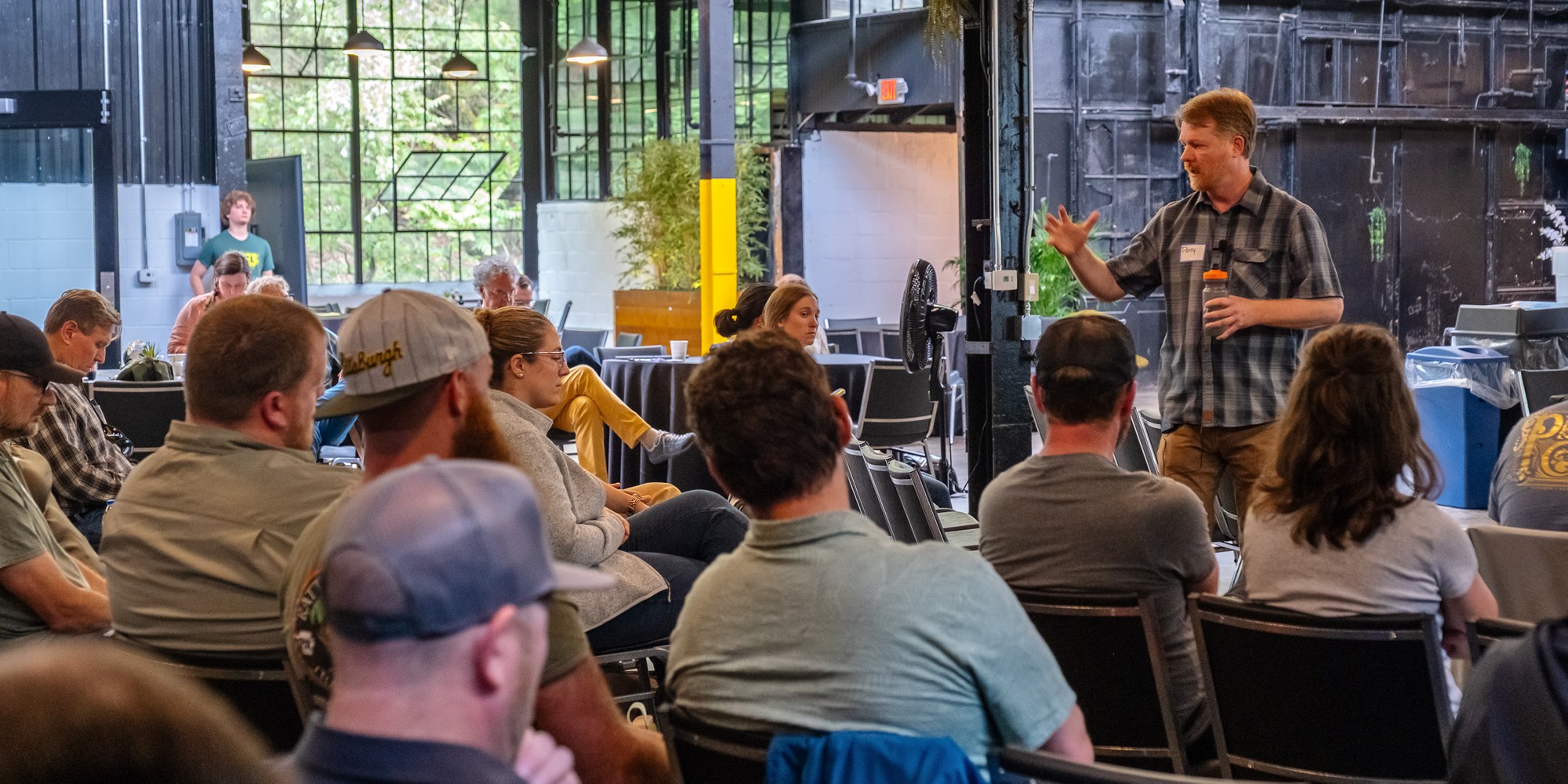
Why Trails?
The workshop began with introductions and then dove into the opportunities at hand, for instance: 57% of all Americans age six and older participate in outdoor recreation, and the majority of new MTB participants who started over the last few years have stuck with the activity. At the same time, communities whose economy has traditionally been tied to industries like manufacturing and resource extraction have been successful in shifting or augmenting their economy through outdoor recreation and tourism. These communities also aim to improve the health and wellbeing outcomes of residents, attract & retain residents and increase property value by growing recreation opportunities. One source indicated that outdoor recreation contributes more than $1 trillion to the US economy! The recently published Economic Benefits of Mountain Biking report captures many outcomes that have been achieved by investing in natural surface trails.
Gaining Support & Fundraising
The next stage of the discussion established the need for high quality trails created with a range of users in mind, and also covered community engagement: creating relationships with the community beyond the immediate team to build or strengthen key partnerships that’ll be essential to ensure success of the project. The following guidance sparked an important shift in the mindset of some in attendance: focusing beyond the goal of creating or enhancing trails, and instead emphasizing desired outcomes (like community wellness, amenities for skills development and socialization by residents of all ages, and attracting tourism) can help illuminate the path forward and unite people across the community around the endeavor.
Local perspectives indicated that workforce attraction and retention could be supported through trail initiatives, particularly in the area near Penn State University Park campus that sees many students move away after graduation. It’s a story as old as time: younger generations go elsewhere to launch their careers and don’t look back. However, with today’s renewed priority on experiences and connections, coupled with remote work opportunities, this could be a chance for communities to help people put down roots.
Image
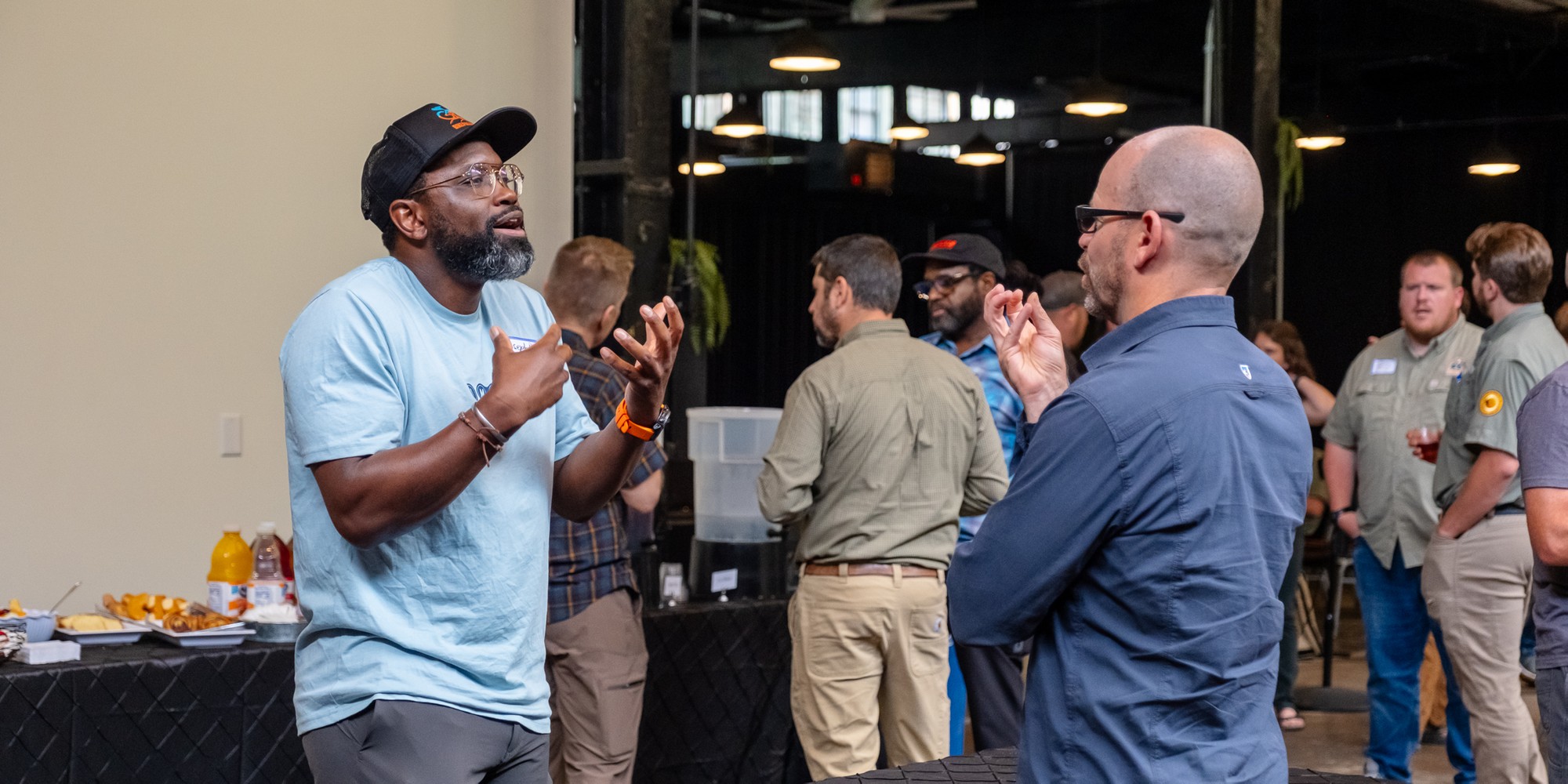
Some of the discussion around these steps centered around responding to naysayers and staying attuned to negative lines of questioning. These conversations can be cues to think through the benefits awaiting communities as they create their particular trail vision. Those that develop and carry out a vision and plan stand a chance of turning those individuals into allies by articulating desirable outcomes and positive economic and wellbeing implications associated with trails.
Funding is such an important component of any project, so it warranted dedicated time during the program. Sources of funding can be varied: trail champions may consider a combination of grants from IMBA and other orgs, fundraising campaigns, and attracting public funds from economic development agencies and tourism bureaus. This funding may be unrestricted, or it may be dedicated to planning & design, construction, maintenance & operations for example. Because the day’s discussion was focused on local and regional opportunities, we’ll highlight IMBA’s Trail Funding page as a starting point for funding programs that may be applicable to a given project.
Image
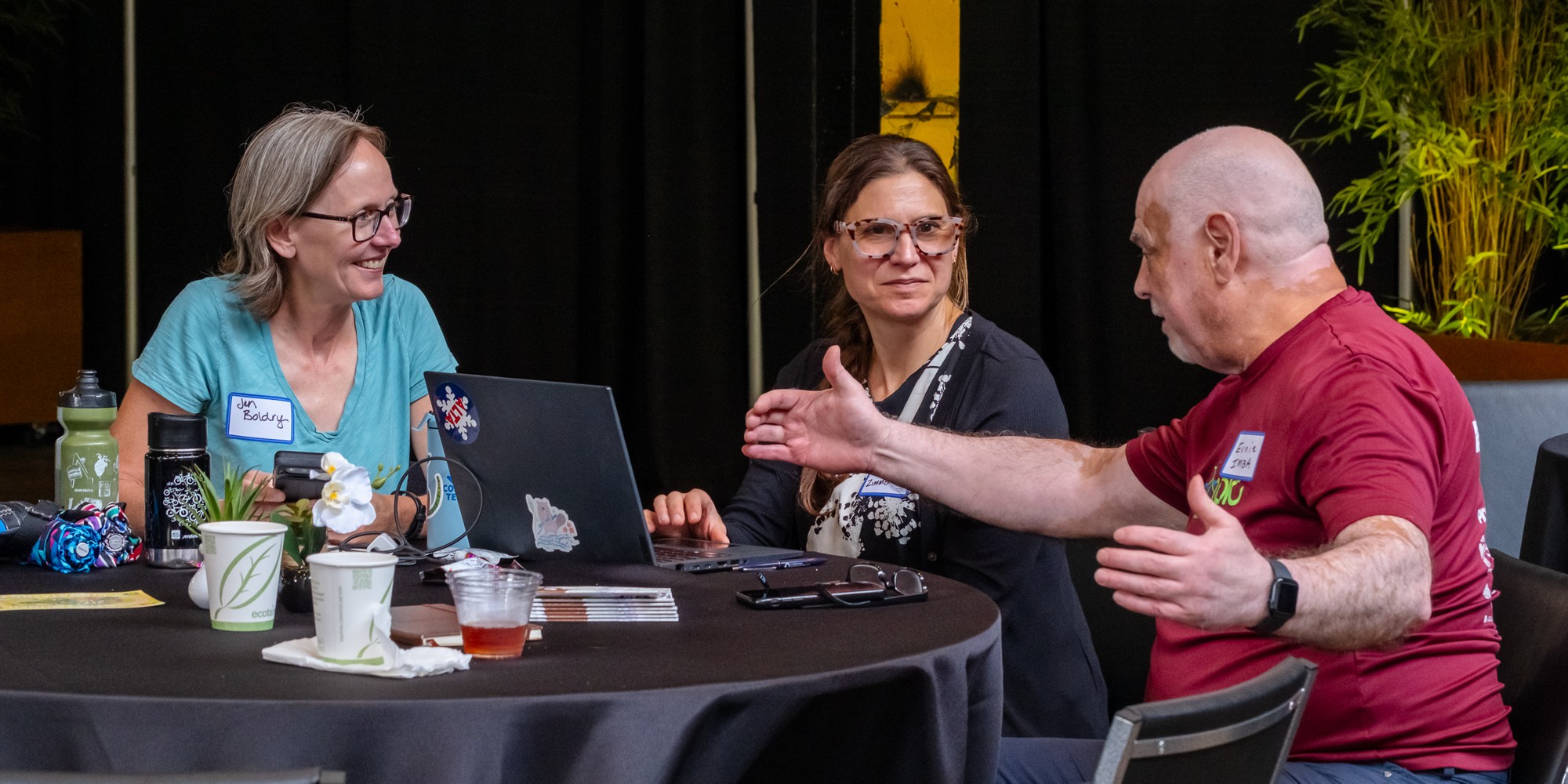
Visioning & Concept Planning
The next unit in the workshop emphasized the importance of vision-setting to any successful project. By defining the desired outcomes at the beginning, the project has built in guardrails the community can lean on as they work toward goals. While it’s tempting to roll up sleeves and begin doing the dirty work, taking the time to develop a thoughtful, inspirational and enduring vision that reflects the project’s main purpose will help inform a solid plan that’ll lead toward success. When residents and potential partners can see community and social benefits, they’re more likely to add their support.
With that vision set, trail champions often begin balancing their vision with the opportunities in the community and on the landscape as they create their plan. A shared plan will serve as a reference tool for everybody involved, building support for the collective goals, stirring excitement and guiding subsequent steps in the process. Next, during design, a team will begin to detail the trail experience that’ll be built in upcoming steps. Because it can be challenging to get funding for a trail design, IMBA Trail Accelerator Grant is one potential catalyst to consider at this stage. With a professional plan and design in hand, it becomes easier to leverage political and financial support from local, regional and national partners.
Image

Designing the Details, Implementation Considerations
Following the lunch break – a chance to socialize and network with other attendees – the afternoon kicked off with a section on trail design and implementation. One particularly critical part of the discussion addressed volunteer vs. professional building, and detailed the benefits of each. A variety of real world examples were cited where each approach had an advantage. However, a sign of warning: there was one story of an allegedly professional build by somebody with too much confidence and not enough trail building expertise. The lesson: be sure to ask contractors for references!
The discussion led also to practical examples where the community being discussed had to decide whether to take the obvious path, or instead experiment with something completely different in an effort to push the boundaries of what people expect from local trails. Each community undertaking a trail project will need to answer this sort of question many times during their process. For example, on the topic of signage and wayfinding: is the traditional green / blue / black trail difficulty rating system the way to proceed, or could it be worth considering the newer International Trail Rating System (ITRS)? This is but one of many of the types of judgement calls that’ll require each and every community to know and reflect on their trail users’ needs and knowledge to select the right option.
Image
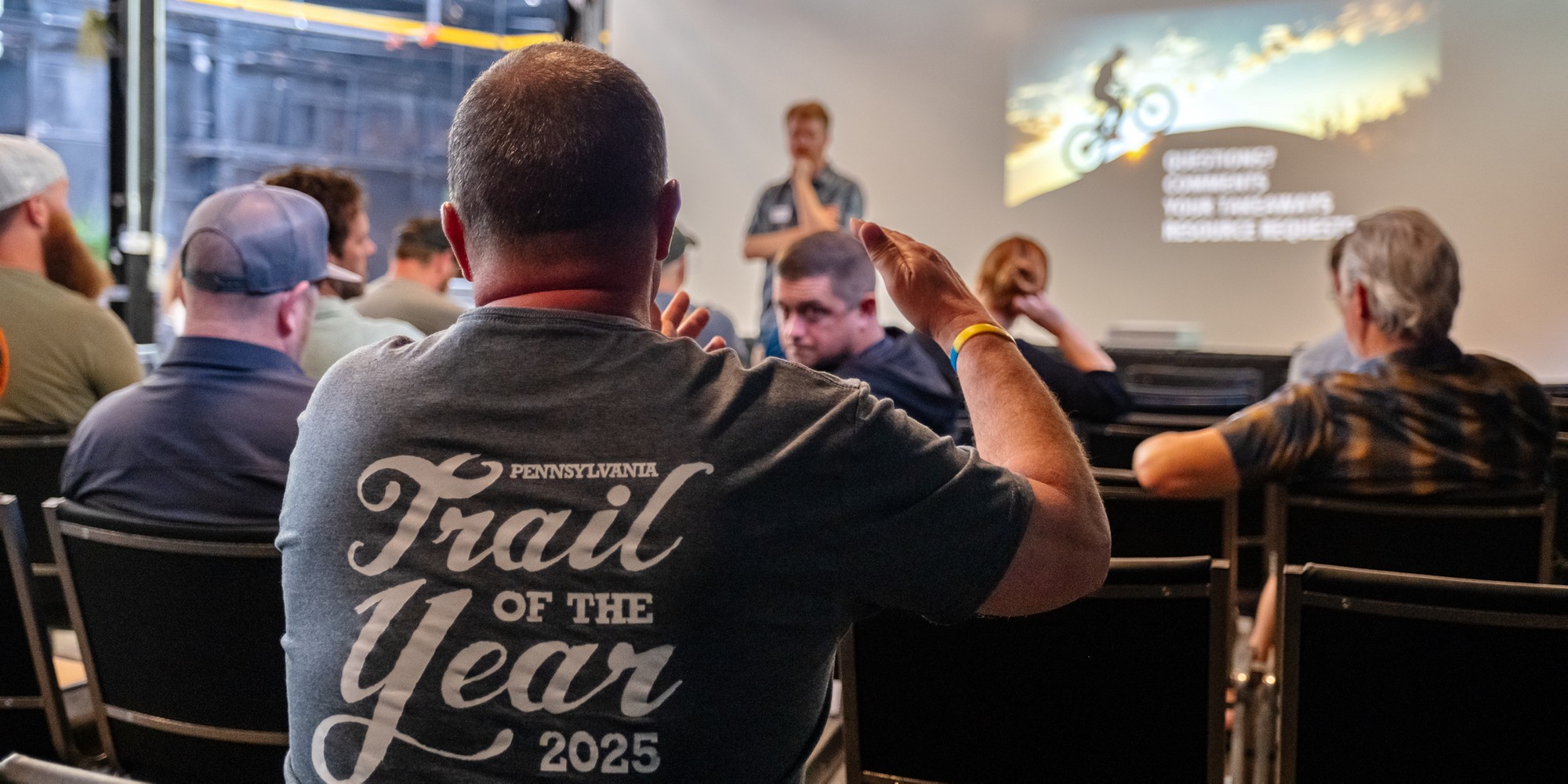
Activation & Promotion
When the discussion moved on to inviting the community to a ribbon cutting and beyond, there was yet again a moment for reflection on those initial goals. At this stage, it’s time to take steps to build a community and create a lifestyle. Some will emphasize an amenity for local residents, while others will promote a destination for visitors; these aren’t necessarily mutually exclusive objectives. The brand and image of the community and trail system make them memorable and desirable, also helping to support the community’s vision. Developing comprehensive marketing and promotion materials and strategies, allowing time for soft and hard openings, and having a detailed operations and maintenance plan in place will all contribute to a successful opening and continuing operation. Remember that trails are an investment that need to be cared for!
In terms of programming, some trail users are drawn by races while others prefer social / group rides and gatherings – community leaders likely have a sense of the preferences if there’s an established riding community. Having a mix of opportunities for the community and visitors ensures there will be exciting opportunities for everyone to enjoy trail amenities and make connections with one another. Catering to multiple user groups will influence the balance here, as will preparing for youth cycling or other special events. If a trail system will be pulling in big groups for events, ample parking should have been part of the plan!
Image
Measuring Success
What are the outcomes that a given community set out to achieve at the beginning of this process? Perhaps some combination of visitors, economic impact, trail use, wellness, jobs, tax revenue, volunteer engagement, user experience, and other metrics. During or hopefully before the project, trail champions began capturing that information and collecting data to establish a baseline. Now, as the project passes activation and promotion, hopefully signals emerge that desired goals and outcomes are being met. In addition to tracking the efficacy of the project, this information could justify further investment and/or future phases.
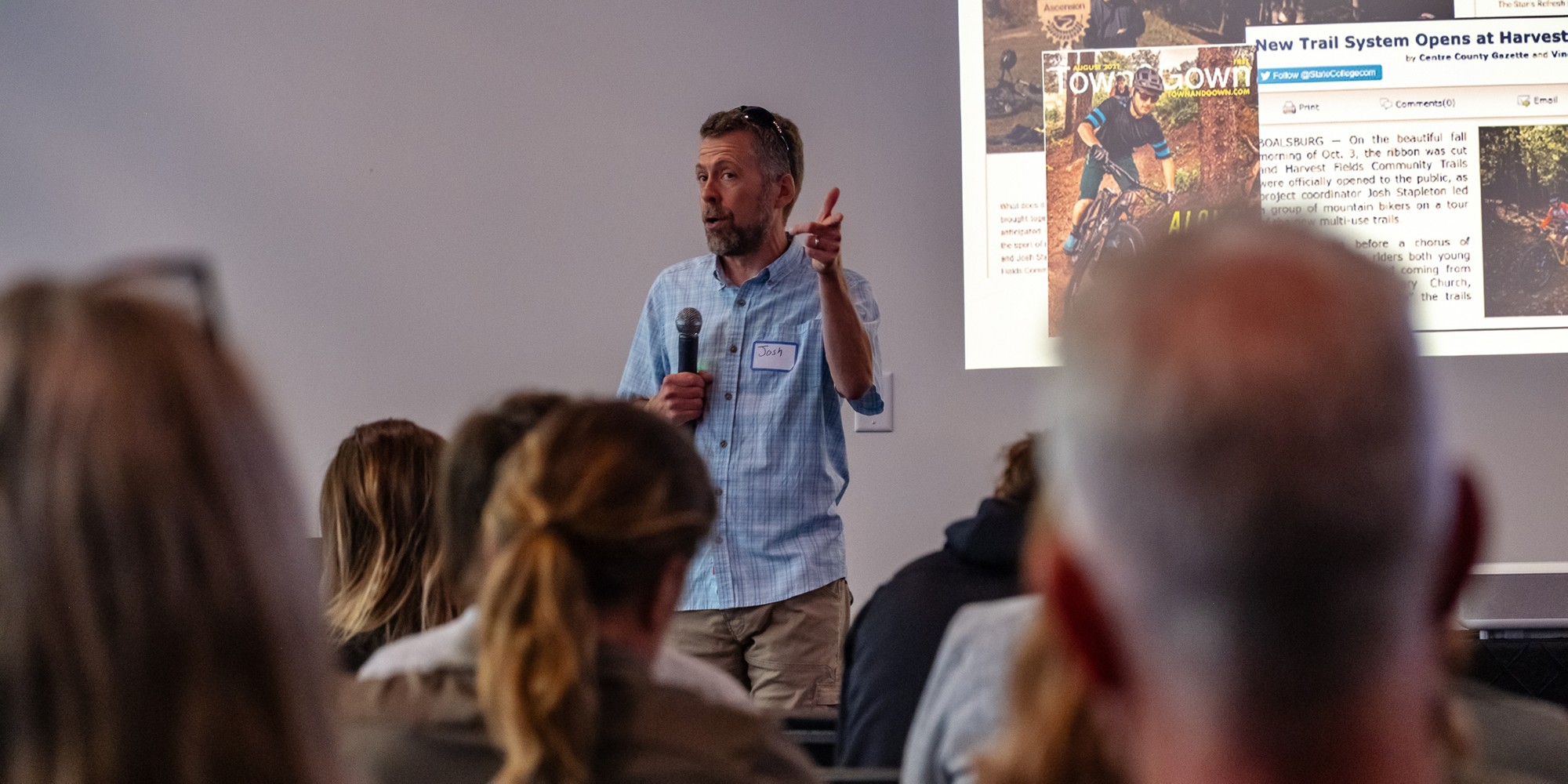
Harvest Fields Community Trails and Hamer Bike Park located nearby in Boalsburg, PA served as a well known local example of the process from idea through execution and on to programming and stewardship. If trails already exist in the area, then trail champions can reflect on what works well for audiences, where any gaps exist (e.g. progressive trail and features with a mix of difficulty levels, close to home trails that don’t require driving, facilities for NICA practice or competition) and find ways to improve other parts of the process or address unmet needs within the community.
The IMBA team is thankful for the warm welcome we received during this Symposium. So much great outdoor recreation is already available in Centre County and across PA. While there, some took the chance to ride local trails including the Rothrock IMBA EPIC. Others explored the trails by taking a hike on National Trails Day. There was also a gravel race, Rothrock Grit, taking place that weekend.
I want to thank the IMBA staff for bringing such an impactful event to central Pennsylvania. I have been fortunate to see the economic impact and social well-being mountain biking has brought to communities like Crosby MN, Marquette MI, Copper Harbor, MI. I am hopeful such opportunities are out there for my community with the right partners and support. Thank you for adding some fuel to the fire with the trail symposium.
-Jess W., Symposium attendee
IMBA would like to thank these organizations for their part in making this Symposium possible: Richard King Mellon Foundation, Commonwealth of Pennsylvania, Pennsylvania Environmental Council, Happy Valley Adventure Bureau and Pennsylvania Interscholastic Cycling League. We look forward to collaboration with trail champions from across the region as they work to steward their trails and create more opportunities to enjoy the outdoors together.
This post is in no way comprehensive; reflecting the day’s whole discussion would take a 250 page book at a minimum! For advocates who want to take stock and work out what to do next, IMBA has created the Trail Friendly Community Assessment to help prompt reflection and inventory in their community, available now on IMBA.com.
If you’d like to learn more from IMBA experts about how to accelerate your community’s progress toward more and better trails, check out our upcoming Foundations workshops and sign up to stay up to date.