How is the EXPLORE Act Progressing?
When IMBA’s Joey Klein first set foot in Silverton, Colorado in October 2018, winter had already arrived. Snow piled high on Hancock Road and the old Quarry Road, but that didn’t stop IMBA staff, the Silverton SingleTrack Society (SSTS), and the Bureau of Land Management from exploring what could become one of Colorado’s most spectacular backcountry trail systems.
Image
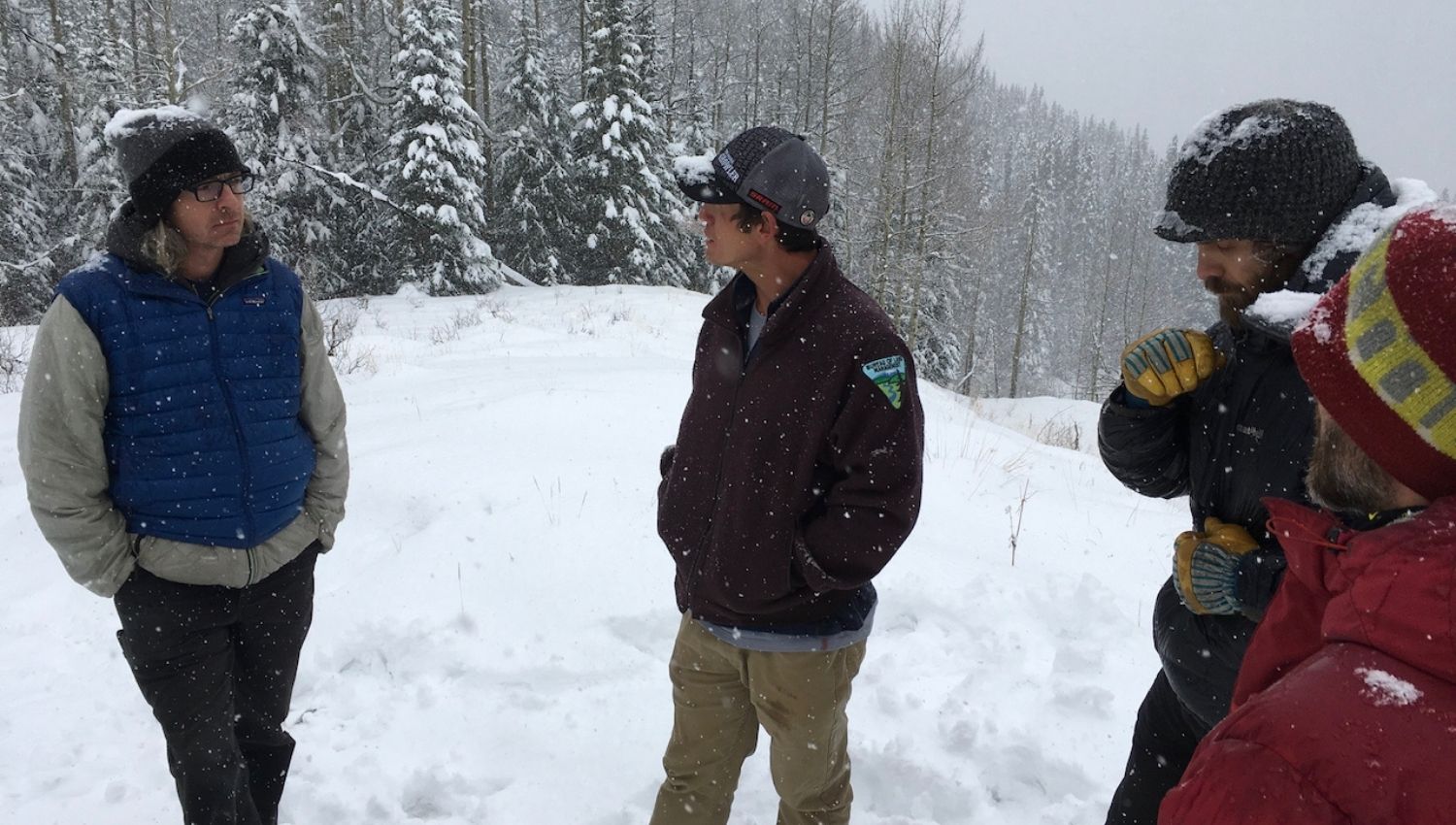
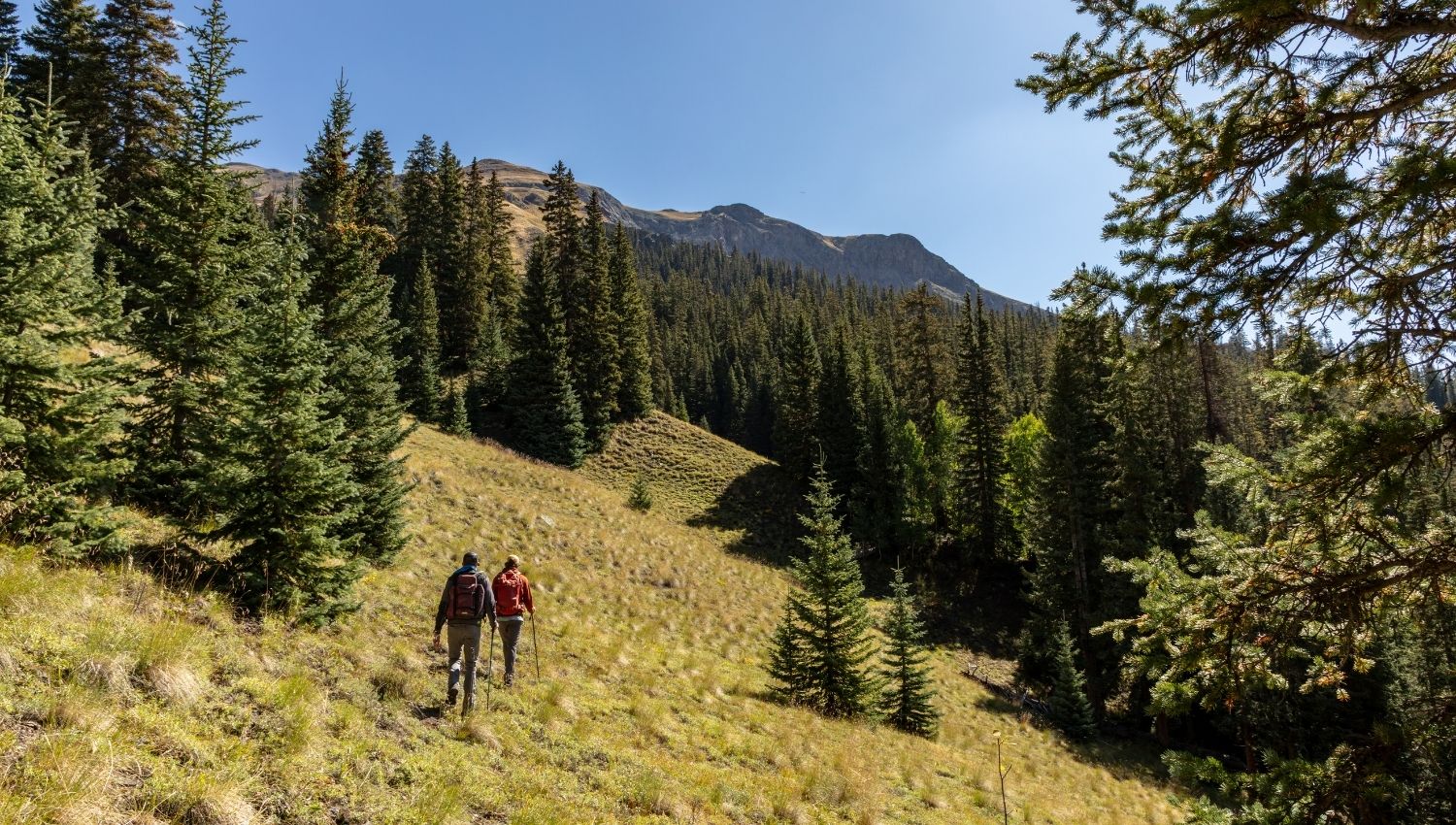
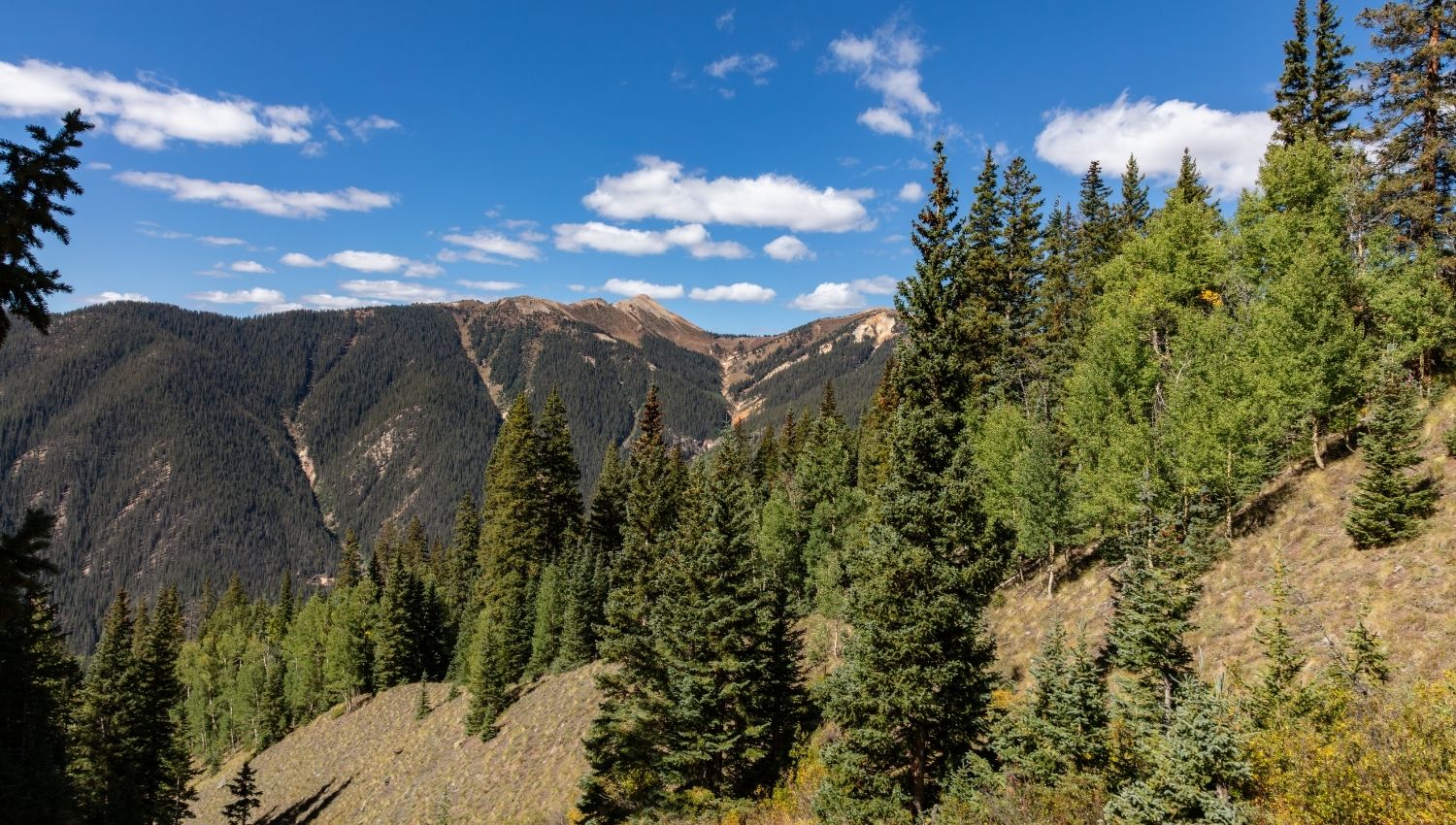
Hiking through the snow and even taking to the air for a helicopter tour, the team traced lines across rugged alpine terrain, visualizing experiences, challenges, and opportunities in every ridgeline and basin. By the end of that first week, they’d built the foundation of a concept plan: trail zones, loops, and connections that would one day link Silverton’s high-alpine views with rideable, sustainable singletrack.
Image
Building a Plan from the Snow Up
Through the winter of 2019, that early concept became a working design. With limited field access, IMBA and SSTS turned “lines on a map” into a detailed plan, estimating construction costs, terrain impacts, and logistics so the local group could begin pursuing funding. Even as COVID paused fieldwork in 2020, the partnership stayed strong through constant communication and collaboration.
Image
By the summer of 2021, IMBA was back in the San Juans. IMBA’s Planning & Design team began scouting and flagging the Phase 1 alignment, meeting with the new BLM recreation planner and SSTS board members to refine access points. When the proposed climbing trail hit a boundary pinch point, IMBA helped SSTS work with a neighboring landowner to find a route across private property, walking the hillside together, clinometer in hand, to find the best line. That collaboration not only solved a technical problem but built community trust and new stewardship among neighbors.
That same season, IMBA and SSTS co-hosted a multi-day Trail Care School, training a dozen local volunteers and leaders in advanced trail construction techniques. Together, they built rock-supported turns and learned the art of shaping sustainable trail tread in mountain terrain: an early taste of the professional craft that would define the Silverton project.
Adapting, Learning, and Building Momentum
In 2022, SSTS secured a grant to move the project forward, though new wildlife concerns required plan adjustments. IMBA and SSTS revised the design to protect elk habitat and address visual and environmental considerations. IMBA construction crews took BLM classes to learn to identify and preserve Snowshoe Hare and Lynx habitats. Meanwhile, IMBA Trail Solutions’ work at nearby Arapahoe Basin offered a valuable real-world classroom: several SSTS members (helicopter pilots working at the ski area) watched IMBA trailbuilders in action from above and on guided rides, deepening their understanding of high-elevation trail construction.
Breaking Ground and Climbing Higher
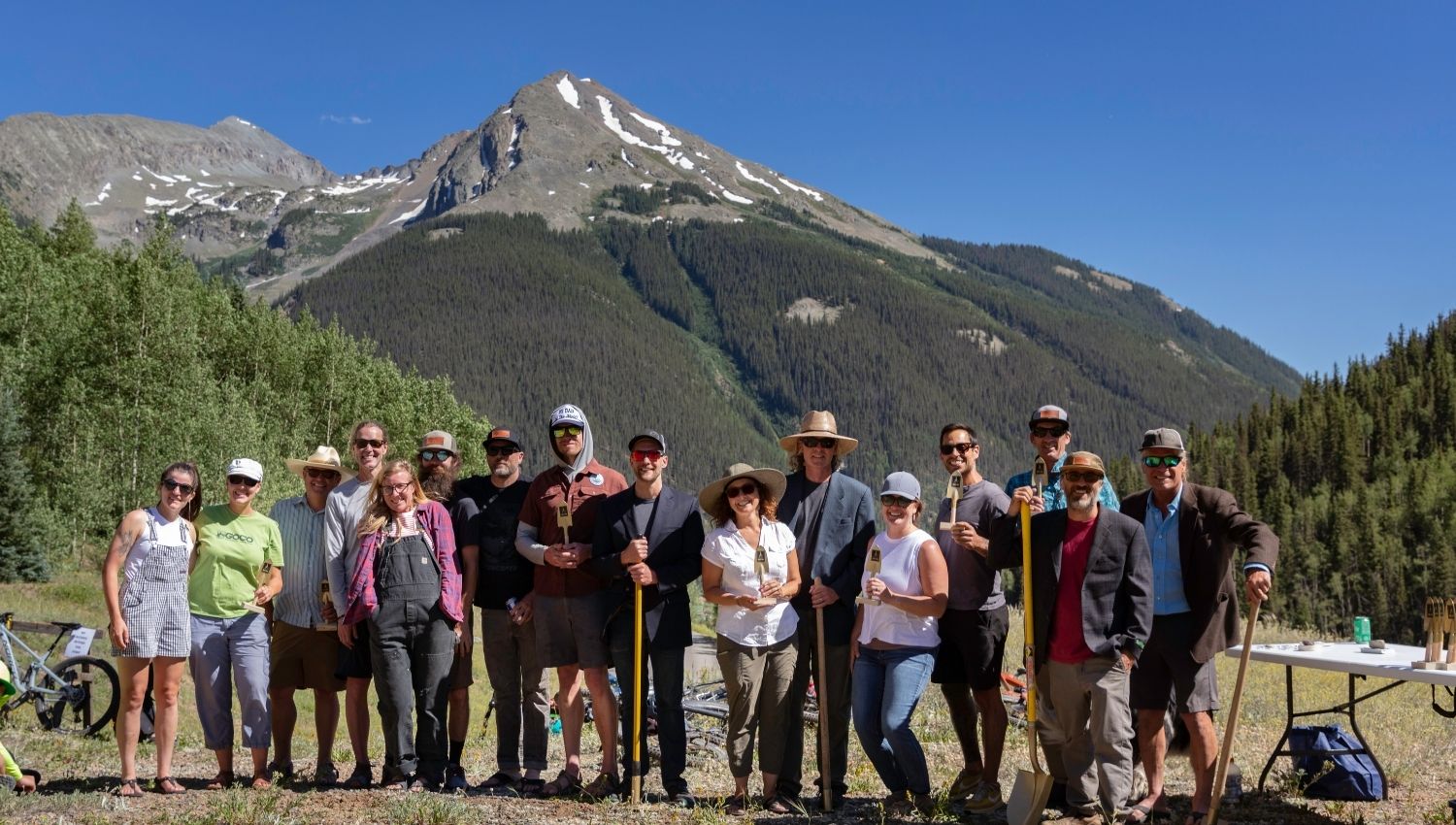
Summer 2023 marked a milestone: groundbreaking day. IMBA Trail Solutions, SSTS, and BLM celebrated the beginning of construction, recognizing the years of collaboration that made it possible. The build crew started with the climbing trail, roughing in the route before winter while IMBA designers and SSTS finalized flagging for the descent. Without road access, every section had to be built as an out-and-back: a logistical challenge that underscored the team’s tenacity.
In 2024, IMBA Trail Solutions returned to complete the descent leg of the Phase 1 loop. Heavy snow delayed the official opening until 2025, but the groundwork, both physical and relational, is firmly in place.
Image
Phase 2: An All-Hands-on-Deck Effort
By the summer of 2024, IMBA’s next challenge was already underway: planning and design for Phases 2 and 3, roughly 20 miles of new trail to complete the Baker’s Park system, per SSTS’ Great Outdoors Colorado (GOCO) grant.
Image
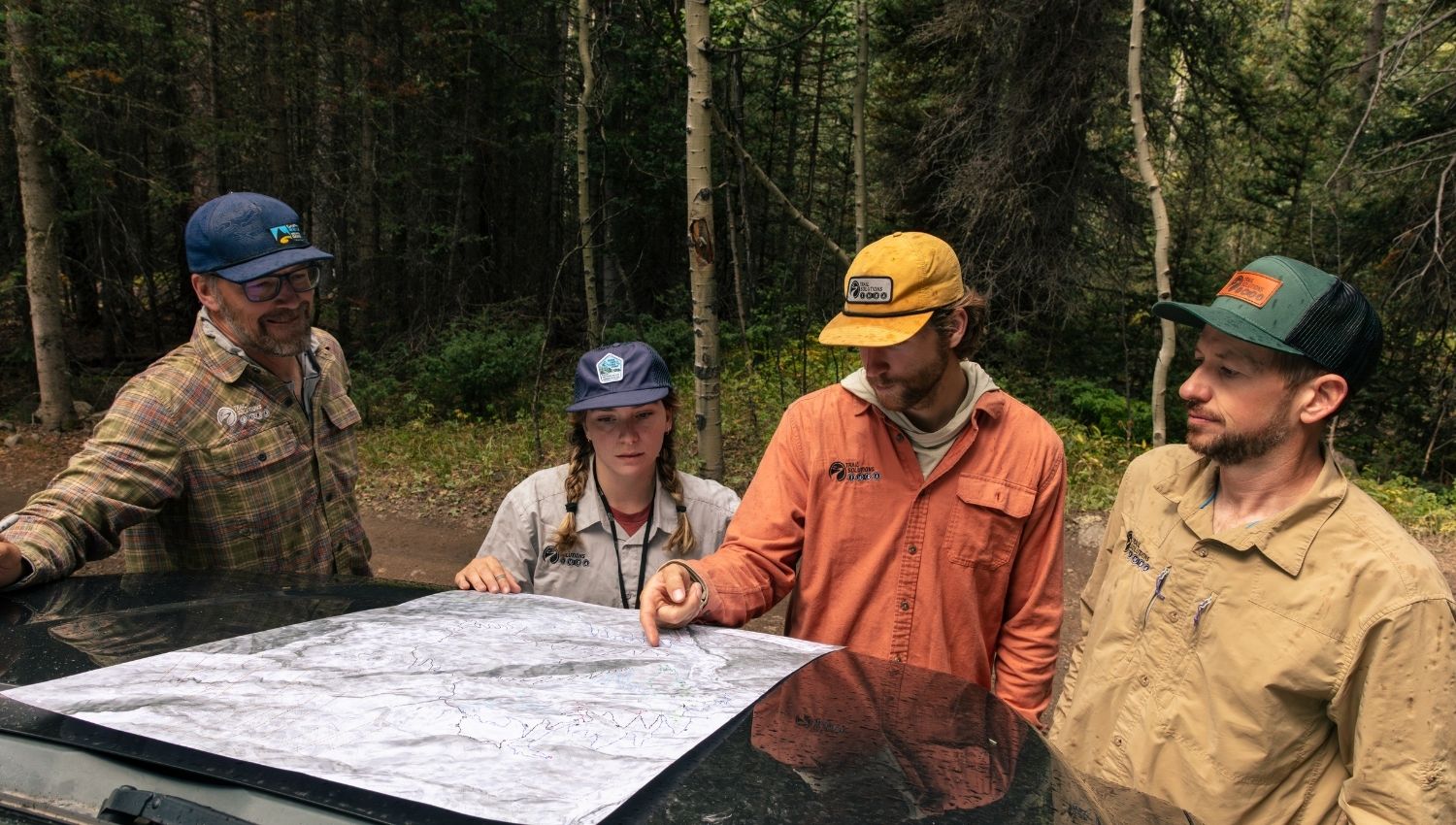
“IMBA Planner Matt Brabender and I went referred back to the original concept plan from 2018, which was a rough concept as snow covered the ground when Joey Klein visited” said IMBA Trail Solutions’ Geoff Chain,“Tim [Halbakken], Matt [Brabender] and I spent days on the ground vetting that early layout, identifying the key hub and junction locations, viewpoints, and logical connections.”
Image
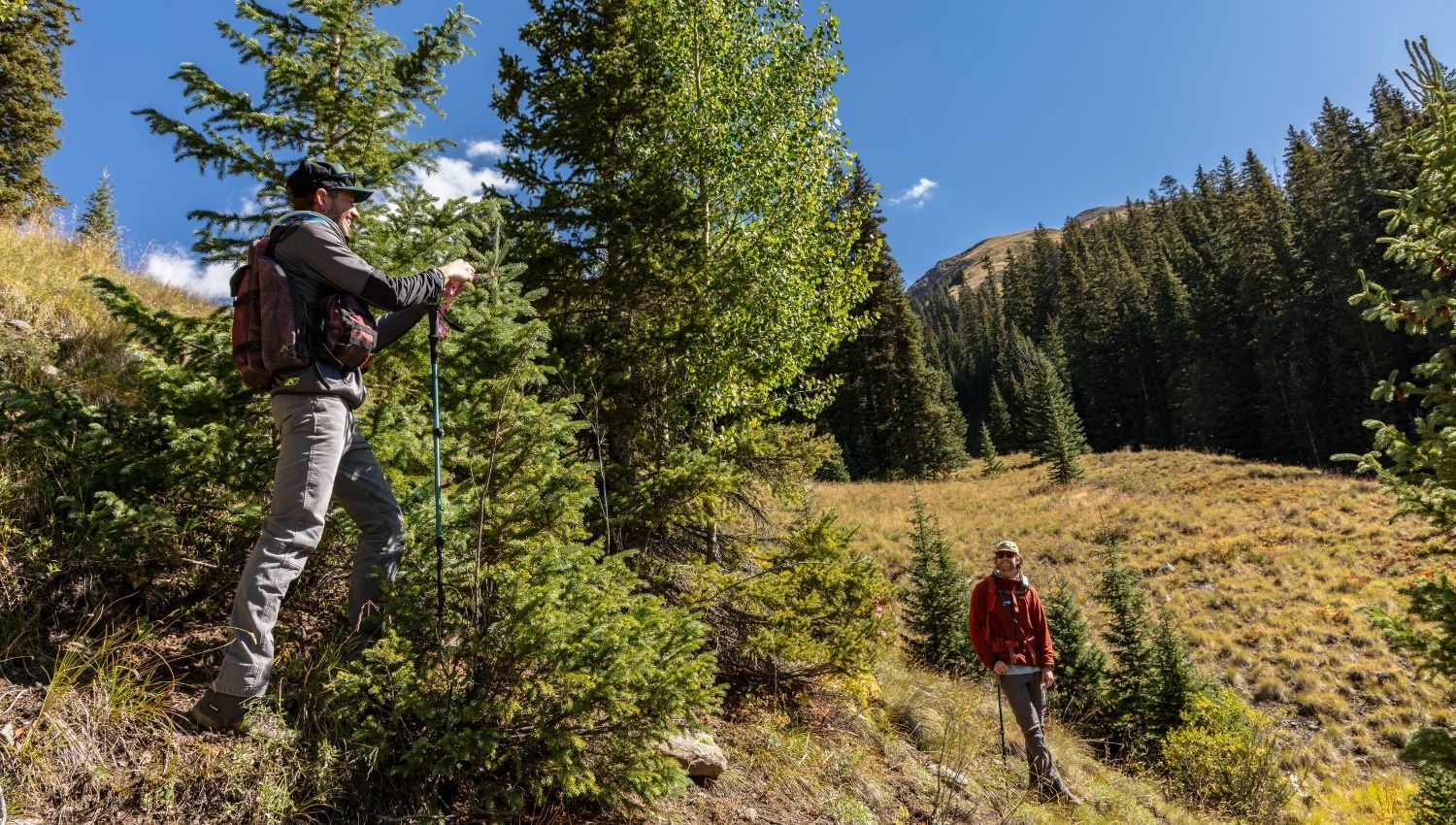
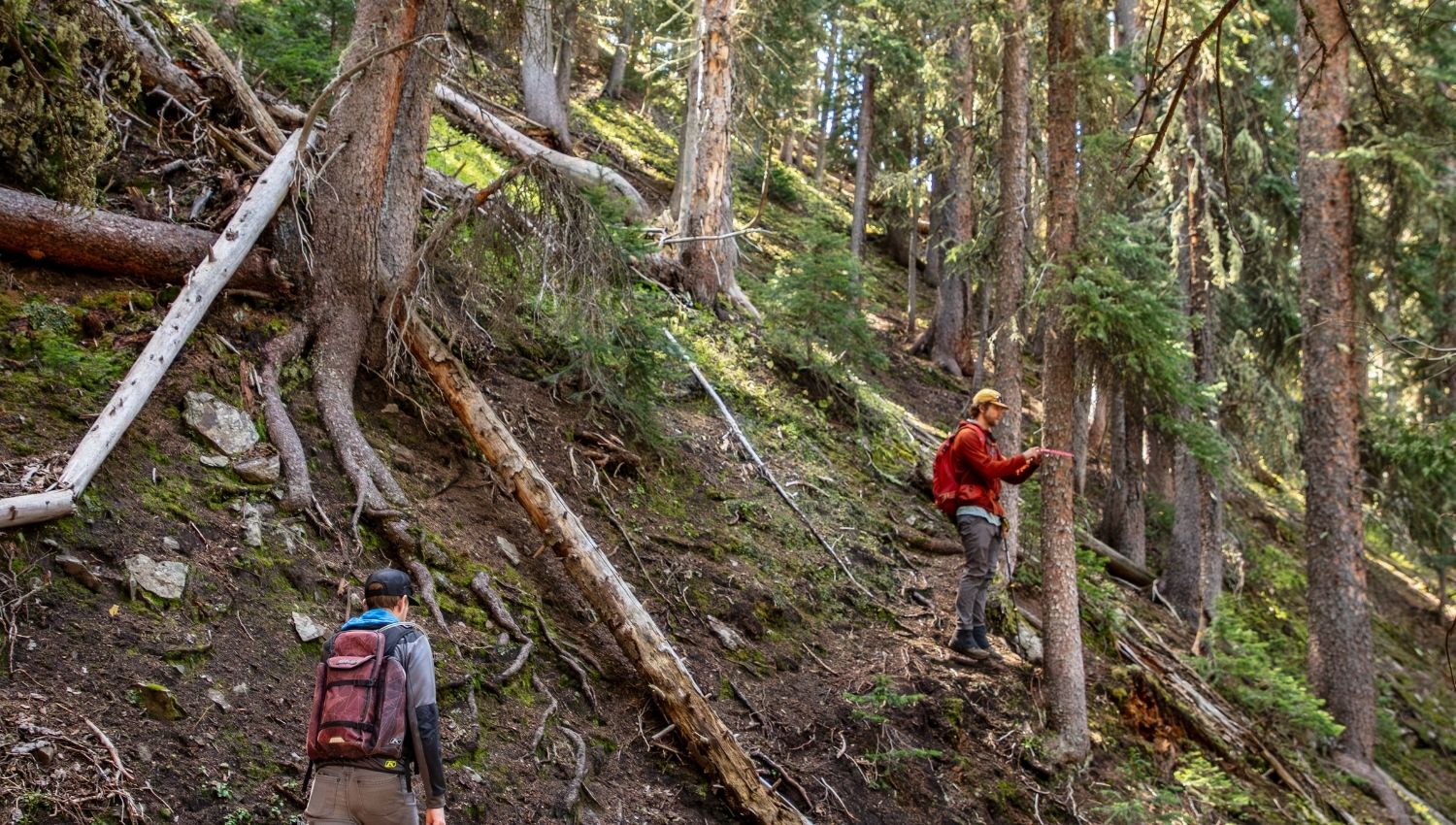
Working through steep, wild terrain, Geoff’s team averaged about a mile and a half of design per day, appropriate for the scale and difficulty of Silverton’s mountains.
“It was physically and logistically challenging,” Geoff said. “We used dirt bikes just to reach different segments. Access is challenging, the slopes are incredibly steep, but it’s spectacular terrain to work in.”
The result: nearly 30 miles of interconnected trail that climbs and loops across alpine ridges, descending through bike-optimized lines and tech-forward routes designed for both locals and destination riders.
“Once this system is built out, there’ll be almost endless loop options,” Geoff added. “From green introductions to advanced downhill, it’s one of the most diverse systems I’ve ever been a part of for IMBA.”
Image
Designing the Best of What IMBA Can Deliver
Recognizing the scale and potential legacy of the project, IMBA’s team leaned in with everything they had.
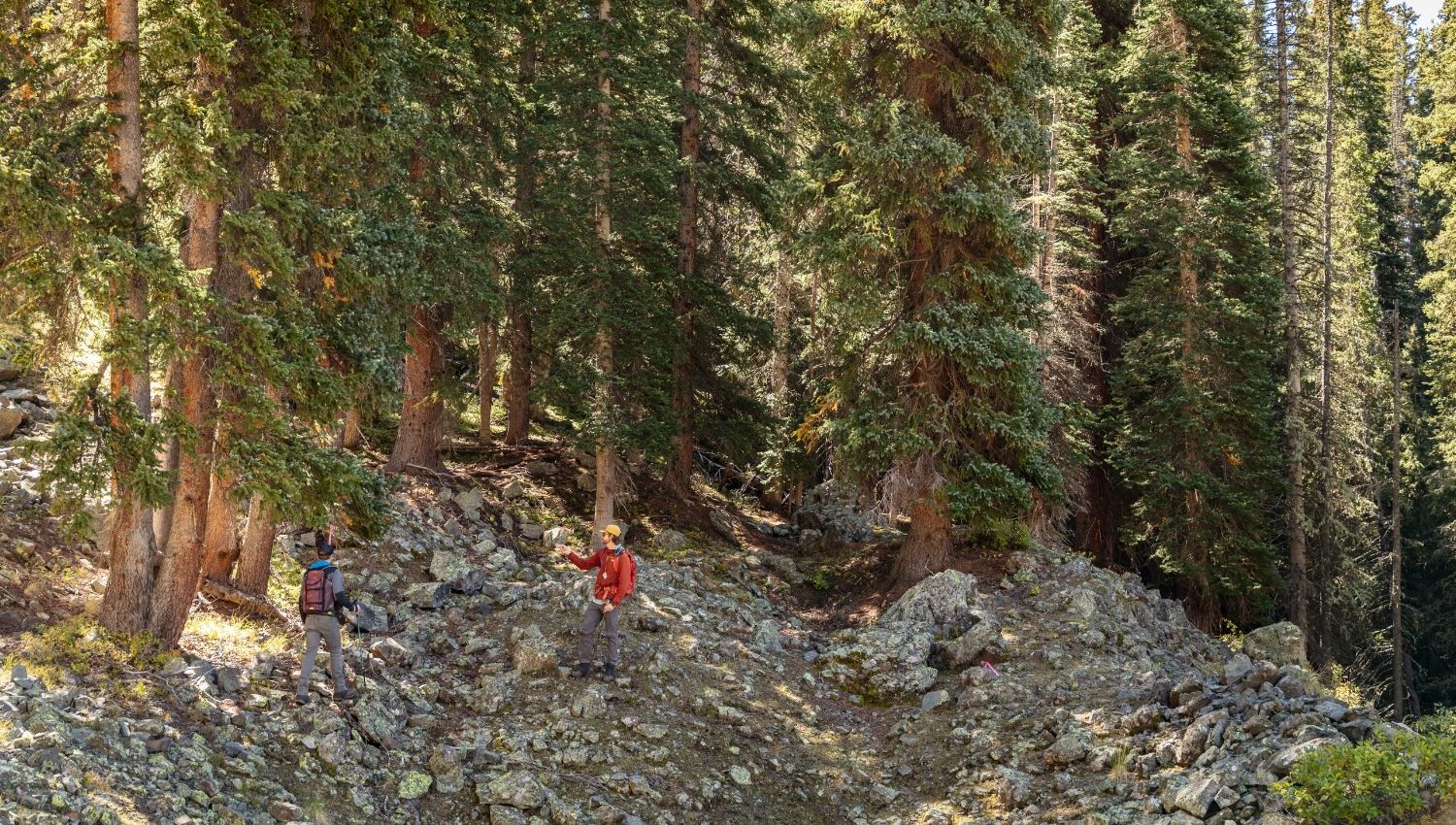
“Given the extreme site characteristics, extra time and care went into the planning and design of this phase,” said Tim. “With such complicated terrain and opportunities for varied experiences and connections, we emphasized reconnaissance and iteration before tying flags. The design we left on the ground reflects the best of what IMBA Trail Solutions is capable of, and infinite loop options that will yield a true destination mountain-bike experience.”
Image
Fresh Eyes in the High Country
For Sarah Drew, IMBA’s newest Planning & Design team member, Silverton was both an introduction and a trial by altitude.
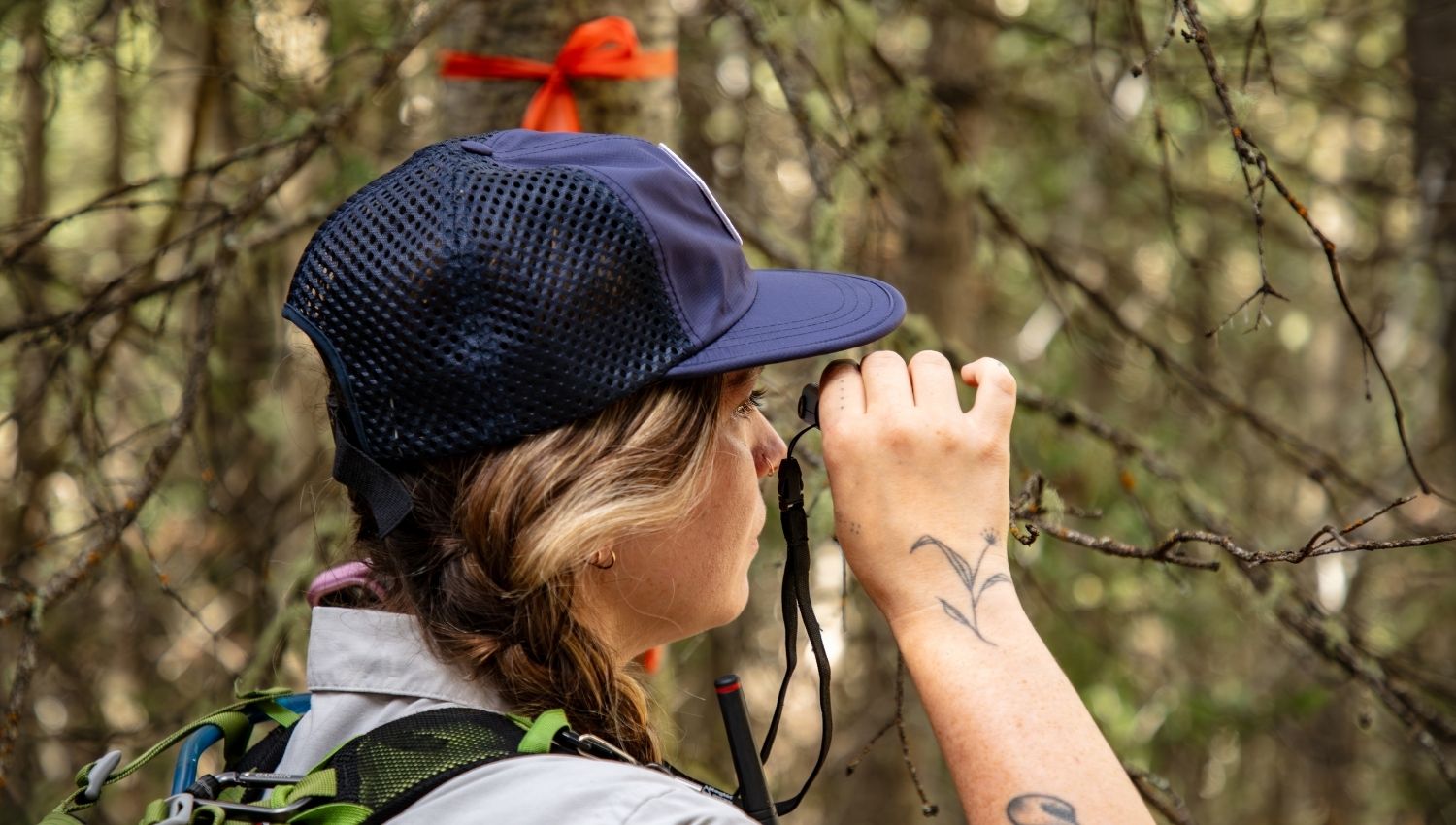
“Coming into Silverton, what struck me immediately was the sheer scale and ruggedness of the landscape,” Sarah said. “I’d expected it to be challenging, but nothing quite prepares you for what it’s like to move and flag on steep side slopes with mountains surrounding you on every side.”
Fieldwork in terrain like this tests both stamina and teamwork.
“It’s a constant process of evaluating, adjusting, and working as a team under tough conditions: unpredictable weather, rolling thunder, rainstorms. But that flexibility and attention to detail is what makes IMBA Trail Solutions different. To build something sustainable and long-lasting, you have to know the land intimately, and that takes time, patience, and a lot of boots-on-the-ground work,” said Sarah.
Image
When Sarah finally saw a completed section of trail, everything connected.
“It showed not just what was possible, but what was already happening,” she said. “And maybe the clearest testament to the team’s passion is that after long days in the field, many of my teammates were still out riding those new trails in the evenings.”
A Model of Partnership in the High Country
From day one, IMBA’s role in Silverton has gone far beyond trail design. The team has provided:
- Trail cost modeling and funding guidance to help SSTS secure grants
- Multiple plan iterations to meet environmental and community needs
- Landowner outreach and easement documentation
- Professional training through Trail Care School and on-site mentorship
- Technical design and build management in a remote, high-alpine setting
To date, nearly two dozen IMBA staff members have contributed to the Baker’s Park Trail System project: planners, designers, builders, educators, advocates, and storytellers. Together with SSTS and other essential partners and funders, they’ve turned a snowy idea into a tangible, thriving trail system rooted in community, sustainability, and shared passion for mountain adventure.
Silverton’s singletrack story is still unfolding: proof that when vision meets persistence, even the most unrelenting terrain can lead somewhere amazing. Read more about the Silverton Community in the next blog in this series, coming October 22nd.
Image