Trail Management and Wildlife Awareness
Trail Management and Wildlife Awareness
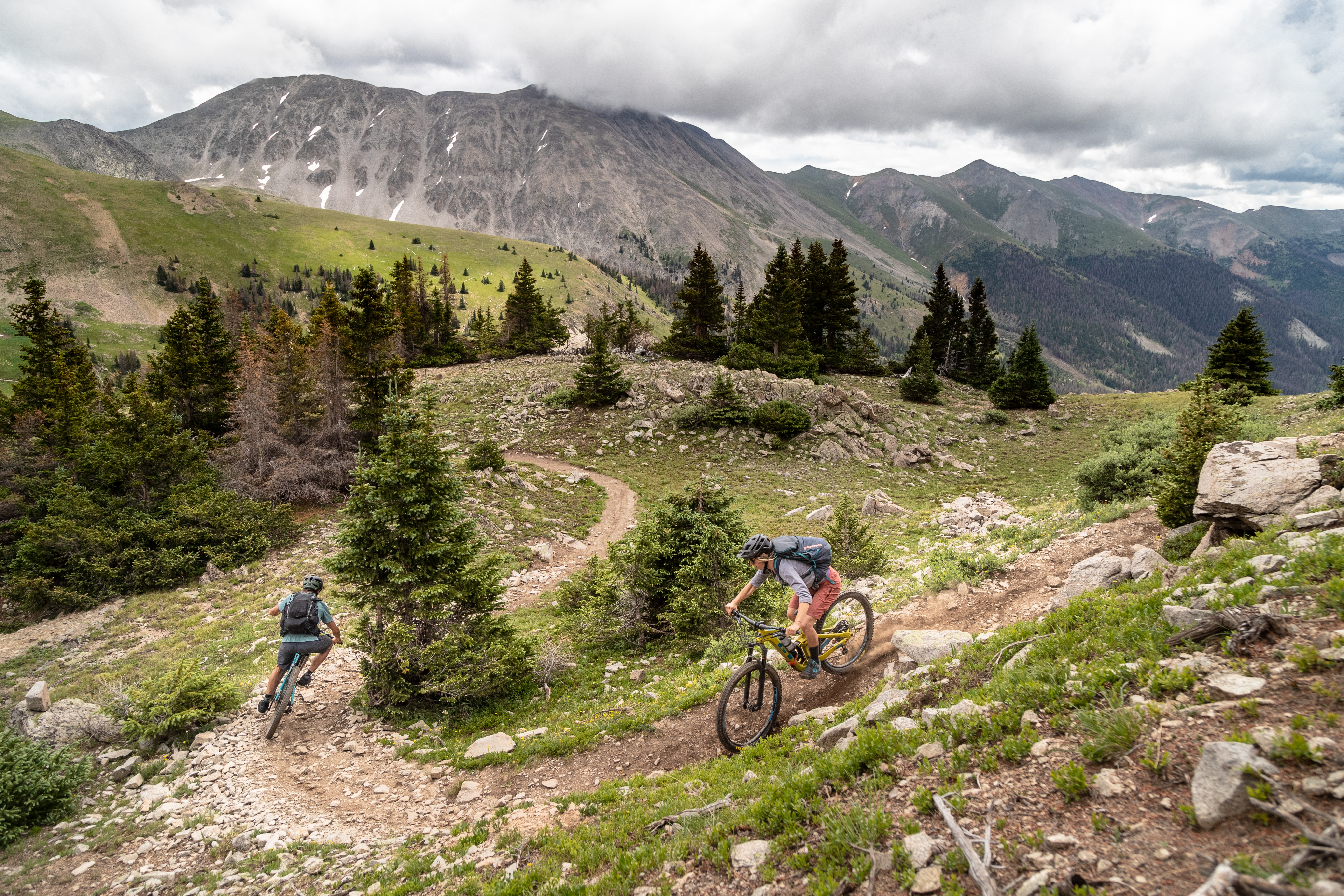
As outdoor recreation continues to grow in popularity, ensuring that our trails are developed and managed in a way that takes wildlife impact into consideration is important. This page focuses on the critical intersection of trail planning and ecological preservation, highlighting the importance of understanding how human activity affects biodiversity. The featured articles explore the current state of knowledge regarding recreationists' awareness of wildlife disturbance, provide essential guidance for integrating wildlife considerations into trail design, and analyze the specific impacts of mountain biking on natural environments.
Featured Research
Aware or Not Aware? A literature review reveals the dearth of evidence on recreationists awareness of wildlife disturbance
Published By: Nordic Board for Wildlife Research - 2020
Summary: This resource synthesizes findings from nearly fifty studies on how people perceive the wildlife impacts of their outdoor activities. It reveals that many recreationists don’t realize the disturbance they cause, often assuming others are more responsible. Research on these awareness gaps varies widely in scope, species, and methods, making direct comparisons difficult. The authors call for more standardized study designs, greater focus on underrepresented regions and activities, and broader inclusion of user and wildlife data. Their conclusion is that effective trail management and wildlife protection depend on improving visitors’ self-awareness, clarifying evidence of ecological harm, and tailoring education and mitigation measures to different user groups.
Read Study
Planning Trails With Wildlife in Mind - Wildlife and Trails Primer
Published By: American Trails
Summary: This guide explains how to design trails that minimize harm to wildlife and their habitats while still allowing for recreation. It highlights key concerns like habitat fragmentation, seasonal wildlife movements, and species sensitivity to human activity. Trail planners are encouraged to consider wildlife needs early in the design process, using strategies such as buffer zones, seasonal closures, and avoiding critical habitats. The guide also includes a Wildlife and Trail Planning Checklist, which helps planners make informed decisions that balance conservation and recreation. Case studies show real-world examples of successful trail designs that reduce user impact while protecting ecosystems. Education is also a key focus, as informed trail users are more likely to respect wildlife and follow best practices. Ultimately, the guide promotes sustainable trail development that ensures both people and wildlife can coexist.
Read Guide
Impacts of Mountain Biking on Biodiversity and the Environment
Study Conducted for: Ramat Hanadiv Nature Reserve - Israel by Anne Turbé, PhD - 2017
Summary: This study reviews research on how mountain biking affects vegetation, soil, and wildlife. It found that most environmental impacts occur during trail creation, including vegetation loss, soil compaction, and erosion, but these impacts tend to stabilize with regular use. The review also highlights gaps in research, particularly regarding long-term wildlife impacts and the spread of invasive species via bike tires. While mountain biking on designated trails has similar or less impact than hiking, off-trail riding and aggressive riding techniques (like skidding) can significantly increase environmental damage. To reduce harm, the study recommends keeping riders on formal trails, placing trails away from sensitive habitats, and monitoring key wildlife species. Ultimately, it emphasizes that sustainable trail planning and rider education are essential for balancing recreation and conservation.
Read Study

