The Power of the Pedals: Unlocking Insights from MTB Data
The Power of the Pedals: Unlocking Insights from MTB Data
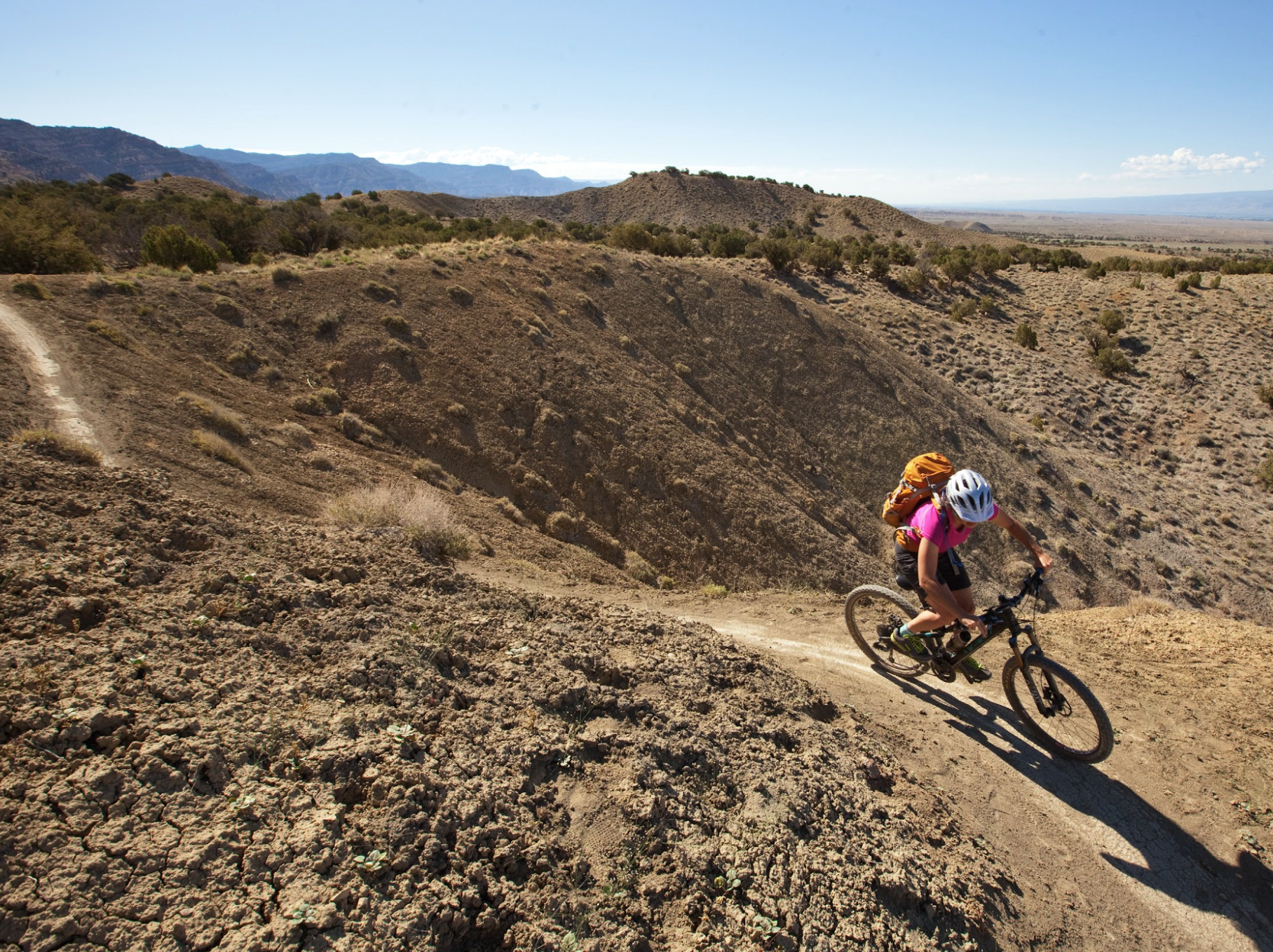
In the rapidly evolving world of outdoor recreation understanding trail, specifically mountain biking, activity is important. From trail development and maintenance to user safety and environmental protection, data-driven insights are becoming key for effective management and sustainable growth within the mountain biking community. This resource page highlights research that demonstrates the applications and importance of collecting, analyzing, and interpreting mountain biking data. This knowledge empowers land managers, trail organizations, and communities to make informed decisions that enhance the mountain biking experience while preserving the integrity of our natural landscapes.
Featured Research Studies
Squeezing the Most from Volunteered Geographic Information to Monitor Mountain Biking in Peri-Urban Protected and Recreational Area at a Metropolitan Scale
Published By: Journal of Outdoor Recreation and Tourism - 2023
Summary: This study, conducted in Lisbon, Portugal, explores how volunteered geographic information (VGI)—like GPS tracks from apps such as Strava and AllTrails—can help monitor and manage mountain biking in protected and recreational areas. Researchers analyzed over 9,500 GPS tracks from 1,319 riders across five peri-urban parks, revealing that riders’ behaviors change based on location, with some parks acting as main destinations and others as pass-through areas. The data showed high-intensity use in certain hotspots, helping park managers understand where to place signage, trail maintenance efforts, and visitor education programs. The study also found unofficial trails and trespassing issues, reinforcing the need for better trail planning and enforcement. Ultimately, the research highlights how digital tracking data can provide cost-effective insights for sustainable trail management and improve recreational planning.
Read Study
The Knoxville Urban Wilderness Trail System and Baker Creek Preserve Bike Park: A Profile of Users and Physical Activity
Published By: The University of Tennessee Knoxville - 2023
Summary: This study, conducted in Knoxville, Tennessee, examines how people use the Knoxville Urban Wilderness (KUW) trail system and Baker Creek Preserve Bike Park for outdoor recreation and physical activity. Using infrared trail counters and direct observations, researchers estimated that over 303,000 people used the trails in 2021. The majority of users were male (70%) and white (95%), with mountain biking (51%) and walking (38%) as the most popular activities. Data also showed that Baker Creek Preserve attracts more bikers, while Ijams Quarry is preferred by walkers and runners. Researchers highlighted the health benefits of outdoor activity, but also noted that women and people of color are underrepresented in trail use. The study suggests that targeted outreach, social marketing, and improved access points could help diversify trail users and encourage more participation.
Read Study
The Use of Public Participation GIS (PPGIS) for Park Visitor Management: A Case Study of Mountain Biking
Published By: Tourism Management - 2015
Summary: This study, conducted in Northern Sydney, Australia, explores how Public Participation Geographic Information Systems (PPGIS) can help park managers better understand mountain biking activity and improve trail planning. Researchers collected data through online and field-based mapping surveys, where riders marked their favorite trails, reasons for choosing them, and suggested improvements. The results showed that bikers prefer trails with good flow, technical features, and variety, and they often ride to improve fitness, enjoy nature, and challenge themselves. GPS tracking confirmed that mapped trails matched real riding behaviors, making PPGIS a cost-effective way to collect trail use data. The study also found that riders suggested better signage, maintenance, and new trail linkages, emphasizing the need for more sustainable trail planning. Ultimately, combining PPGIS with GPS tracking helps park managers make data-driven decisions to balance recreation and conservation.
Read Study
Related Resources
Get Started with your Own User Research
Published By: The Harbinger Consultancy developed this guide in partnership with the Outdoor Recreation Council of British Columbia.
Toolkit: Discover how understanding visitors and users can help your organization to better plan, educate, promote, manage, and advocate for your trails. After you’ve taken a gander, if you have questions or want some tips for best practices, reach out to an IMBA pro who can help.
Download Toolkit

