Volunteer Management, 10 Steps for Successful Events
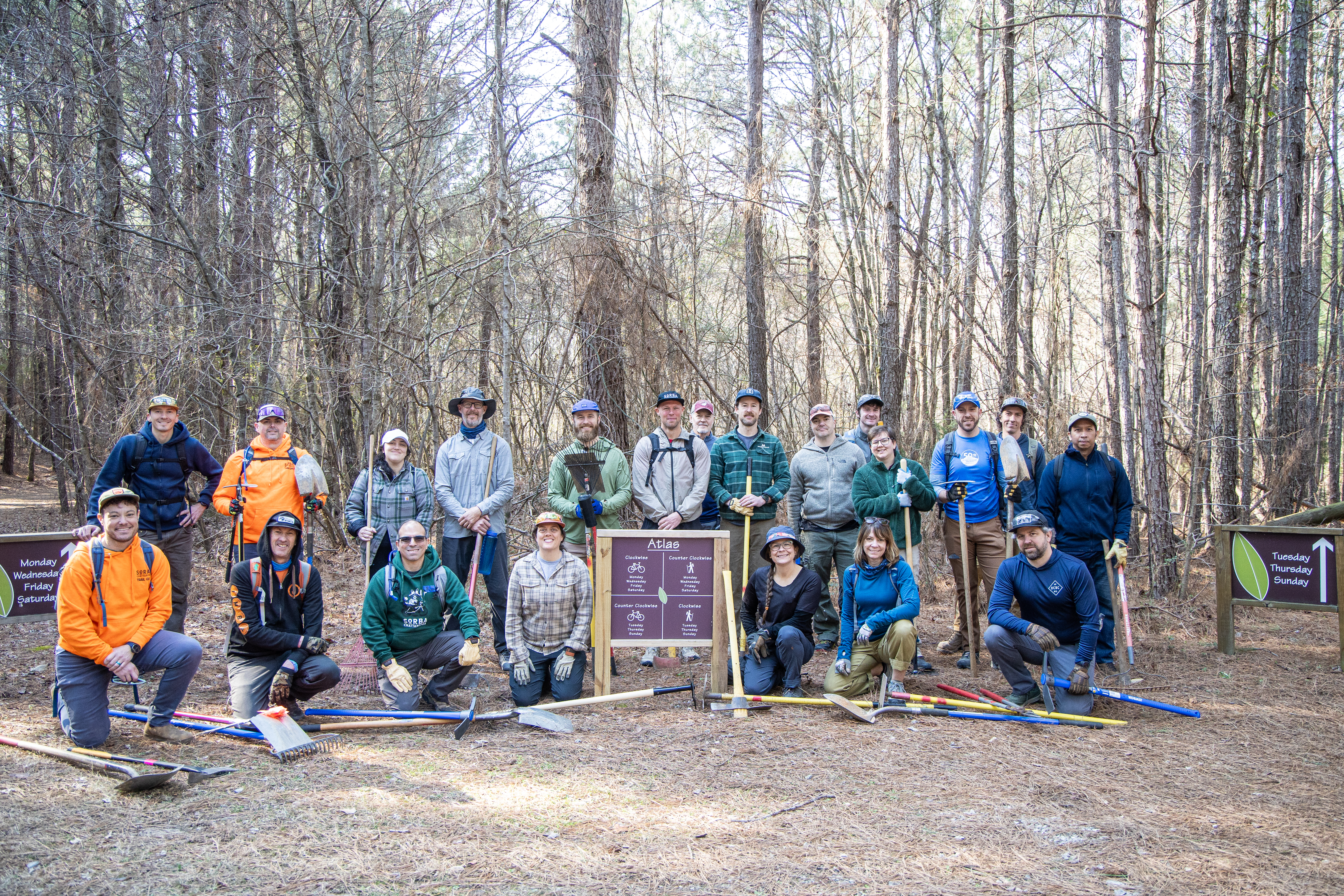
What you want: You organize a trail work party and on the big day forty keen volunteers show up at the park headquarters. The ranger flashes a big grin, welcomes the familiar faces and all the newcomers to the park and joins you on the trail for the day. The ranger then tells you about the "Volunteers of the Year" award the agency has bestowed on your club and free trailhead parking permits for the ten volunteers with the most hours logged.
What you need: a group of volunteers that actually show up, a ranger that is supportive and has the time for volunteer projects, and a system of tracking crew hours.
So what can you do about it?
Whether you are trying to get a new volunteer program going or fighting to save an old one from failure, learn how to prepare, be organized, and get some help from your friends.
Here's ten sure-fire steps that will help you create a successful volunteer program.
Steps 1-4. Preparation
1. First decide what you want and how to go about it.

Make a list of the goals of the project, then break the goals into objectives and tasks. List all the actions needed, including meeting with the land manager, getting the word out, organizing the tools, and finding local business support. Estimate how much time it will take and how many volunteers will be needed to complete each project.
2. Get help.
Find others to help spread the work load of setting up the work party. Delegate. You can't do it all yourself effectively and you risk burnout if you try. Develop a good back-up plan and a group of crew leaders that could take over if needed.
3. Be Strategic.
Develop a regular schedule with advance notice. Whether it is once a year (such as Earth Day), once a month (like the 3rd Saturday) or once a week (Tuesday nights), predictability will help people plan to be there. Use local ranger stations, bike shops, gas stations, and trail head signboards to place notices of the event. The club event calendar, community or agency web sites, and local newspapers should be used to get the word out. Set up a phone tree and call a week in advance to remind people.
4. Invite guests to join you.
The land manager is the first on your list to invite, but look for others who might be encouraged to come out and see your volunteers in action. Try the local reporter, the Parks Board, County Commissioners, even the Governor! Don't be afraid to call local TV or radio stations, they are always looking for stories and photo opportunities.
Steps 5-8. The Big Day
- Enjoyment. Don't take it too seriously, use a little humor, provide
food, encourage friendly competition, and a fun element afterwards (BBQ, ride,
regroup at the local pub or cafe).
- Education. Offer to teach some new skills, demo new tools, or ask the ranger
to provide an interpretive talk at the lunch break.
- Accomplishment. Match crew leaders and their groups to tasks that are within their capacity and the time available. Avoid leaving a job half-finished or rushing at the end, because the trail may be not safe for volunteers or trail users after you leave.
5. Orientation.
Communication is the key, so start with introductions of the agency staff, the crew leaders, and the individuals (unless the group is huge). Remind people to sign up, complete waiver forms if required and then run through a safety briefing and the day's format. Count heads and assign crew leaders, leaving one person to bring up the late arrivals.
6. Structure the day. A successful trail work party has these 3 ingredients:
7. Place signs, orange cones, or flagging to notify others.
Place notices at the trail head or work site to promote safety, give credit to your team's efforts, encourage others to join in on the day or attend the next work party. Don't let your volunteers harass or "guilt trip" other trail users who come by. Be positive and encourage them to help out next time. Offer a copy of the club's newsletter or an information sheet.
8. Be a good supervisor.
Working alongside the volunteers is important, but keeping the work flowing safely, providing encouragement and monitoring progress is essential. Give clear instructions and explain the standards and specifications so volunteers and crew leaders can understand the "why" and the "how" of the work at hand. Take notes and photographs - especially "before and after" shots - for the project record and report.
Steps 9-10. Follow Up
9. Provide recognition.
Everyone likes to know they are appreciated so make sure you thank volunteers for coming on the day. You may even provide a souvenir, such as water bottles, T-shirts, or coupons, to remind them of the day. Afterwards, write up the event in the club newsletter or annual report. Recognize top volunteers at the club's year end celebration. The sign-up sheets and notes you took will help you give credit where credit is due.
10. Keep good records.
It is very important to keep good records of the time you put into the project preparation, the events of the day itself, and the number of volunteers/hours generated. This information will help in planning the next event, and can be used to show the club's commitment. Grant applications are stronger when they demonstrate a track record of volunteer projects. Please share this information with IMBA, which tallies the trailwork hours and miles opened to build credibility for all mountain bicyclsts.
One last thing
Don't take it too seriously. Remember to have fun, keep it interesting, and help others make a difference. Go for it and good luck!
Ressource en français: Gestion des bénévoles, 10 étapes pour un événement à succès!