The Colorado Trail: A Long Distance, High Altitude, Shared-Use Model

The Colorado Trail is arguably the best long distance trail in the United States for mountain bikers. It gains this distinction in part by default: many of this country's famous long distance trails - the Appalachian and Pacific Crest for example - don't allow bikes. While the Arizona Trail and the Continental Divide Trail promise to offer mountain bikers an exceptional experience, these are still works in progress, years or even decades away from completion. The Maah Daah Hey and Kokopelli are outstanding trails, but they are less than a quarter the length of the Colorado Trail.
A few facts about the Colorado Trail (or CT as it's commonly known): The CT travels 469-miles from Denver to Durango. Along the way it crosses the Continental Divide five times and gains 75,920 feet of elevation. The vast majority of the trail sits above the oxygen-deprived 10,000-foot mark.
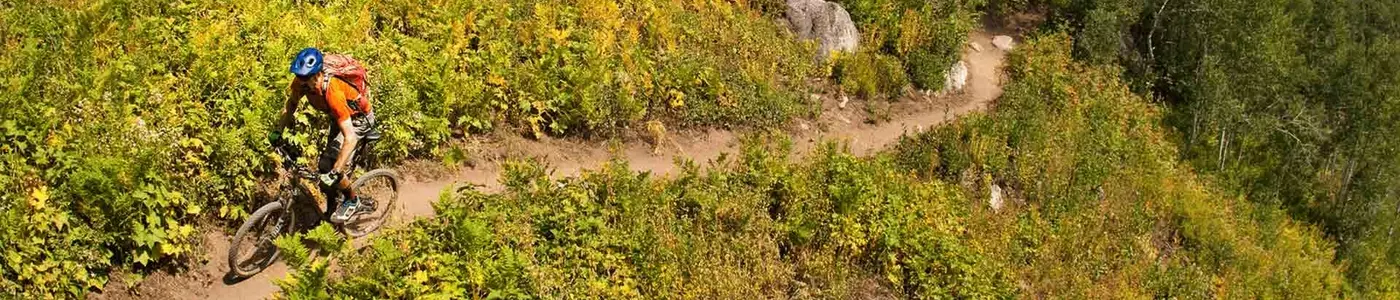
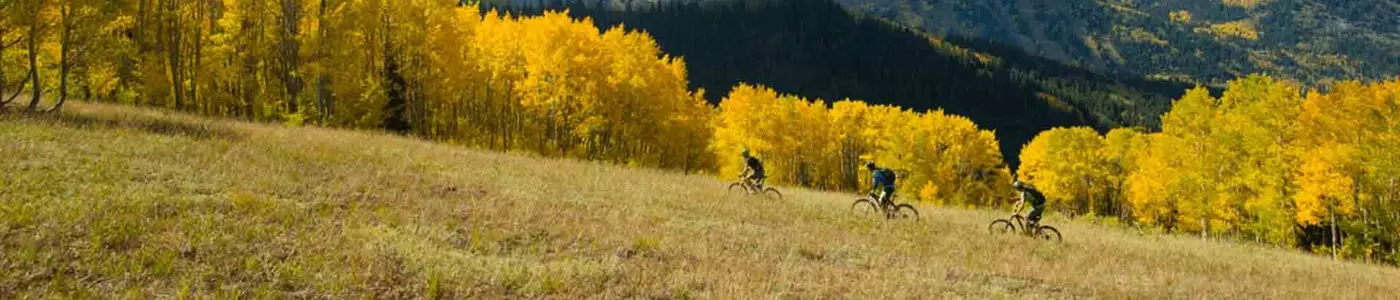
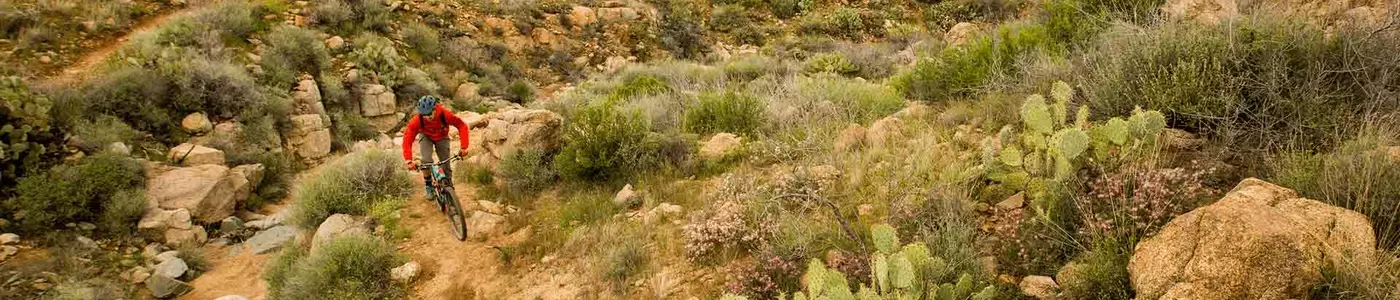
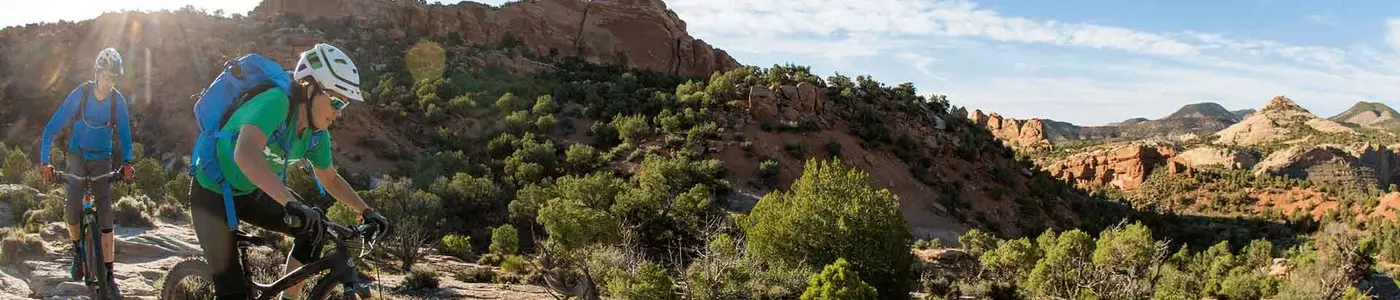
Perhaps the most staggering feature of the Colorado Trail is the sheer quantity of singletrack. The trail is approximately 90-percent singletrack - much of it meticulously crafted, well-built tread that would make a great example for any trailbuilding class. This singletrack crosses some of the most dramatic and remote country in the lower 48. It ascends surreal mountain passes, crosses alpine tundra, winds through aspen and pine forests and traverses the headwaters of famous rivers.
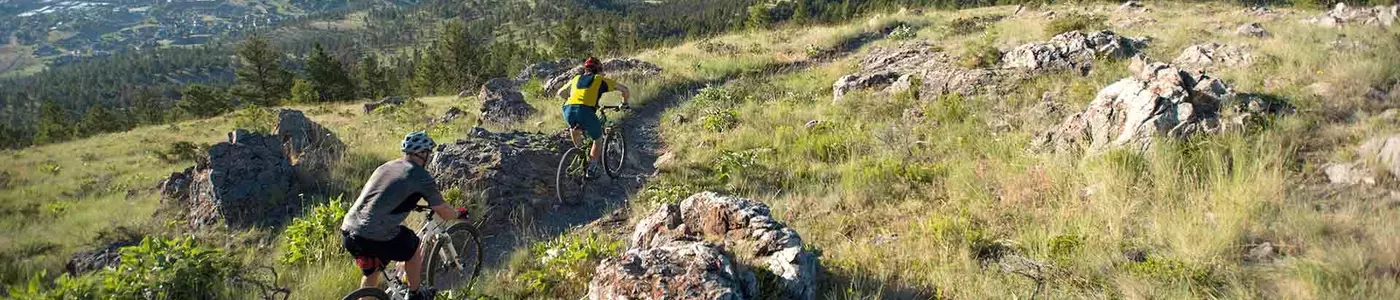
The segments near Denver and Durango are popular with day riders, and offer some of the finest singletrack in the state. And because the route connects old road accessible mining towns scattered about the Colorado Rocky Mountains, it's possible to do a multi-day, vehicle supported trip.
"The trail is becoming more and more popular with cyclists," said Colorado Trail Foundation volunteer coordinator Suzanne Reed. "Especially near the Front Range."
There are obstacles along the way. The trail crosses six designated Wilderness areas - 150 miles worth - which are off limits to bikes. Yet rather than use this as a reason to close the trail entirely to cyclists, groups like the Colorado Trail Foundation, IMBA and other organizations have worked together to create a trail that everyone can use.
The Colorado Trail would not be a reality without outstanding partnerships between recreation and environmental organizations, federal land management agencies and a massive volunteer effort. The trail was originally conceived by the U.S. Forest Service and the Colorado Mountain Trails Foundation in 1974, but struggled because of lack of focus and Forest Service budget cuts. In the 1980's the trail received new momentum, thanks to the state government making the trail a priority and the work of hundreds of volunteers. Trail volunteers built 60 miles of the route in the summers of 1986 and 1987, and the trail officially opened in autumn 1987.
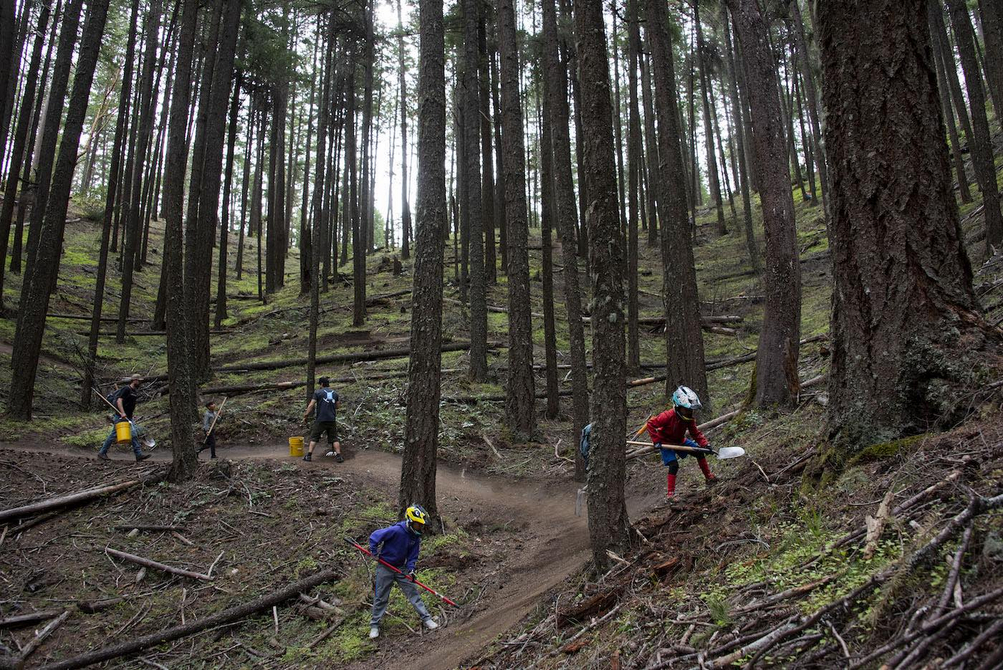
Trailwork on a 469-mile route is never complete. The original trail utilized many historic, poorly constructed paths. Volunteers now focus on replacing these original routes with well-built, sustainable singletrack. Mountain bikers play a key role in the upkeep of the Colorado Trail. Front Range mountain bikers from the Denver-based IMBA affiliate Trail Conservation Services (home.mho.com/tcsinfo) help build and maintain trail that is popular with both cyclists and hikers. Meanwhile, in near Breckenridge, the Summit County Fat Tire Society (www.sfts.us) has officially adopted sections of the trail and hosts regular volunteer trailwork days. And in the southwestern part of the state, mountain biking and shared-use IMBA affiliate extraordinaire Trails 2000 (www.trails2000.org) has done an exceptional job transforming the section of the Colorado Trail near Durango into some of the best singletrack in the world.
Perhaps even more impressive than the volunteer cooperation has been the progressive attitude of the trail's original founders. Predominantly hikers, the early leaders worked with IMBA and IMBA-affiliated clubs to educate visitors on proper trail ethics and create a shared-use trail based on cooperation, not exclusion.
"Our mission is to create a linear, non-motorized, multi-use trail," said Reed. "Mountain biking fits into this perfectly."
More help is needed. There are sections of the CT near Salida and Gunnison that badly need repair and volunteers who are willing to adopt these sections.
"We are always looking for more groups to work with," said Reed.
"We're currently planning for next summer, so if there are individuals or groups who would like to get involved we could definitely use the help."
For more info on the Colorado Trail or to get involved visit www.coloradotrail.org, email ctf@coloradotrail.org or call 303-384-3729.