IMBA - International Mountain Bicycling Association
What would we do without trails?

How Racers Can Help the Sport of Mountain Biking

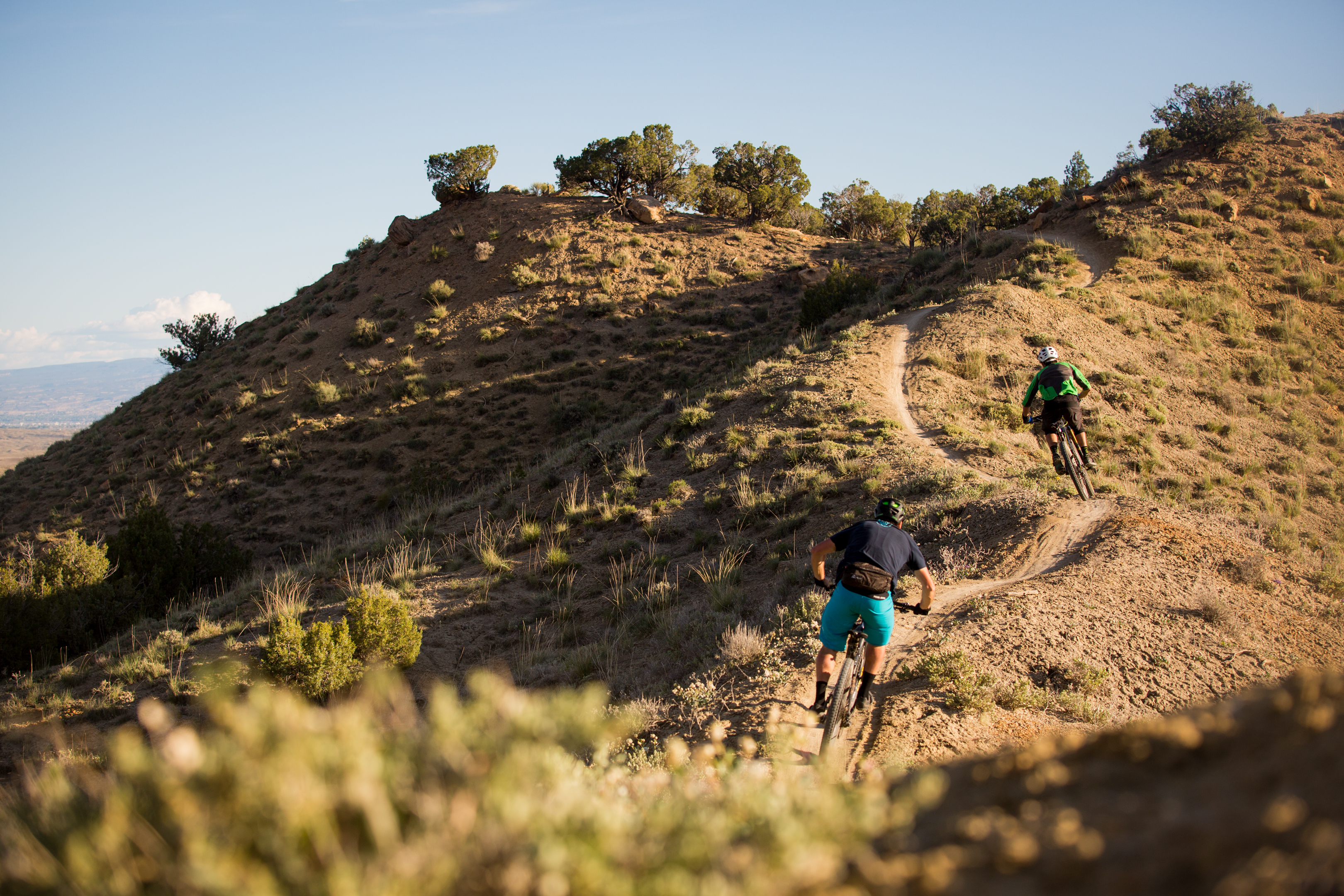
If you're a mountain bike racer, you're naturally focused on training, nutrition, getting enough rest and improving your competitive performance. IMBA would like you to think about two other things, too: the image of mountain biking and the future of trail access.

As a racer, you are an image maker for our sport. You have tremendous influence on recreational off-road cyclists--particularly young riders. And you depend on reasonable access to trails. If trails are open to bikes, your training and riding enjoyment benefits. If trails are closed, you have no choice but to pedal on the road or travel longer and farther to the trailhead.

Image and access: Here are few of IMBA's ideas on ways you can help.

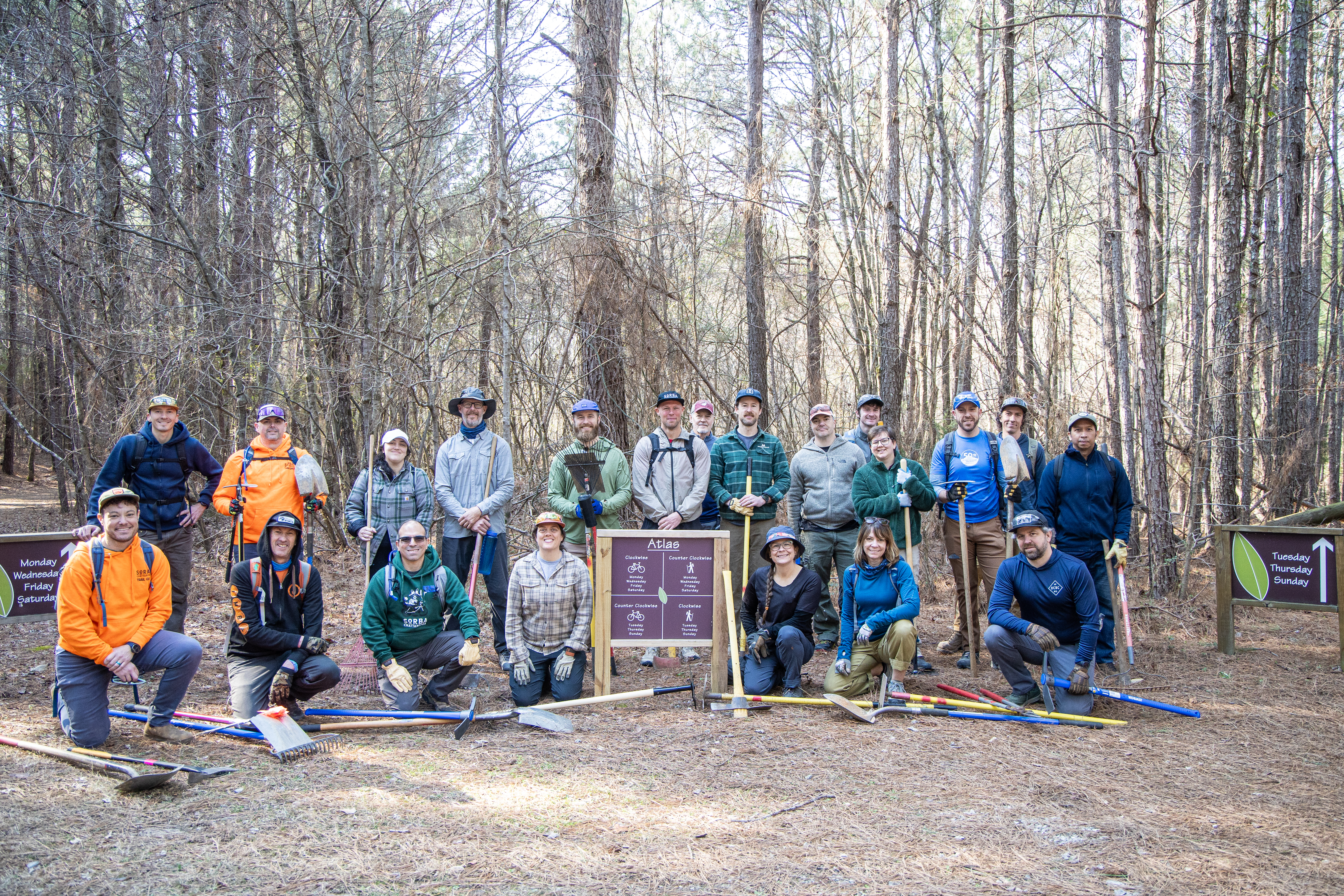
  1. Don't just train; maintain. Help your local mountain bike club maintain trails. If there isn't a volunteer effort already in progress in your region, start one. Focus your trail work on problem areas, such as steep switchbacks or low-lying areas that have poor drainage. Invite the local newspaper to write about and photograph your efforts. Quantify your volunteer hours and always make sure your work is approved by the appropriate land management agency and coordinated with other trail user groups. Many state racing series offer points for trailwork. And aside from doing good work for trails and assuring continued mountain bike access, your rake and shovel work is excellent cross-training!
  2. Share the joy. Introduce someone to the wonders of mountain biking. Teach the sport to a friend or even a local land manager. A land manager who rides and appreciates mountain biking is an invaluable ally. Bike shops are often willing to donate a bike to a land manager, especially when the recognize that a positive-minded government official usually means positive mountain biking policies. Another idea: start a mountain bike clinic for beginning riders. Establish weekly sessions at a regular time and select a trail location that is scenic, uncrowded, and not too tough.

  3. Take a walk on the mild side. Take a hike on the trails you usually ride. There's no better way to develop understanding and respect for the experience of foot travelers on shared trails. And who knows, you may spot a water bar or switchback that needs repair. At the least, you can pick up trash.

  4. Keep off! When trails are muddy, partially frozen, or severely rutted, consider alternatives to riding them. Top off-road racers mix in a couple days of road pedaling each week into their year-round training regimes. Skiing, running, weight work, basketball, in-line skating, volleyball, swimming, or hiking with ski poles are just some of the countless other appealing training options.

  5. Never forget the basics. Beyond IMBA's 6 Rules of the Trail, a few common sense rules apply to all training on multi-use trails. Schedule fast training rides for early in the day when trails are likely to be least crowded. Keep groups small (3-5).

Email this page Printable Version


Help | Site Map | Copyright
IMBA Homepage Join IMBA Now!