IMBA - International Mountain Bicycling Association
What would we do without trails?

Sample Forest Planning Comment Letter

One of the most frequent questions IMBA receives is "What do I say in a comment letter to my local Forest or Park Manager?" The following is an excellent example letter provided by IMBA Board Member Jim Hasenauer. This letter was sent as IMBA's official comment letter for Southern California Forest planning. Such letters are an official record of public input which provide clubs and individuals a way to participate in the public land management process.


Greetings,

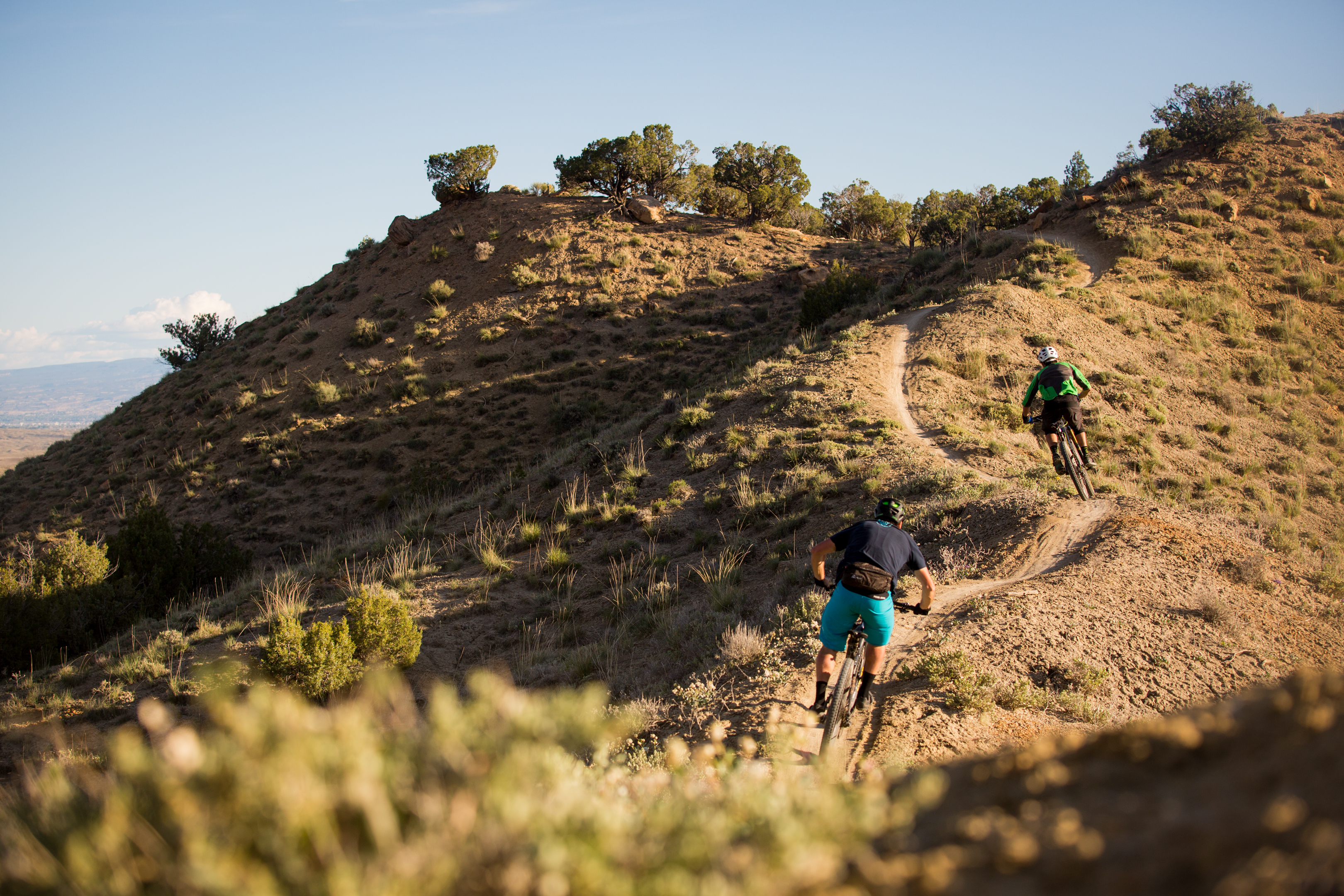
IMBA welcomes the opportunity to participate in Southern California Forest planning. Mountain bicyclists have enjoyed recreation on the Southern California Forests since the very invention of the modern mountain bike in the 1970's. In Southern California, where urban escape nourishes our bodies, minds and spirits, the Forests are extraordinarily important to mountain bicyclists who value the terrain, the flora and fauna, and the rich variety of trail experiences available to us. I'm sure you know that there are many, many mountain bicyclists enjoying the Forests of Southern California.

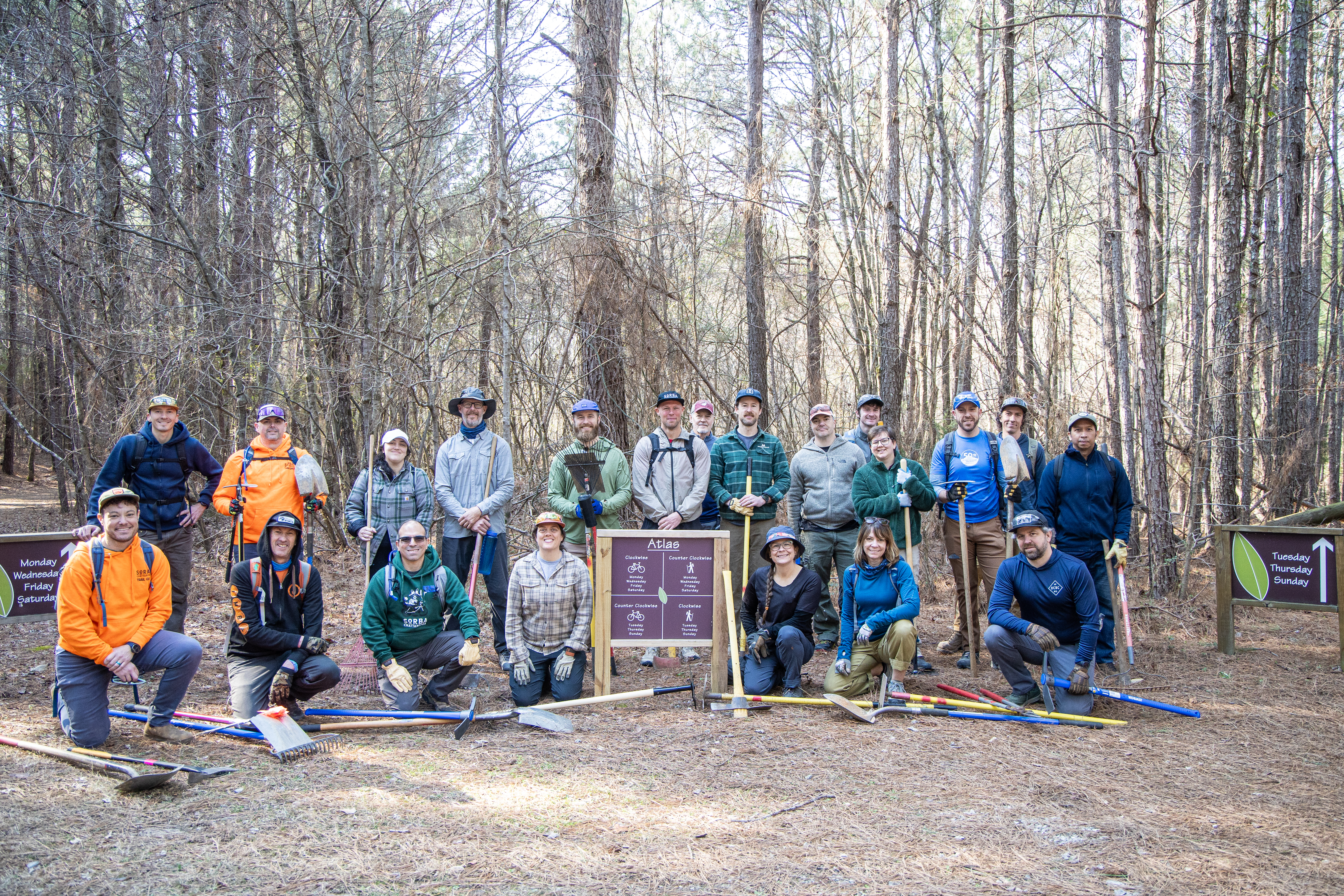
Mountain bicycle groups, many of which are associated with IMBA, have developed active volunteer programs to assist the Forests in trail maintenance, volunteer patrols and a number of other significant joint endeavors. IMBA and the US Forest Service signed their first MOU in May of 1994 (94-SMU-041). In October of 2000, we signed a new MOU (00-11130124-224) which extends to October 20, 2005 (http://www.imba.com/resources/agencies/usfs_memo.html). It is in that spirit of cooperation and mutual support that we enter this process.

General Comments

There is an abundance of scientific literature suggesting that responsible mountain bicycling is an appropriate, sustainable, low impact, quiet form of trail recreation. It is muscle-powered recreation, and both the motives and impacts of cyclists are not distinct from hikers nor equestrians. Bicyclists like these others, seek urban escape, nature appreciation, wildlife observation, exercise and a variety of other enriching outcomes when we visit the Forests. It is important to us, that our needs are considered and our motives and impacts are not confused in this planning.

ROS Primitive Zones On p. 17 of the Proposed Action, bicycling is not included on the list of appropriate recreational activities in the ROS class of "Primitive Recreation". We should be. Our recent IMBA-USFS MOU specifically notes that "mountain bike use is not excluded from areas inventoried as primitive in the Recreation Opportunity Spectrum." Historically in several land planning efforts, bicycle use has been confused with motorized use. This may be because of confusing and inconsistent interpretations of "mechanized" or "mechanical" in federal documents. In any case, on trails, mountain bicycle use, should be considered in the various primitive areas, not just in the semi-primitive non-motorized zones and beyond.

Proposed Wilderness: A related concern is that of proposed Wilderness designation. As you may know, Wilderness designation presents a thorny problem for the mountain bike community. On the one hand, we are environmentally minded and generally support the highest levels of resource protection. On the other hand, current regulations prohibit bicycle use in Wilderness. Pp. 13-14 of the Proposed Action list several potential new Wilderness areas in the Southern California Forests. IMBA representatives and members of local mountain bike clubs have been meeting with members of the California Wild Heritage Campaign and staff members of Senator Boxer's office about many of these proposed areas. IMBA's goal is to identify Wilderness areas we can support and to modify boundaries of other areas so that we might be able to support them as Wilderness. In other cases, we hope to find alternative designations (e.g., Wild and Scenic Rivers, National Conservation Areas, National Recreation areas, Protection Areas, etc.).

Many of the areas identified on pp 13-14 have significant trail riding use. Their loss to responsible bicyclists would be terrible. Worse, would be their loss if other kinds of protection could protect the resource and still allow bicycles. We trust the land managers of the Southern California Forests to protect these areas. We ask that you carefully consider the impact on responsible forest bicyclists, if these areas were to be closed. As the planning process continues, we will be happy to discuss existing use, boundary considerations and designation alternatives for many of these areas. I know already of cyclists' serious concerns with Trabuco in the Cleveland and Strawberry Peak, Pleasant View, Silver Mountain, Sheep Mountain and Condor Ridge in the Angeles. There may be serious concern from local cyclists in several other areas. We will get you this information as it becomes available.

Roadless Areas & Roads to Trail Conversion IMBA has supported Roadless areas and feels that these areas should be protected as such. We would note that the impacts of trail construction, maintenance and use have not been shown to be the same as road construction, maintenance and use. We welcome trails in roadless areas and we also support road-to-trail conversions when old roads no longer serve their purpose.

Trail Systems Mountain bicycling is a trail based activity. We value trail diversity and connectivity. Especially in urban interface areas, the Forests should provide for a number of dispersed entrance points to the trail system and should look for opportunities to connect trails to one another. We also value shared use trails. These features give trail users the greatest variety of experiences to choose from. Such trail systems accommodate the largest number of users, they minimize impacts, they are most cost efficient in terms of maintenance and monitoring and they build a community of trail users.

While IMBA recognizes that some trails might exclude bicyclists or some other uses, we firmly believe that such trails should be the exceptions. There are times when restricted use trails make a lot of sense. We support totally accessible trails; braille trails; trails that separate users at crowded trail heads; horse trails that lead to stables and specific horse facilities; competition trails for cyclists, trail runners, equestrians; nature interpretation trails which migh receive high use from children; etc. For the reasons claimed in the preceding paragraph though, in most cases, we believe that trails should be shared-use.

Two significant trails worth mentioning specifically are the Pacific Crest Trail and the California Riding and Hiking Trail. In each case, good Forest planning will enhance opportunities for trail visitors. The PCT currently bans bikes, but this does not have to be the case. Several years ago, the PCT management group acknowledged the right of individual land managers to manage the PCT as they saw fit. There are many places in Southern California where allowing bikes on the PCT would enhance the value of the trail as a recreational resource. In addition, bike use would also make a great deal of volunteer labor available for PCT trail maintenance. We ask that you consider where opening the PCT to bicycles would make good planning sense.

The California Riding and Hiking Trail is an historic trail project that was never completed. While much of the trail is "on the ground", many of the original easements have been lost or abandoned. Still, the concept of a multi-use, non-motorized recreational trail that circumnavigates the state is extraordinarily appealing. Many in the California trail community are working to revive the CRHT. The Southern California Forests have the potential to be a very important resource in that effort. Please consider the CRHT as the planning process continues.

User conflict As a responsible mountain bicyclist who has been involved in trail advocacy for many years, it did not surprise me to see several disparaging comments about mountain biking in the "raw comments" section of your web page. It was actually heartening to see how few there were and also to note the large number of positive comments about cycling. Several studies, some of which done right here in Southern California have indicated that perceptions of user conflict are often magnified by the multiple complaints of a small number of people. People often have a hard time getting along with those they consider to be different. This is normal human behavior, but not an acceptable way to build public policy. There is an abundance of evidence to suggest that the key to reducing user conflict is cooperation and communication between trail users.

IMBA offers its resources to you in your planning efforts. We hope to help build a plan for the Southern California Forests that protects our wonderful resources, repairs our damaged ecosystems and welcomes responsible forest visitors to an array of outdoor recreation opportunities. Please contact us if we can be of further assistance. Please keep both me and IMBA on your mailing lists.
Thank you.

Jim Hasenauer
IMBA Board Member

Email this page Printable Version


Help | Site Map | Copyright
IMBA Homepage Join IMBA Now!