IMBA - International Mountain Bicycling Association
What would we do without trails?

Shared Use or Single Use?

Land Manager's Mountain Bike Management Toolkit

An excerpt from "Trail Solutions: IMBA's Guide to Building Sweet Singletrack"

Shared-Use Trails

Some land managers believe separate trails will eliminate user conflict, with one trail for mountain bikers, one trail for hikers, and so on. Separating trail users is a commonplace strategy in recreational land management. The problem with this policy, however, is that responsible bike use is, in fact, compatible with most other types of trail use. When all visitors observe basic trail etiquette, their encounters with other users will be harmonious, and most people will have a satisfying experience on the trail.

From day one, IMBA has advocated shared-use trails. This position is based on the following seven beliefs:

  1. Shared-use trails best accommodate the needs of the most users. Open trails disperse users across an entire trail system, while single-use or restricted-use trails tend to concentrate users, increasing negative social impacts through crowding.
  2. Sharing trails helps build a trail community. Visitors are encouraged to cooperate in order to preserve and protect a common resource. Encountering other types of users on a trail offers the opportunity to meet and talk, which helps to establish mutual respect and courtesy. Separate trails, on the other hand, can sometimes breed ill will, territoriality, and rivalries.
  3. Shared trails are most cost effective for land managers. They require fewer signs and less staff, which simplifies monitoring and enforcement.
  4. Shared trails empower responsible, experienced users. Novices and "outlaws" are exposed to conscientious, courteous users, and the opportunity for peer regulation is enhanced.
  5. Shared-use trails take better advantage of the available space. Quite simply, they provide more trail for everyone to enjoy.
  6. Shared trails require less trail miles and therefore have less impact. Building additional trails for individual user groups increases the ecosystem impacts including potential habitat fragmentation and water sedimentation.
  7. Shared-use trails manage the most visitors. Trails that lead to major destinations, such as waterfalls and scenic vistas, should be shared-use, since all visitors will want to see a point of interest. For the same reason, trails that serve as major travel corridors are more efficient when shared.

Single-Use Trails

Separate, single-use trails disturb more land and can breed resentment. Mountain bikers, in particular, feel frustration when they ride up to a beautiful, twisty singletrack only to discover that it is posted with a NO BIKES sign.

That said, IMBA recognizes that local conditions vary and that there are cases where single-use trails do make sense. Here is a list of situations where separating visitors may be the best option:

  1. Crowded Trails: Popular trail systems with very crowded trails can have a blend of shared and single-use routes. Visitors won't enjoy a traffic jam when they are seeking relaxation and a connection with nature. Different routes for hikers and bicyclists can help provide a desirable experience.
  2. Crowded Trailheads: Trail systems can have separate access points that cater to specific users. One entrance can be designated for equestrians and include horse-trailer parking. Another parking area can be designated for hikers and bikers. The trail network can blend shared and single use.
  3. High-Speed Trails: A designated trail can allow advanced runners and riders to race-train at higher speeds without bothering other visitors. Phoenix, Arizona, has an outstanding network of trails ringing the city, highlighted by a few trails called "competitive tracks" designed for high-speed use.
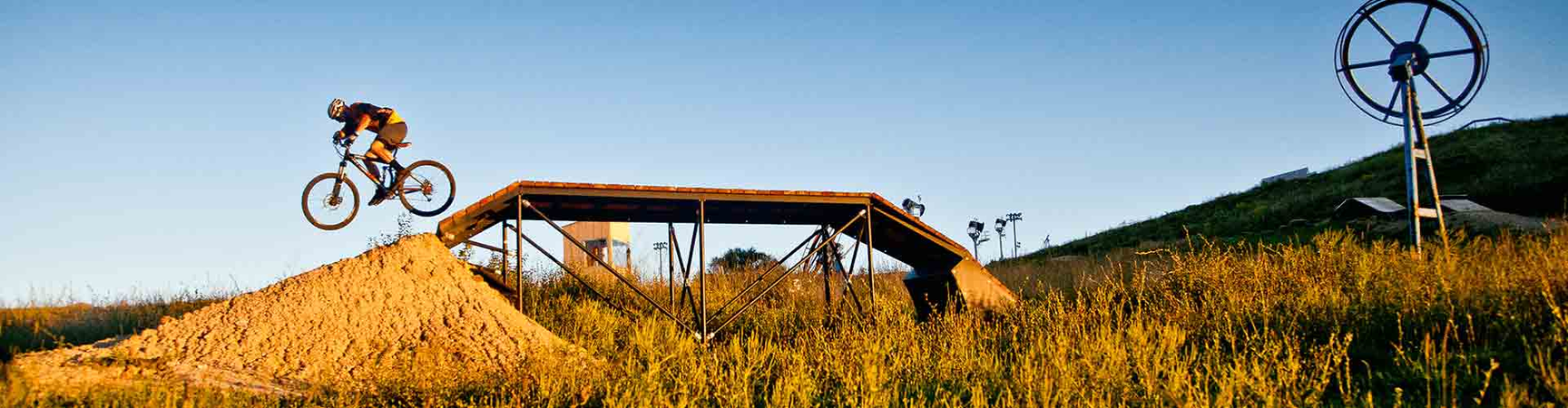
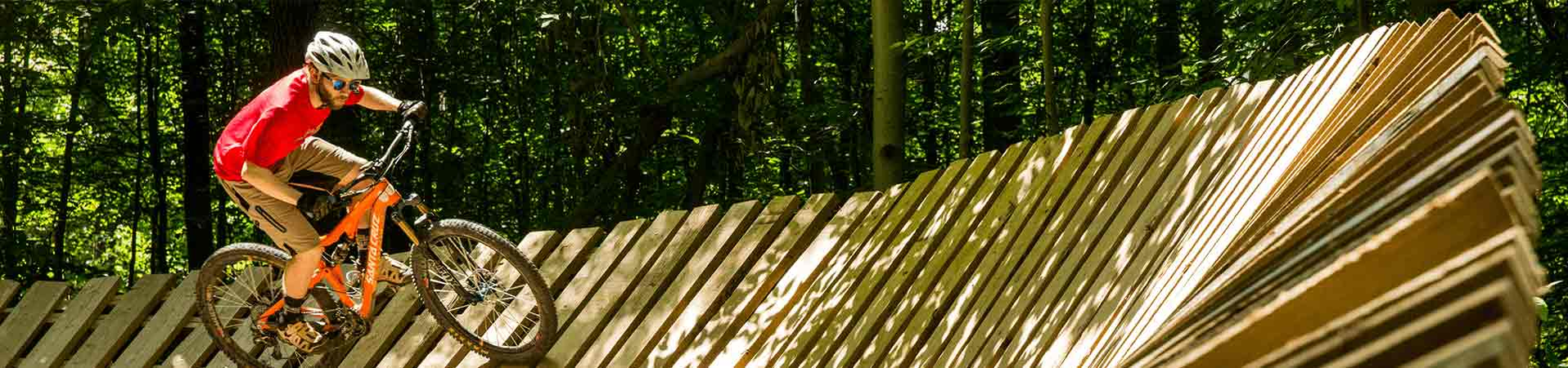
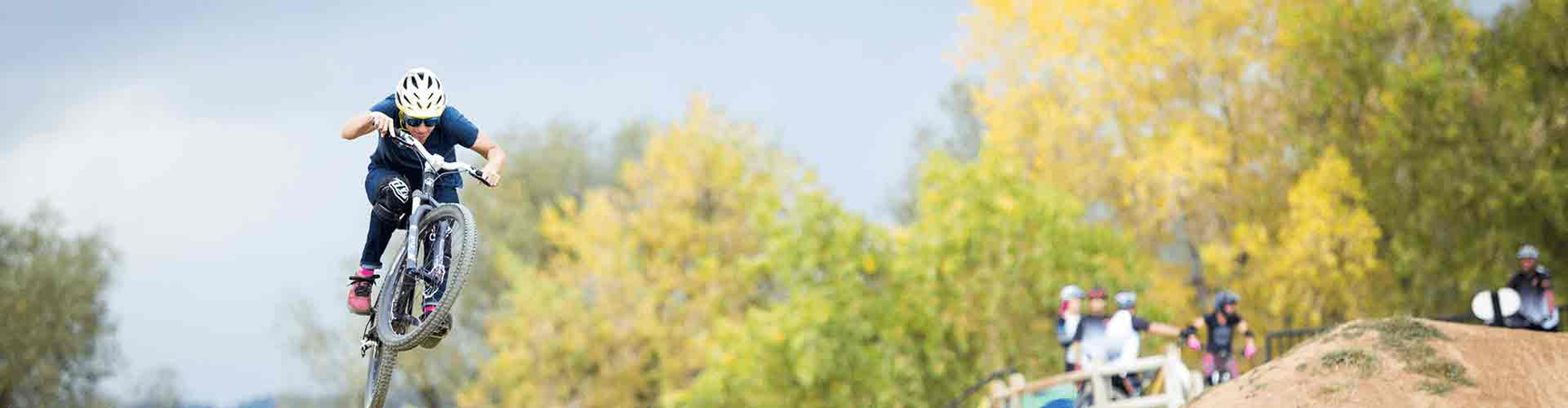
  4. Challenge Parks: A mountain bike playground can be set-aside for riders to hone their skills in isolation. A practice area with a wide variety of challenging obstacles, from easy to difficult, will allow for skills progression. A challenge park is a perfect place to offer skills clinics.
  5. Nature Trails: A single-use trail can be created to provide hikers or birdwatchers with the seclusion they desire. Likewise, trails for disabled visitors may benefit from restricted use.
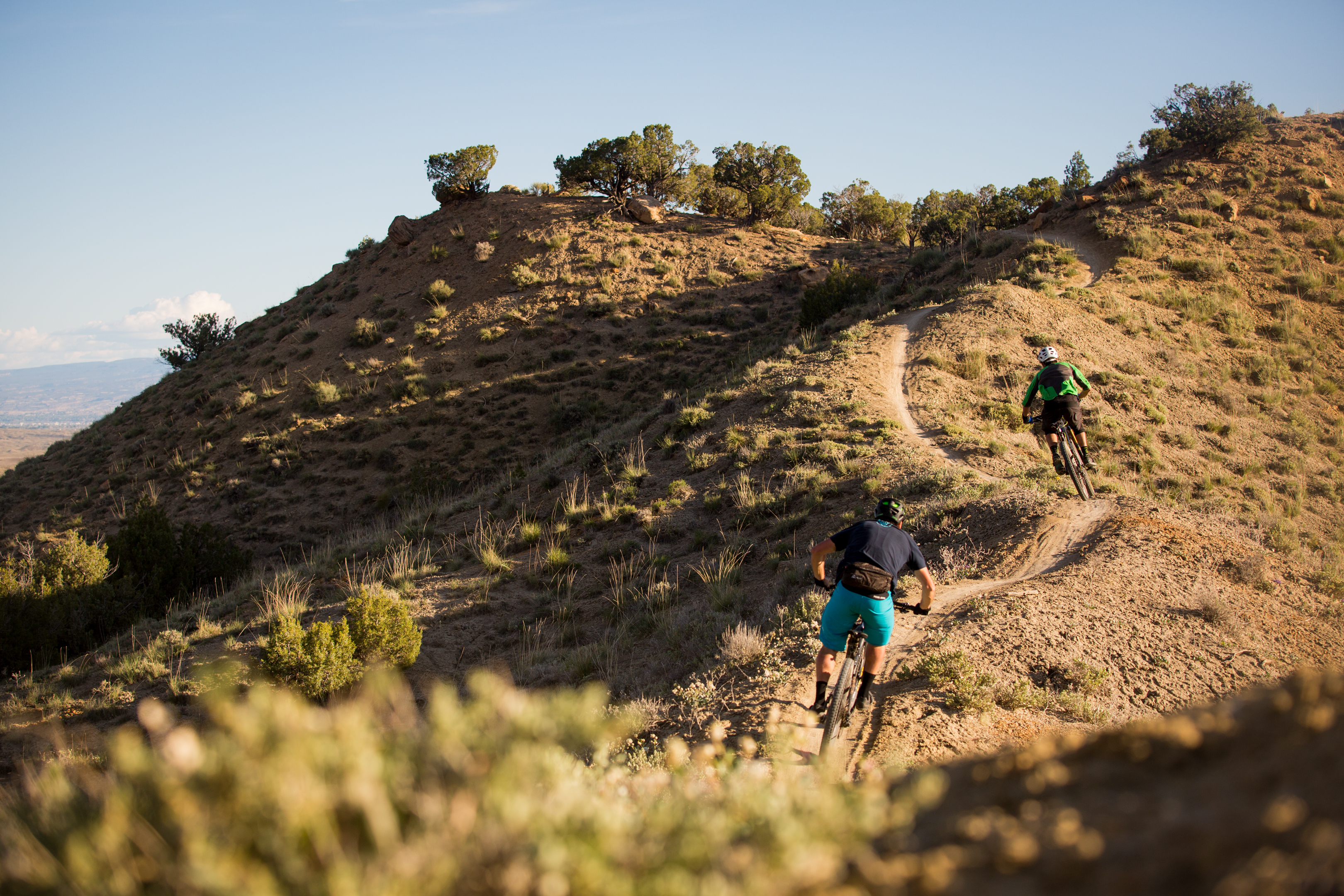
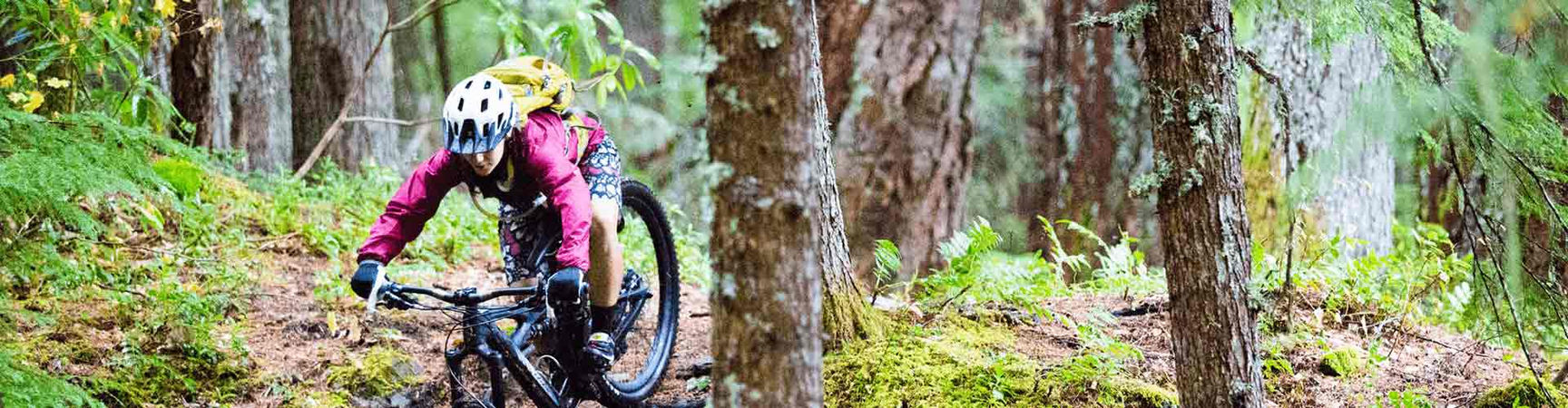
  6. Extraordinary Mountain Biking Trails: The experience of riding a narrow, roller-coaster trail where twists and turns unfold under your wheels in a rocking rhythm is highly valued by mountain biking diehards. These types of trails envelope riders in a zone of exhilaration and are most successful when they are specifically designated for mountain bikers.

Email this page Printable Version


Help | Site Map | Copyright
IMBA Homepage Join IMBA Now!