Shedding Light on Night Riding
Land Manager's Mountain Bike Management Toolkit
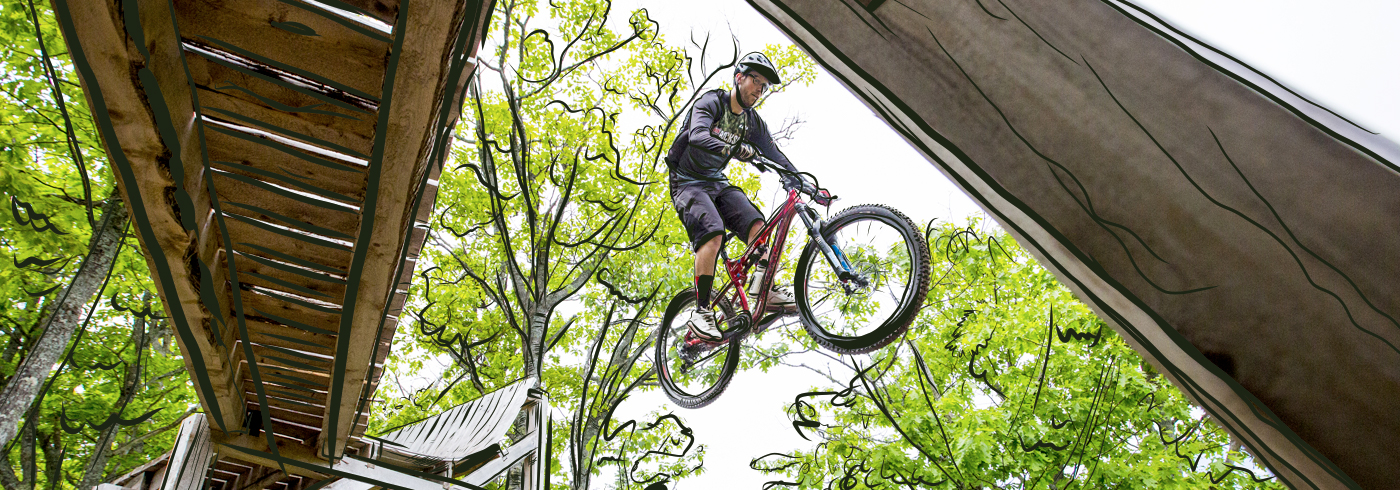
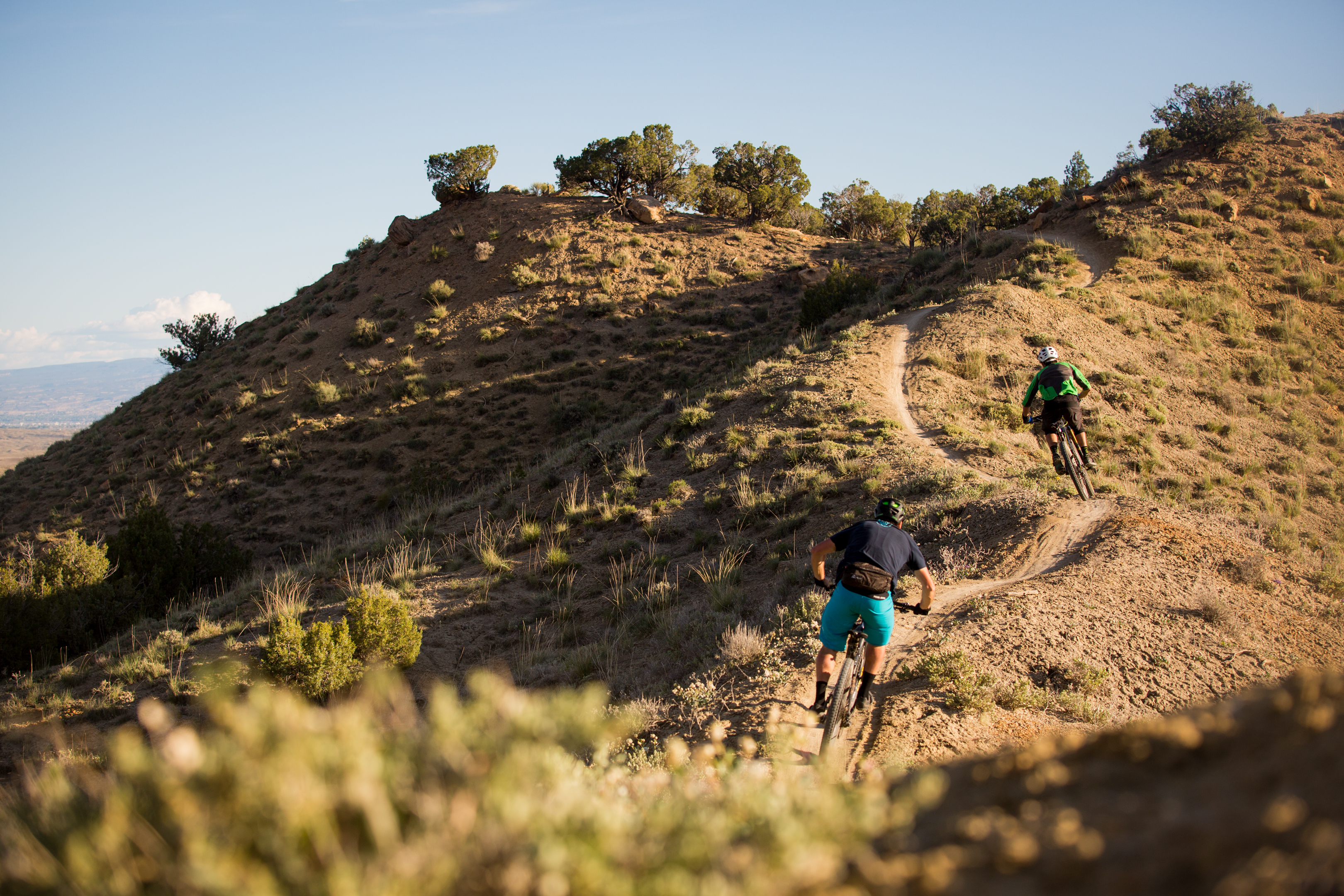
For some, it's a necessity. For others, a thrill. Whatever the motivation, mountain biking at night is a totally unique experience. Our most trusted sense - sight - suddenly is reduced, accentuating sound, smell and raw instinct.
For many mountain bikers, night riding is common. Summer heat in the desert southwest discourages riding during the hottest hours, so some mountain bikers in these locales ride after the sun has set. Elsewhere, short days in the fall leaves working stiffs with little trail time. Instead of buying a gym membership, an increasing number of mountain bikers are investing in light systems.
Night riding has some issues. Many parks close at sunset. Obviously this rules out night riding. In urban areas, there are also concerns for the safety of mountain bikers because some parks attract illegal activity such as drug and alcohol use, theft and vandalism. Finally, the nighttime impacts of mountain bikers and other visitors on wildlife isn't well known.
In this article we'll present info from dedicated night riders to provide solutions and act as a catalyst for further discussion.
Sunset Closure Versus Time Closure
For parks that close at night, there are generally two policies. Some parks close at sunset. Others close at a consistently set time.
The IMBA affiliate STORM in San Antonio, Texas has a regular Wednesday night ride in a local park. The park closes at 10 p.m. year round, so mountain bikers have a few hours to ride.
Is a set closure time that allows for limited recreation at night a good policy? "I've often wondered why it's unreasonable to keep a park open until the same time every day year round, rather than only until dark," said IMBA board member Krisztina Holly.
Holly and the New England Mountain Bicycling Association (NEMBA) are one of a handful of groups that have worked to change a sunset closure rule. "NEMBA attempted to have the rules changed in Massachusetts State Parks to allow all users the ability to recreate after dusk if they had adequate lighting systems," said NEMBA executive director Philip Keyes. "We argued that since snowmobiles were allowed to do so, others should be allowed to as well. We did not get permission."
Set closure times are usually preferable to sunset closures. Cyclists and other trail users still have a few hours after work or school to enjoy the trails, and wildlife still has time at night where humans are not in the park.
A key component is clear trailhead signage informing visitors of the set times where night use is allowed, and explaining why the closures are essential for wildlife habitat and visitor safety.
Impacts on Wildlife
IMBA knows of no scientific research that examines the impacts of mountain biking at night on wildlife. However, when parks enact nighttime closures, wildlife is often a major reason. "Our parks are a constant highway of people all day, especially in the evening," said Roger Harvey of Jefferson County Open Space, a Denver-area parks department that is one of the most mountain biker-friendly in the United States. "Park curfew finally gives the land back to the wildlife. It frees them from encroachment and harassment from humans. They can finally move about the park at will. Studies by our staff show that wildlife is more active at night. We understand that providing recreation is important, but we need to balance this by providing undisturbed time and places for wildlife."
Human beings do have an impact on wildlife, both day and night. It's important to note, however, that mountain bikers are not the only people visiting parks at night. Many parks feature "full moon" hikes and other such nighttime activities. Many more people use parks at night on their own. As always, IMBA believes in equal management policies for nonmotorized user groups.
The Eyes and Ears of a Park
Night closures exist for many reasons, but are usually not specifically intended to keep mountain bikers out. Urban parks sometimes attract illegal activity. Vandalism and illegal motorized use often occurs after dark.
In many locations, mountain bikers have helped with these problems. "Our local preserve appreciates night riders," said San Diego mountain biker and advocate Erik Basil. "We are the eyes and ears after dark. When riders from our group encounter motorcycles or 4x4's in the preserve, we've been asked to call the land manager directly on his after-hours line. He then sends the cops after the violators. It's been working."
California IMBA rep Shaun Reid organizes volunteer patrols in parks near Oakland, California. "The city likes our presence in the park," says Reid. "We have an agreement that allows patrolling at night."
These examples are unique, but night patrols are growing as word of their success spreads. "The manager of a local park recently told me that he has relaxed the park's dusk closure for bikers riding with lights," said Washington advocate Mike Brixey. "His reasoning is that cyclists provide extra eyes to alert park management of illegal activities."
Next Steps
Night riding warrants more discussion. If you have a story or info to share, send it to info@imba.com. We will collect tips for future publication.