Managing Visitors Through Trail Design
Land Manager's Mountain Bike Management Toolkit
An excerpt from "Trail Solutions: IMBA's Guide to Building Sweet Singletrack"
You Control the Speed
Some trails attract inexperienced mountain bikers who are still learning how to manage their speed. Sometimes they'll ride too fast and make other visitors uncomfortable, other times they'll brake too suddenly when approaching a turn or obstacle and damage the trail. For these reasons, speed is best controlled by the designer, not the rider. There are numerous ways to keep bicyclists from traveling too fast.
Corralling, Chokes, and Turns
Corral the Trail
Include objects to define the sides of the trail and emphasize turns. Also called trail anchors, these can be large rocks, logs, trees, or other obstacles staggered on either side of the trail that serve as physical and visual barriers to keep visitors on the trail and slow riders.
Install Chokes
Create a slight narrowing of the trail with rocks or plants to control speeds. Also called gateways, these should be installed just prior to spots in the trail where users will need to slow down, such as sharp turns and trail intersections. Chokes encourage riders to gradually apply their brakes well in advance of sensitive areas. (Hmmm... it looks like the trail gets more technical up ahead. I better slow down before I get there.) Make sure the narrowing flows naturally with the trail. Otherwise people may find it annoying and may create a new route around it.
Use Turns
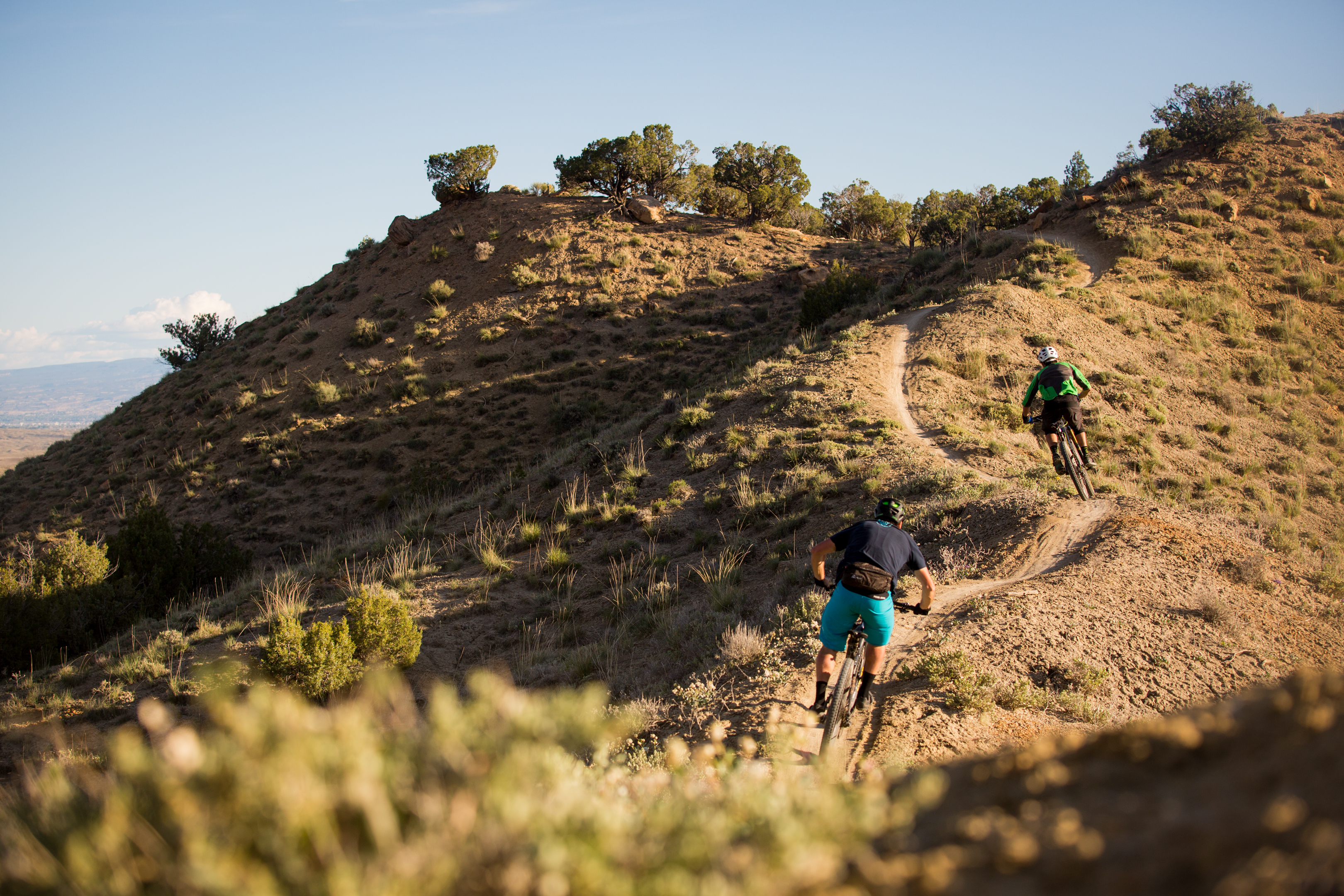
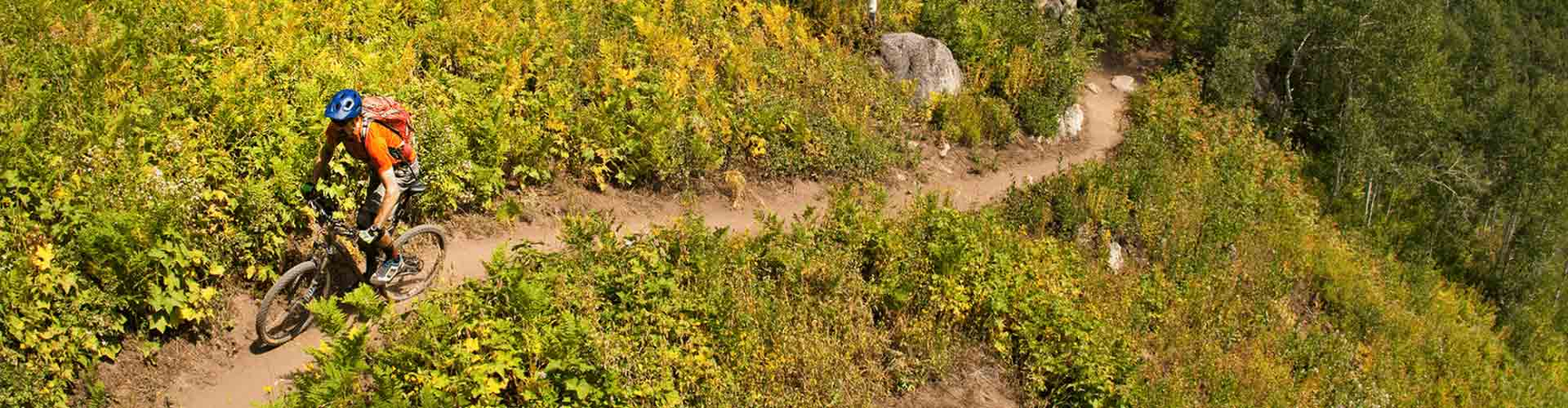
You can also build a tight and twisty trail, with constant ups, downs, lefts, and rights. Since trail users must stay focused on an always-changing trail, they feel like they are traveling faster than they actually are. Tight and twisty singletrack gives the illusion of speed without allowing trail users to actually go very fast. Gradual transitions are essential between changes in trail flow.
Spread 'em Out
The key to managing a high-volume trail system is to evenly spread visitors over the trail network. Locate easier, shorter trails close to the trailhead so that casual visitors can conveniently access them. Entice more skilled pedestrians and bicyclists to travel on other trails by locating the longer, more technical sections farther away from the trailhead. Be sure to post signs that clearly indicate the difficulty level of trails and enable visitors to select the routes that best meet their needs.
Provide Diverse Trail Experiences
Most popular trail systems have to accommodate weekend crowds and a wide variety of users. A diverse network of trails is the best solution. See Part Four for more advice. But when many different trails aren't available, consider creating a variety of trail experiences within a single trail corridor. Technical trail features can be added to the side of the main trail as an optional path for riders who are seeking a more challenging line.