IMBA - International Mountain Bicycling Association
What would we do without trails?

Chapter 9: Formulating Your Position

Bicycling and Wilderness: A Mountain Biker's Guide to Wilderness Advocacy

To choose your course of action for a particular piece of land, you need a detailed understanding of that area. Volunteers must conduct research, talk with appropriate people - especially land managers - and visit each place to get a better idea for which alternative is best. Groups benefit from having more than one person evaluate each area. After these field investigations, research and observations will need to be compiled and a discussion should be held to formulate a position on each area in question.

The large conservation groups completed field investigations years or decades ago for most of the wildlands in the United States. In some states, conservation groups are revisiting these original field investigations to update their Wilderness potential. To fully understand each area from the bicyclists' perspective and values, you need to gain similar familiarity.

Each volunteer who visits these Wilderness Study Areas (WSAs) should ascertain whether or not the area is suitable or popular for mountain bicycling, and make judgments about what positions IMBA and local organizations should take. Final decision-making by IMBA and the local organization should involve the field investigators.


Here is a list of information you should consider obtaining before your trip and bring with you on your field investigation:

  • Topographic maps: "Topo" maps are necessary to accurately define boundaries and they will greatly assist you when you visit the area.
  • Wilderness proposal: Try to obtain a copy of the Wilderness proposal.
  • Agency information and recommendation: Inquire with the relevant agency - usually the Forest Service or the Bureau of Land Management - and request the information they have on the area. Be aware that the conservationists and agency may disagree about boundaries. Become familiar with the different boundaries proposed and examine the maps to see how those differences affect trail access.
  • Recreation guidebooks: Do any recreation guidebooks cover this place? Do they recommend any bicycling in the area?

When your study is concluded, send the information to your state's IMBA representative and IMBA (send e-mail to info@imba.com) and local bicycle organizations for storage and future reference. A list of state representatives can be found at: imba.com/contacts/near_you/state_reps.html.

In the field and afterward, try to answer the following questions for each area. If you are unsure, take your best guess. Some of the questions are simply a matter of opinion.

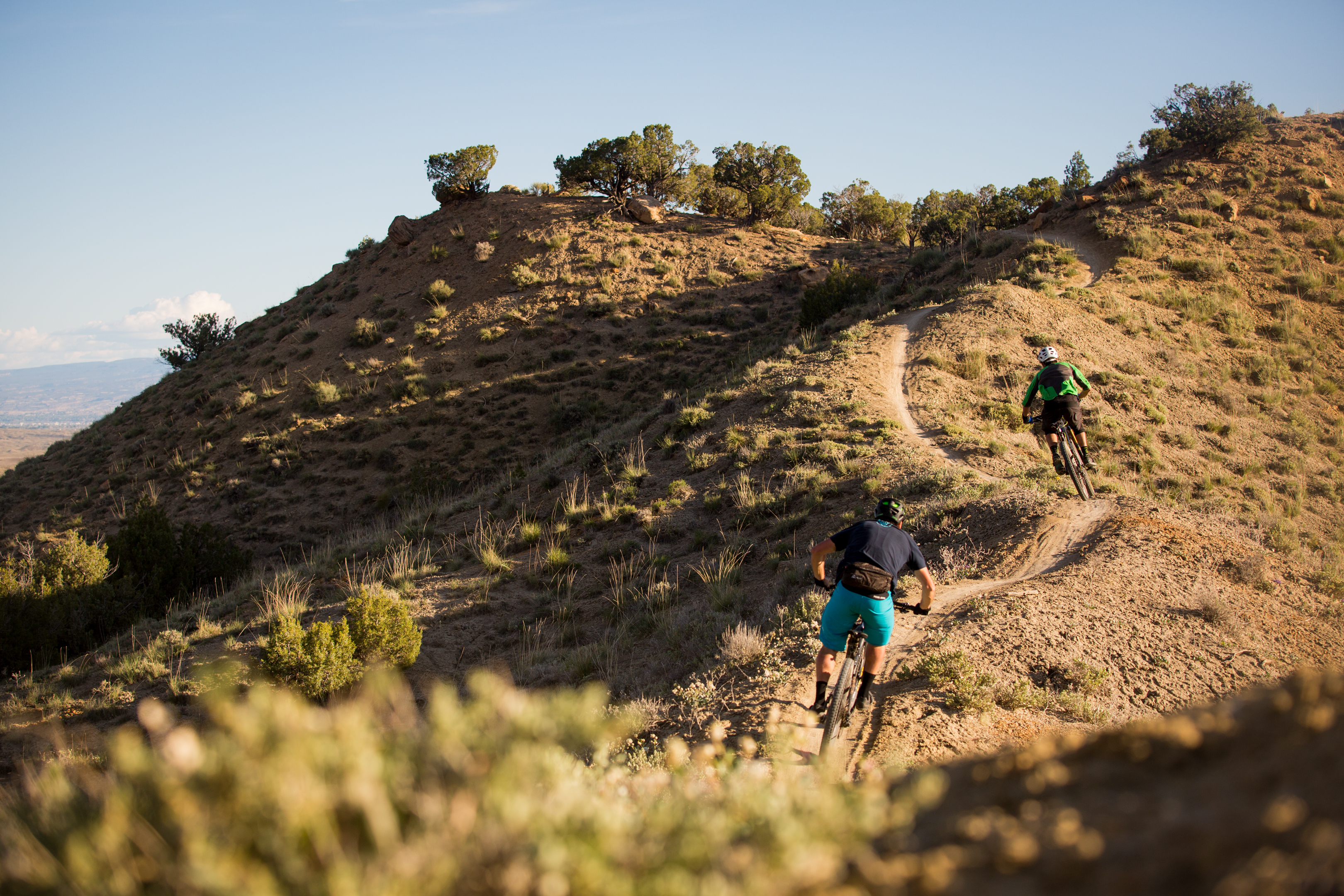
  • Are there existing two-track or singletrack trails that are suitable for mountain biking?
  • Do any mountain bike trails in the proposed area appear in guidebooks or on recreation maps?
  • If there are not roads and trails, is the terrain suitable for development of mountain biking trails?
  • Does mountain biking currently occur within the boundaries of the area? If so, how much? On what trails?
  • If there is riding currently occurring, is it suitable for: beginners, intermediates, advanced, or only expert riders?
  • Do you agree with the assertions in the conservationists' Wilderness proposal? Are there any resources or human developments not mentioned in the conservationists' proposal? Have they chosen a suitable boundary?
  • Do you think that the area is meets the basic qualifications for Wilderness designation? (See the definition in Chapter 2)
  • Do you think the area should be designated Wilderness? Would you support Wilderness if there were boundary adjustments for particular biking trails? Should it receive some other designation?
  • Does the local business community currently benefit from mountain bikers?
  • Are there threatened, endangered, or rare native species near trails in the area? Wilderness and other land protection proposals should always protect these resources.

To successfully advocate anything, you must first have a position and a goal. Group positions and goals have much more power and advocacy is very difficult when people of similar viewpoints have different positions. When approaching Wilderness issues, mountain bikers should always try to formulate group positions and goals to speak with one united voice.

To formulate a position, bicyclists who know and care about proposed Wilderness areas need to meet and decide how to approach the issue. This meeting should occur after people have adequately investigated each area proposed for Wilderness. For each area, the group needs to choose which outcome they want: Wilderness, Wilderness with boundary adjustments, non-Wilderness trail corridors, alternatives, or some Wilderness. This decision-making may be difficult process. It will require much communication, and people will need to think about both long-term and short-term consequences.

Don't feel that it is necessary to take a firm position. If the area is not of great importance to mountain bikers, you can adopt a formal "neutral" position. Neutrality can also buy you the time to create your own proposal. See mountain bikers' proposal for the Mt. Hood area.

The positions adopted can be flexible. You might publicly state that you seek an alternative to Wilderness for this area, but you might have a private decision that you could also accept Wilderness with boundary changes. Know your public position, your bottom line, and your fallback position.

If you desire an outcome other than Wilderness designation, you will benefit from development of a formal proposal. The agency that manages the area may be willing to assist you in the development of this proposal. Your proposal can state what boundary changes are needed, or what alternative designation is desirable. If you support an alternative designation, your proposal should state what management rules would apply within the new area. You can even suggest language that would be in the law designating the area or in the official management plan developed after designation. You may also wish to investigate whether other use group(s) would back your proposal and present it with their support.

Email this page Printable Version

Help | Site Map | Copyright
IMBA Homepage Join IMBA Now!