Chapter 11: Communicating with Important Players
Bicycling and Wilderness: A Mountain Biker's Guide to Wilderness Advocacy
One element of your communication plan that can increase your chances of success is gaining support from the managing agency. This is why one of the first steps of the field investigation is to talk with the land management agency.
If the area is a formal Wilderness Study Area, it is likely that the agency already has a formal position and they have probably made an official recommendation to Congress regarding whether or not the area should be designated Wilderness. Individuals within the agency may or may not support that position, but they will be constrained by the previous agency action.
Many areas proposed for Wilderness are not formal Wilderness Study Areas, and the agencies usually do not have formal positions about those places.
Either way, you should seek the support of key agency personnel. With the Forest Service, you should usually seek the support of the forest supervisor as your top priority, with the district ranger as a second priority. Also communicate with the regional forester. With the Bureau of Land Management, get support from the area or district manager first, with the state director second.
To obtain their support for a boundary adjustment or alternative to Wilderness, you need to convince them that:
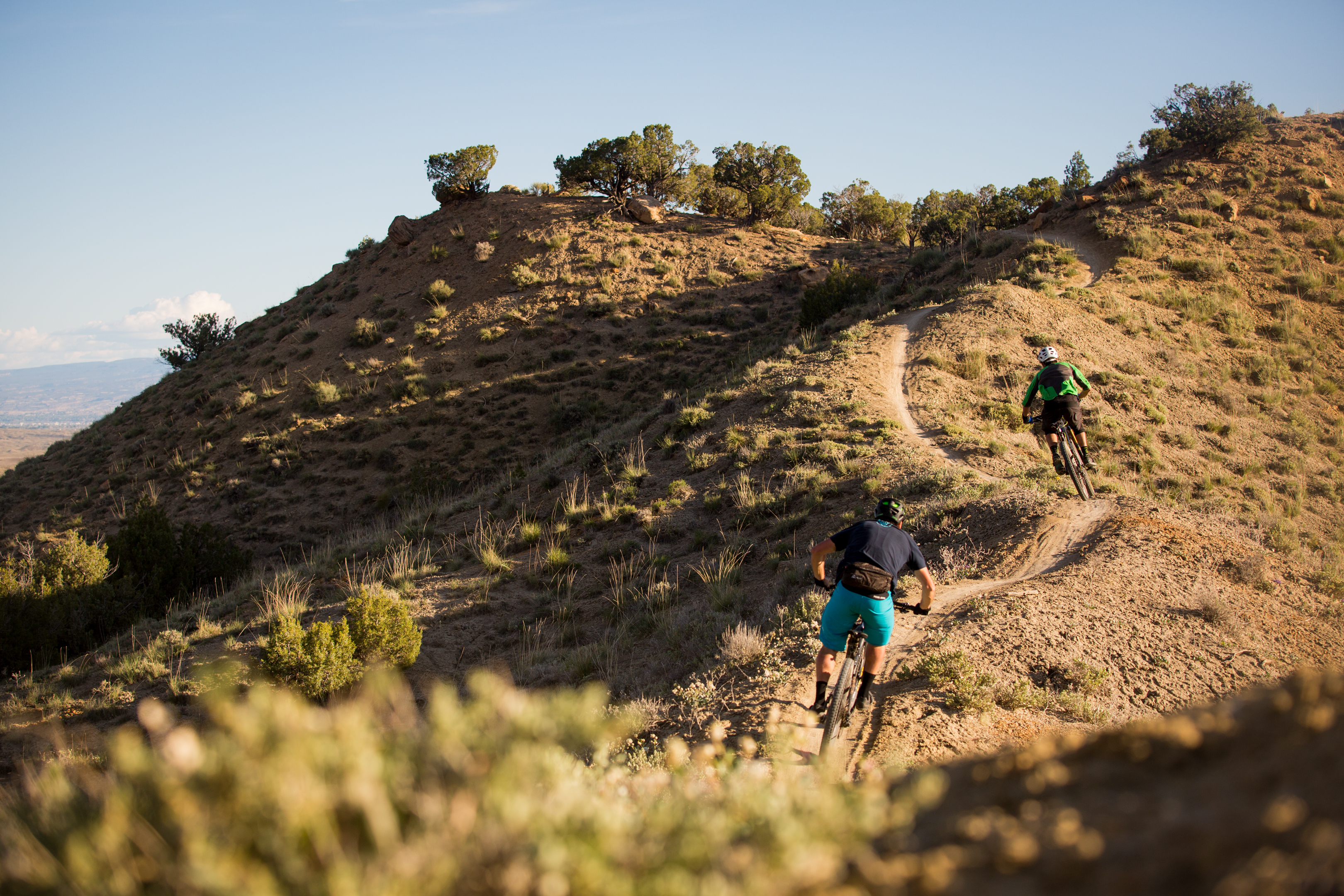
- Bicycling is an appropriate and desirable recreational use of this area;
- Bicycling will be manageable in the area; and
- The agency can still achieve its goals and objectives if Congress enacts the boundary adjustment or alternative.

To achieve the last objective, you need to understand the larger context of public lands management. Talk with land managers about general goals for their district or area. Learn about particular problems. Study the formal management plan.
IMBA can offer assistance with agency relations. Please feel free to call (1-888-442-4622) or email us.
In addition to dealing with federal agencies, local elected officials also have significant influence on Congress and advocates should try to gain their support. In the western United States where most Wilderness issues arise, the elected officials who manage counties have great political power. These officials usually have the title "County Commissioner" or "County Supervisor."
County commissioners have no authority over the use and disposition of federal lands, but they have tremendous influence. Most Wilderness bills have passed only when supported by a sufficient number of the commissioners in the counties that contain the proposed Wilderness areas.
You should set a goal of gaining support for your proposal from a majority of the county commissioners. To achieve this goal, employ standard grassroots organizing and political tactics such as face-to-face meetings, petitions, letter writing, phone calls, letters to the editor, media outreach, fundraising, etc. You will need to show the county commissioners that a substantial number of local residents support your position.
County commissioners are easy to approach. As you gear up your campaign, invite each commissioner to coffee. Such one-on-one conversations can be key to establishing rapport with elected officials and gaining support. You should also invite them to club meetings, rides or a bike festival.
Your campaign to influence the county is an indirect route to influencing your members of Congress. The political efforts you employ at the local level will translate to effective politics at the national level.
Another important group is local bicycle companies and shops. They can be powerful allies and help to spread the word to other cyclists. Group rides or volunteer days are another excellent way to keep cyclists abreast of the situation.
Talking to members of your state's legislature can also be very beneficial. One effective strategy is to ask the state legislature to pass a resolution regarding its stance on additional Wilderness areas that also references mountain bikes. West Virginia's state legislature has passed such a reference expressing its concern over Wilderness' impact on recreation. This isn't a binding law, but it certainly sends an important message to members of the U.S. Congress.
The final outcome of any Wilderness proposal will depend on Congress. Only Congress can designate Wilderness. Ideally, you will obtain the support of mountain bike access from both state senators and of the representative(s) whose district(s) includes the areas being considered for Wilderness.
It is important to realize that only a very small percentage of bills that arrive in Congress ever become law. Any group, including bicyclists, therefore has considerable power to stall the process of passing a bill. However, such obstruction may not be well received in the court of public opinion. Remember, a majority of American citizens support Wilderness and are unfamiliar with the bicycling/Wilderness issue. That is why it is important to negotiate before the bill goes to Congress.
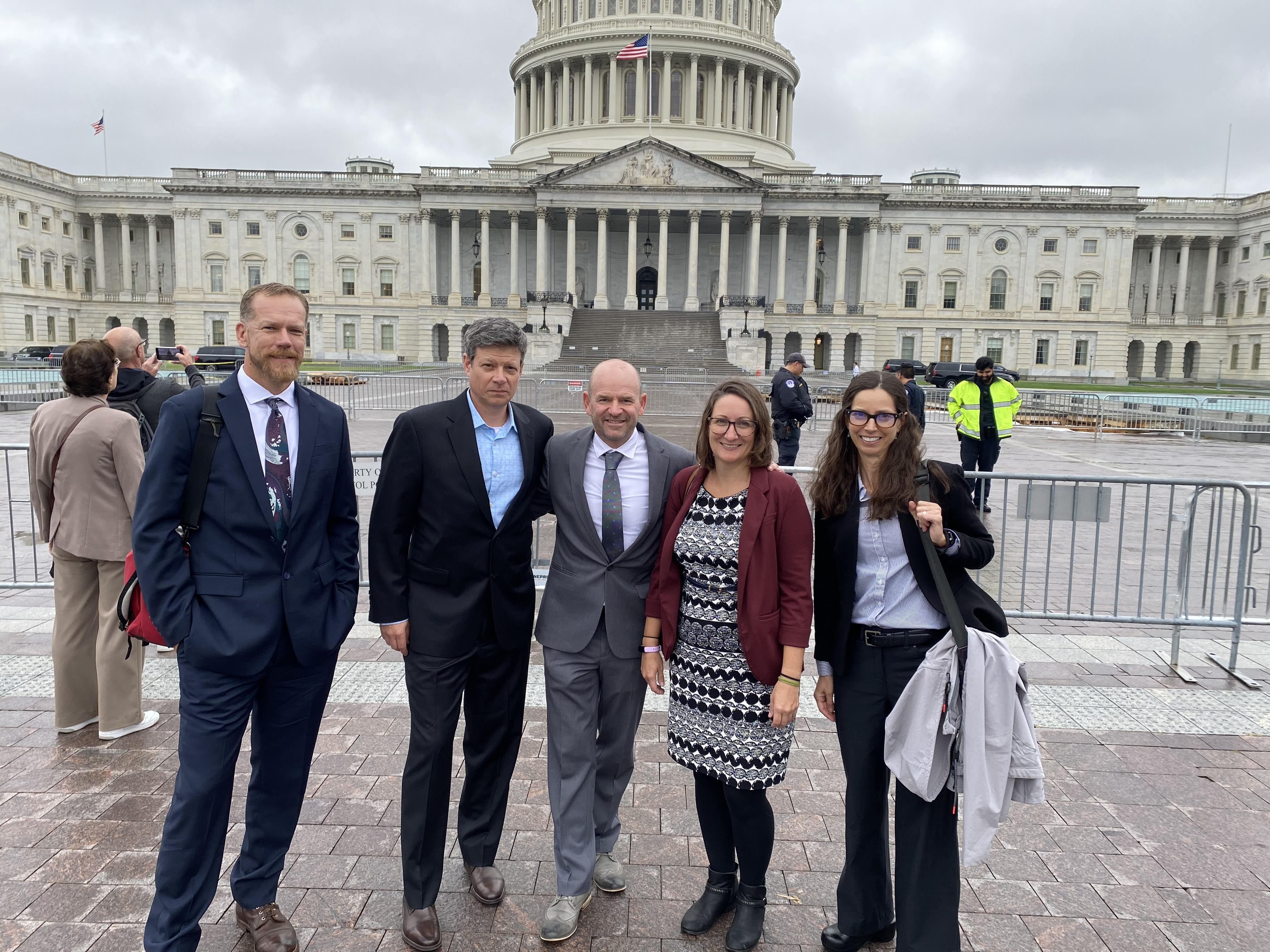
If you cannot successfully negotiate with Wilderness proponents and other stakeholder groups, you may need to take your proposal directly to your congressional representatives. It is also advisable to meet with members of Congress even before you have crafted an official position to make sure they understand bicyclists' perspectives. Your objective with each Congress member should be to not only gain his or her support for your position (if you already have one), but also to get a commitment that he or she will oppose the bill unless it meets your objectives. If just one of the three critical members (one of the senators or the local representative) makes this commitment, you have an excellent chance of success.
Generally, before talking to a member of Congress, garner all the support you can, and muster facts and arguments in support of your position. Prepare your speaking points, make your argument concise and convincing, and anticipate questions or concerns you may encounter.
Consider joining one or two other people when speaking with the member of Congress. A team of two or three people is best. One should be an activist who is intimately familiar with the places and issues. Another good choice for a lobbyist is a businessperson, such as the owner of a prominent bicycle shop or bike manufacturing company. Older people are generally perceived as more credible than younger.
It is very important to emphasize the positive aspects of your proposal and not complain about other people or groups - Congress members will want to hear the benefits of your plan. This issue is not personal, it is about policy, so don't get drawn into name-calling. Explain why this is good for thousands of people, how it will benefit the local or regional economy and how it will protect the natural environment. Try to estimate the number of mountain bikers in the state or representative district. Explain the importance of riding in the area for the long-term future and the health of the community and its individuals. Convey a sense of responsibility and competence. A list of IMBA affiliated clubs is available on imba.com.
Finally, be prepared to refute arguments in opposition to your position. The best lobbyists tell both sides of the issue and are ready to prove why their solution is the best one.
You can read more about meeting with members of Congress here.