IMBA - International Mountain Bicycling Association
What would we do without trails?

Recreational Trails Program Suggested Project Criteria

The following list of suggested project goals is designed to help mountain bike advocates prepare grant applications for Recreational Trails Program funding. Although this example list is from Colorado State Parks, the objectives are similar in other states. Many advocates who receive funding report that although the process is time consuming, it isn't difficult. Some states even report a shortage of applications for the amount of grant funding available. IMBA encourages advocates to apply. Your club could be rewarded a $10,000 - $80,000 grant to make your trail projects a reality.

1. PLANNING AND DESIGN: Describe how this project relates to plans for trail development, recreation management, transportation, and other local, state or federal plans.

The goal is to encourage good trail planning and appropriate design for long-term sustainability.

  • Applicant should be specific about how the project is included in and encouraged by appropriate planning processes.
  • Do agency or community plans indicate a priority or benefit for this or related projects?
  • How is this trail or facility designed to be maintained and managed over the long term?
  • Is the project design appropriate to the uses that are expected or planned for?

2. BENEFITS: Describe the objectives of the project and why it is needed.

The goal is to document specifically why the project is important and what it will accomplish.

  • Benefits may include trail improvements as well as community economics and quality of life.
  • The emphasis is on benefits to trail users, so information on the various trail activities that will be affected is important. This may also include management of multiple uses, safety, and improvement of the trail environment.
  • Applicants should also make clear why the trail grant funding is essential, the urgency of the project, and
  • You may also want to consider the benefit/cost ratio of the project, in relation to other applications.

3. ENVIRONMENT: Show how the project aids in the protection or improvement of the environment by fixing any existing problems, avoiding or minimizing impacts of the project, or both.

The goal is to fund projects that provide benefits to trail users while being sensitive to the resource the trail runs through. While trails do impact the natural world, they are also an important means of managing access and recreation on public lands, parks, and open space.

  • Some projects specifically address environmental issues, such as improving drainage or routing a trail around a critical habitat area.
  • Others may impact the project area, but provide benefits such as educational signs at trailheads/ or along the trail or a trail that concentrates use to a single corridor. Look for reasonable documentation of both the benefits and impacts of the project.
  • The issues of: clean up, rehabilitation, re-vegetation of erosion prone areas, the protection of existing/ or the creation of new habitats or wetlands, planning, design, management, and the monitoring impacts of trail activities on the environment should be addressed as dictated by the magnitude impact of the individual project.
  • Look for reasonable documentation of both the benefits and impacts of the project.
  • You may refer to the Environmental Information Form that is included with the application for more information about this aspect of the project.

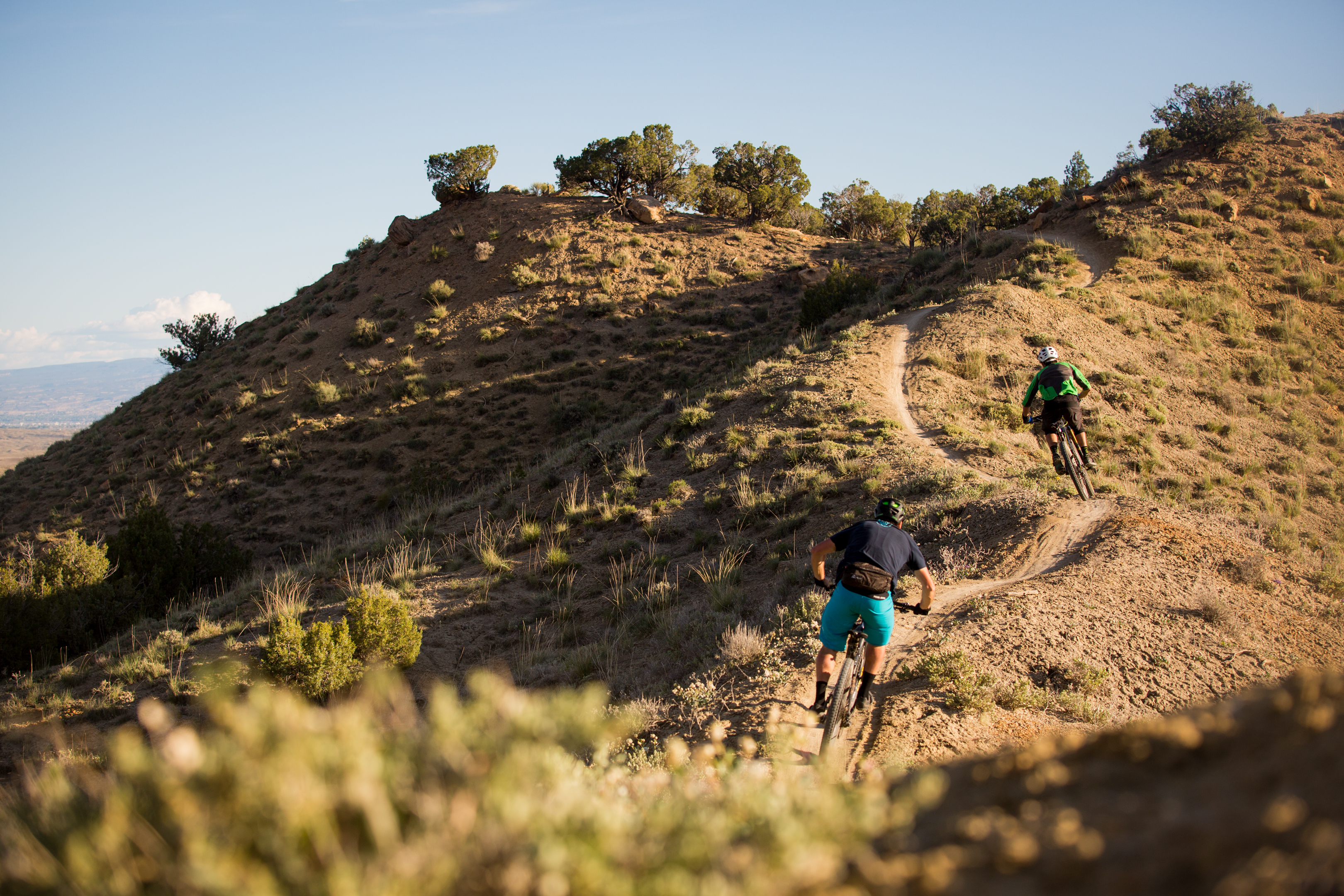
4. TRAIL EXPERIENCE: Describe the scenic, historic, and/or unique features of this trail project that will provide a quality experience for trail users.

The goal is to encourage trail design and alignment that will be attractive to users, and aid in the preservation and interpretation of scenic, cultural, and natural resources.

  • The applicant should attempt to describe the scenic and/or cultural features of this trail project that will provide a quality experience to the trail users.
  • Has the trail route been chosen to maximize its interest and appeal to users?
  • Is the trail diverse in providing variety in challenge, remoteness, or ease or difficulty?
  • Will the potential experiences of all appropriate trail uses be addressed?

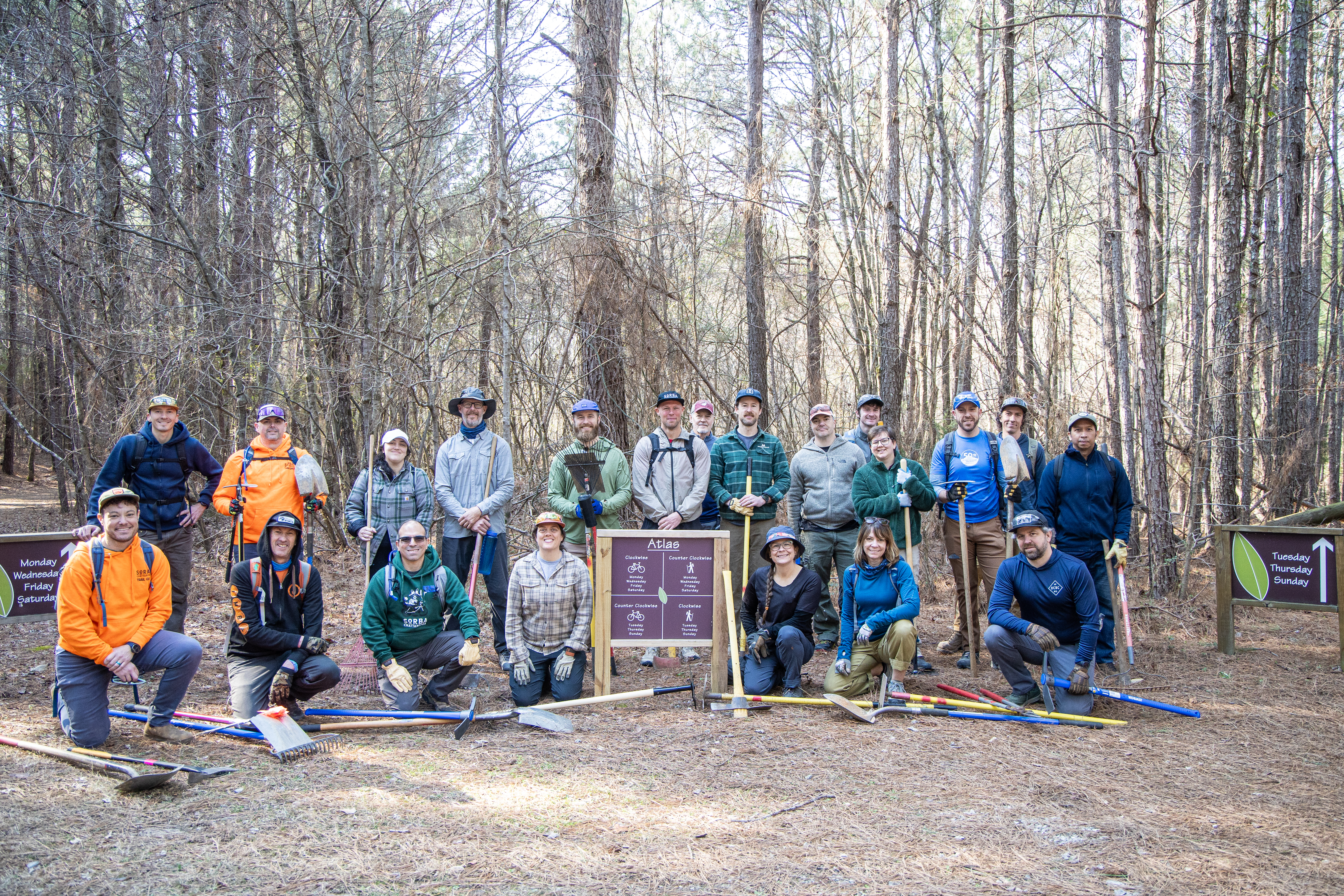
5. VOLUNTEERS AND YOUTH: Describe use of volunteers and/or youth employment programs either during this project or after completion. If they are inappropriate to this project, explain why.

The goal is to encourage the use of volunteers and youth in any ways possible for trail work.

  • Use of volunteers and youth workers is encouraged and should raise the score on this criterion. Some projects, however, will provide a token use of volunteers while others are planned, built, and maintained primarily by volunteers.
  • Specific details should be included on how volunteers and/or youth will be used on this project.
  • Some projects may not lend themselves to volunteer construction; however volunteers and youth may assist with trail design, layout, site preparation, cleanup, planting, habitat restoration, maintenance, interpretation, and construction of trail-related facilities

6. LEVERAGE: List the amounts and sources of funds, in-kind services, materials, and trail acquisition costs for this project that exceed any minimum required match.

The goal is to encourage applicants to bring a variety of resources to leverage the project beyond the grant funding.

  • For Recreational Trails applications, the minimum match is 50%-- e.g., if the application is for $50,000, the applicant must document at least $25,000 in matching funds or in-kind services.
  • The 50% is a minimum; additional points should be given to projects that exceed this match.
  • Make sure resources cited are specifically described and related to this trail project, not just to past work.
  • Volunteer labor SHOULD be used to raise the score on criterion #5, but SHOULD NOT be counted as part of the cash value of the matching funds.
  • Use of youth corps, or other youth employment programs is also encouraged. Approved Youth Corps expenses do not have to have a match, but may do so.
  • The value of land or trail easements may be counted as part of the matching funds, but only as it relates to this trail project.
  • Other resources brought to the project, which do not have cash value may be considered as well.

7. LINKAGES: Show how this project expands trail loops or linkages; or improves access to trails. If the project is connected to a larger trail system, describe the size, extent, and predominant uses of that system.

The goal is to creation of trail systems, and linkages among segments of trails.

  • Make sure that this project provides linkages or furthers progress toward eventual linkages.
  • Some projects may also be important even if they do not create linkages; consider how well the applicant makes a case for this aspect of the project.
  • If appropriate to this project, consider how well the different trail activities are addressed and provided for in the larger trail system.

8. PARTNERSHIPS: Provide evidence of support for this project from trail users or trail groups; service organizations; recreation and environmental groups; schools; businesses; and other non-government groups. Summarize the support and attach appropriate letters, petitions, news articles, event descriptions, etc.

The goal is to show that applicants have involved potential trail users AND the larger community in the planning and implementation of the project.

  • Letters may be attached from a variety of groups, agencies, and individuals; of most importance are letters, which specifically describe project benefits and the involvement of the writers or their organization.
  • Petitions, news articles, event descriptions, etc may also provide good documentation.
  • Has there been good citizen input to the project?
  • Do trail users support this project?

9. COOPERATION: Provide evidence of cooperation among affected jurisdictions and other government agencies in planning and development of the trail project.

The goal is encourage communication and mutual cooperation on trail planning, construction, and management.

  • Letters may be attached from a variety of agencies and local governments.
  • Good documentation may be also provided by news articles, planning documents, etc.

Visit the RTP homepage: http://www.fhwa.dot.gov/environment/rectrails/index.htm

Email this page Printable Version


Help | Site Map | Copyright
IMBA Homepage Join IMBA Now!