IMBA - International Mountain Bicycling Association
What would we do without trails?
IMBA Freeriding Resources
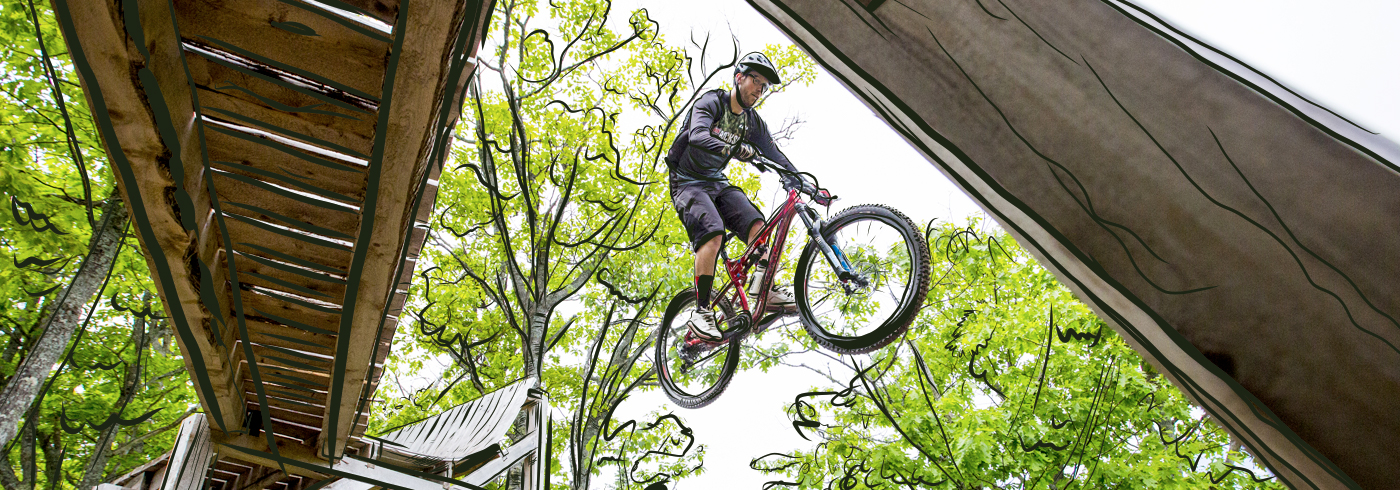
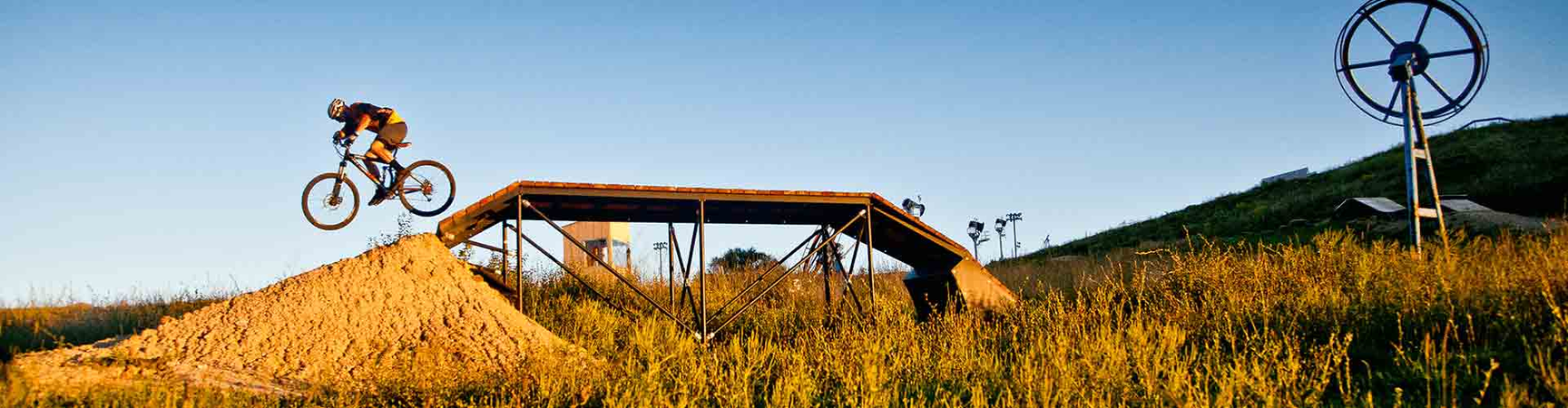
Kona team rider Dave Watson is a freeriding powerhouse
Kona team rider Dave Watson is a freeriding powerhouse. Photo by John Gibson.

Out of the Shadows

An Essay for the 2006 IMBA Freeride Guide
By Richard Cunningham
Editor-at-Large, Mountain Bike Action magazine
September, 2006

Years ago, hardcore mountain bikers disappeared into the rainforests of the Pacific Northwest to build log rides and ladder bridges over the tangled forest floor. The sport of freeriding has since emerged from the shadows, and mountain biking is much richer for it. All of us, at least once, have been swept by the burst of exhilaration that follows the first successful passage of a once-impossible section of trail. Freeriding provides unprecedented opportunities for that experience.

Mountain bikers have always pushed the boundaries of what can be ridden on two wheels. Who hasn't paused at the edge of a precipice, however small, to watch a better bike handler give it a go, or mustered the courage to ride a section that we once walked. Freeriders have honed the sport's challenging aspects into a lifestyle. The risk and intensity may exceed anything that the average rider would choose to face, but the core experience is the same. Well, almost.

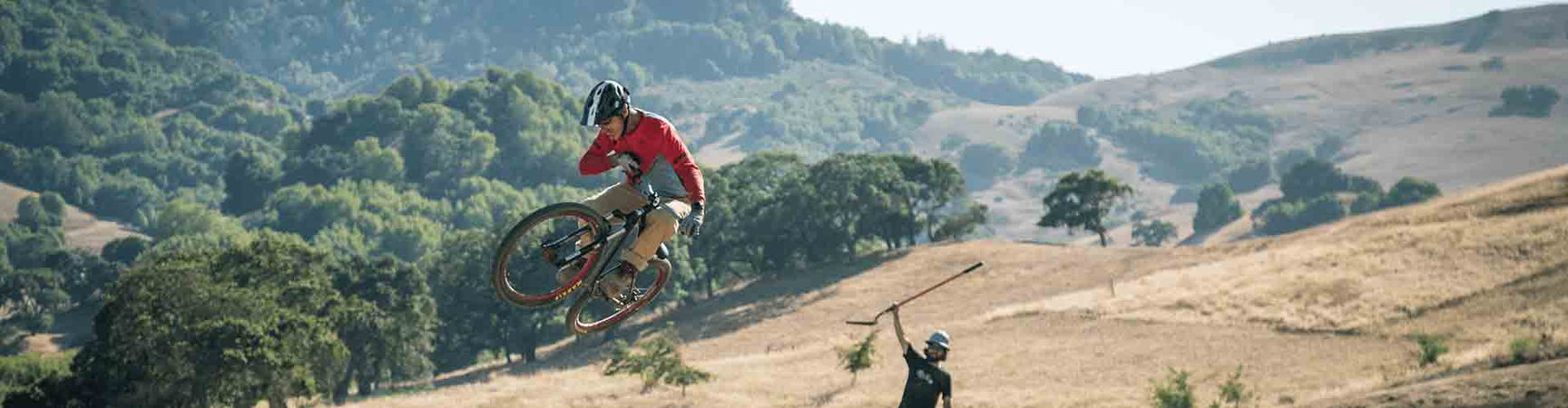
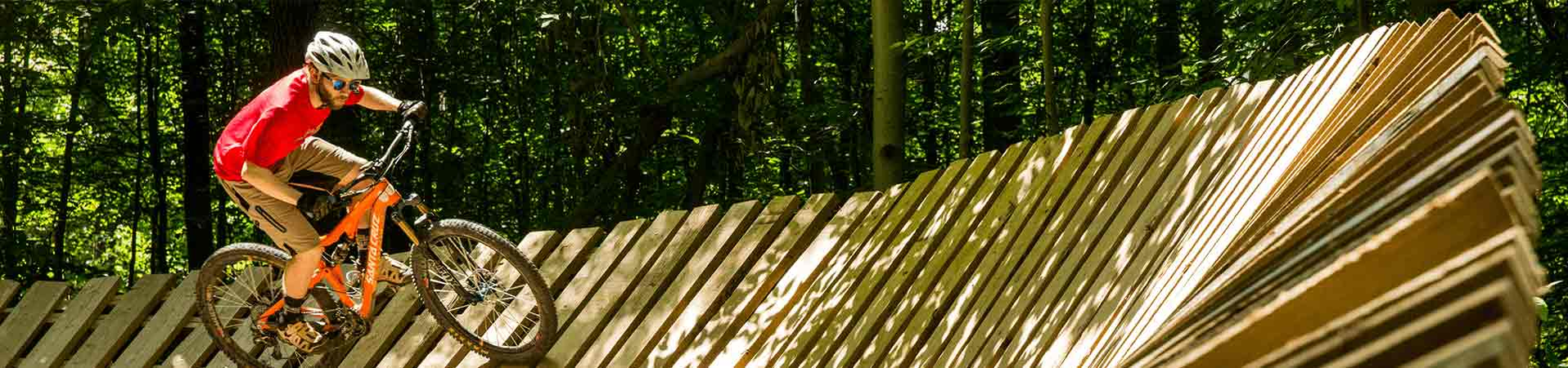
"Freerider" also describes a professional cyclist in jeans and a T-shirt, upside down, 30 feet above a televised crowd, gapping the space between wooden towers plastered with advertisements. It can be argued that daredevils jumping highways, or launching from obscenely huge stunts aboard 10-inch-travel monster bikes have as much in common with exploring the woods on a hardtail as the Stealth Bomber relates to a crow. When ladder bridges corkscrew around tree trunks, and hump and jump across the forest, 10 feet above the ground, can we still call it a trail - or is it a theme park? Where is the tipping point? When does an offshoot become an entirely new sport?

Within our ranks, we segregate into freeriders, downhillers, dirt jumpers, trail riders and racers. To outsiders, we're identified by our knobby tires as mountain bikers, one and all. It's a lot harder to sell trail access to land managers, now that the word is out that a "mountain bike-friendly" trail system might include a wooden roller coaster and an assortment of log rides and rock drops. We also have to explain away unauthorized trailbuilders who exchanged their Pulaskis and Mcleods for chainsaws and lag bolts.

While there can be no doubt that freeriding's secret-stunt period created a trail-access nightmare in some regions, the trend is reversing. Enthusiasts are buying lighter, better pedaling freeride mounts, and trailbuilding techniques are emerging to produce safer, more sustainable trails and features. Freeriding is producing some surprise benefits for mountain bikers.

For starters, technical trail features have been honed to near perfection by freeride trailbuilders. Because of their efforts, we now have historical data that supports the use of bridges for traversing sensitive habitat or difficult terrain. We can demonstrate that boulders, logs and other natural features can be incorporated into trails safely, and with minimal impacts. On the more playful end of the spectrum, freeriders have shown us how to take an unused three-acre plot of land, pack it full of obstacles and jumps and turn it into a technical fun zone.

In the beginning, all freeriders wanted was to escape the confines of organized competition, and pedal around in the forest all day. In the end, after all the Red Bull Rampages and Crankworx festivals are written in the history books, we'll all meet back in the woods again. Thanks to freeriders, the trails will be a lot more fun to ride.

The suggestions offered in this and other IMBA trailbuilding articles do not constitute a standard, specification, or regulation. Trailbuilders and landowners are responsible for the safety of their own trails and facilities. Freeriding and dirt jumping are high-risk activities that can result in serious injuries. IMBA's goal is to help land managers and volunteers manage these risks by sharing information.

Email this page Printable Version


Help | Site Map | Copyright
IMBA Homepage Join IMBA Now!