|
|---|
![]() |
A Note From Kona
Originally published in the IMBA Freeride Guide, September, 2006
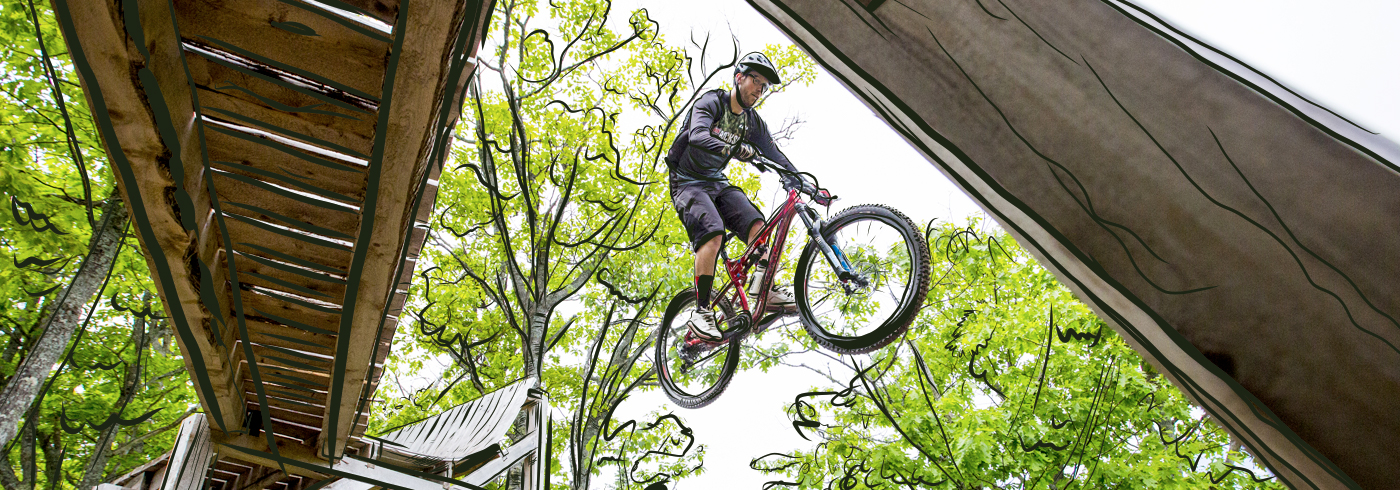
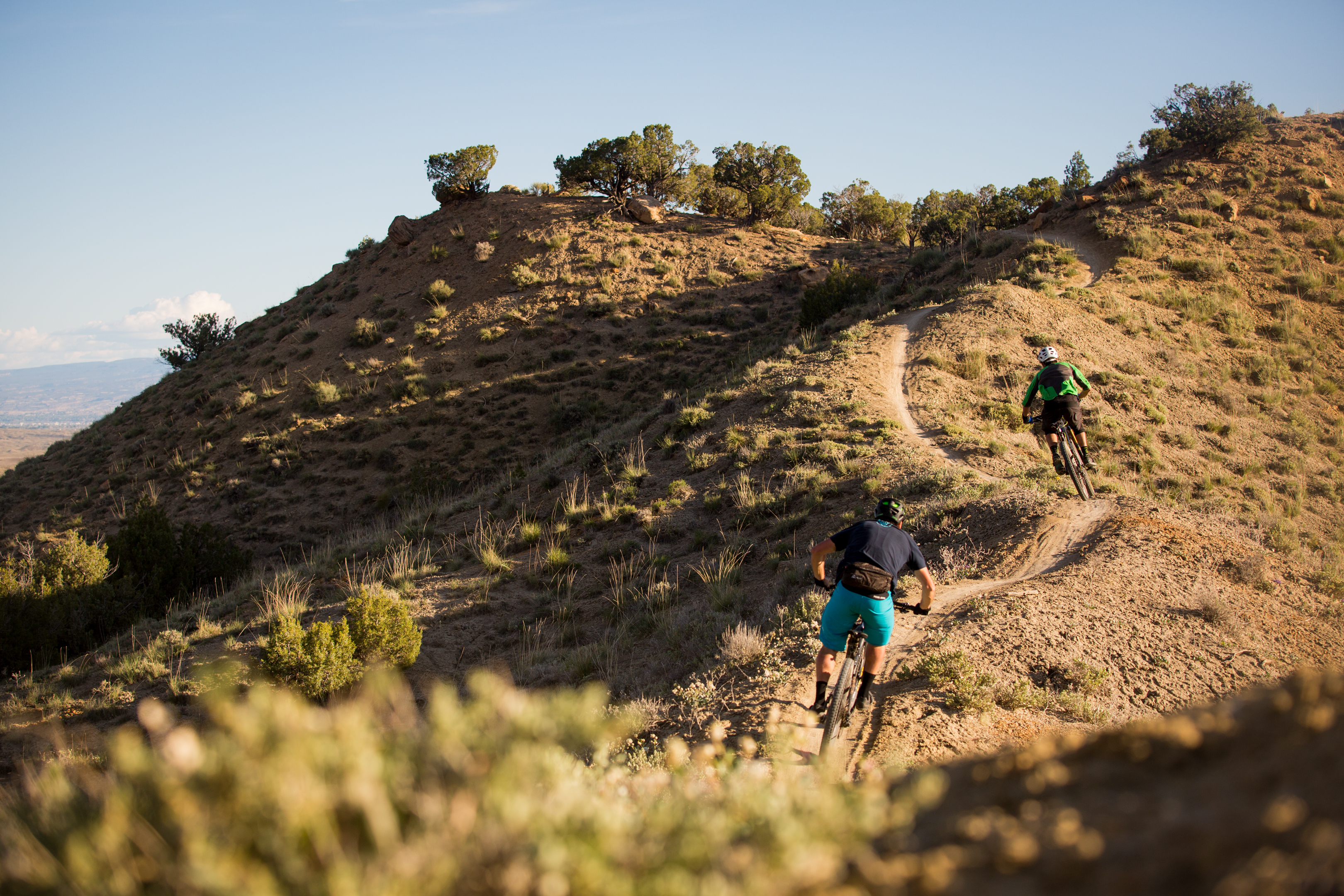
The current freeride movement, and where it all began, is the subject of many a post-ride debate. We used to just call it mountain biking. At some point, wooden structures appeared, built to elevate us above wet terrain. Ironically, many difficult, nasty, muddy and root-infested technical lines were taken away by structures built to circumvent them.
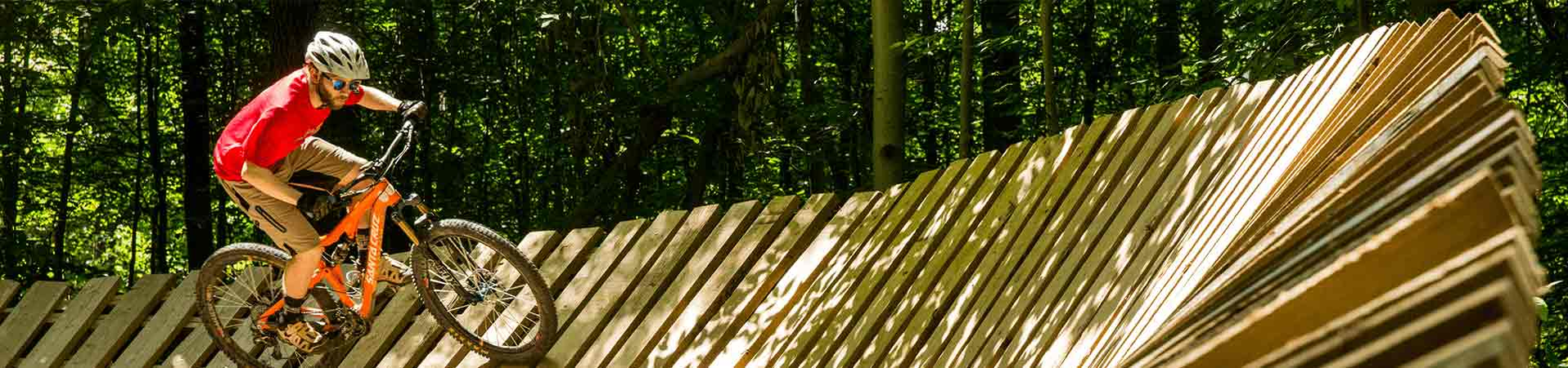
The original, easily navigated bridge designs didn't last long, as pioneering builders incorporated skinnies, drops, teeter-totters - and now things like hamster wheels and spiral ramps. The new style of riding and trails spurred a trailbuilding movement unto its own.
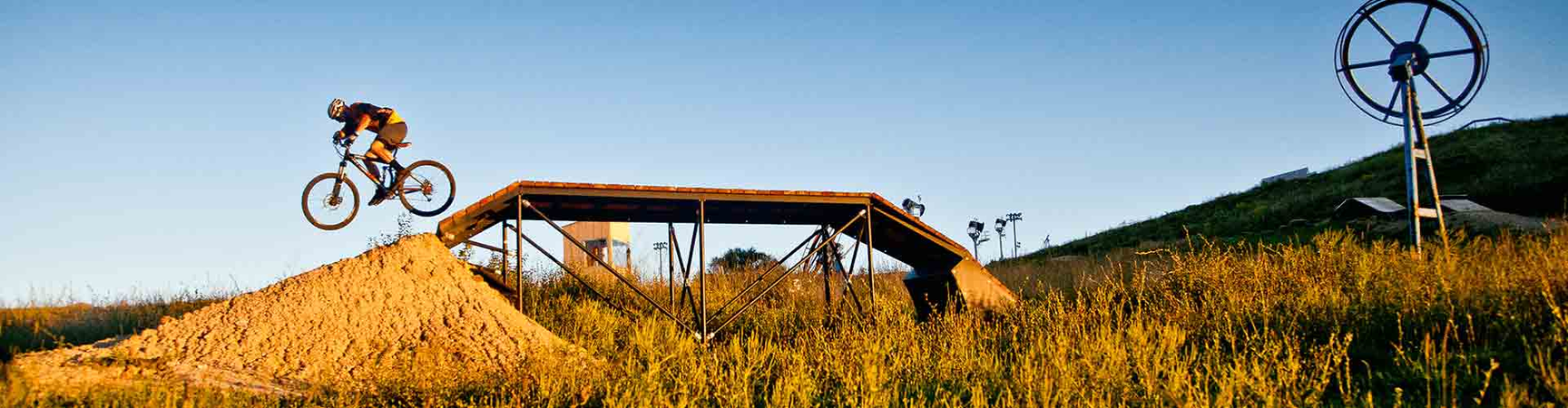
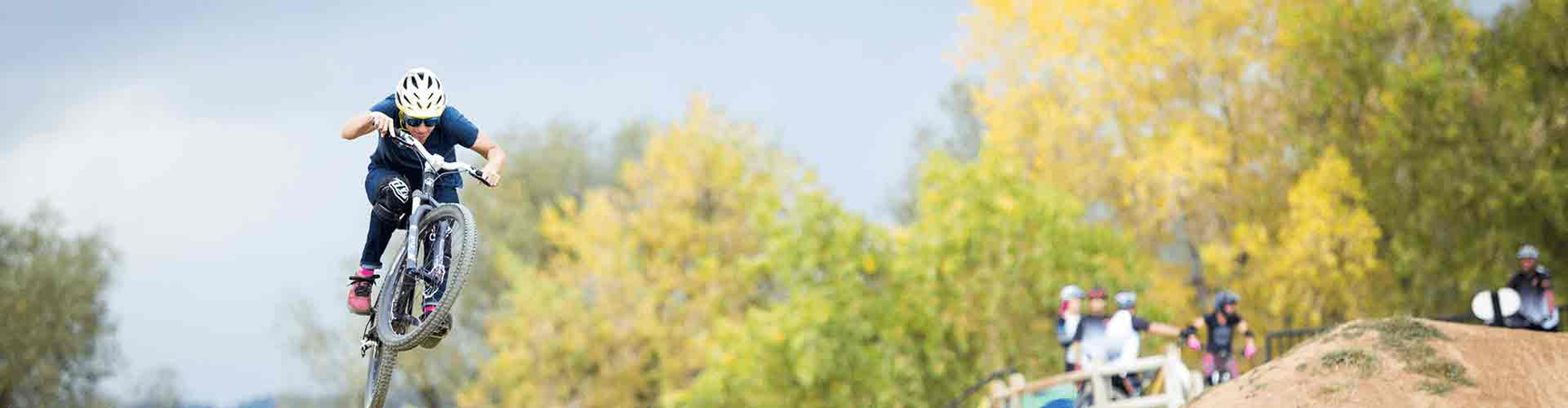
Kona was fortunate to be located near the North Shore, one of the epicenters of the modern freeride movement. We set out to make bikes for the new demands of mountain bikers, and we fielded team riders to help us make them right. One of the first in that line was Kona Clump Team Rider John Cowan. Not only has he helped us design bikes that handle the abuse but also dirt jump parks and slopestyle courses at Kona Bike Parks around the world.
New trail designs demanded rapid advances in bike technology but they weren't keeping pace with something equally as important: mountain bike trail access. It was then we targeted funds raised at our annual Kona-IMBA Buck-A-Bowl Funraiser to the Kona/IMBA Freeride Grants and other freeride and dirt jump projects
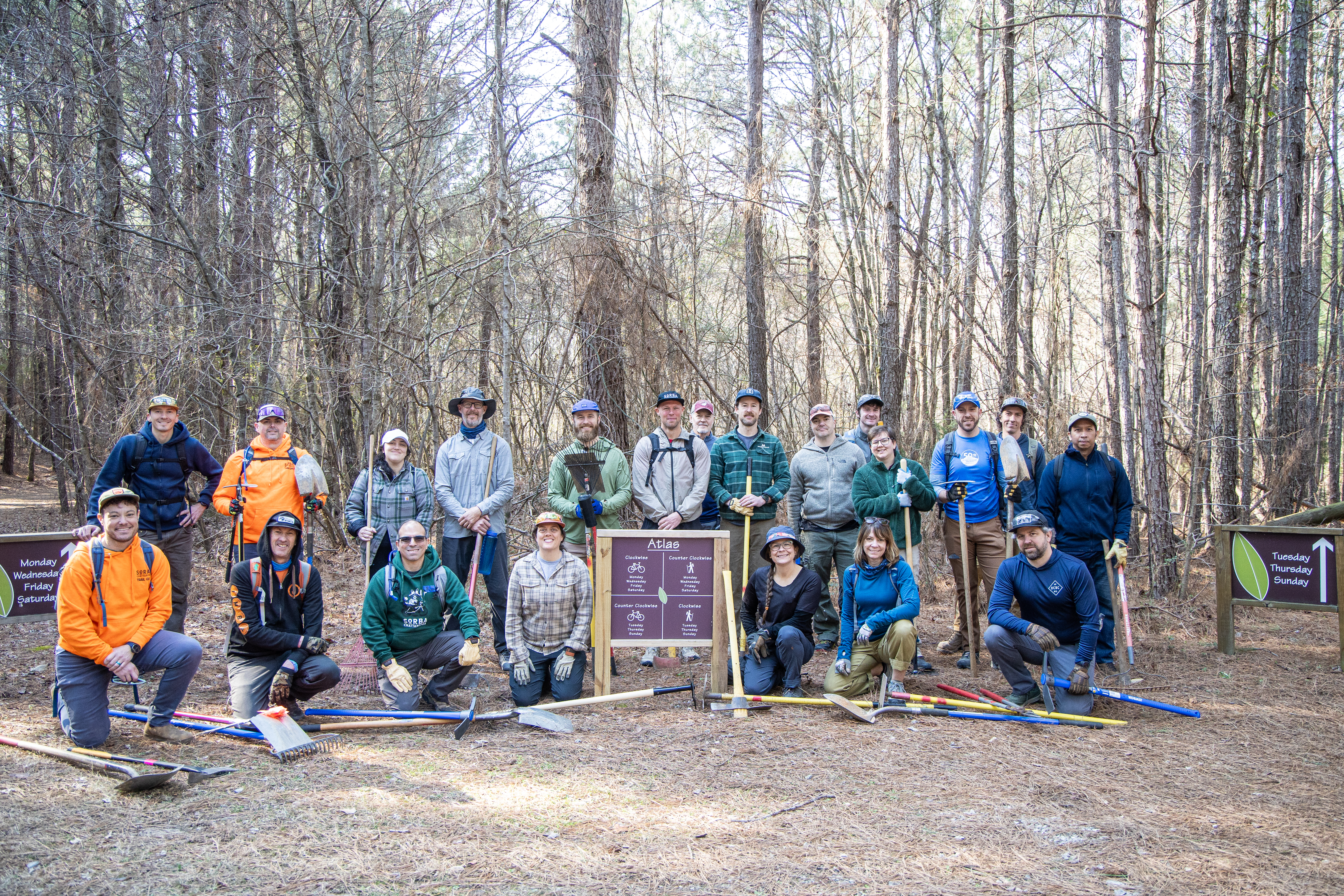
In a recent update from one of the many grant winners, John Eichner, leader of the SORBA freeride chapter said, "I just wanted you to know how much the Kona Freeride Grant has helped us. Without it we would be nowhere near where we are today." Kona would like to add that without IMBA - and their vision and commitment to freeriding - we all wouldn't be where we are today. We're pleased to enter into yet another partnership with IMBA, and we offer a big thank-you for their continued effort to advance the sport.
- Mark Peterson
Kona Advocacy Director
The suggestions offered in this and other IMBA trailbuilding articles do not constitute a standard, specification, or regulation. Trailbuilders and landowners are responsible for the safety of their own trails and facilities. Freeriding and dirt jumping are high-risk activities that can result in serious injuries. IMBA's goal is to help land managers and volunteers manage these risks by sharing information.