IMBA - International Mountain Bicycling Association
What would we do without trails?
IMBA Freeriding Resources
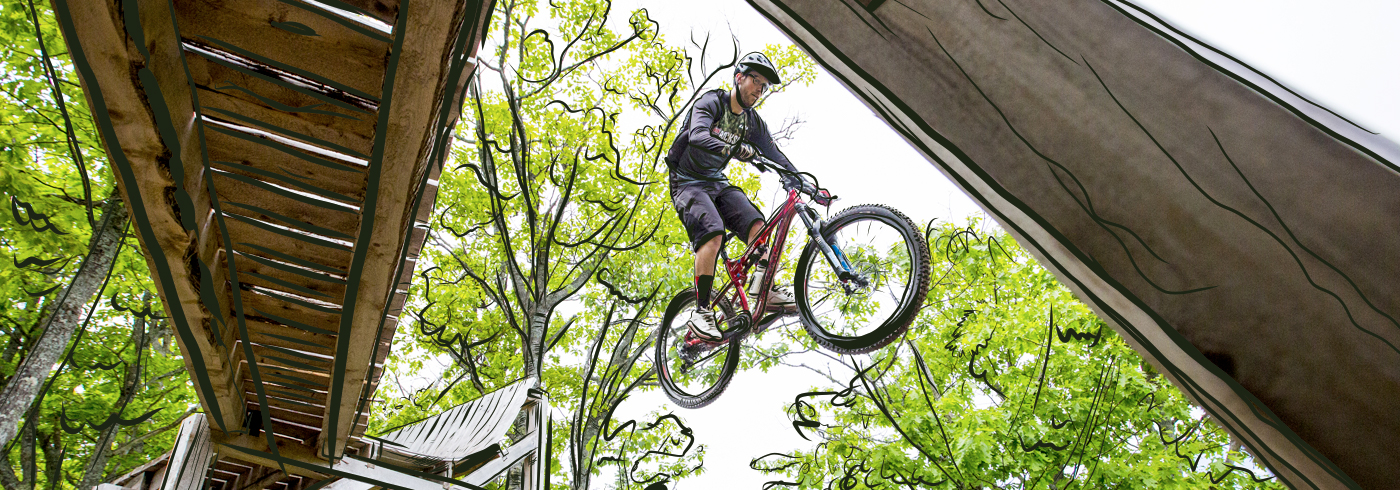
Oregon's Black Rock Trail System
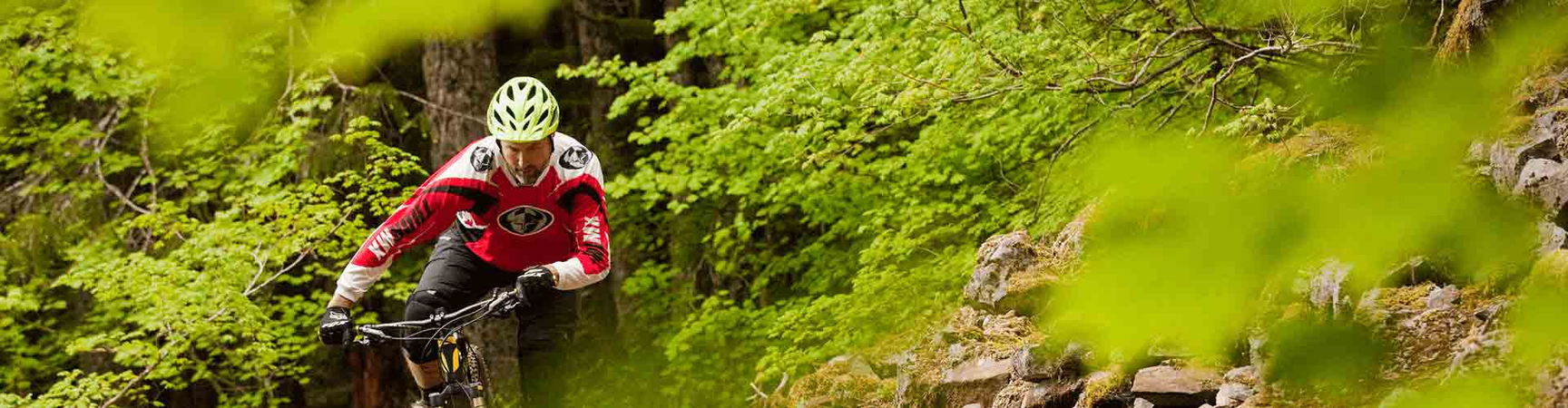
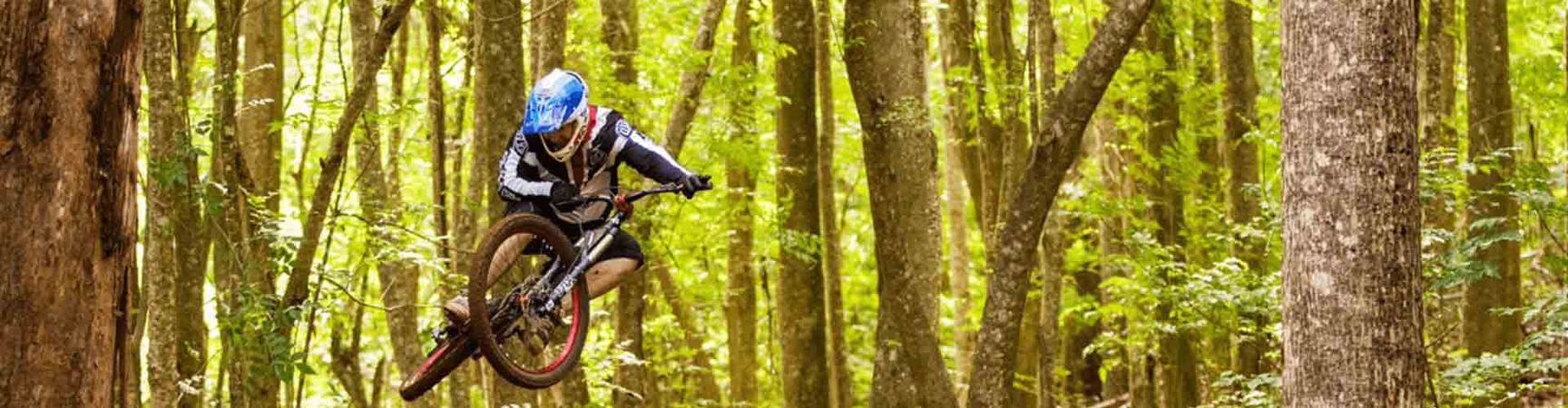
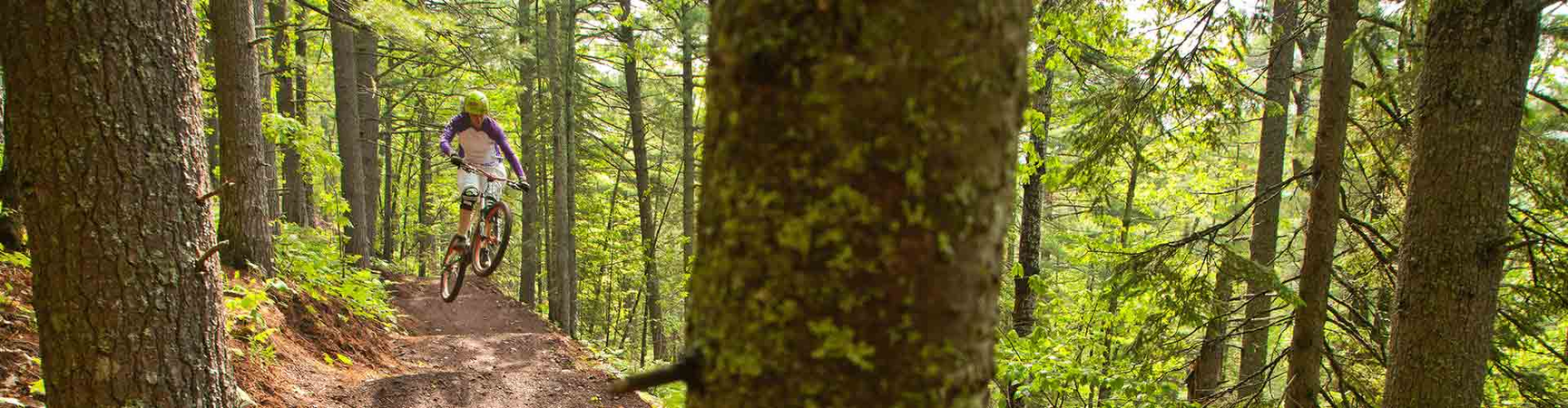
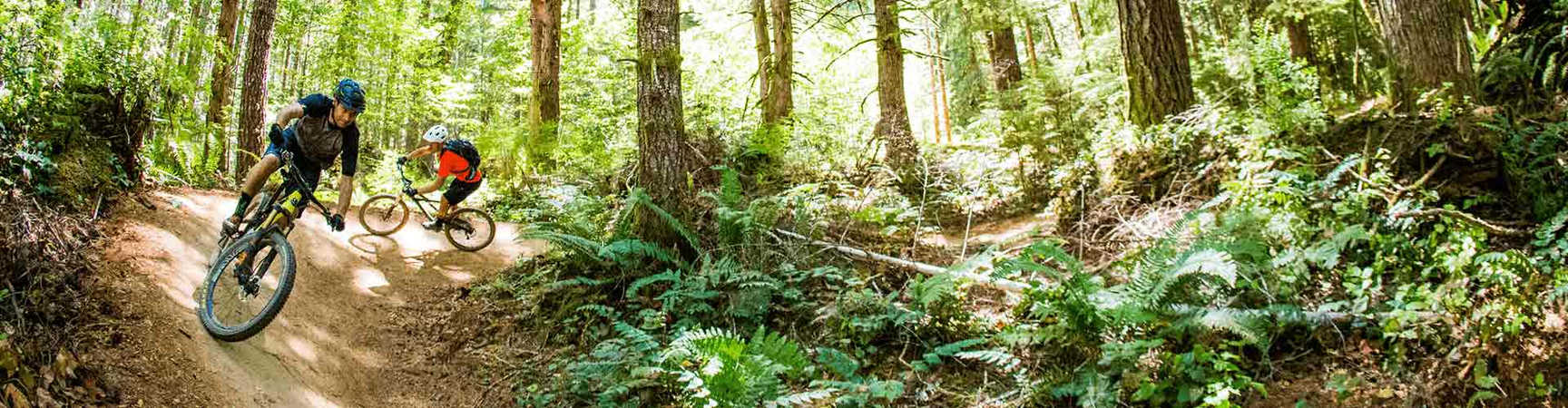
All photos thanks to Joe Rykowski (In the Zone Photography.)

Freeride Success Story: Oregon's Black Rock Trail System

Originally published in the IMBA Freeride Guide, September, 2006

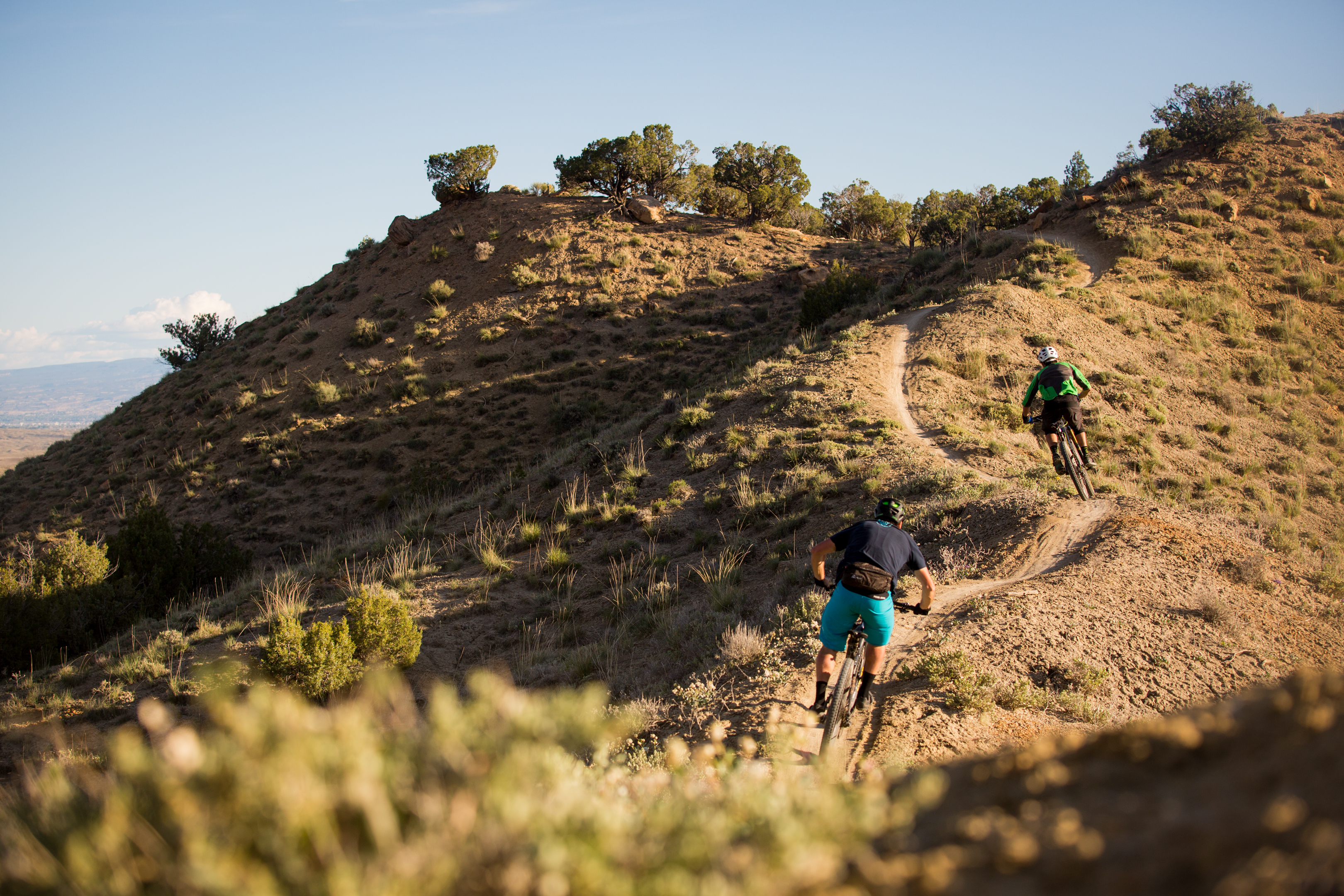
Just outside Salem, Oregon, in the rural logging town of Falls City, lies the Black Rock trail system. This killer freeride area, located on a 1,000-acre tract of State Forest Land, is maintained by volunteers from the Black Rock Mountain Bike Association (BRMBA). Their story yields good answers to freeriding's hard questions: Where do we build? How do we build? Who will do the work? Most importantly: Can we get permission?

In the 1970's and 80's, the trails of Black Rock were nothing more than a few hill climbs burned in by motorcycles. Mountain bikers started riding the area in the 90's, and wanted more. In 2001, local rider Leo Kowalski took the first step. He picked up the phone and called the Oregon Department of Forestry (ODF). John Barnes, the ODF Public Use Coordinator, remembers the conversation. "Leo called me out of the blue and asked what he had to do to build some freeride trails. I told him to get a bunch of guys together and form a club. Once the club is up and running, we'd write an agreement, set some construction guidelines, and start building some trails." Leo said, "Is that it?' And I said, "That's it." He said, "That's too easy!"

Kowalski started what would become the BRMBA, and created two important documents with land managers: a partnership agreement and trail management plan. The partnership agreement spells out how the partnership works and who performs what services at the facility. The trail management plan is more technical in nature, and includes trail construction, maintenance and management guidelines adapted from the Whistler Trail Standards and IMBA's trailbuilding resources. (Download the Black Rock Management Plan.)

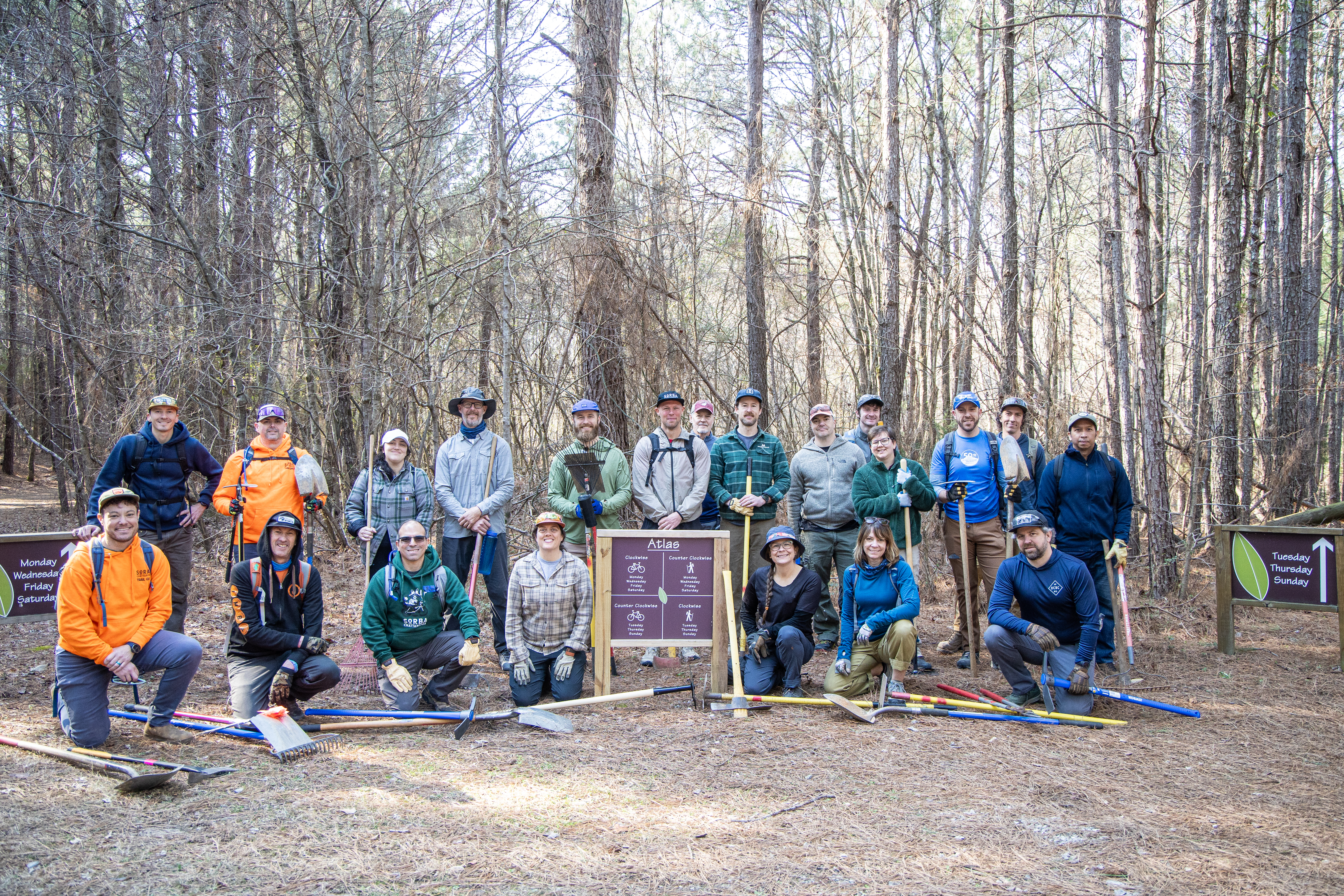
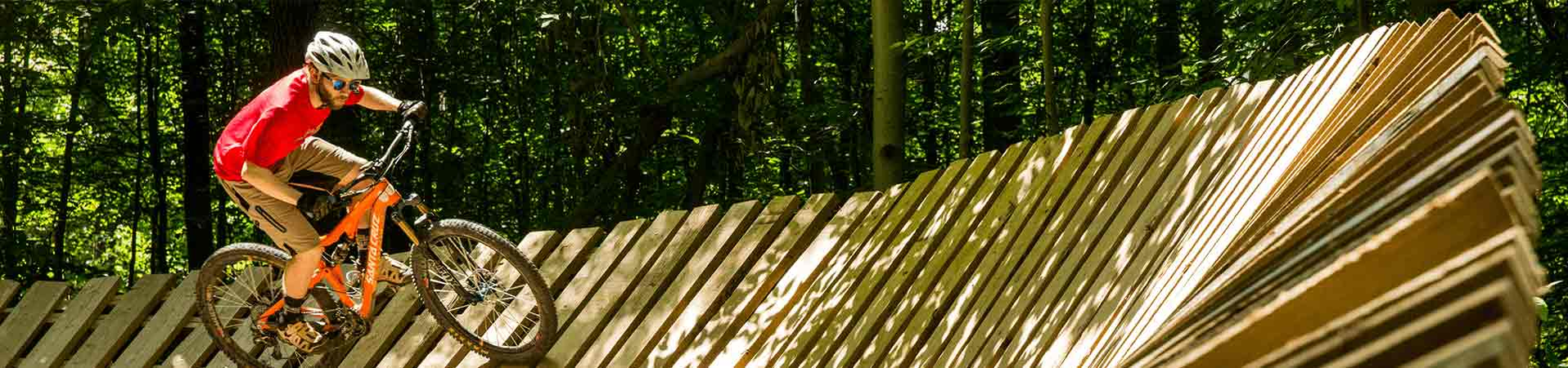
Trail construction and maintenance at Black Rock is an all-volunteer effort. In just a few years, these diehards have built a vast catalogue of skinnies, drop offs, dirt jumps and inspired singletrack. Black Rock trailwork parties attract as many as 40 volunteers from as far away as Portland and Eugene. "When it comes right down to it, it's the riders who organized and built these trails. Individuals have got to step it up and engage their passion for the sport. That's the only way stuff like this happens," says Rich Bontrager, current BRMBA President.

Funding for Black Rock has come from individual donations and fundraising led in part by nearby Santiam Bicycles, in Salem (OR). Since Black Rock's inception, Santiam has helped raised over $12,000 through raffles, movie premiers, map sales and cash donations - not to mention co-owner Troy Munsell's tireless volunteerism. Most recently, the group raised $1,500 in a shuttle day fundraiser by providing riders a lift to the top of the trail system. Future plans include a new trailhead and a Rails-to-Trails project.

Both ODF and BRMBA have systems in place to manage risk and defend against potential lawsuits. Strategies include the legal shelter of Oregon's Recreational Use Statue, written trailbuilding guidelines, detailed record keeping, clear signage, and an easy-to-understand trail difficulty rating system. The club is also starting a new mountain bike patrol - another solid addition to a great area.

Thanks to contributing writer Jim Skakel.

More Resources:

Risk Management and Liability for Mountain Biking

Trail Solutions: IMBA's Guide to Building Sweet Singletrack

IMBA's List of Freeride and Dirt Jump Locations

The suggestions offered in this and other IMBA trailbuilding articles do not constitute a standard, specification, or regulation. Trailbuilders and landowners are responsible for the safety of their own trails and facilities. Freeriding and dirt jumping are high-risk activities that can result in serious injuries. IMBA's goal is to help land managers and volunteers manage these risks by sharing information.

Email this page Printable Version


Help | Site Map | Copyright
IMBA Homepage Join IMBA Now!