Why Mountain Biking is a National Park Conservation Solution
IMBA Special Report - Mountain Biking & Conservation
Bumper-to-bumper traffic on access roads produces significant frustration and air pollution. Parking lots, trailheads, lookouts and campgrounds are packed all summer. Aside from finding the money to pay for operations and facility maintenance, one of the biggest challenges facing the National Park Service (NPS) is preserving the quality of visitor experiences.
Meanwhile, one of the most frequently asked questions at National Park entrance stations is, "Where can I ride my bike?" The answer, in many parks, is not what cyclists want to hear.
Does anyone see possibilities here?
When mountain biking first became popular in the early 1980s, many National Park superintendents quickly perceived our sport as an imposing management challenge. They feared that allowing bicycling off-road would threaten the agency's mandate to preserve the physical and cultural heritage of the parks. They were concerned that adding bicyclists to the mix of visitors would produce unacceptable conflict on roads and trails.
NPS tradition helped shape this perspective, which lingers today. Founded in 1912, the agency has a rich heritage of hiking and horse use. Motor vehicles have always been essential in getting Americans from their homes to National Park gateways and right to the trailhead or campground. Bicycling - on pavement or off - hasn't been a priority for Park Service management. The result? In many parks, bicycling opportunities remain severely limited. This is not to suggest that there isn't suitable terrain. The National Park Service manages 384 parks, monuments, battlefields, buildings and recreation areas and more than 80 million acres of U.S. public land.
During the last few years, the NPS perspective on bicycling of all kinds has started to change. Park Service officials at both the national and individual park level now recognize that bicycling can help address many of the pressing, system-wide concerns about congestion, air quality and visitor experience. Not all NPS leaders are sold on this proposition, but while they've been thinking, other park superintendents have been acting.
Saguaro National Park near Tucson, Arizona, was the first to build and support a singletrack trail shared by bicyclists. The 2.5-mile Cactus Forest Trail opened in 1991. Also in Arizona, in Grand Canyon National Park, a new 11-mile multiple-use singletrack section of the Arizona Trail links the north boundary of the park with visitor facilities on the North Rim. This trail will make it possible for visitors to leave their cars at the park edge - away from the crowded rim - and ride to the edge of the canyon.
Mammoth Caves National Park in Kentucky is successfully managing more than 20 miles of shared-use singletrack--trails that are maintained by the IMBA-affiliated Bowling Green Cycling League. Old logging roads are ridden at Redwoods National Park. Canyonlands National Park in Utah offers more than 150 miles of dirt road riding. The list goes on and grows, and mountain biking on a wide variety of singletrack and dirt roads is popular and thriving at NPS-managed National Recreation Areas coast to coast.
IMBA and IMBA affiliated clubs are playing a central, consistent role in developing and supporting these new National Park mountain bike opportunities. IMBA leaders have twice met with new National Park Service director Fran Mainella and her senior staff to discuss ways we can work together. We've offered the services of our expert Trail Care Crews to evaluate NPS dirt roads and trails for their suitability for bicycling.
New improved-surface bicycling routes (which also provide access for disabled visitors) are being created, too. One example is the Grand Canyon Greenway project, which will eventually provide more than 70 miles of new riding near both rims.
So where's it all going? Mountain bikers shouldn't expect a revolution of new riding opportunities in National Parks, but improvements will continue.
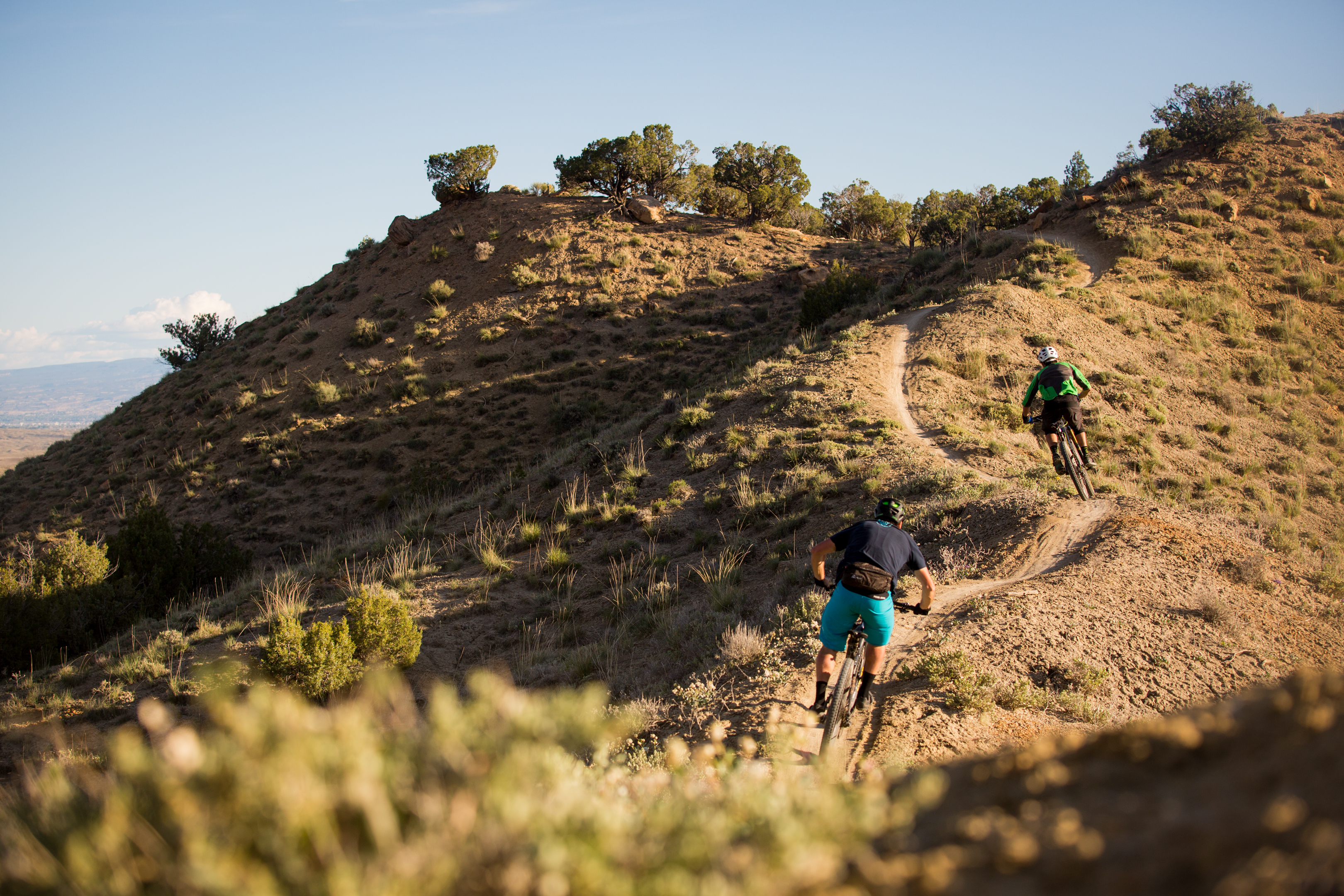
One key factor that should shape the future of NPS mountain bicycling is that many potential facilities already exist. Nearly all NPS units maintain miles of administrative dirt roads--many of which are currently off-limits to cyclists. There is beautiful doubletrack out there that you wouldn't believe. All that's needed is the support of park management and a few new signs. In some parks, as time passes, new narrow trail opportunities for bicyclists should develop, pushed forward by the enthusiasm of a particular park's staff and active partnerships with IMBA clubs.
Like all new trail opportunities, NPS trails and roads that are open to bikes must be well built and regularly maintained. They also can't add significantly to trail user tension, which is already a problem on some NPS trails where mountain biking isn't even in the mix.
The key is putting cyclists in places where lots of people already aren't--avoiding crowded, paved roads and paths packed with hikers. One other reason why mountain biking should work in National Parks is that it's a day activity that typically begins and ends at a trailhead. It shouldn't add to backcountry camping and human waste impacts.
It's easy to envision the conservation and recreation benefits of mountain biking in our national parks. Imagine people parking their motor vehicles near an entry station and pedaling their bicycles in on an appealing mix of graded dirt roads, doubletrack and trails. They're outside, breathing clean air, having fun, getting exercise and experiencing the park up close - not from behind the window glass of an air-conditioned car or truck. They're refreshed. They're countering the troubling trend toward obesity in our society. They're pedaling silently. What new facilities were required to provide these opportunities? None.
This vision is hardly IMBA's alone. Back in 1968, when he penned Desert Solitaire, Edward Abbey said that Yosemite National Park "...could be returned to relative beauty and order by the simple expedient of requiring all visitors, at the park entrance, to lock up their automobiles and continue their tour on the seats of good workable bicycles provided free of charge by the United States government."
We'll provide our own bikes, but overall, this vision sounds good to us.