IMBA - International Mountain Bicycling Association
What would we do without trails?

Sierra Club Leader Discusses Mountain Biking, Wilderness

IMBA Special Report - Mountain Biking & Conservation

The Sierra Club is one of the world's leading conservation organizations. Sierra Club Associate Southwest Regional Rep Steve Smith advises the Sierra Club on official positions related to bicycles, and serves as a lead negotiator on Wilderness legislation. Steve describes himself as a frequent trail rider and daily bike commuter who can "climb pretty darn well." IMBA interviewed Steve recently about mountain biking, the Sierra Club and environmental conservation.

IMBA: In 1994 the Sierra Club and IMBA created the Park City Agreement which, among other things, recognized that mountain biking is a legitimate form of recreation and that the organizations need to work together to promote open-space protection. How have things developed in the last six years?

STEVE SMITH: I believe that the principles of the Park City Agreement still basically serve us well in that they encourage local Sierra Club and cycling groups to confer regularly, both on opportunities for joint projects and on issues over which they initially disagree.

Especially on those occasional points of disagreement, on such things as location of new trails, the riding and hiking mix, and public lands management, the fact that we have in place a framework for talking through differences is a great advancement over simply squaring off as opponents.

Another focus of in the Park City Agreement was Wilderness. What do you think of IMBA's work on this issue thus far?

Wilderness is among the more sensitive issues on which Sierra Club and cyclists work together. I think that we have not completely refined ways to work through differences over specific Wilderness proposals, but we certainly are still talking. Inherent to that difficulty is Sierra Club's commitment to preserving as much Wilderness as possible on the one hand, and IMBA's dedication to preserving and expanding backcountry bicycling opportunities. It is inevitable that we sometimes covet the same piece of land as a place for preservation or for recreation or both.

In some instances, we may find no way around simply making our respective cases and leave final decisions to federal land managers or Congress. In the majority of instances, however, I believe that we will continue to find solutions that respond to both priorities. I believe that our best approach is to visit, discuss, and negotiate over individual places one at a time. Sierra Club continues to oppose substitute designations for lands that deserve full protection under the Wilderness Act. We should not reduce protection for the sake of allowing bicycling or other non-Wilderness activities in what should be Wilderness.

We can, and should see if we should work together to develop more clear guidelines for determining which areas are inherently suited to Wilderness designation and which other lands can provide challenging and enjoyable cycling opportunities outside of Wilderness but separate from roads, motorized use, and other developed distractions.

What are some of the biggest environmental issues facing our planet today?

Certainly, the biggest, and most basic, environmental issue is the relentless growth in human population. This factor affects everything from poverty to resource pollution to reduced recreational opportunities, or at least compromised recreational opportunities.

More specific issues resulting from our growing population include threats to roadless lands from energy development, other extractive industries, motorized recreation, unhealthy forests and grasslands. Our best opportunity for buffering the effects of these threats will come through careful, conservative, and diligently good management of our public lands in particular.

What role does mountain biking play in the conservation community?

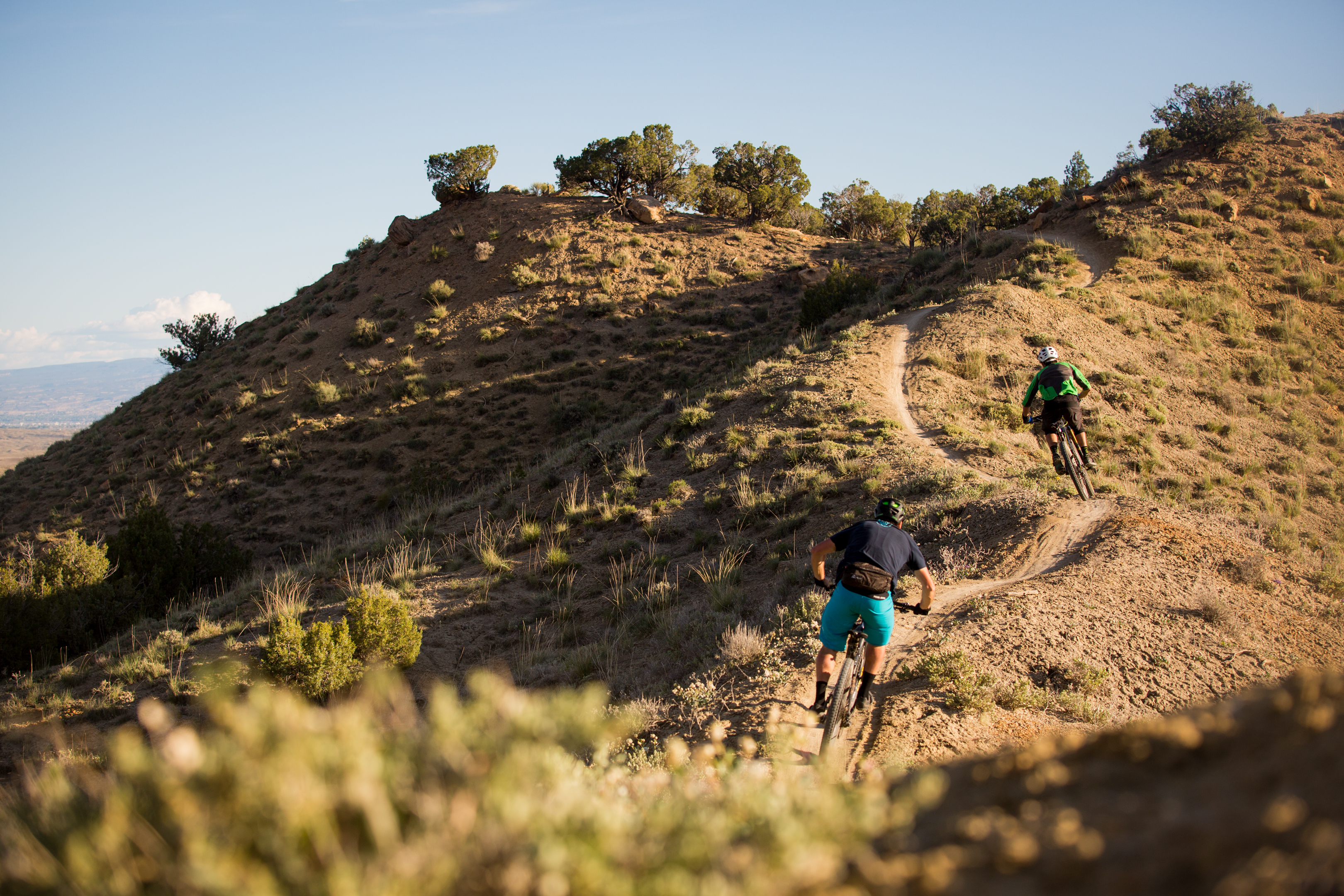
Mountain bicycling is a marvelous means to get more people to and near the special places that we love and that we need to protect. Conversely, the experience of bicycling often strengthens our personal commitment to protecting special wild lands and speaking on their behalf.

Within the Sierra Club, there are isolated groups that are fairly anti-mountain biking. What's your feeling on this, and is there anything we can do to bridge the gap?

Sierra Club's primary strength comes from its diverse and locally based decision-making. As a result, the Sierra Club viewpoint on environmental and recreation issues, including bicycling, can vary by location. To temper and help guide that, Sierra Club, as the larger organization, can craft basic principles related to good bicycling and good relations with bicyclists, hoping that such principles can help reduce conflicts.

Conversely, within the mountain biking community, there are segments who believe the Sierra Club as a whole is anti-mountain biking. What would you tell these people about the Sierra Club and the environmental movement?

Sierra Club's most basic principles are based in its motto: to explore, enjoy, and protect the natural world. Bicycling is one of the ways that many of our members are able to do that exploring and enjoyment while maintaining our commitment to the protecting.

The founder of the Sierra Club John Muir was an avid outdoorsman. If Muir was alive today, what do you think he would think of mountain biking?

As an inventor, John Muir would probably be intrigued by the mechanics and efficiency of the bicycle. I suspect that he would enjoy trying a ride through some backcountry. His deep, insistent, enduring zeal for preserving the wild world would remain a priority over any convenience or contraption if the two were in conflict. Even in moments of disagreement, however, he would bring to the conversation a sincerity and honesty that brings out the best in all who are part of that conversation. I hope that Sierra Club and its members will continue to follow his model.

Email this page Printable Version


Help | Site Map | Copyright
IMBA Homepage Join IMBA Now!