IMBA - International Mountain Bicycling Association
What would we do without trails?

Forest Service Trail Opening Process

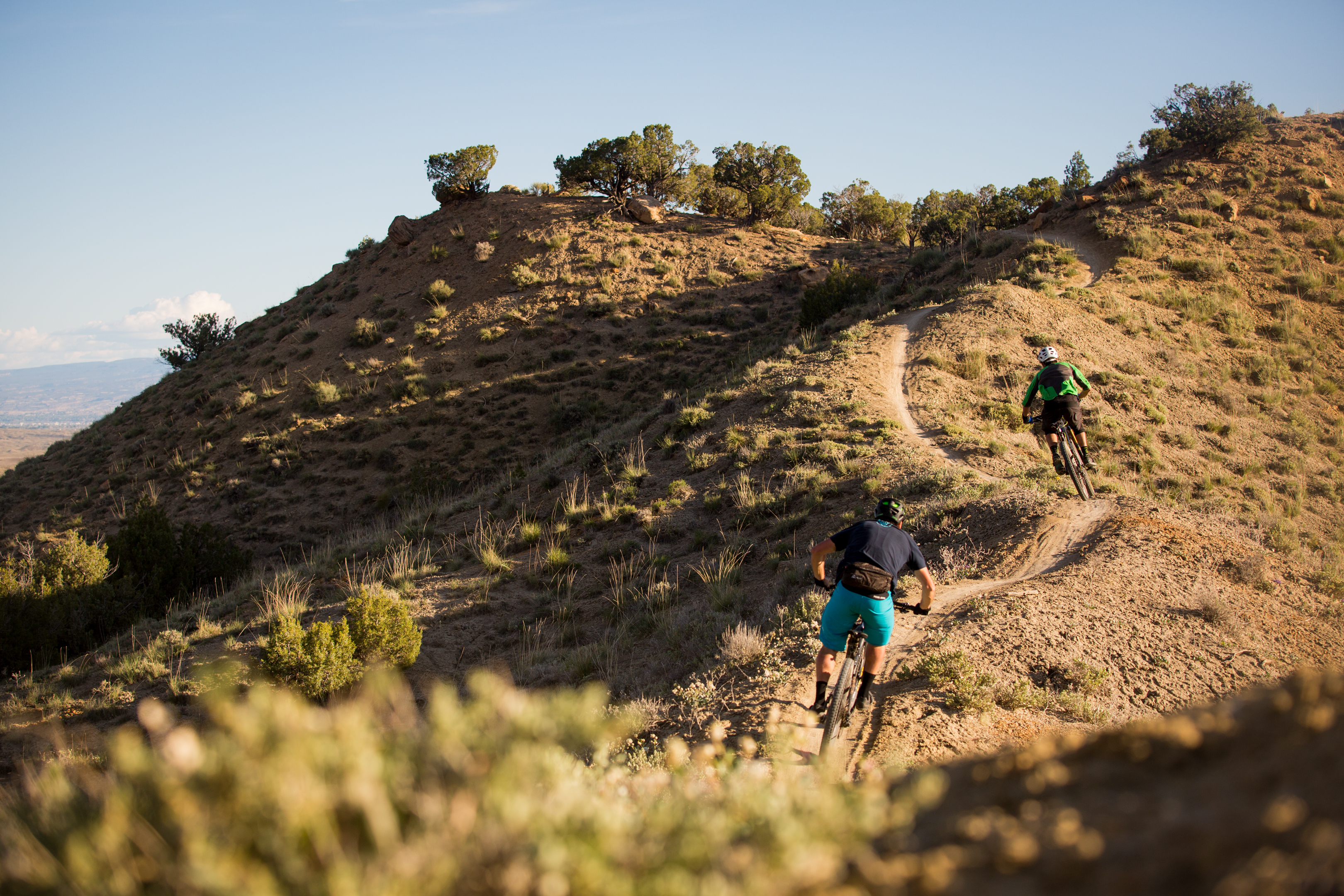
Mountain bikes were often overlooked in the first generation of national forest plans, 15-20 years ago. Today, many of these plans are being updated, and for the first time numerous forests are implementing forest-wide mountain bike trail policies.

The U.S. Forest Service has yet to create a nationwide policy regarding mountain bike trail access. As a result, national forests have not adopted uniform policies. Nearly all use some form of an "open-unless-designated closed" policy that IMBA supports. Some exceptions exist.

Trail policies are usually determined in formal forest planning or during site-specific travel management planning processes. Occasionally, forest managers find themselves without any plan for managing mountain bikes.

Nick Glidden, recreation forester on the Dixie National Forest in Utah, explained the process his forest uses to open a trail previously closed to mountain bikers. If an individual comes to them with such a request, the Dixie will convene an informal internal review process in which they objectively review the reasons for closing the trail to mountain bikes (number of users, intended use, use patterns, etc). The depth of this review depends on the level of complexity and controversy surrounding the trail and the Dixie may decide on one of three solutions. First, they may decide to retain the closure. Second, in non-controversial instances the trail may be opened through a Categorical Exclusion (CE). Third, a full-blown Environmental Assessment (EA) NEPA process could be used to potentially open the trail to mountain bikes.

A CE bypasses NEPA processes and opens a trail to mountain bikes immediately. In the case of an EA, political tensions often dictate how long the process will take. The planning budget also determines when each case begins. This could take one or two years if the budget is tight or the planning schedule is already full. Expect the average EA process to take six months to two years once it begins.

As freeriding continues to grow in popularity, we may see some obstacles in getting technically advanced trails approved by the Forest Service because trails must comply with agency engineering regulations regarding intended uses. Mr. Glidden explained that currently no specifications exist for constructing freeriding trails and therefore the Forest Service cannot create such trails. However, it is likely that the engineering regulations would be brought into question only for controversial trail openings or most extreme riding terrain.

Summary

  • Many forests are drafting comprehensive mountain bike policies today for the first time.
  • Trail openings almost always require a NEPA process.
  • Politically controversial trails will likely result in a longer process.
  • Extreme freeriding trails may be difficult to construct because the Forest Service lacks engineering regulations for such routes.

Email this page Printable Version


Help | Site Map | Copyright
IMBA Homepage Join IMBA Now!