IMBA's Federal Land Agency Partners: Who They Are, What they Need, and How Congress Can Help
Lobbying for the Budgets of USFS, BLM, USACE, NPS's Rivers & Trails
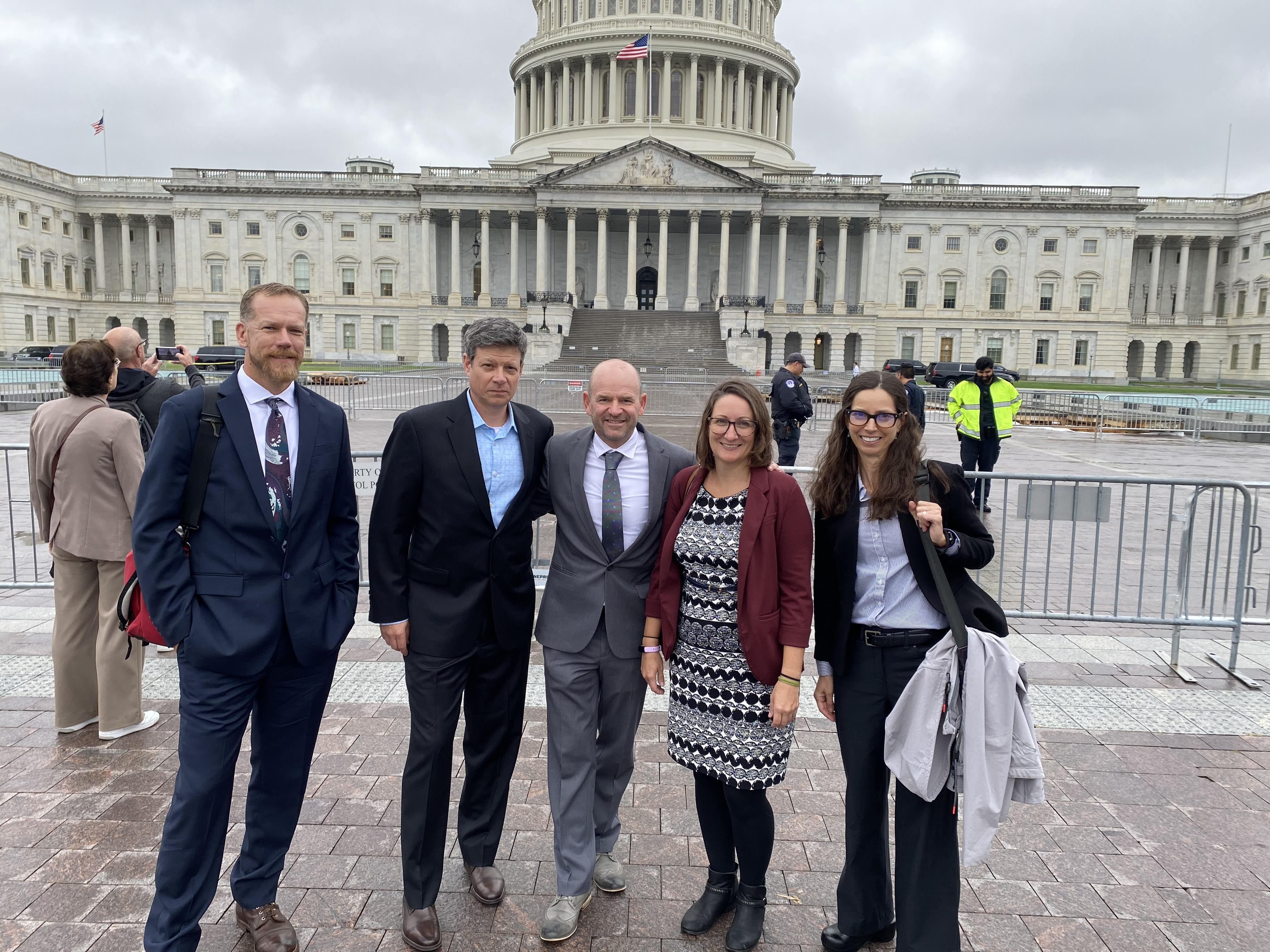
You play an important role in D.C. for your local land managers. Government employees cannot lobby on behalf of their budget or issues pertaining to their recreation and resource issues. But you can. You can ask your congressional delegation to weigh in on important issues for your local land managers.
Reach Out to Federal Public Land Management Agencies
Show land managers that local mountain bikers not only help with trail maintenance, they advocate for federal and state policy issues as well. The U.S. Army Corps of Engineers, National Park Service, Bureau of Land Management, U.S. Forest Service and other federal land agencies have hundreds of units from coast-to-coast and some may be in your back yard.
Schedule a meeting with the lead local official to learn about their issues and see if there is anything you can do to help. Do they have a pending appropriations request for a new trail system, dam, dock, research study, visitor center, or something else that you can help with? They will appreciate your reaching out to help and can coach you on what to say.
Congressional staffs are motivated to improve conditions for their home state and they genuinely want to see where they can help. Often, they make phone calls, write letters, and even go so far as to suggest legislation to help advance issues for their home state. They are interested in what is happening back at home and will appreciate the update.
Lobbying for the Budgets of USFS, BLM, USACE, NPS's Rivers & Trails
U.S.D.A. Forest Service
The USDA Forest Service manages 155 National Forests and 20 National Grasslands on 191 million acres of public land in 42 states. The Forest Service oversees 133,000 miles of trail.
Spectacular mountain biking can be found in National Forests coast-to-coast such as the Ozark, Mt. Hood, Tahoe, Angeles, White Mountain, Coconino, Nantahala, Pisgah, Daniel Boone, Cleveland, George Washington, Payette, Lolo, Siskiyou and Bridger-Teton.
IMBA and the Forest Service
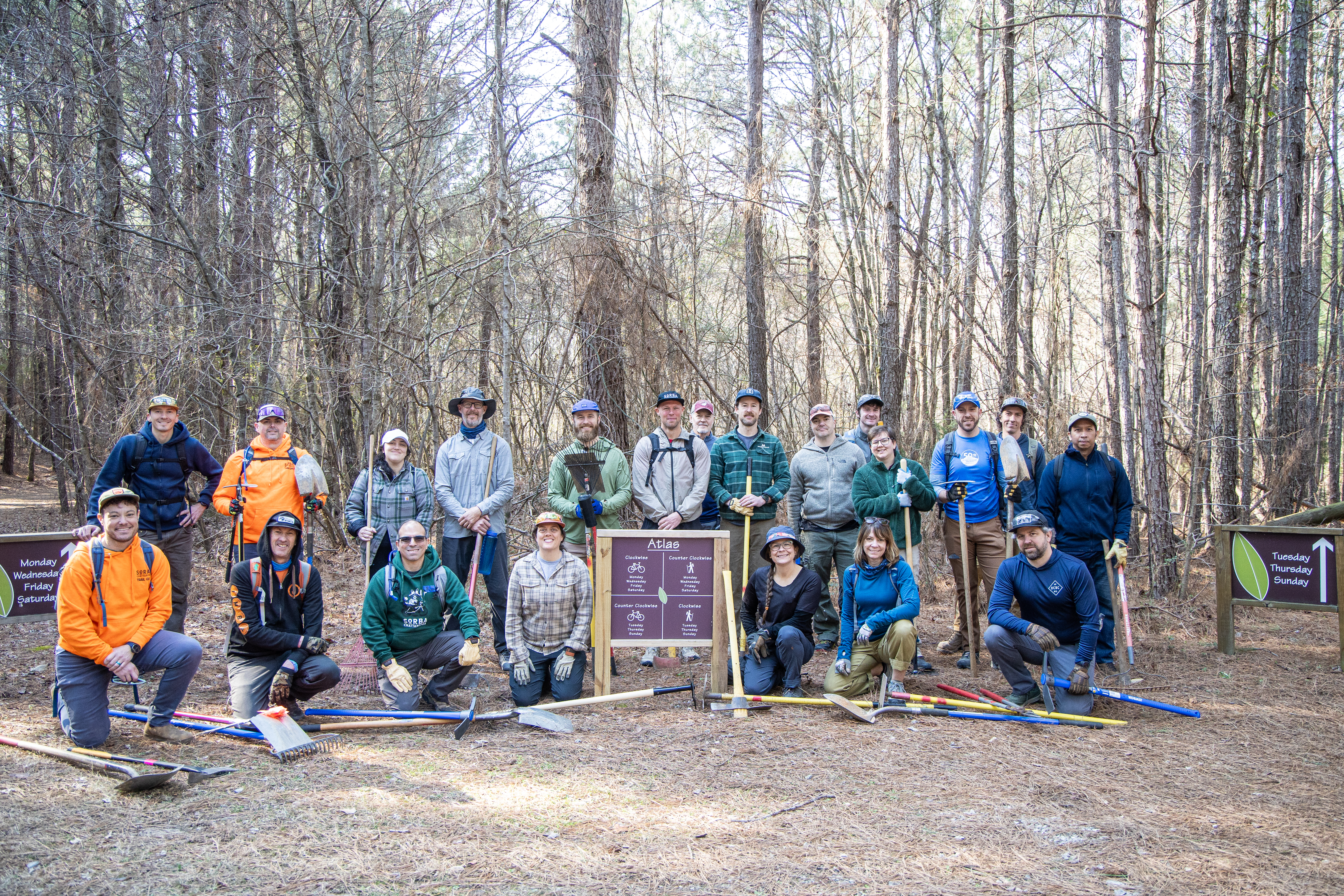
The Forest Service has partnered with IMBA since 1988, and has worked closely with many of our affiliated clubs for more than a decade. IMBA's Subaru/IMBA Trail Care Crews, National Mountain Bike Patrols, and dozens of our affiliated clubs regularly volunteer on National Forest land. The Forest Service understands mountain biking and actively supports shared-use trails.
Fire Suppression Costs Have Gutted the Forest Service Recreation Budget
Three years of widespread, severe forest fires have strained the Forest Service and money budgeted for trails and recreation management has been redirected to fight fires. More specifically, only 80 percent of the money diverted from recreation has been restored, forcing the Forest Service to cut staff and services. The Forest Service estimates that recreation generates nearly 80 percent of the Gross Domestic Product generated by activities on National Forest lands, yet only 10 percent of the Forest Service budget is spent on recreation. Further, the Forest Service estimates its recreation-related deferred maintenance backlog at $188 million. To help recoup years of budgetary shortfalls, upgrade recreation facilities and bolster recreation staff, IMBA is asking Congress to reprioritize the Forest Service's recreation and capital improvement budgets.
IMBA is Asking Congress to:
- Fund the U.S. Forest Service, Recreation Management, Heritage and Wilderness Program at $300 million in FY 2005.
- Fund the Forest Service budget for capital improvement and maintenance/trails at $85 million.
Bureau of Land Management
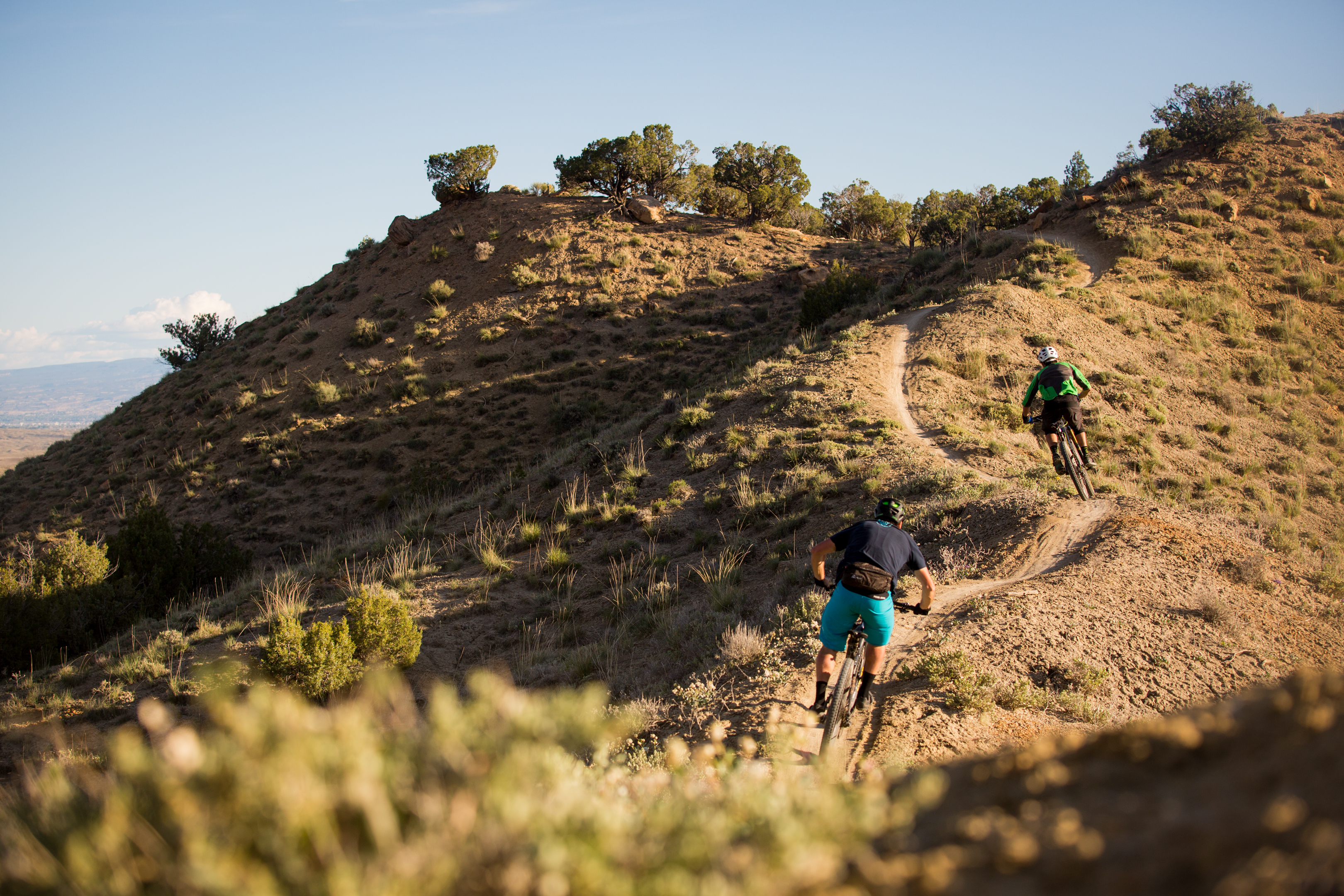
The Bureau of Land Management (BLM) is the largest federal public land management agency, overseeing 264 million acres in 12 western states. Part of the Department of Interior, this agency manages 15,500 miles of trails plus an estimated 600,000 miles of roads and routes open to public use. BLM land is home to some great mountain biking: Boise, Idaho; Moab and St. George, Utah; Fruita and Durango, Colorado, Las Vegas and Reno, Nevada, to name a few.
IMBA and the BLM
IMBA and the BLM have a long history of successful partnerships with our clubs and patrols volunteering thousands of hours on BLM land during our 15-year relationship. The BLM has taken a proactive approach to mountain bike management and recently produced a Mountain Bike Strategic Action plan - a staff and agency guide on how to manage bicycle use on trails. IMBA considers it the best mountain bike management document published by a federal agency. The BLM understands cyclists, mountain biking trends, our desired experiences and the great potential for mountain bike tourism.
Issues Facing the BLM
The BLM has historically focused on grazing, mining and energy production and never has been given an adequate recreation budget by Congress. The BLM also faces a growing deferred maintenance backlog.
IMBA is Asking Congress to:
- Fund the BLM Recreation Management at $70 million in the FY 05 Interior Appropriations Bill.
U.S. Army Corps of Engineers
The U.S. Army Corps of Engineers (Corps) is the number one agency provider of recreation in the U.S., welcoming more than 400 million visitors a year. The Corps is the steward of 12 million acres of land and water resources, manages 4,340 recreation sites at 456 lakes, approximately 56,000 miles of shoreline, 101,000 campsites and 5,000 miles of trails in 43 states. Corps land is most likely in your backyard, as almost 80 percent of Corps sites are within 50 miles of a major U.S. city. All Corps land surrounds lakes or rivers - beautiful places to build singletrack.
Since 9/11, the Corps has been asked to devote more resources to dam and water security. This new management burden, coupled with the cost of the Iraq war and an economic downturn, has strained the Corps' budget. One consequence: Fifty-two Corps lake sites are slated to be completely or partially closed this year and more shutdowns are expected to follow. Further, the Corps is facing a construction renovation backlog of $12 billion, since 90 percent of their facilities were built before 1980 and 40 percent before 1960.
IMBA and the Corps: Building Trails from Coast-to-Coast
IMBA and the Corps signed a partnership agreement on National Public Lands Day 2002. Since then, IMBA and our affiliated clubs have worked on at least 30 Corps sites around the country - building new trails and repairing old paths, leading IMBA Trailbuilding Schools and generating community support for local projects.
The Corps partnership is one of IMBA's most tangible efforts. The Subaru/IMBA Trail Care Crew will visit 20 Corps lakes in 2003 and 2004 and contribute to trail projects that will ultimately produce 180 new miles of singletrack!
Recreation Budgets a Low Priority
Currently, the Corps must return all the fees it collects for camping, swimming, boat launches, etc. to the Corps' operations and maintenance fund, which helps run Corps sites but does nothing to improve facilities or trails.
- Prevent more Corps lake closures by making recreation funding a priority and sending a higher percentage of the fees collected back to the projects that need them most, rather than diverting them to Corps operations and the general U.S. Treasury.
NPS: Rivers, Trails & Conservation Assistance
The National Park Service's Rivers, Trails & Conservation Assistance (RTCA) is a field-based technical assistance program that brings communities together to build trail and greenway projects, restore rivers and wildlife habitat, preserve open space, and revitalize our public spaces. RTCA manages 300 field projects annually with a meager staff of 82 people in 30 offices.
Despite RTCA's proven success rate and overwhelming demand for their services, its budget has remained relatively stagnant for a decade and virtually flat for the last four years.
IMBA and RTCA - Successful Trails Partnership
IMBA and RTCA have partnered on a number of exciting trail projects around the country. RTCA staff are experts in community-building and project coordination, fostering partnerships among federal, state, and local public and private interests. Many IMBA clubs work closely with their local RTCA office. Even more important, RTCA staff consistently reach out to IMBA clubs when they see that the interests of the mountain bike community are not being represented.
RTCA Leverages Local Funding from Federal Investment
RTCA leverages substantial local project funding for every project they undertake. They don't hand out grant money, they inspire communities through partnerships and capacity- building to come together and raise their own funds.
- Fund RTCA at $13 million in the FY 2005 Interior Appropriations bill. Last year, despite strong Senate and administration support, RTCA was flat-funded at approximately $8.2 million. Increasing their funding to $13 million will help reverse a decade of funding shortfalls, compensate for losses due to inflation, and enable the program to respond to growing needs and opportunities in communities throughout the country.