IMBA - International Mountain Bicycling Association
What would we do without trails?
200 IMBA Advocacy Summit Resources

The Future of Mountain Biking on Public Land

Rodger Schmitt, Bureau of Land Management National Recreation Group Manager, Address to 2002 IMBA Mountain Bike Advocacy Summit, Moab, Utah

Introduction

Like most of you I am a little spoiled when it comes to access to open space. While living in Boise, Idaho for eight years prior to taking on the assignment as the Director of Recreation for the Bureau of Land Management (BLM) in Washington, DC, I was an avid mountain bike rider - not competitively, but recreationally. I lived across the street from the Old Fort Boise Reserve, a former military fort that reverted to the BLM after it was decommissioned. It was then transferred by the BLM to the City of Boise to be held as open space for recreation purposes. I could hop on my mountain bike and be on the Boise Foothills system of trails immediately. The Boise Front is a very special resource for the community of Boise, and it has remained so through the hard work of the BLM working with Ada County and the City of Boise to establish the Boise Front Coalition, which works to develop trails and manage the myriad of uses - horse riding, mountain bicycling, hiking, jeeping and motorcycling. It took some time to bring the Off Highway Vehicle abuse under control and begin to develop the system of shared trails now called the Ridges to Rivers Trail System. The eventual success of this effort came about through the hard work and input of the users working together to reach consensus.

Now that I live in Annapolis, MD, I don't have the same access to mountain biking, but I can walk out my back door and jump in my sea kayak and paddle down Meredith Creek to Whitehall Bay and the Chesapeake Bay. Access to open space is important to me and, I suspect, to all of us in this room.

Aren't we lucky to be able to have such access to quality open space recreation opportunities?

The Future of Mountain Bicycling on Public Lands

We in the BLM have a long and successful history with mountain biking and IMBA. Most of you know we have world class resources for the sport, but our challenge has been and continues to be, developing the awareness among citizens throughout the U.S., especially the eastern U.S.

We've been innovative, creative and open to new ideas and ways to get the job done. We have to be, given our 50-pound gorilla status in the Department of Interior when it comes to budget battles.

The lands we manage surround most western towns and cities. We have had to learn to work with people to reach solutions because of this close relationship between BLM-managed land and community land. In 1980 the trend was toward the "Sagebrush Rebellion" - taking over national public lands and having the states manage them. Today, however, we find that most communities realize the impossibility of taking on the financial responsibility of managing public lands. They do, however, see the economic value that adjacent public lands provide to communities.

We've supported new industries and the activities they engender because of our mission - to allow for multiple use, as the land will allow environmentally. So we are very proud of our Agency's, and more importantly, our terrific staff's ability to respond to communities' and organizations' needs. We want to assure this kind of responsive relationship with IMBA and others continues in the future. The Memorandum of Understanding (MOU) we are currently negotiating will allow for not only sharing of funds at the national level, but will allow our field offices to share funds with IMBA at the local level to expedite project support.

Thus the Mountain Bicycling Action Plan - a specific effort to address the needs of the mountain biking community. And we don't come bearing a completed plan in hand asking for your review. Rather, we arrive with an open mind to listen to your concerns and ideas and then develop the action plan for sharing with the public for review.

We listened to your concerns as we began the development what we planned as the BLM's National Off-Highway Vehicle Strategy. And because of the positive arguments your forwarded and the strength of your ideas we decided to deal strictly with motorized OHV's in the strategy and make it the National OHV Strategy for Motorized Use of the Public Lands. Thus mountain bicycling was not included in the document and our ongoing effort with the Mountain Bicycling Action Plan (MBAP).

And, our MBAP Team is here this week and will listen to your ideas and concerns and, specifically tomorrow will host a session that will focus directly on the MBAP and its components, from your perspective.

Trends

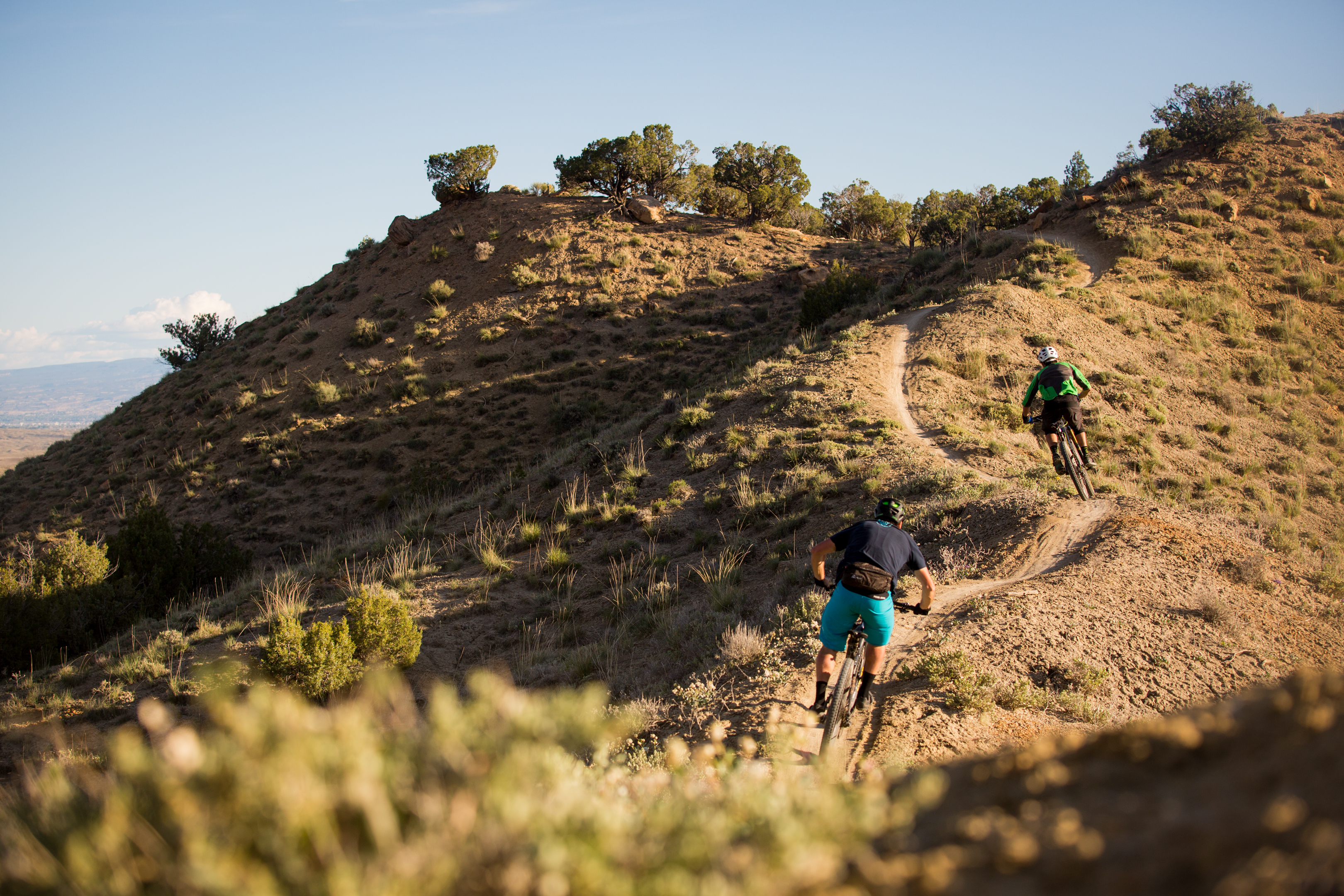
The future of mountain bicycling is undoubtedly a bright one. It will continue to grow in popularity. As our youth grow into bikes, the bike of choice will be the mountain bike because of versatility. More and more of our youth will want to explore and challenge themselves, as kids want to do, off the road. BLM will continue to find itself challenged by this growth - providing people to work with the sport to reach solutions to issues and address growing pains as we provide for opportunities to ride. We will also be challenged in providing enlightened managers knowledgeable about mountain bike management. The MBAP will help us in this regard.

BLM will have to be proactive as it addresses the needs of mountain biking and planning for its management in our Resource Management Plans (RMPs). Just as importantly, you, as advocates, will need to be proactive in working with us and other land managers. One of IMBA's true strengths is its vision of being proactive on behalf of your sport and not just being reactive. IMBA has a positive attitude and approach - you want to bring reality to the table and offer creative solutions to issues as you find them.

Get Involved in Planning Early

The future success of your efforts depend on your proactive work with the agencies. Get involved with local land use planning Resource Management Plans. You have to be at the table as we begin our planning, rather than being reactive when we present the draft for public review.

Volunteer to work at whatever level you feel the most comfortable (local, regional or national). Offer your ideas, your solutions to our staff at that level. And don't be afraid to step up and challenge us when you disagree. Sit down with our staff, and, if that doesn't lead to resolution of issues, sit down with our field managers to make them aware of the differences and your concerns.

Work with us throughout the process of land use planning and not just at the end game. BLM is now engaged in the largest planning effort in our history. One of the few programs to get new money in the last two presidential budgets has been planning. Many of our field offices are embarking on RMPs and the National Landscape Conservation System (NLCS) is initiating planning for all of its units - thus providing ample opportunity for you to get your ideas on the table. Take advantage of this. You have some creative suggestions with regard to mountain use in wilderness versus backcountry.

Contrary to popular belief, we in the BLM do listen and incorporate public comments into our final RMPs and other documents, such as the National OHV Strategy for Motorized Use of the Public Lands and the ongoing Mountain Bicycling Action Plan. Identify mountain bicycling as an issue as our RMPs and NLCS units plans get under way. Support transportation planning and make certain trails, your favorite trails, are given due consideration to be included in the planning documents.

Working With Agencies, Groups and Others


Then go out and help our limited BLM staff identify appropriate roads and trials. Understand that we work from a set of laws and regulations. It's what we must follow if we are to be successful in not only developing plans, but also in defending them when challenged. Get familiar with those laws and regulations and use them to help you in your advocacy. Be flexible in your advocacy! Learn to share trails with others in designations - and learn to share trails on the ground. It is hard for us to designate trails to single users - we are a multiple use agency. Learn to play by the rules of the road - you will win over the other users with courtesy and understanding more than you will with hard-nosed obstinacy.

As you win over other users and user groups, you will build a constituency with the power to influence BLM, the Department of Interior, the current administration and the Congress.

Trails sharing and one-way trails are going to be a big part of the future. Understand and work with local staff and managers in these areas. And understand that we are short handed everywhere in the BLM (remember we are the 50 pound gorilla fighting the 50 pound gorilla in the Department of Interior when it comes to the budget battles) and the reason we may not be immediately responsive to you is not because we are not ignoring you, but because our field office folks wear many hats and are in most cases very overworked.

Understand the need for limitations along some trails (seasonal restrictions to protect wildlife or because of soil conditions during certain times of the year on the ground). Partnerships are going to continue to be our primary way of getting what we all want - good multiple-use trials, well maintained. BLM needs partners to help on the ground in trail planning, inventory and development. And we need partners as advocates for our program needs.

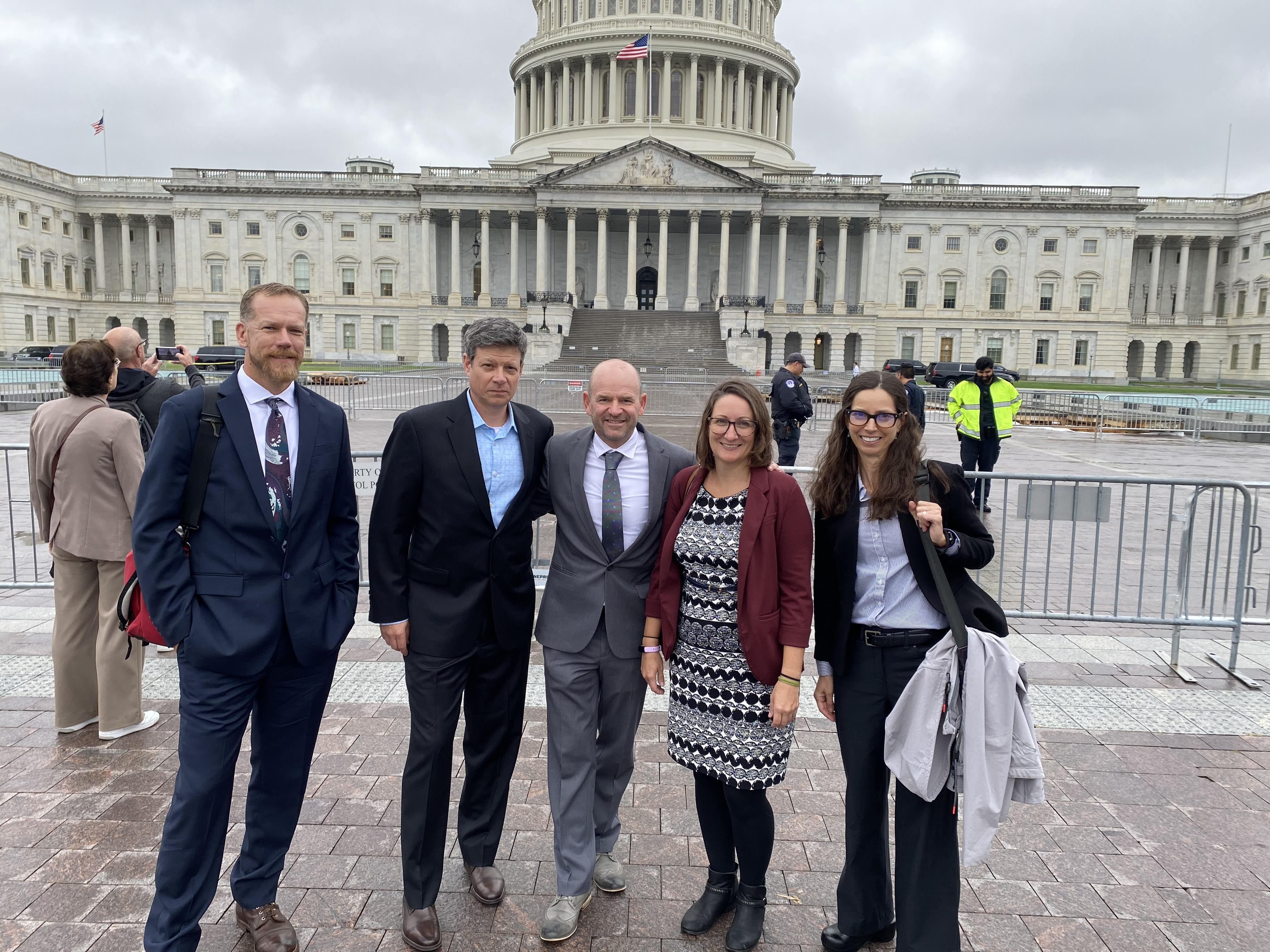
The Congress is constantly asking us for information as it deliberates and allocates, but it is you - the voter, the person who lives in their district - that has the voice that is heard. Use that voice when and where it will do you the most good. Partner, as an organization, with other organizations as your work with BLM and other agencies, the current administration and the Congress. And partner with other organizations in advocating for agencies' needs when you use your voice on Capitol Hill, in your representative's office or in your home towns.

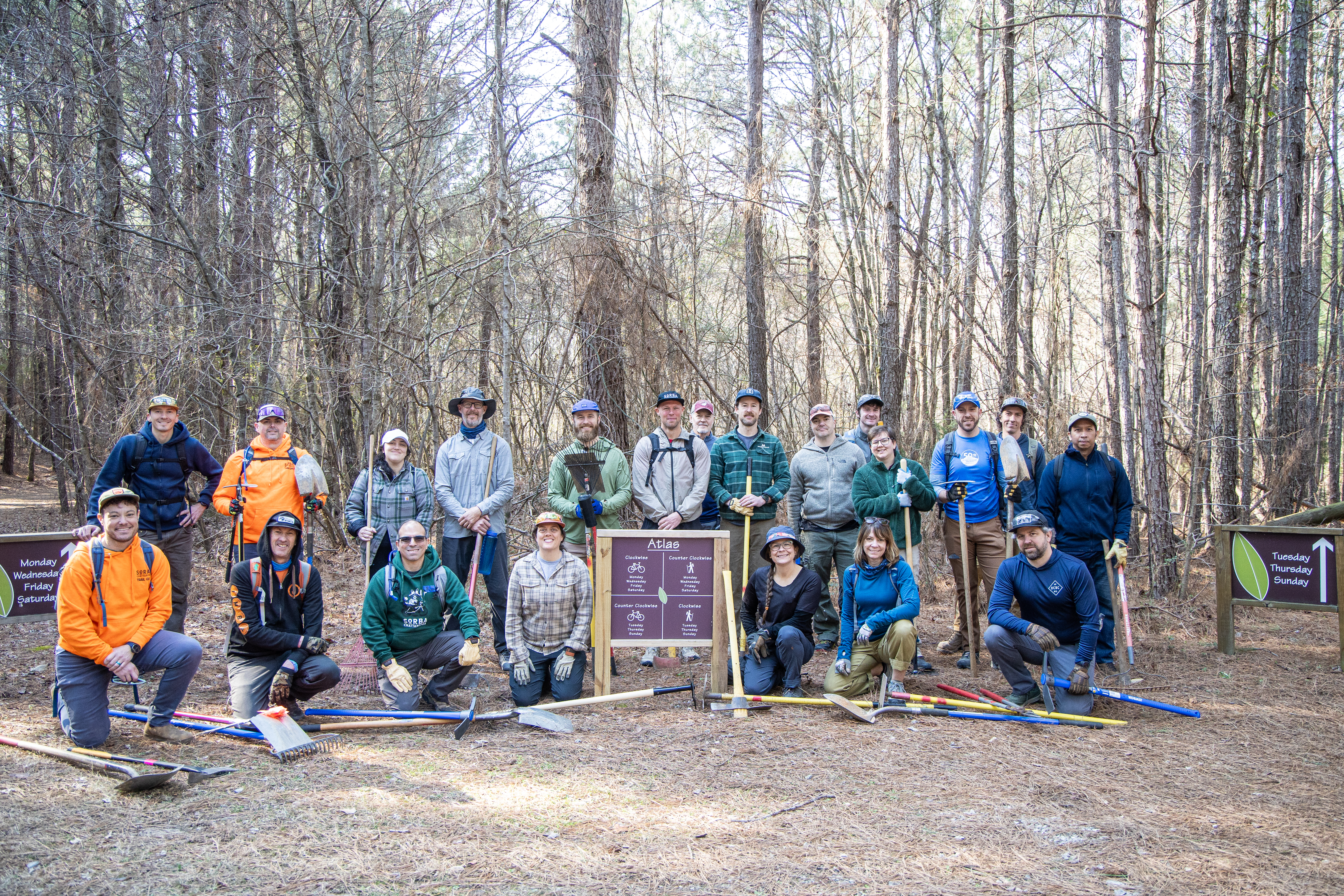
Ten years of hard work on your part - support of the agencies and on-the-ground volunteer work - and ten years of being responsible riders has given you a great reputation and mountain biking much respect.

Work in this vein in the future and we will all win! Comments by IMBA and Tim Blumenthal and board members like Jim Hasenauer have impressed me. IMBA has its head screwed on straight and offers to work with us to accomplish what is best for you and the land.

Email this page Printable Version


Help | Site Map | Copyright
IMBA Homepage Join IMBA Now!