IMBA - International Mountain Bicycling Association
What would we do without trails?

Comments From IMBA on the BLM's OHV Strategy Draft

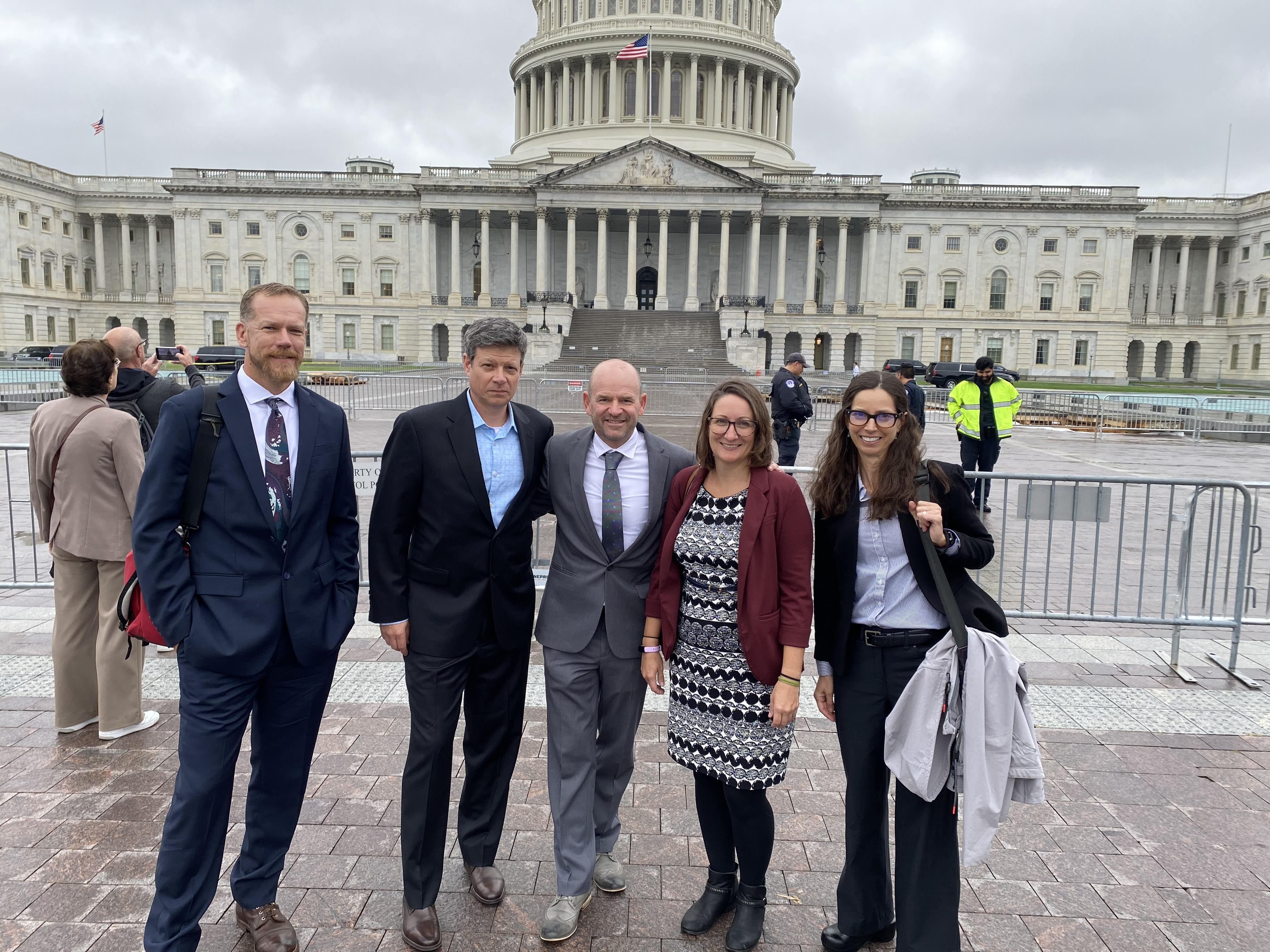
The letter that appears below is IMBA's official comment letter on the BLM's draft OHV Strategy. It was hand-delivered today, January 3, 2001, to Bob Ratcliffe, Hall Hallett and Jack Peterson in BLM's Washington, DC office.

January 3, 2001

BLM OHV Strategy Comments
U.S. Department of the Interior, BLM
1849 C ST N.W.
Washington, D.C. 20240

Dear BLM,

The International Mountain Bicycling Association (IMBA) vehemently opposes the inclusion of bicycles within the BLM OHV Strategy, and requests that bicycling be removed from the draft plan. We ask the BLM to explicitly recognize the fundamental differences between OHVs and mountain bikes by separating their management. We believe that mountain bike use on BLM land should be managed by a new, comprehensive non-motorized recreation strategy. IMBA offers to work with BLM to create this strategy.

The Process

To the best of our knowledge, the BLM provided no notice to the public during initial Summer 2000 scoping that the agency was considering the inclusion of bicycling in the OHV strategy. Since bicycles are not OHVs, very few bicyclists commented on this issue. Nevertheless, IMBA did send comments to the BLM (copy attached) stating our position that bicycling should not be included within the OHV strategy.

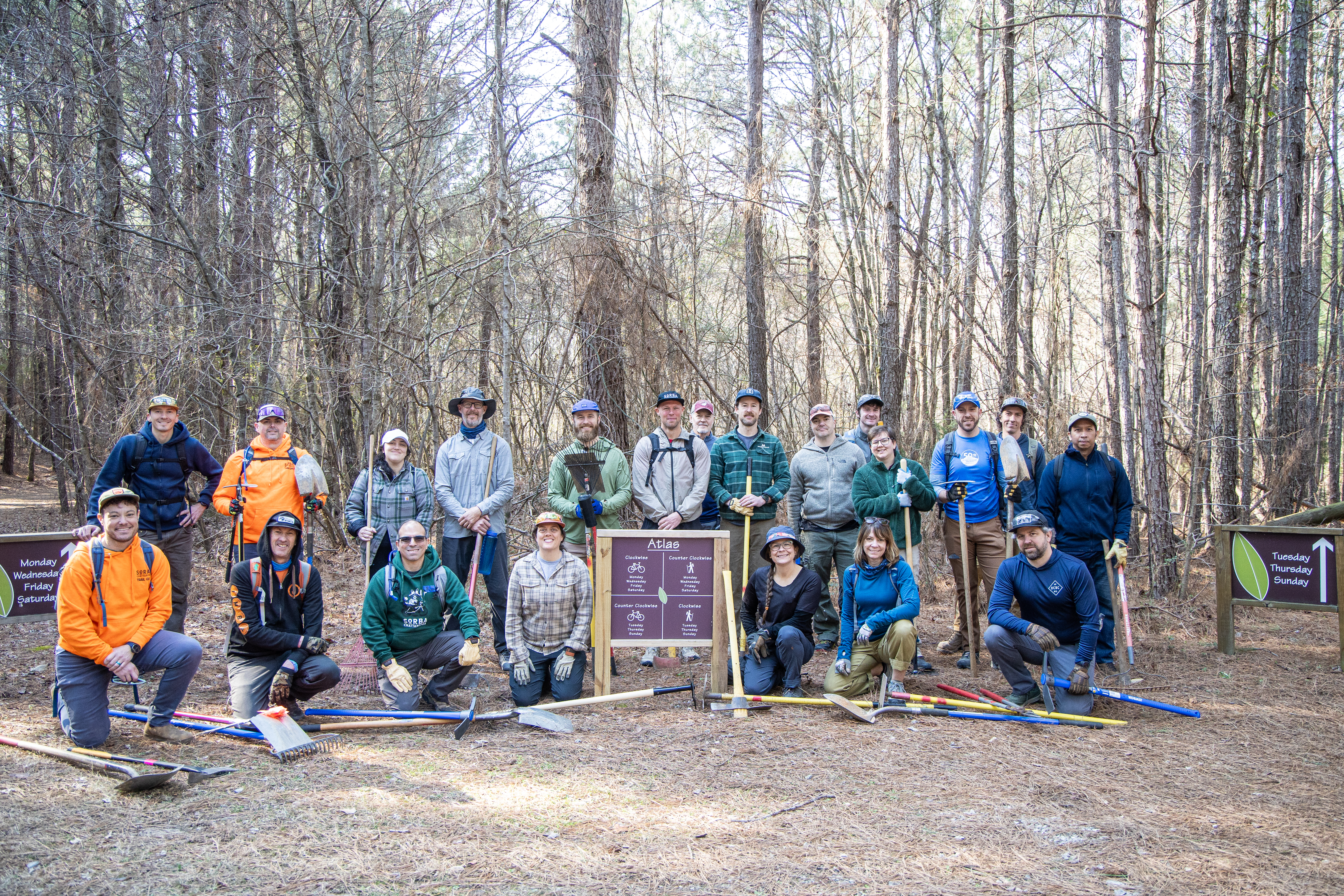
IMBA has worked in partnership with BLM since the late 1980s. BLM was one of the first agencies to reach out to mountain bicyclists with a positive agenda, seeking to provide opportunities for this new sport. In return, IMBA has assisted the BLM on a variety of projects, including the development of the Recreation 2000 strategy, the BLM's 50th anniversary celebration, and the National Trails Training Partnership. IMBA and local mountain bicycling club members routinely perform trail maintenance on BLM sites throughout the West. Given the clear communication that has marked the historical relationship between IMBA and the BLM, we are very disappointed that you didn't notify us early on of your intention to include mountain bicycling in this strategy.

Practical reasons why mountain biking should not be included in the BLM OHV Strategy

According to federal law, bicycles are not Off-Road-Vehicles. Since ORVs are synonymous with OHVs, bicycles are not OHVs, either. Thus, the idea of including bicycling within the OHV strategy has dubious legal justification.

Besides the legal terminology, there are numerous practical reasons why bicycles should not be categorized with motorized vehicles:

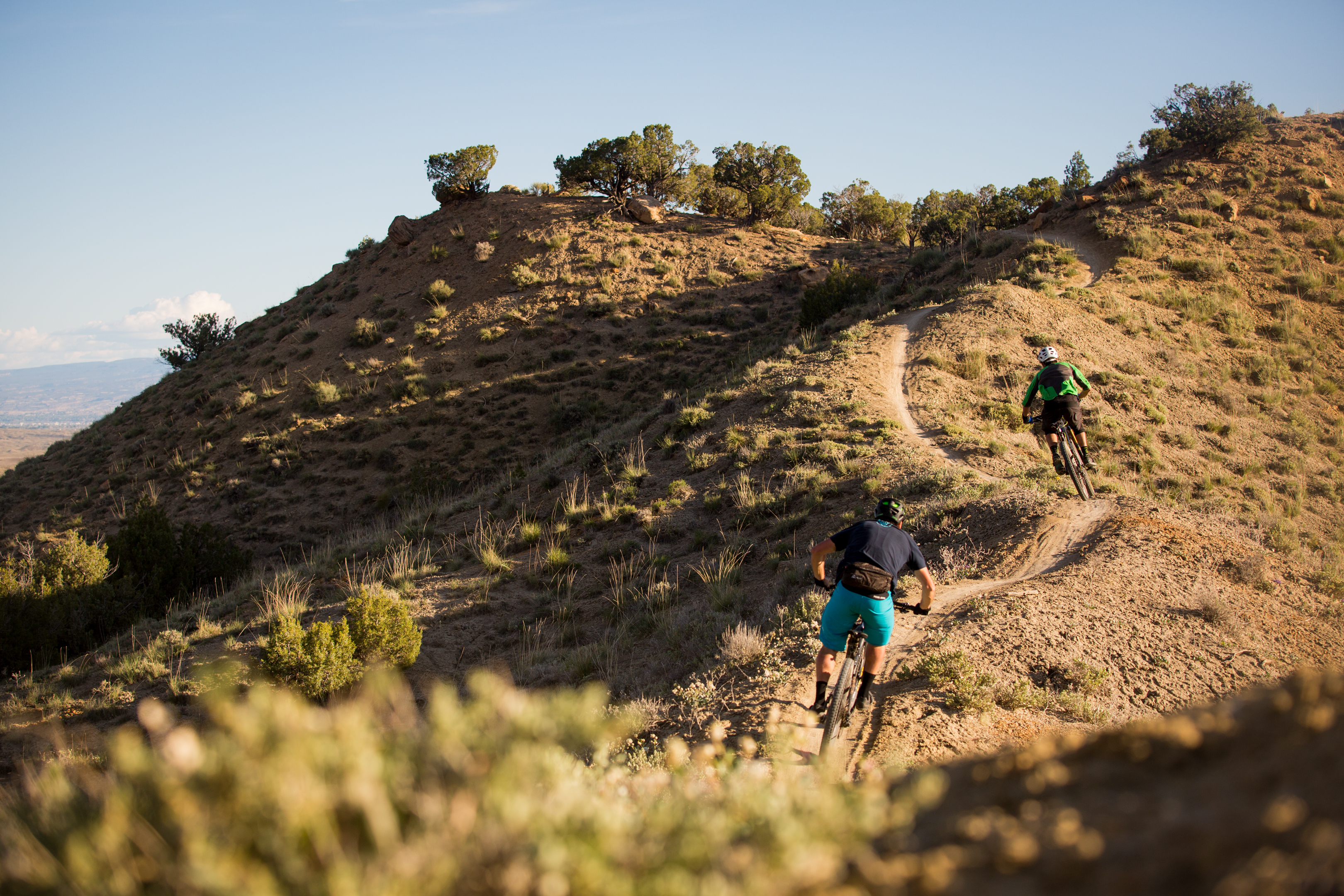
  • Bicycling is a quiet, non-polluting form of recreation.

  • The draft strategy notes that OHVs are causing significant--and in some places severe--degradation of vegetation due to off-route travel that tramples plants. This concern rarely applies to bicycling since it is difficult and impractical in most locations to ride a bike off-route. Regarding exceptions to this pattern, please see the section below concerning good bicycling management.

  • BLM planners in Washington D.C. have expressed to IMBA concern about social conflicts between mountain bikers and other users. Much of BLM land, however, is rural, so user conflict is less of a problem than in crowded urban environments. Certainly there are exceptions, and we encourage the BLM to utilize IMBA's experience with managing urban trail environments to address these.

Proposed Revision of Code of Federal Regulations

The Strategy calls for the BLM to change the regulatory framework of OHVs to include all "vehicles." IMBA believes this would be unwise because the definition of a vehicle is vague and varies widely among jurisdictions. Please consider these examples where bicycles are separated from vehicles:

  • Federal law distinguished bicycles and pedestrians from "motorized vehicles" in 23 USC ß 217 -- Bicycle Transportation & Pedestrian Walkways. Section 217 authorizes the use of federal highway funds to construct "bicycle transportation facilities" and "pedestrian walkways" as transportation (not recreation) projects. Subsection 217(h) expressly prohibits "motorized vehicles" on the trails and pedestrian walkways authorized by the section, with some exceptions.

  • The California Vehicle Code 670 provides this definition of vehicles: "A 'vehicle' is a device by which any person or property may be propelled, moved, or drawn upon a highway, excepting a device moved exclusively by human power or used exclusively upon stationary rails or tracks."

  • Recent lawsuits, regarding the conditions of roads, filed by bicyclists in Michigan and Illinois were dismissed because courts ruled that bicycles are not vehicles and thus had no standing to sue.

  • Some states prohibit use of "off-road-vehicles" on roads, but allow operation of bicycles on roads.

    Bicycles are often afforded separate status from motorized vehicles in state law and should be treated the same way on public land.

    IMBA asks that BLM make distinctions between different activities based on motorized versus non-motorized, instead of the vague and inconsistent vehicular/non-vehicular distinction. The motorized/non-motorized distinction is far more significant than the vehicular/non-vehicular characteristic. The Draft Strategy seems to recognize this to some extent: It includes motorboats and personal watercraft in the OHV category, but does not propose including (human-powered) kayaks, canoes and rowboats.

    Instead of including mountain bicycles in the OHV strategy, we encourage BLM to follow the example set this fall by the USDA Forest Service. A Memorandum of Understanding with IMBA, signed October 13, 2000, pledged to: "Encourage the management of mountain bike use as distinct from motorized activities when developing agency policy, forest management plans, and travel management rules."

    Social and Philosophical Considerations

    Fifteen years ago, not many people rode mountain bikes on BLM land. A special management plan wasn't needed. As we move into 2001, this is no longer the case. Mountain bicycling is so popular that a number of U.S. towns depend on mountain biking tourism for their economic well-being.

    A recent survey conducted by the Gallup organization for the Outdoor Recreation Coalition of America found that there are 13.5 million avid mountain bicyclists who enjoy singletrack - more than any other outdoor adventure activity. "Avid" was defined as a person who rode on singletrack at least six times in 1999. Certainly a user group this large warrants a management plan that addresses specific needs and concerns of the activity.

    The conservation community recognizes the differences between bicycling and off-highway-vehicles. Most conservation leaders oppose OHV recreation within roadless areas, but they accept bicycling in such places. Please note that the BLM, during this comment period, will receive a letter from The Wilderness Society opposing the inclusion of bicycling in the OHV Strategy.

    We also are aware that within BLM there is considerable dissent to the idea of including bicycling in the OHV Strategy. Several BLM state directors and national policy officials have expressed to us their belief that this is not the best way to manage bicycling.

    Planning for Bicycle and Non-motorized Recreation

    IMBA is eager to work with BLM to develop a non-motorized recreation travel management strategy. IMBA supports efforts to thoughtfully manage all forms of recreation, including bicycling, on our public lands.

    Areas of focus in bicycle and non-motorized trails planning should include:

    • Unplanned user-created trails
    • Effective trail sharing
    • Sustainable trail design and construction
    • Balance of recreational pressures with environmental concerns

    Non-motorized planning should also address the maintenance of narrow singletrack trails. Singletrack trails are very important to mountain bikers. These narrow trails are being compromised, however, as all-terrain-vehicles and jeeps widen and destroy them. Unfortunately, the draft OHV Strategy does not address this issue. Please note that many hikers and equestrians share this concern for maintaining the narrow character of trails.

    Conclusion

    IMBA understands the problems that BLM faces in managing off-highway-vehicles, and wants to support the agency in its endeavors to manage all recreation. However, the current proposal to include bicycling in the OHV Strategy precludes any endorsement by IMBA.

    Please entirely remove bicycling from the OHV strategy.

    Sincerely,

    Steve Anderson
    IMBA President

    Tim Blumenthal
    IMBA Executive Director

    Email this page Printable Version


  • Help | Site Map | Copyright
    IMBA Homepage Join IMBA Now!