Comments Of The International Mountain Bicycling Association Regarding Possible Revisions To The Roadless Areas Conservation Rule (RIN 0596-AB85)
Sept. 7, 2001
USDA-Forest Service -- CAT
Attention: Roadless ANPR Comments
P.O. Box 221090
Salt Lake City, UT 84122
To Whom It May Concern:
The International Mountain Bicycling Association (IMBA) is a national and international education and advocacy organization with 450 member clubs, 32,000 individual members, and more than 200 corporate partners and dealer members. The mission of IMBA is to promote mountain bicycling opportunities that are environmentally sound and socially responsible.
During the Roadless Area comment periods of 1999 and 2000, IMBA strongly supported the Roadless Areas Conservation rule, especially after the Forest Service announced its proposal to not include any travel management decisions in the rule. Today we are writing to again endorse the rule and to ask that the Forest Service make no changes to it.
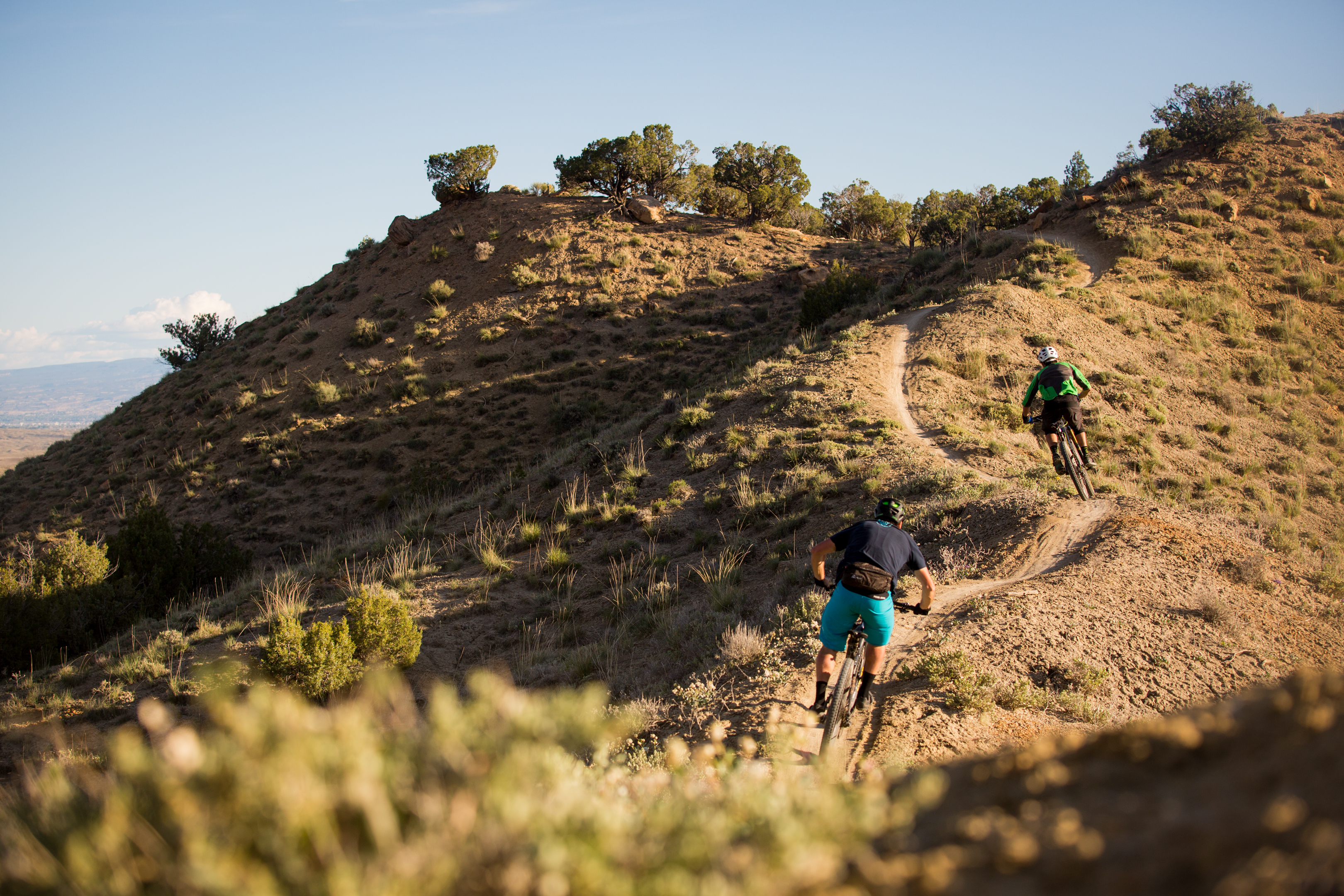
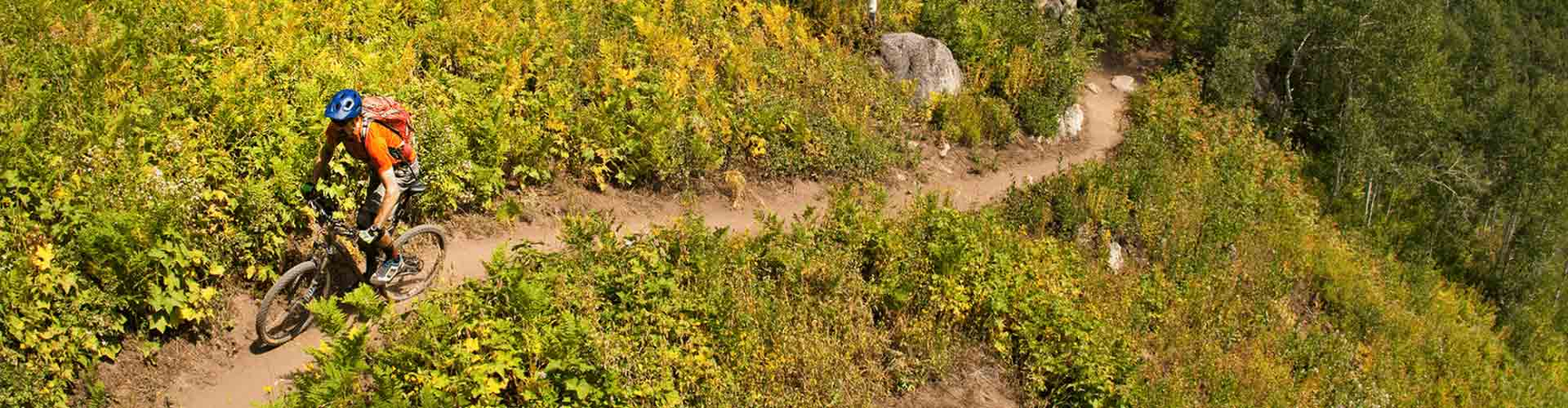
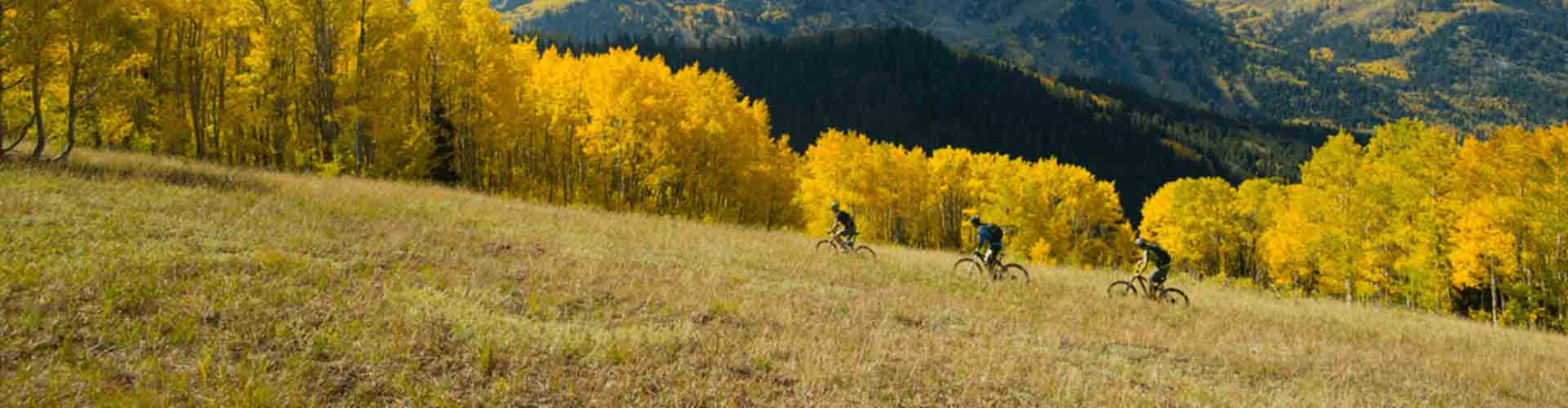
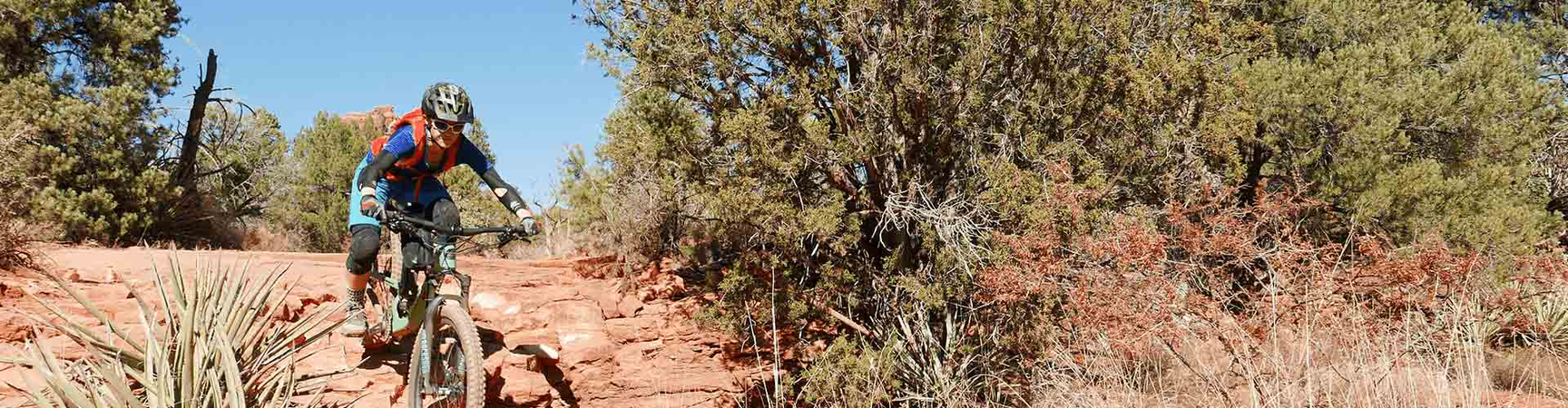
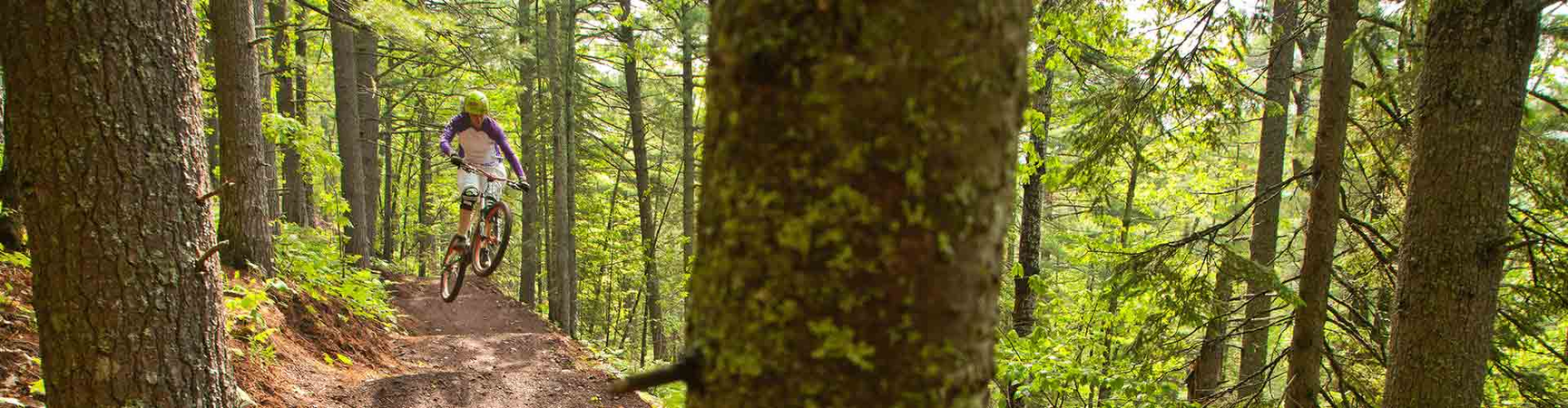
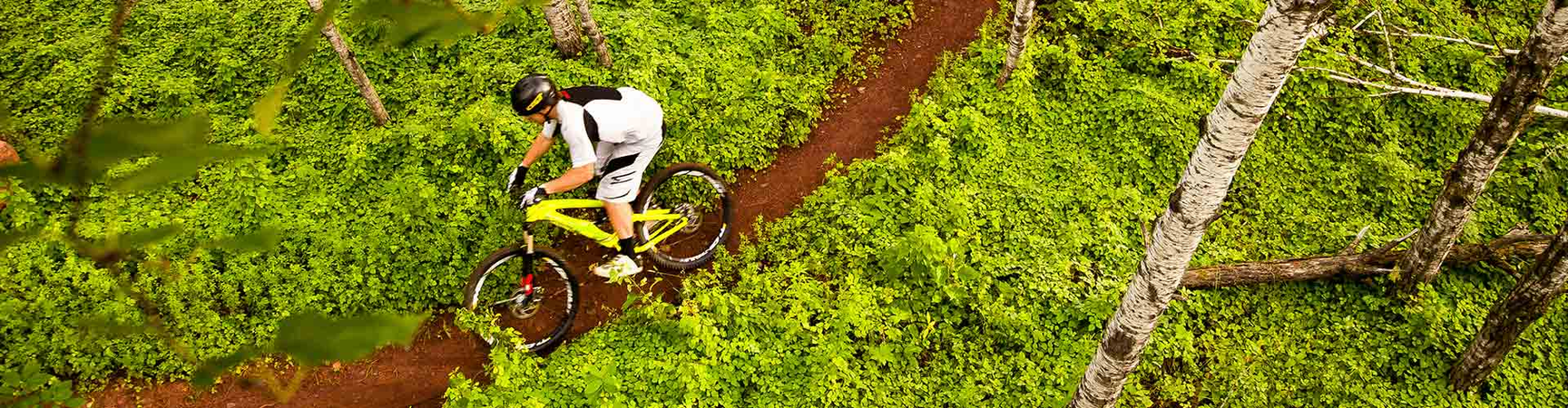
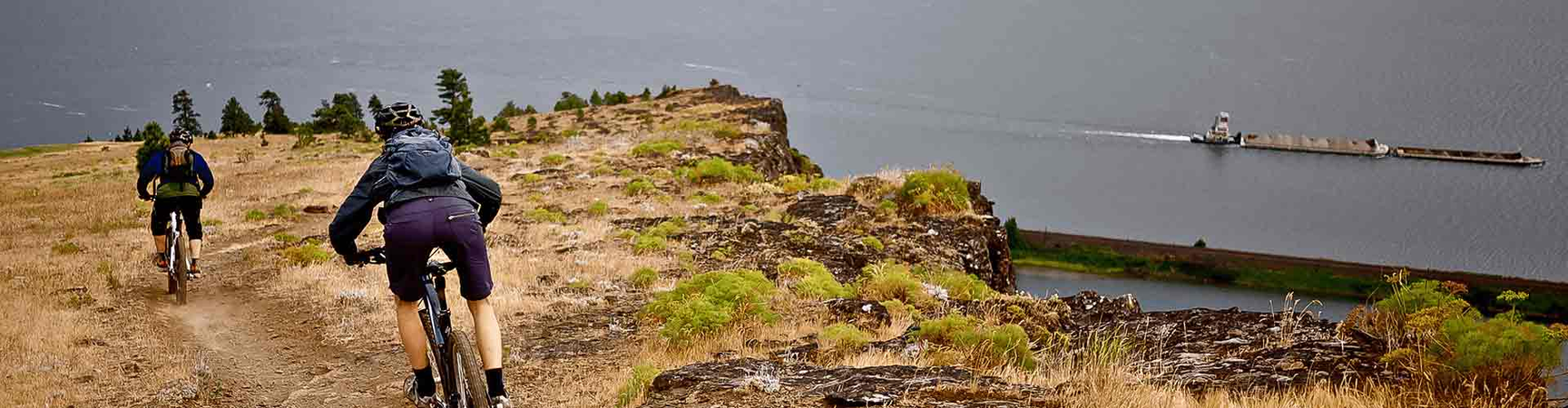
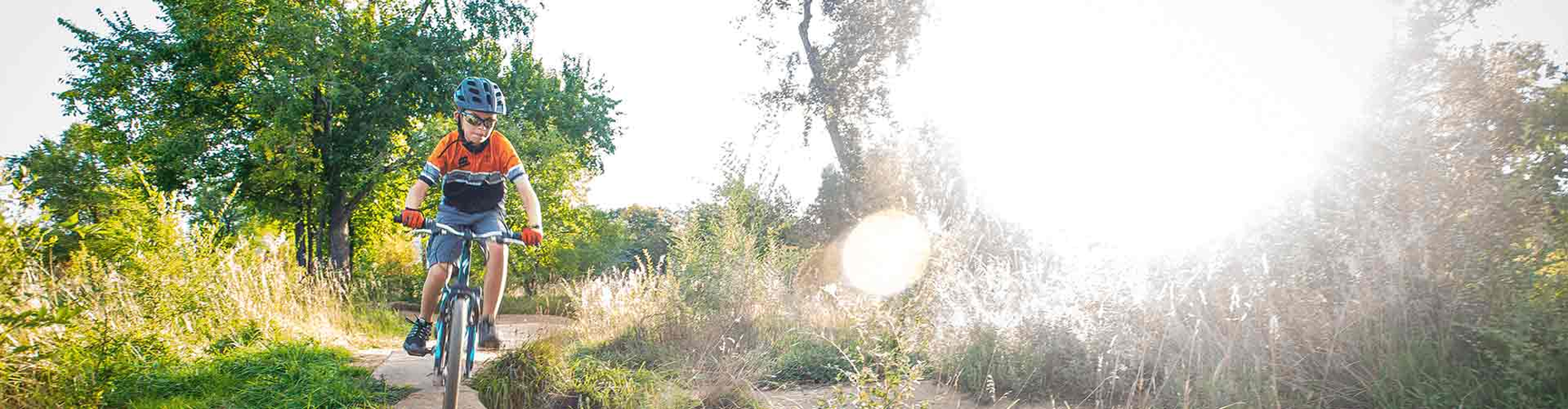
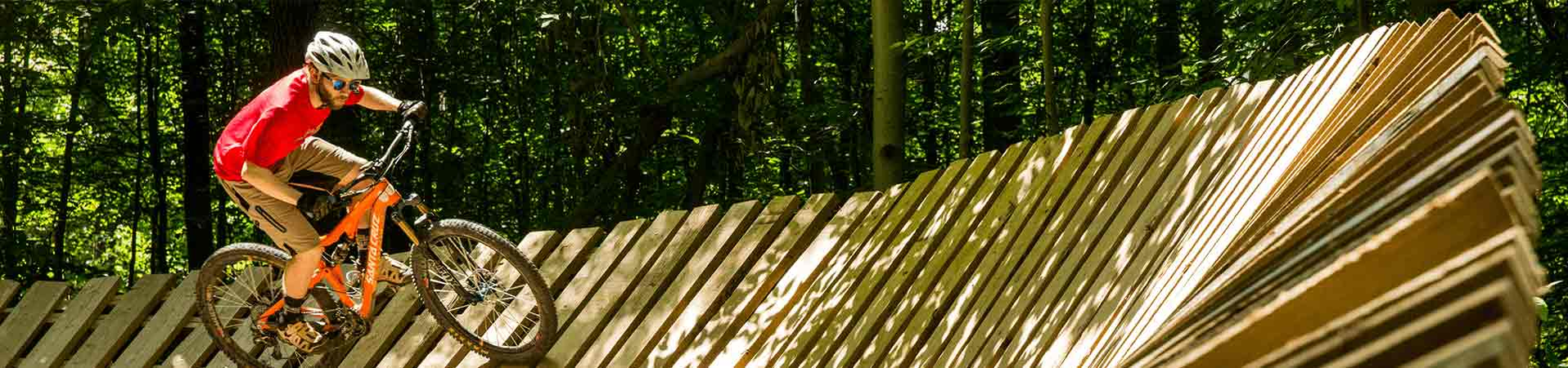
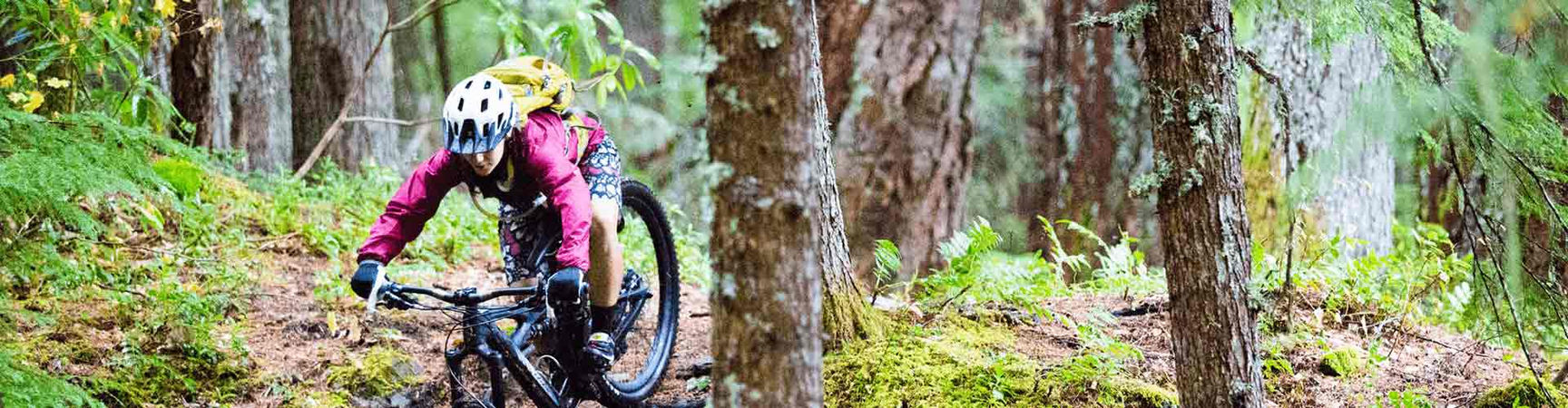
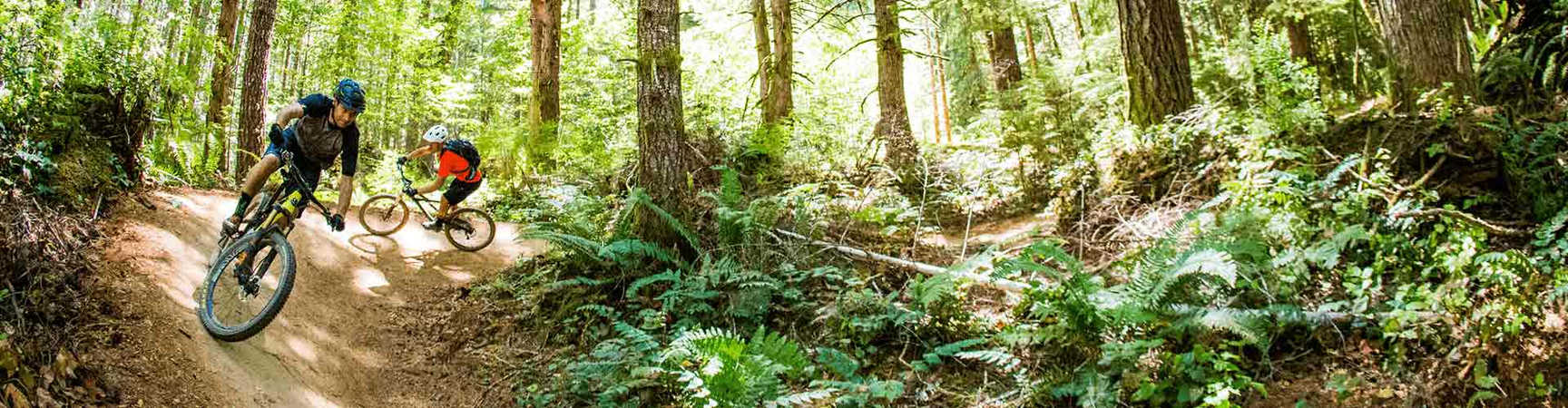
The bicycling perspective Mountain bicycling affords participants the opportunity to get close to Nature, as well as to enjoy fun, health-inducing recreation. Mountain bicyclists prefer to ride in natural settings, away from the world of automobiles, buildings and other developments. All mountain bikers enjoy riding in quiet, backcountry areas. Most experienced riders prefer singletrack trails. As one of IMBA's state representatives puts it, "Mountain biking on singletrack is like skiing fresh powder, or matching the hatch while fly fishing, or playing golf at Pebble Beach."
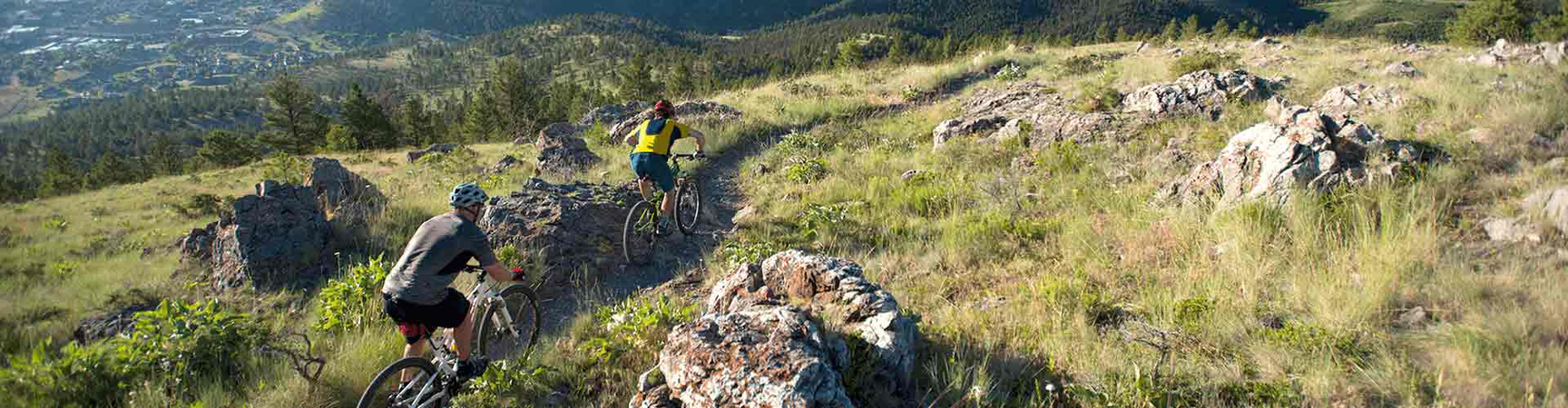
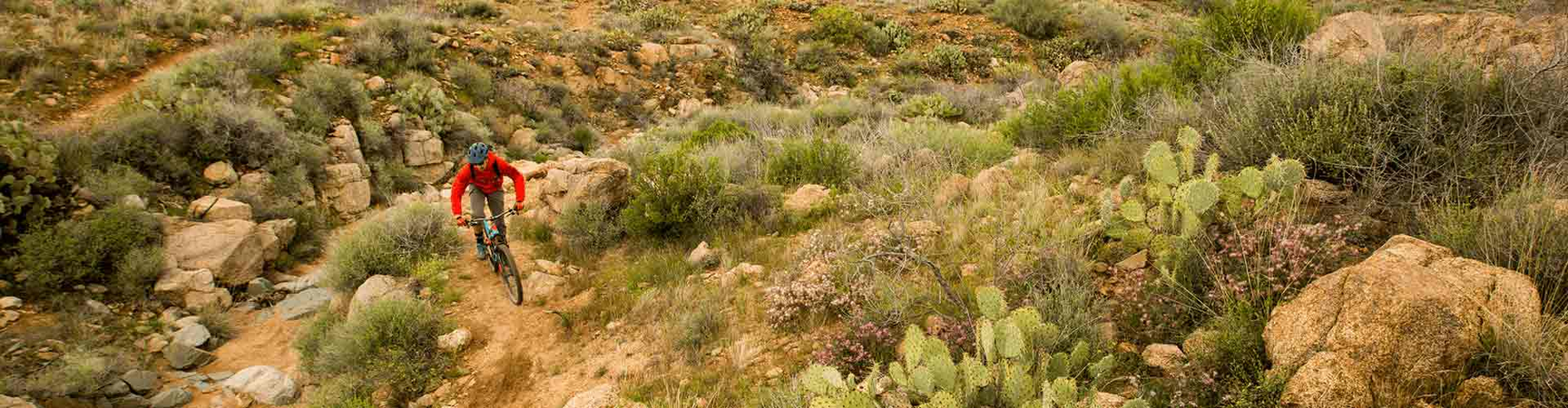
Roadless areas are by definition the realms of singletrack trails. People travel through roadless areas on narrow pathways, as opposed to roads. So bicyclists particularly appreciate opportunities to ride bikes in roadless areas, and they strongly desire access to trails that traverse pristine landscapes.
When the President and Forest Service first proposed the Roadless Areas Conservation rule, IMBA was concerned that it might entail adoption of a Wilderness- type approach to another 58 million acres of land. Bicycling is prohibited in Wilderness, so that kind of approach would strongly affect our enjoyment of roadless areas and our support for the rule. But in the Draft EIS, released in May 2000, the Forest Service decided that the rule would have no affect on travel management. Thus it is not a Wilderness-type approach. Indeed, the Roadless Area Conservation rule allows not only bicycling, but also motorcycling on singletrack trails (if approved in local forest planning).
For IMBA, the Roadless Area Conservation rule is a model of what is needed on our public lands: a new instrument in the kit of legal tools available to protect lands from development. The Roadless Area Conservation rule provides new flexibility, while accomplishing the goal of preservation. Some Forest Service managers have complained for decades about lack of management flexibility in Wilderness designations, so the Roadless rule ought to enjoy their enthusiastic support.
A classic example of the value of the Roadless Areas Conservation rule is the Hermosa roadless area in southwest Colorado, 10 miles north of Durango. This 70,000-acre landscape has become extremely popular for bicycling because of its many miles of singletrack trails that extend through a pristine forest ecosystem. Wilderness designation would be inappropriate there, and so would road building. The standing trees in Hermosa may have value as timber, but logging and its attendant roads would destroy the value of this place for recreation. There are probably some ecosystem management issues related to long-term fire suppression in Hermosa, and the Roadless Area Conservation rule does allow tree-cutting for stewardship purposes. So the Roadless rule perfectly protects the Hermosa Creek Drainage.
Public Involvement And Public Support
The primary reason put forth for the current consideration of changing the rule is that there was allegedly insufficient time and inadequate explanation for public involvement. The Advance Notice of Proposed Rulemaking states, "...it is difficult, and perhaps infeasible to collect in a short timeframe, on a national scale, the local data needed to produce a sufficient EIS that analyzes all relevant information or that proposes an adequate range of alternatives." IMBA fundamentally disagrees with these assertions.
IMBA and its members, along all U.S. citizens, had ample opportunity to comment on the rule. The US Forest Service held over 600 local public meetings around the nation and more than 1.6 million people commented, more than any federal rule in the history of this nation.
The Roadless Areas Conservation rule expresses a basic, strong value widely held among bicyclists and the general public: There are enough roads and developments on our public lands and the remaining unroaded places are precious and worthy of preservation. Yes, this is a relatively new value, but it is a value that has strongly increased in America in the past half-century. It is a value that will endure and advance. While logging, mining, drilling, water development and ranching will continue to play a significant role on Forest Service and BLM lands, the value of undeveloped landscapes will dramatically increase.
The current "Advance Notice of Proposed Rulemaking" observes, "Within the National Forest System, there are currently 34.7 million acres of Wilderness, 58.5 million acres of inventoried roadless area, and 4.2 million acres of [other protected] areas... The remaining 94.9 million acres includes roaded and other non-inventoried unroaded areas." This means that about half of our national forests have roads and half are roadless. This is a reasonable balance. The majority of Americans agree, judging by the strong support for the rule in last year's comment periods.
Thus, it is entirely reasonable for the Administration to promulgate or support a national rule that prohibits further building of roads into the roadless areas of America's national forests.
Answers To Questions
The following are IMBA's answers to some of the questions posed in the Advance Notice of Proposed Rulemaking.
1. Informed Decisonmaking. What is the appropriate role of local forest planning as required by NFMA in evaluating protection and management of inventoried roadless areas?
IMBA believes that a national rule prohibiting road building is appropriate. Local forest planning is the appropriate venue for making decisions about travel management, stewardship logging, and other management actions that do not involve road building.
Another appropriate role for local forest planning is the determination of roadless area boundaries and production of detailed maps. How does the rule deal with resolution of disputes and uncertainties regarding boundaries? Is there a need for campgrounds or trailheads along roads the are the boundaries of roadless areas? These questions can hopefully be resolved through local forest planning, rather than revision of the rule.
2. Working Together. What is the best way for the Forest Service to work with the variety of States, tribes, local communities, other organizations, and individuals in a collaborative manner to ensure that concerns about roadless values are heard and addressed through a fair and open process?
IMBA believes that collaboration among various stakeholders regarding the management of public lands is always appropriate. We supported the collaboration provisions of the Forest Planning Rule approved in 2000. However, there are some decisions that are appropriately made at the national level. That is why America is a nation, not just a collection of autonomous states. The blanket preservation of roadless areas is a decision appropriately made at the national level.
5. Protecting Access to Property. What is the best way to implement the laws that ensure States, tribes, organizations, and private citizens have reasonable access to property they own within inventoried roadless areas?
IMBA notes that access to private inholdings is not always accomplished with roads. Inholdings within roadless areas can be accessed by foot, bicycle, horse, and in some cases, motorcycles.
6. Describing Values. What are the characteristics, environmental values, social and economic considerations, and other factors the Forest Service should consider as it evaluates inventoried roadless areas?
This letter explains above the social and economic values of roadless areas to bicyclists. In the example of the Hermosa roadless area, destruction of its roadless character would be an economic blow to the economy of Durango, Colorado. That local economy has significantly expanded due to the abundance of singletrack trails open to bicycling around the city.
7. Describing Activities. Are there specific activities that should be expressly prohibited or expressly allowed for inventoried roadless areas through Forest Plan revisions or amendments?
Road-building should be expressly prohibited in roadless areas through both national rule and forest plans. Forest plan revisions and amendments are the appropriate venue for making decisions about travel management. IMBA is working through the Forest Plan Revision process in many forests to assure that bicycling is allowed in roadless areas. We also accept that some trails are unsuitable for bicycling, and this is best decided locally.
All-terrain-vehicles with more than two wheels should be universally prohibited from roadless areas, because roadless areas are the realms of singletrack trails and ATVs convert singletrack into roads. In contrast, motorcycles may be appropriate on some trails in some roadless areas, depending on local circumstances.
8. Designating Areas. Should inventoried roadless areas selected for future roadless protection through the local forest plan revision process be proposed to Congress for wilderness designation, or should they be maintained under a specific designation for roadless area management under the forest plan?
The Forest Service should propose some inventoried roadless areas to Congress for Wilderness designation. For the other roadless areas, the Forest Service should propose to the Congress that it enact a new type of law formally designating Roadless Areas. The new law should mandate the management processes established in the Roadless Areas Conservation rule. The question of which roadless areas should be Wilderness, and which should be Roadless, is a site-specific issue.
9. Competing Values and Limited Resources. How can the Forest Service work effectively with individuals and groups with strongly competing views, values, and beliefs in evaluating and managing public lands and resources, recognizing that the agency can not meet all of the desires of all of the parties?
Since 85% of the economic value of America's national forests derives from recreation, and an overwhelming majority of Americans favor preservation of roadless areas, the Forest Service should take a strong stance in favor of not building new roads into roadless areas, regardless of some opinions to the contrary. The planning process for building roads and other developments takes considerable Forest Service staff resources and funds, regardless of who pays the costs. In contrast, maintenance of roadless areas requires no new planning and minimal staff resources for management.
Thank you for your consideration of these comments.
Sincerely,
Gary Sprung
Senior National Policy Advisor