IMBA's Comments On The Proposed National Forest System Road Management Policy - 2000
May 2, 2000
USFS CAET
Attention: Roads
P.O. Box 221090
Salt Lake City, UT 84122
Dear Forest Service,
The International Mountain Bicycling Association (IMBA) supports the effort by the USDA Forest Service to better manage its road system through the implementation of new policies proposed in the Federal Register on March 3, 2000. We offer a suggestion for improvement to the guidance for decommissioning roads.
Support for general policy
We support the policy because mountain bicyclists generally prefer trails to roads, and we believe that many trails have been destroyed by the construction of the agency's 380,000 miles of roads. Although mountain bicyclists do use the road system, we believe that many of these roads are harmful to ecosystems and many are unnecessary. Appendix A of the proposal notice and overview notes, "The Forest Service has available only about 20 percent of funds necessary to fully maintain Forest Service roads to intended safety, service, and environmental standards." IMBA agrees that this warrants decommissioning of many roads.
Decommissioning and Roads-To-Trails
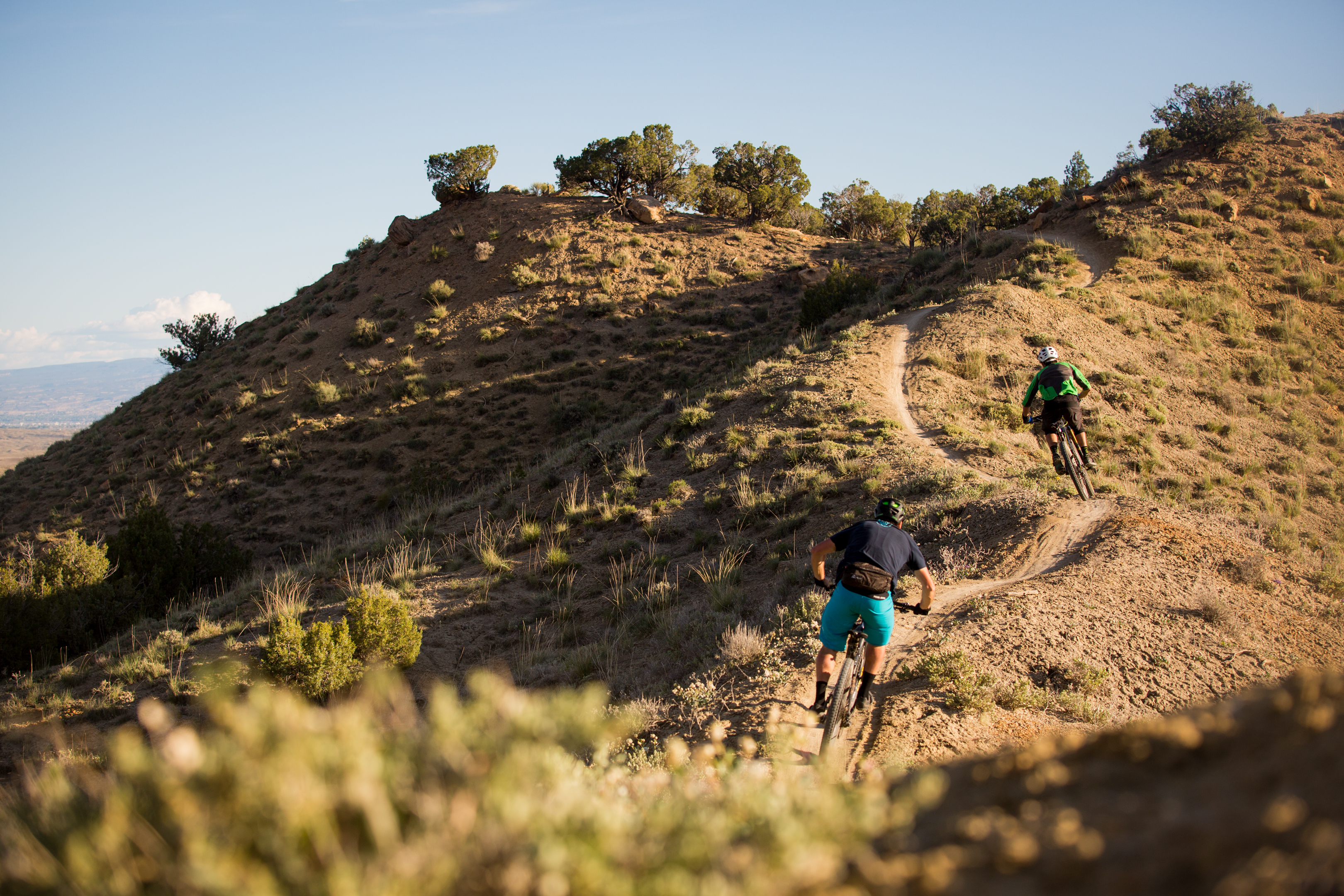
Outright obliteration of unneeded roads is not always necessary to mitigate problems. We suggest that the rules add and embrace an intermediate option: roads-to-trails conversion. Roads can often be converted to trails by planting vegetation (or allowing vegetation to grow) along the sides of roads while leaving a narrow path in the center. This can preserve public access to areas -- thereby increasing political support -- while reducing the ecological impacts. The roads-to-trails solution can be much less expensive than full-fledged recontouring of road grades. Sometimes all that will be needed is an effective closure to 4WD vehicles and then vegetation will reestablish along the unused peripheries of roads. The roads-to-trails option could be particularly effective in dealing with unclassified roads.
We think that our roads-to-trail suggestion can be implemented by modifying the currently proposed addition to the Forest Service Manual, section 7703.1, subsection 2, titled Decommissioning unneeded roads. That subsection explains, "....Decommissioning includes various levels of treatments to stabilize and rehabilitate unneeded roads, such as blocking the entrance, revegetating and water barring; removing fills and culverts, reestablishing drainage-ways and removing unstable road shoulders; or full obliteration by recontouring and restoring natural slopes."
We recommend that this section 7703.1(2) specifically note the option of converting roads to official trails. When converting to trails, several of the actions cited, including stabilizing soil, blocking entrance (to 4WD vehicles), and water barring would be appropriate. However, removing fills and culverts and full obliteration would not be appropriate if the route is to become a trail.
The term "water barring" ought to be changed to "establishing water diversion structures," because rolling grade dips are now often preferred to water bars.
IMBA requests that the proposed amendment to the Code of Federal Regulations include roads-to-trails conversion. Section 212.5(2), titled Identification of unneeded roads, provides a more general description of decommissioning: "Decommissioning roads involves restoring them to a more natural state through activities such as reestablishing former drainage patterns, stabilizing slopes, and restoring vegetation." We recommend that this sentence be changed to: "Decommissioning roads involves either a) restoring them to a more natural state through activities such as reestablishing former drainage patterns, stabilizing slopes, or restoring vegetation; or b) converting roads to forest development trails."
Thank you for your consideration of these comments.
Sincerely,
Gary Sprung