IMBA - International Mountain Bicycling Association
What would we do without trails?
2004 IMBA Summit Resources

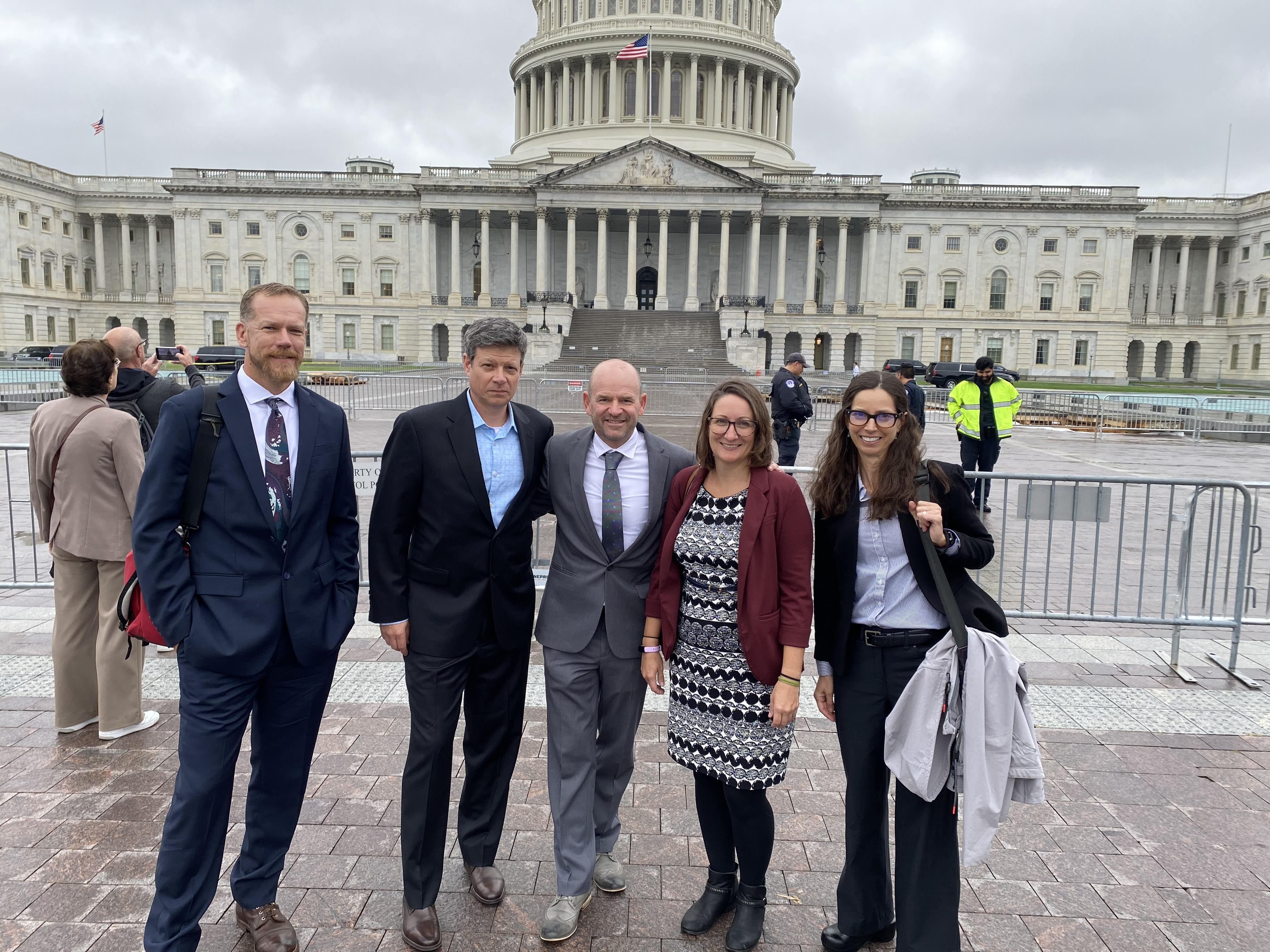
IMBA and Wilderness: Sharing Our Perspective with Congress

Wilderness and Mountain Biking
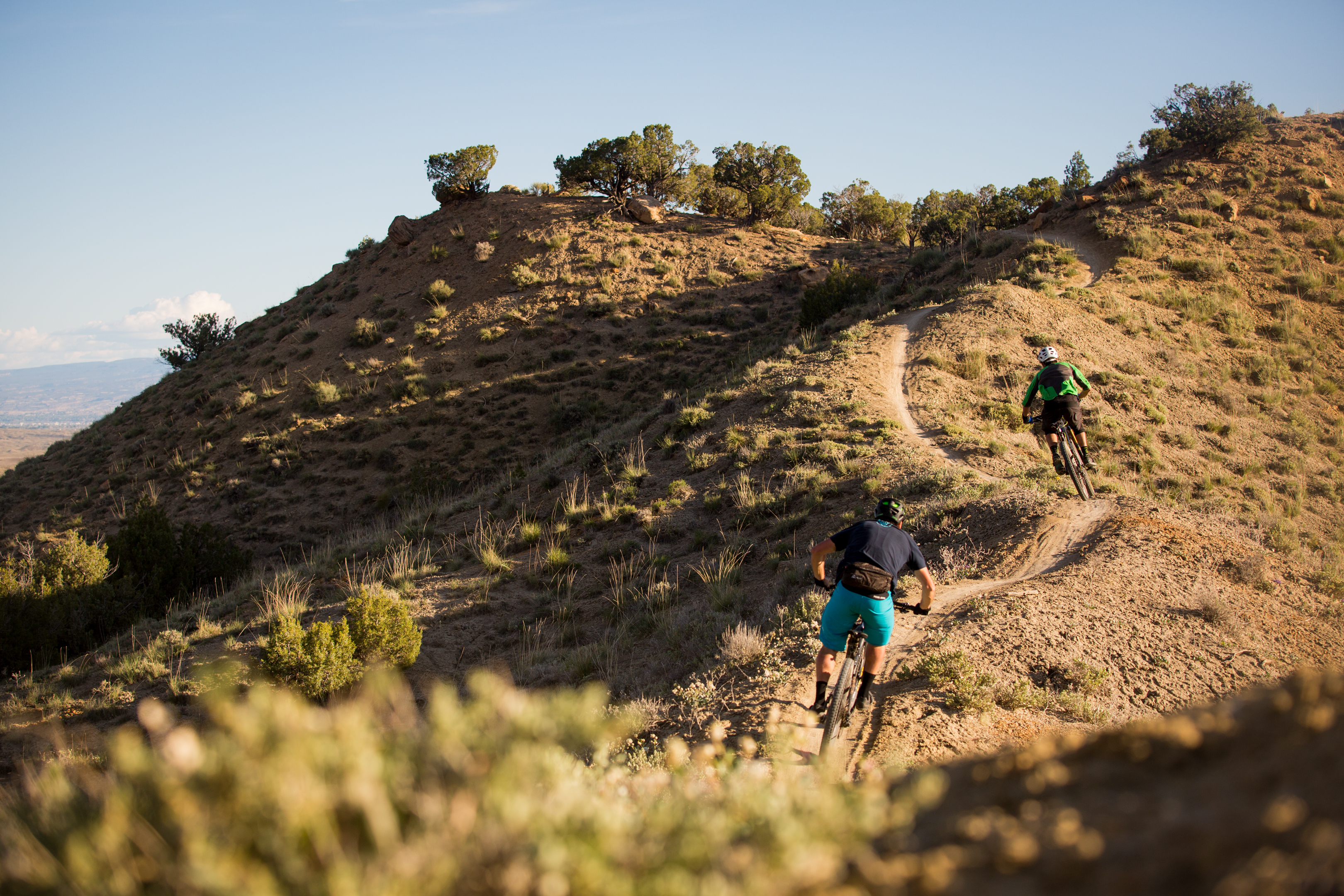
The Wilderness issue has been a challenge for mountain bikers since 1984, when the U.S. Forest Service imposed a comprehensive bicycle ban on Wilderness trails. While IMBA, which formed four years later, has always been a conservation-minded organization, we're dedicated to preserving trail access for cyclists. In particular, we face a dilemma when new Wilderness proposals overlap trails that are popular mountain biking rides. IMBA members want to protect the land, but we must maintain fair access.

Since science shows that the impacts of bicycling on the land are no greater than the impacts of hiking, why are bikes banned from Wilderness? This issue needlessly pits similar interest groups against each other. Why must we choose between protecting the land and maintaining access to great trails? We can and should work together.

IMBA believes that mountain biking, as low-impact, muscle-powered recreation, is an appropriate use of trails on public lands. IMBA is dedicated to the protection and preservation of public land resources. We recognize that Wilderness designation is one of many tools that may be employed to protect wild places.

States Where Active Wilderness Campaigns Threaten Bicycling Access
Arizona, California, Colorado, Georgia, Idaho, Montana, New Mexico, Oregon, Utah, Vermont, Virginia

Where Proposed Wilderness Conflicts with Bicycling, IMBA Proposes:

  • Alternative land protection designations
  • Boundary adjustments to accommodate existing trails
  • Non-Wilderness trail corridors

Alternatives to Wilderness
Wilderness is one tool available for protecting the land. However, it is not the only option. Below is a list of alternatives to Wilderness that do not categorically ban bicycling.

Legislative Options
National Conservation Areas
Protection Area
National Scenic Area
National Wild and Scenic River
National Recreation Area
National Monument
National Park
National Wildlife Refuge
National Seashore or Lakeshore
National Scenic Trail
National Historic Trail
Special Management Area

Administrative Options
National Outstanding Natural Area
National Historic Landmark
National Register of Historic Places
National Natural Landmark
National Recreation Trail
Area of Critical Environmental Concern
Research Natural Area
Important Bird Area

International Options
United Nations Biosphere Reserve
World Heritage Site

Homework: Read IMBA Wilderness information at: http://www.imba.com/resources/wilderness/index.html

Talking Points:

  • Emphasize that mountain bikers support protecting all of the lands under consideration, but Wilderness is not the only appropriate method.
  • Congress can and has used diverse land protection tools, which can promote both land preservation and allow bicycling.
  • Many Wilderness proposals are talking about trails that cyclists have ridden for years - why must we now be excluded?
  • Mountain biking is a low-impact, human-powered activity that is appropriate in some protected places. It is not fundamentally different from hiking or horseback riding -- two uses allowed in Wilderness.
  • Ask the member of Congress to only support Wilderness bills where the Wilderness/bicycling conflicts are resolved.
  • If you have specific information about any areas in the bill or have visited any of the places, include that information.
  • Note that Wilderness designations that close bicycling trails will reduce bicycling-related tourism in the district and increase trail-user congestion on other trails.
  • Suggest that the conservation movement should be more inclusive. Excluding the second largest trail user group is not a way to build a land protection constituency.
  • State your concern that some of your state's best trails will be closed to bikes if all the areas proposed become designated Wilderness. If you have specific knowledge of areas in a proposal that overlap great riding, provide that information.

Email this page Printable Version


Help | Site Map | Copyright
IMBA Homepage Join IMBA Now!