|
|---|
|
11 Tips for Volunteer Workdays
1. Be Prepared.
If you're running a ramshackle show, you won't get much done. Worse yet, you'll run the risk of losing volunteers. People will only volunteer their time if they feel their effort makes an impact.
2. Emphasize Fun.
Trailwork is tough, but it should also be fun. Don't take it too seriously, use a little humor and include a fun element afterward - such as a BBQ, a group ride, or a get-together at the local café.
3. Provide Trained Leaders.
Volunteers need inspiration, encouragement and direction in order to complete the project efficiently. A leader's job is to ensure that volunteers are excited, keep track of their progress, and encourage everyone to stay focused on the task at hand. Give clear instructions and explain the goals so that volunteers and crew leaders are all on the same page.
4. Be Safe.
You want to build trail - not the patient list at your local hospital. Create an emergency plan prior to your trailwork day. Start things off with a volunteer meeting that addresses tool safety and what to do in an crisis. Make sure leaders are aware of their responsibilities for dealing with an emergency.
5. Don't Waste Time.
People volunteer because they want to do something. Strive to minimize standing-around time and maximize a sense of accomplishment. The entire crew is sacrificing their time to pitch in, so be sure the project is dialed and the results are tangible. Every once in a while, step back and encourage your volunteers take a look at what they've achieved.
6. Feed the Troops.
Start with coffee and treats in the morning, and keep the chow flowing all day. Recruit a local business to sponsor lunch and don't forget a variety of cold drinks. Encourage plenty of pit stops to refuel and socialize.
7. Keep the Workday Short.
Remember, this is a volunteer workday, not an episode of "Survivor." Avoid scheduling projects during the hottest months. Don't work for more than four or five hours at a time, and be sure to take breaks. You want to be sure you'll see these folks again.
8. Avoid Leaving a Job Half-Finished.
Tackle a reasonable project that can be fully completed with the volunteers and tools available. The quality of your finished work is more important than its quantity. The satisfaction of a job well done will bring them back for the next project.
9. Thank and Reward Everyone.
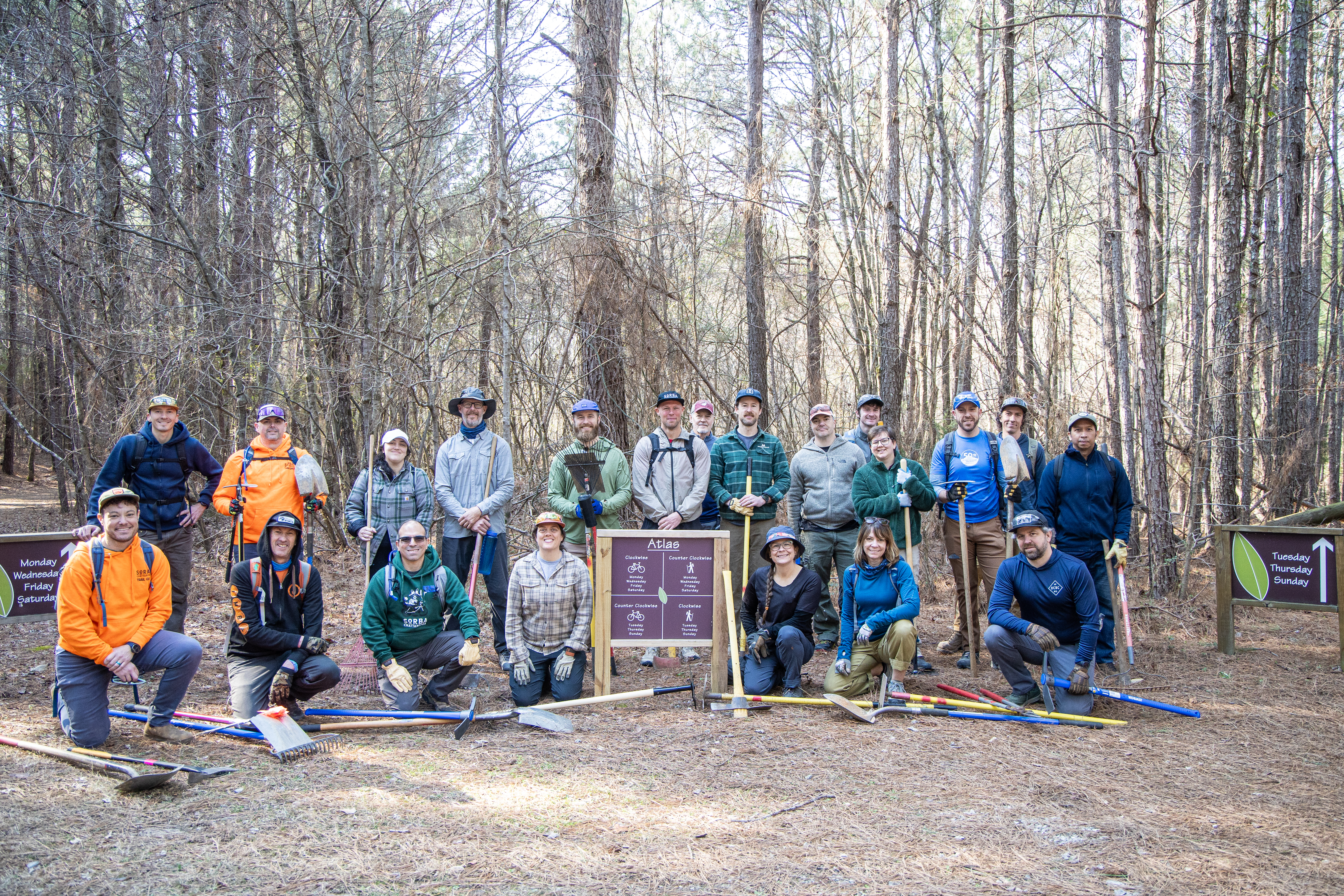
Volunteers need to know their work is valued. Thank them at arrival, thank them during the day, and thank them when they leave. List volunteers in newsletters or put photos of workers on your group's website. Hand out T-shirts, prizes or gag gifts. Consider a reward program with schwag incentives, or throw a party at the end of the season to recognize volunteers.
10. Record Your Success.
Tally the number of volunteers, the total number of hours logged, and the time put into planning. Use a camera to capture "before and after" shots of the work. This information will help with planning future events.
11. Stay in Touch.
Collect names, addresses, phone numbers and email addresses, so you can keep volunteers involved. This is particularly important with first-timers. New volunteers are likely to return if they leave feeling welcomed and appreciated.