|
|---|
|
Fundraising in Three Easy Steps
Large-scale volunteer projects usually require substantial funding, which means you'll have to know where to look for money. When distilled to its most basic form, fundraising can be viewed as a three-step process: 1) learn where the money is; 2) make an intelligent "ask"; 3) thank your donors. This web page covers step 1, and provides tips for step 2. If you get to step 3, your mission was successful - pat yourself on the back, then give copious and sincere thanks to your benefactors.
Where's The Money?
Foundations: Most foundations require a written proposal. Writing a winning pitch is time consuming, so study the targeted foundation's grant-making criteria before diving into the process. Foundations are just like people - they deserve personalized attention. Never broadcast a boilerplate, standardized proposal to multiple foundations.
Tip: For grant writing assistance, visit the Grants and Funding section of this site.
Corporations: Contributions from businesses, while charitable in their effect, are really about business in intent. Be certain you connect your project to the targeted corporation's business objectives. REI provides a great example: their corporate contributions for conservation and stewardship projects are right in line with their business objectives. Each store has the discretion to award grants for worthy local projects, and they also do a great job of inspiring their employees to get out and volunteer.
Tip: Nearly all corporate giving comes from two buckets, a marketing bucket (often used for sponsorships) and a corporate foundation bucket for community-based projects. Ask about both sources when cultivating corporate gifts.
Bequests: These gifts typically come from private estates, and are a very important area of fundraising. Bequest gifts are generally years in the making and require long-term cultivation and keen donor relationships.
Tip: Bequest gifts come from your most loyal donors and are motivated by the individual and family's desire to leave a lasting legacy.
Government Grants: Government grants require a comprehensive application and reporting process. The U.S. Department of Transportation's Recreational Trails Program (RTP) is a key source for trails projects. Funds are administered at the State government level and require matching funds.
Tip: Grants made at the county and municipal level are often more straightforward than federal programs, and may be a good match for trails projects that are connected to public recreation.
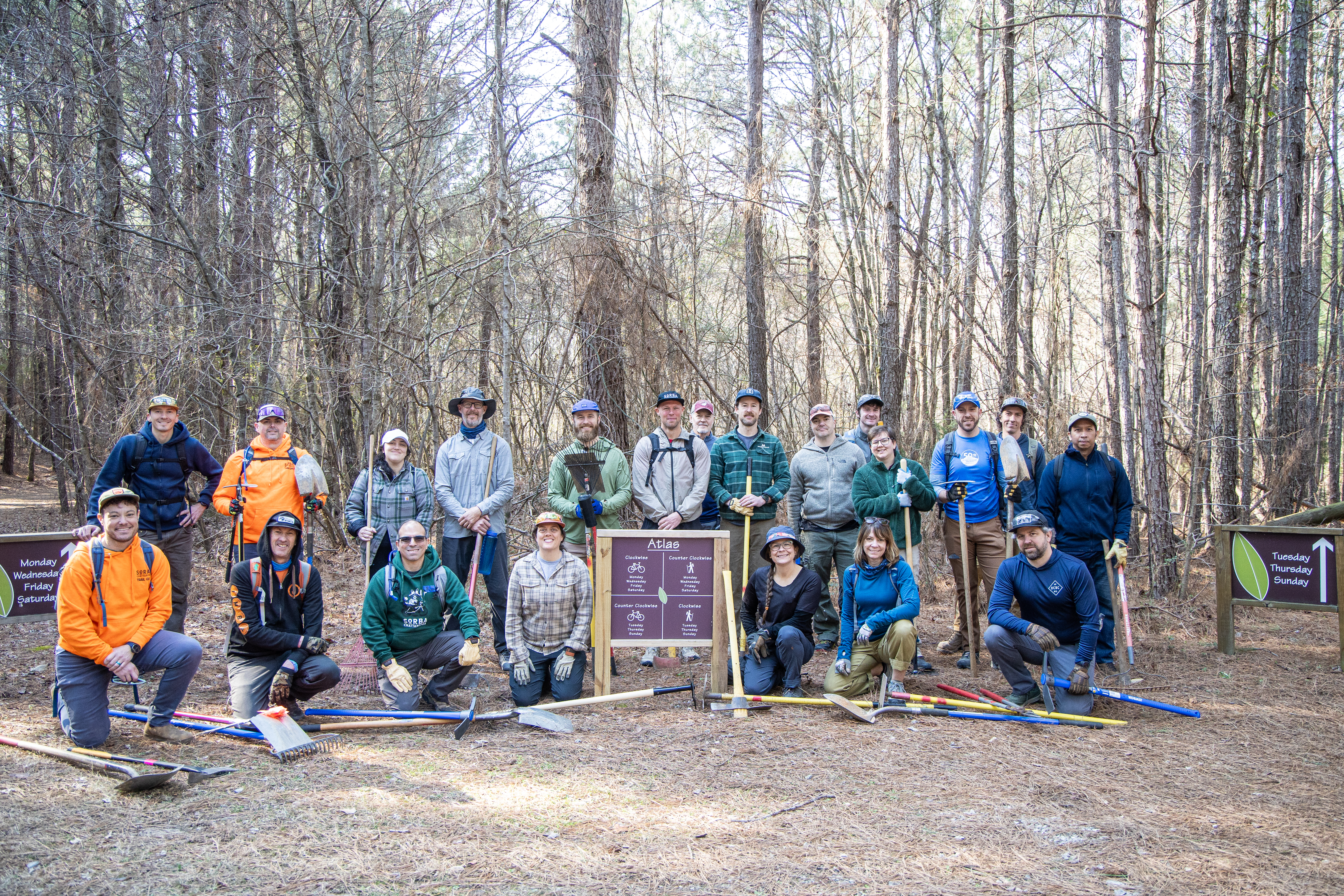
Individual Giving: Eighty percent of all charitable giving in the U.S. comes from individuals. Campaigns geared toward individual giving include special and major gift campaigns, workplace and federated giving (e.g., United Way), and special events. Many local mountain bike organizations have become quite skilled at hosting events. Consider adding a fundraising component to your trailwork events, group rides, and festivals.
Tip: The phrase "people give to people" suggests a fundamental fundraising principle. Events are great fundraisers because they combine event participant's motivation to have fun while asking their friends and family to support a worthy project.