IMBA - International Mountain Bicycling Association
What would we do without trails?

Tips for Managing Risk in Ski Area Mountain Bike Operations

By Michael Greear and Christopher Yvars

Originally published in the National Ski Area Association Journal, April/May 2006

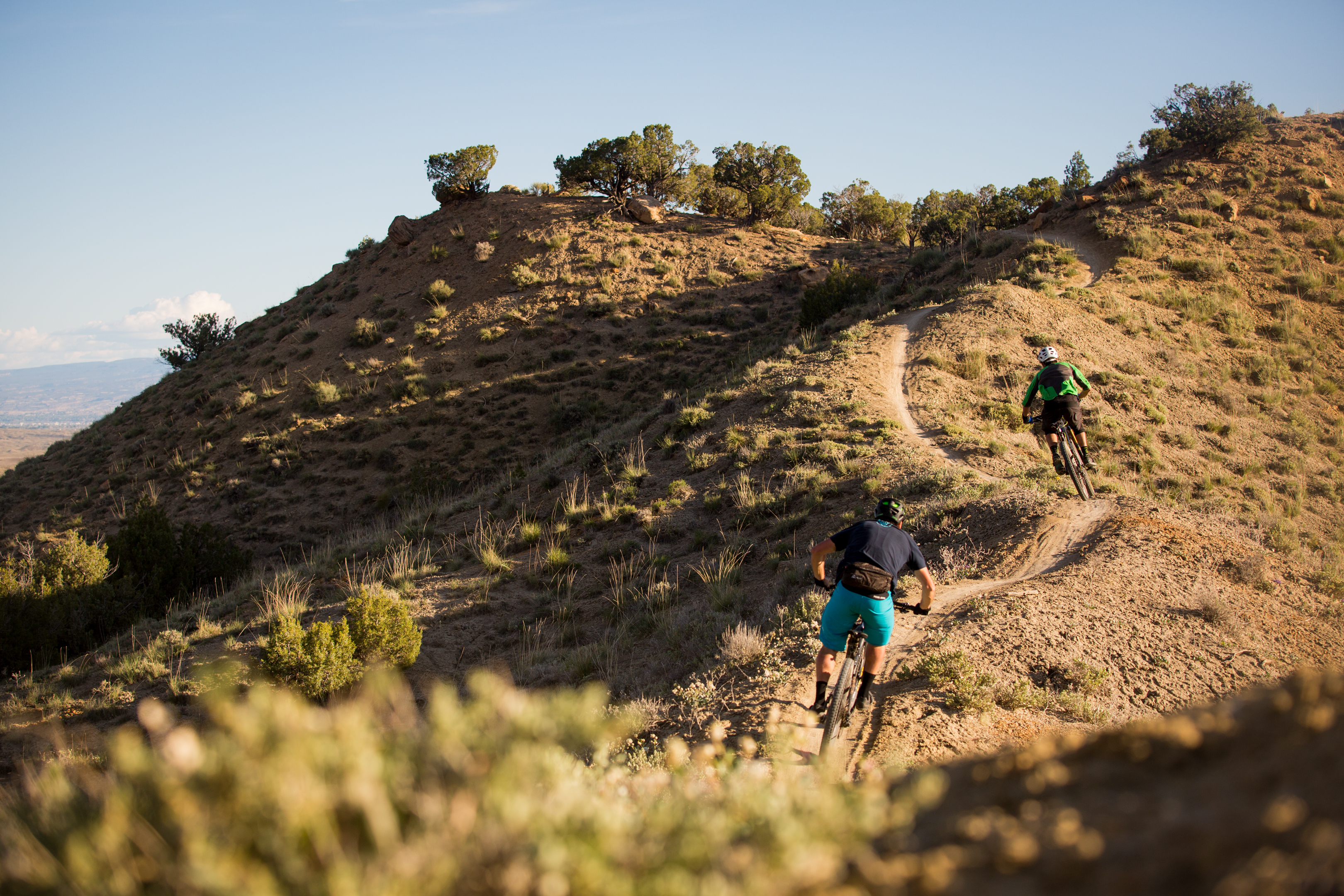
IT WAS A BEAUTIFUL SUMMER DAY IN THE MOUNTAINS. Ron Smith and his girlfriend were on vacation and decided that a great way to take in the local scenery would be to go for a mountain bike ride. While checking into their Happy Valley Resort condo, they had picked up some brochures showing families riding through fields of wild flowers, as well as a map of lift-serviced bike trails and Though neither of them had ever mountain biked before, nor heard of mountain biking off of chairlifts, they thought, "How hard can it be? Happy Valley Resort wouldn't offer such a thing if it wasn't safe, right? Let's give it a shot, it'll be a hoot!"

So they signed some waivers, paid their money, got their lift tickets (which were leftover tickets from the winter season containing language about the risks of skiing on the back) and loaded the lift with their rental bikes in tow. Once at the top, they saw a couple of trail signs with green, blue and black designations. The only other signs they saw were about skiing and warnings of winter hazards. Off they rode, following the signs to Rolling Meadows trail.

After about a mile or so, Ron decides to kick it up a notch and showoff for his girlfriend by taking a more direct route downhill. After all, he thought, this is called mountain biking, and his hightech full-suspension bike was equipped with shocks and big knobby tires. Plus, there weren't any signs that said he had to stay on the trails, so why not experiment. Unbeknownst to Ron, partway across the grassy shortcut was an unmarked water-bar. Ron's front tire dove down into the water-bar, and he suddenly flipped over the handlebars, landing on his head and breaking his neck. Ron's girlfriend screamed for help, hoping and waiting for someone to come. However, unlike in winter operations, the resort did not staff a summer patrol. Luckily, some passersby heard her cries and called 911 for help. The emergency response was slowed somewhat by the fact that the ambulance personnel first needed to contact a Happy Valley Resort employee in order to get the combination to a locked mountain-access gate so they could drive uphill to the scene. Because there was no summer equivalent to ski patrol, Happy Valley Resort did not (could not) conduct an investigation; no statements, no pictures, no diagrams, nothing.

As a result of the crash, Ron was rendered a paraplegic never to walk again. He has since amassed over $750,000 in medical costs, and his projected lost income and life care plan estimates exceed $5 million, which does not include his pain and suffering, loss of enjoyment of life or the lifechanges he has yet to endure.

Faced with all of the above, Ron filed a lawsuit against Happy Valley Resort, alleging negligence in failing to mark, what his attorney referred to as a "hidden man-made obstacle." He also claimed a failure on the resort's part to maintain, and failure to provide adequate signage or warnings to its mountain biking guests.

While the above scenario is unfortunate, these situations can, and do happen, and often result in lawsuits. Ron's case is based upon a real world incident. Yet unlike skiing and riding and ski safety acts, there are few applicable statutory protections for mountain biking activity providers. And as more resorts offer mountain biking (at press time 158 NSAA member resorts reported having mountain bike trails at their areas, while 85 offer lift-serviced trails), resorts need to be more aware of exposure and manage risks accordingly.

In such lawsuits, plaintiffs' attorneys often assert negligence and premises liability theories against the activity providers, in this case the resort. Where releases are involved, resourceful plaintiffs' attorneys will also seek to include gross negligence claims, and even claims of willful and wanton conduct, seeking punitive damages typically not covered by insurance policies.

In a number of states, such claims cannot be prospectively waived by a written release. In this case, the resort was successful in obtaining a summary dismissal based on a well-crafted rental release. However, the result took considerable time, effort and money. Performing proper due diligence prior to building that first trail, firing up the summer chairlift ride or renting that first bike, is a crucial step that should be taken in order to give your resort the best chance to manage the potential exposures that will undoubtedly accompany this growing mountain activity.

Educate Your Users

It's important to educate guests about the rules and responsibilities of mountain biking when offering this activity. Not all mountain biking incidents can be prevented, so a key step is developing and implementing a proactive risk management plan.

Understand the Level of Commitment

Remember, a successful mountain biking program requires more effort than simply building and opening a trail. It will require time, money, resources and staffing. If the level of commitment from management is low, or the budget won't support it, you may face difficulties in acquiring the continued financial and other support needed to properly maintain a trail system or a freeride park. Well maintained trails and parks, much like well maintained slopes and parks in the winter, can aid in accident prevention and, thereby, help reduce a resort's exposure.

Network with Established Programs

This is simply the "share with thy neighbor" philosophy. Talk to other resorts. Talk to their risk managers. Pick up the phone and find out what works for them. Find out if there are mistakes or growing pains that can be learned from and subsequently avoided. If a couple phone calls can help prevent an injury to a guest and help protect against a lawsuit, it's clearly worth the effort.

Local Bike Shops

Local bike shops are a wealth of information about your riding community and the riding interests of people visiting the area. Local shop personnel may already know, better than anyone, what types of bikers (beginners, vacationers, families, racers, downhillers, cross country or freeriders) your area might attract. Visiting local bike shops can also help to identify the types of equipment that are offered and available to your resort guests. Does the shop provide low-end equipment versus high-end full suspension bikes? Does the shop carry a wide variety of products and protective gear (helmets to full body armor) for rental and/or purchase? Again, knowing your participants will help you shape the right program for your resort.

Bicycling Clubs

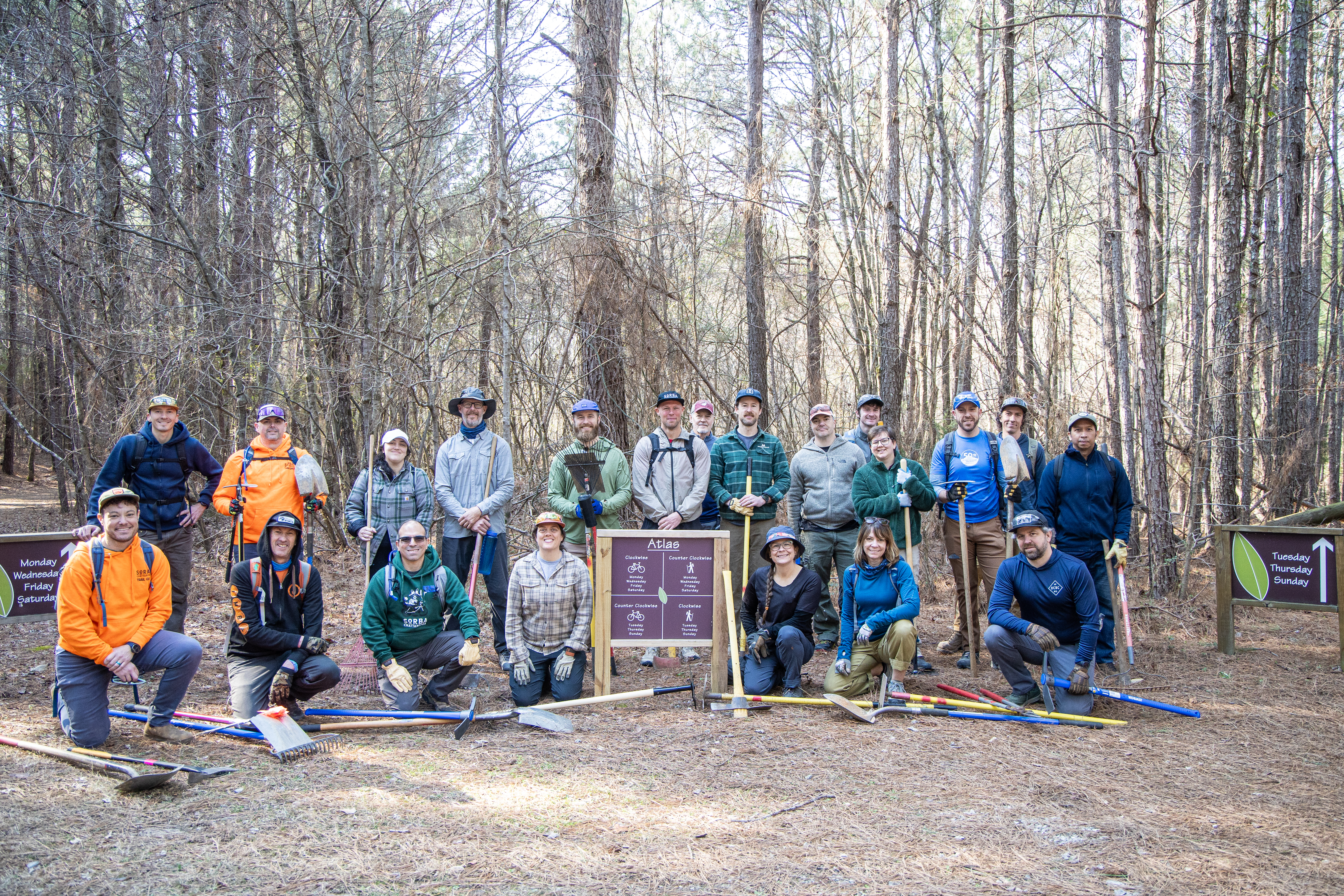
Local riding clubs are another valuable source of information. Search out these organizations and ask what type of riding they prefer, as well as what type of riding they would like to have available to them. Tapping into the local mountain biking network is a valuable tool as these people can also serve as summer employees, volunteer workers and/or trail building and maintenance crews.

Let the Design Process Begin

Once you have a feel for who will likely be riding your trails, it's time to design your trail system and/or freeride park. Having a designer that is knowledgeable and "plugged in" to the mountain bike community is an important and recommended part of the design and layout process. This is much like having wintertime freestyle park designers. These designers understand the user groups and can build, test and, if necessary, adjust accordingly.

Trail Layout and Design


Understanding the type and ability of the target participants will help guide you in the layout and design of your trails. While some guests may enjoy steep fall-line trails, other participants such as novices or families may not. In addition to the relative difficulty and location of your trails, understanding and avoiding potential conflicts with other users such as hikers or horseback riders is also an important consideration. When determining trail location, it's important to know and understand what measures are needed in order for your trails to stand the test of time. In other words, are your trails sustainable? Many trails have been built only to see them deteriorate in a relatively short period of time due to a number of variables that were not taken into consideration during construction. Some of these variables include water erosion, lack of maintenance and overuse. Knowing how to best utilize the natural terrain helps in reducing the time and labor commitment needed in order to maintain trails in a reasonably safe manner. If your trails deteriorate, your exposure grows. You, your designers, builders and maintenance crew may also want to consider possible spill zones, alternate routes or "Sally Alleys," padding and/or netting, marked and defined closures, other users or traffic and forest service requirements. You are also encouraged to get out and ride your trails. Personal experience is an invaluable resource when it comes to trail building and maintenance, safety considerations and proactive risk management.

Develop a Risk Management Plan

As with any resort activity, having a risk management plan in place prior to opening your doors, or in this case, your trails, will be helpful. Your plan may address operational procedures; trail and/or feature inspection procedures; maintenance schedules and record keeping; bike rental/bike maintenance operations; trail maps, trail signage; tickets/waivers; hours of operation; medical protocol; and accident investigation, among other things. Additionally, communicating with your insurance broker and/or carrier to ensure that you have the appropriate coverage and that your limits are adequate is an important step.

Let the Riding Begin

Now that you have a feel for who is riding your terrain, you've built your trails and features, and have a plan to manage the risk, are you ready to pedal? Maybe, maybe not! Are you prepared to have guests riding your chairlifts and using your lifts to transport bikes? Do you have the appropriate language on your summer lift tickets? Are you renting bikes and servicing them from your own shops? Are you offering mountain bike riding lessons or guide services? Are you building and operating a separate freeride park? Fortunately, as a ski and snowboard resort operator, you may have already encountered similar questions as it relates to skiers and riders, and you may already have the answers. Always look for transferable resources and knowledge you already possess. You can use your winter experience to your advantage. Simply apply it to dirt rather than snow.

Regardless of the degree and depth to which you build your mountain bike program, understand that some basic tenets should remain constant. These are: 1. Identify the risks and put into place reasonable controls to help mitigate the exposures; 2. Continually ask, "What if...?", to help keep you ahead of this ever changing activity; 3. Provide open channels of communication with all stakeholders as to the scope and purpose of your mountain bike program; 4. Re-evaluate your risk and loss control program on a regular basis, and; 5. Go with what works for you and your resort and tailor your program accordingly. What works at other resorts may not work for you.

The process of developing a mountain bike program within a mountain resort is similar to what resorts already go through in developing winter time programs. The participants are the essentially same and the challenges are the same. And, while it may be a horse of a different color, it's still a horse. In short, you cannot develop a program that will eliminate all risks or prevent all accidents or lawsuits. However, a little planning and effort can go along way, and it may well keep you from a "Ron Smith v. Happy Valley Resort" scenario.

Sidebar: New IMBA Trail Management Book in Development

The International Mountain Bicycling Association (IMBA) is developing a new book focused on strategies and techniques for managing mountain biking trails and facilities. The book will serve as a companion to their 2004 book, "Trail Solutions: IMBA's Guide to Building Sweet Singletrack." The new book will provide information on topics such as risk management, trail planning, environmental impacts, user conflict, bike patrols, volunteers, signage and freeride parks. IMBA is aiming to publish the book in the fall of 2006. Learn about IMBA and their resources at www.imba.com.

About the Authors

Michael Greear, CRM, is a senior loss control consultant with insurance brokerage and risk management consultation firm Lockton Companies of Colorado, Inc. He has worked within the ski resort industry for 20 years prior to joining Lockton in December 2004. Contact him at .

A member of the Association of Ski Defense Attorneys (ASDA), Chris Yvars joined The Rietz Law Firm, Dillon, Colo., in 2003, where he is actively engaged in virtually all aspects of ski, mountain biking, recreation, products and sports related litigation, as well as other matters. Contact him at

Email this page Printable Version


Help | Site Map | Copyright
IMBA Homepage Join IMBA Now!