Building Trails in Urban Areas
Presented at the 2006 IMBA Summit/World Mountain Bike Conference
Speakers: Patrick Jansen, Probos (Dutch cycling group); Keri McMahon, Calgary Parks; Justin Vander Pol and Jon Kennedy, Backcountry Bicycle Trails Club
Facilitator: Jill Van Winkle, IMBA
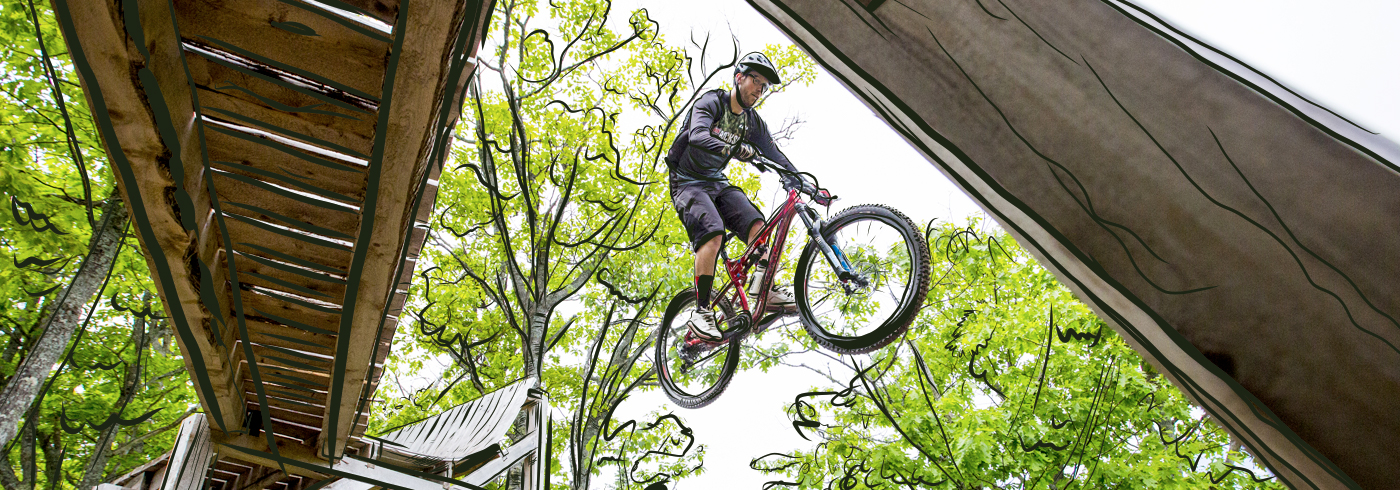
Minimal open space, disturbed ecosystems, and densely populated areas create a challenging situation in which to build trails. From managing trails in the Netherlands, to creating trail plans in Toronto and Calgary, to building a mountain bike park on two acres next to a freeway, the experts who spoke at this workshop had a wealth of experience to share.
Tips from Patrick Jansen:
- Meet with land managers and dispel myths about mountain biking. In the Netherlands, one manager told Jansen that he couldn't allow mountain bikers into his park because their brightly colored jerseys would disturb wildlife! Face-to-face meetings are invaluable to building partnerships.
- Establish a realistic trail work schedule that will ensure trail upkeep without additional expense to the park. Put the schedule in writing, and be prepared to back your promises.
- Emphasize the nature-friendly perspective that your club or work group will use to guide their mountain bike programs.
Tips from Keri McMahon:
- By 2007, it's expected that more than half the earth's population will live in an urban setting. McMahon emphasizes that city parks are a vital need for urban living, and suggests emphasizing that point when meeting with city planners.
- Get broad stakeholder buy-in for the trail enhancements you're proposing. In Toronto, mountain bikers teamed with trail runners, hikers and bird-watchers and devised a proposal that they all could live with. This helped the land managers get budget approval for trail expansions.
- Identify the leaders of the various user groups that have an interest in your urban park. For instance, in Toronto the downhill/freeride contingent became more willing to cooperate with the park managers after a few prominent freeriders were called in to consult on the revised trail management plans.
Tips from Justin Vander Pol and Jon Kennedy:
- Urban bike parks require an enormous amount of planning. Clubs should seriously consider hiring a paid staff member who can attend daytime meetings and build relationships with city planners.
- Put all agreements with city and park planners in writing. These documents can be invaluable if contentious issues emerge down the road.
- Small-scale demonstration projects are a great way to show planners what your club is capable of producing. They also help train your staff, and can help bring in funding for your project.
Additional IMBA Resources:
Urban Mountain Biking ResourcesSuccess Story From Seattle, WA
Success Story From British Columbia
Other Success Stories