IMBA - International Mountain Bicycling Association
What would we do without trails?

MORE Designated 2004 Advocacy Group on the Move

When IMBA designated the Mid-Atlantic Off Road Enthusiasts (MORE) the "advocacy group on the move" in the 2004 IMBA Report Card it was based on sheer energy as much as anything.

Take Scott Scudamore, the '04 MORE president, for example. There are a lot of words to describe Scott, and meek isn't one of them. Scott, a late-30 to early-40-something, exudes the energy of a 14-year-old hopped up on Red Bull. His boisterous, friendly demeanor will wake you up from a slumber, and make you want to do something, darn it.

Scott is one of many MORE volunteers who have an infectious passion for mountain biking. Perhaps this, more than anything else is the reason MORE was able to boost its membership from 275 to approximately 400 -a staggering 45 percent -in just one year. The members of MORE love to ride, and that sort of stoke it a catchy thing.

It's not like MORE is a new kid in the block. In fact, they're relatively old-school, having started up in 1992. Sometimes, when clubs have been around for a long time, they get in a rut and fizzle. MORE hasn't fallen into this prediciment.

Part of their success can be attributed to keeping it fun. While many clubs get bogged down in a political quagmire and burn out volunteers quicker than a sage fire in the desert, MORE always brings things back to "the ride."

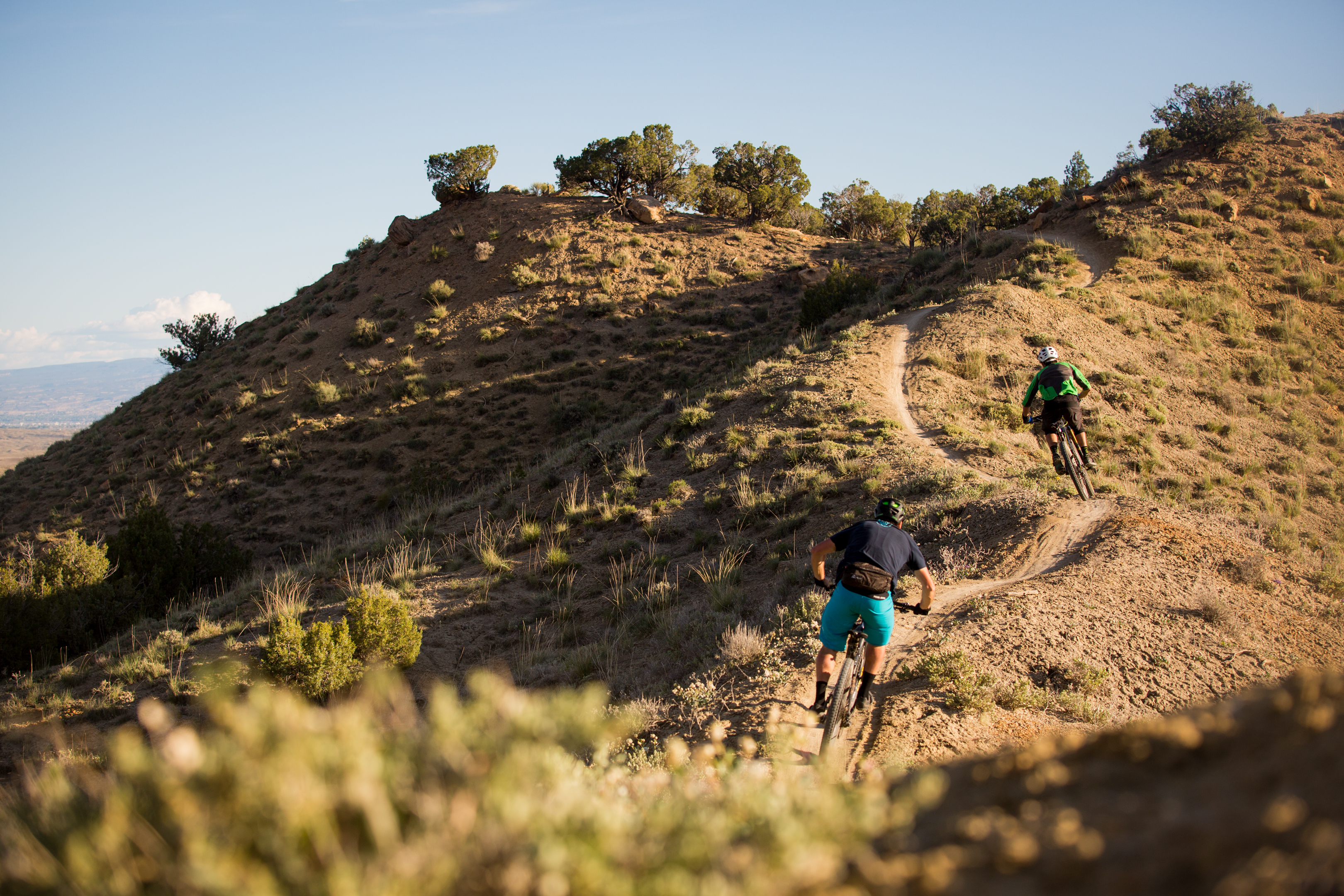
MORE hosts 25 to 30 rides a month. They guide numerous rides a week in parks throughout the D.C., Maryland and Virginia (MORE's geographic domain) region. They host night rides, costume rides, special holiday rides and any other type of ride that involves two wheels and dirt.

"One of the best things is we get new people at almost every ride," said Scudamore. "One of our members, who happens to be an exceptionally talented rider, takes the time to nurture new participants to the sport. He hosts a few rides each week designed specifically for beginners."

While Scudamore's energy has clearly played a large role in the reenergizing of MORE, he's quick to point out that a broad-based volunteer network is essential.

"Many clubs have just a handful of people who are active among the membership," said Scudamore. "MORE has 40 to 50 people who are active. It's essential to delegate duties and let people do stuff."

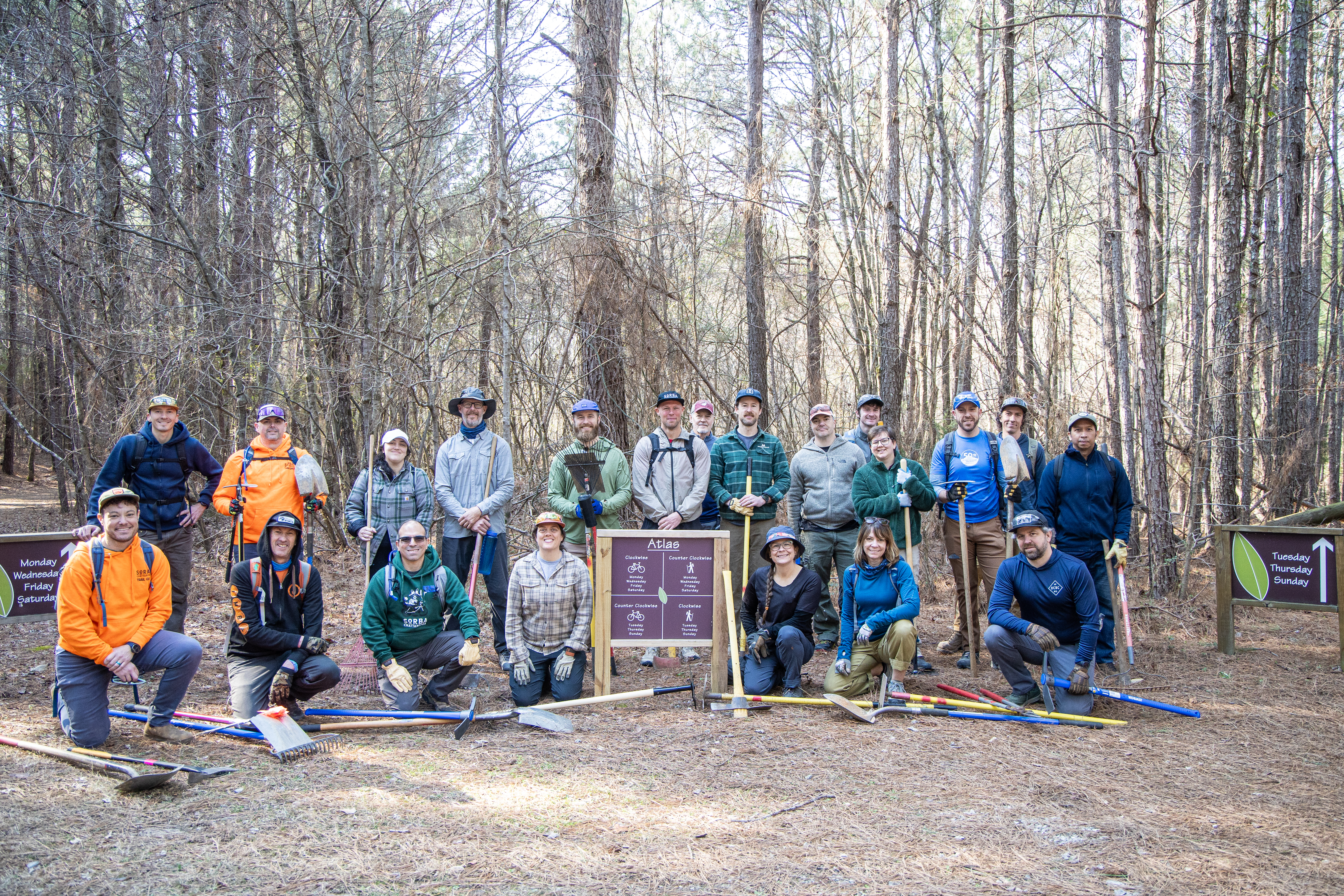
Of course MORE is not just about going for rides. The club has a stellar advocacy and trailbuilding heritage. The club recently completed construction of the Hoyles Mill connector, a six-mile, full-bench singletrack joining Schaeffer Farms and Black Hill Regional Park. This connector provides riders with a seamless 35 mile system of trails - significant for any urban area.

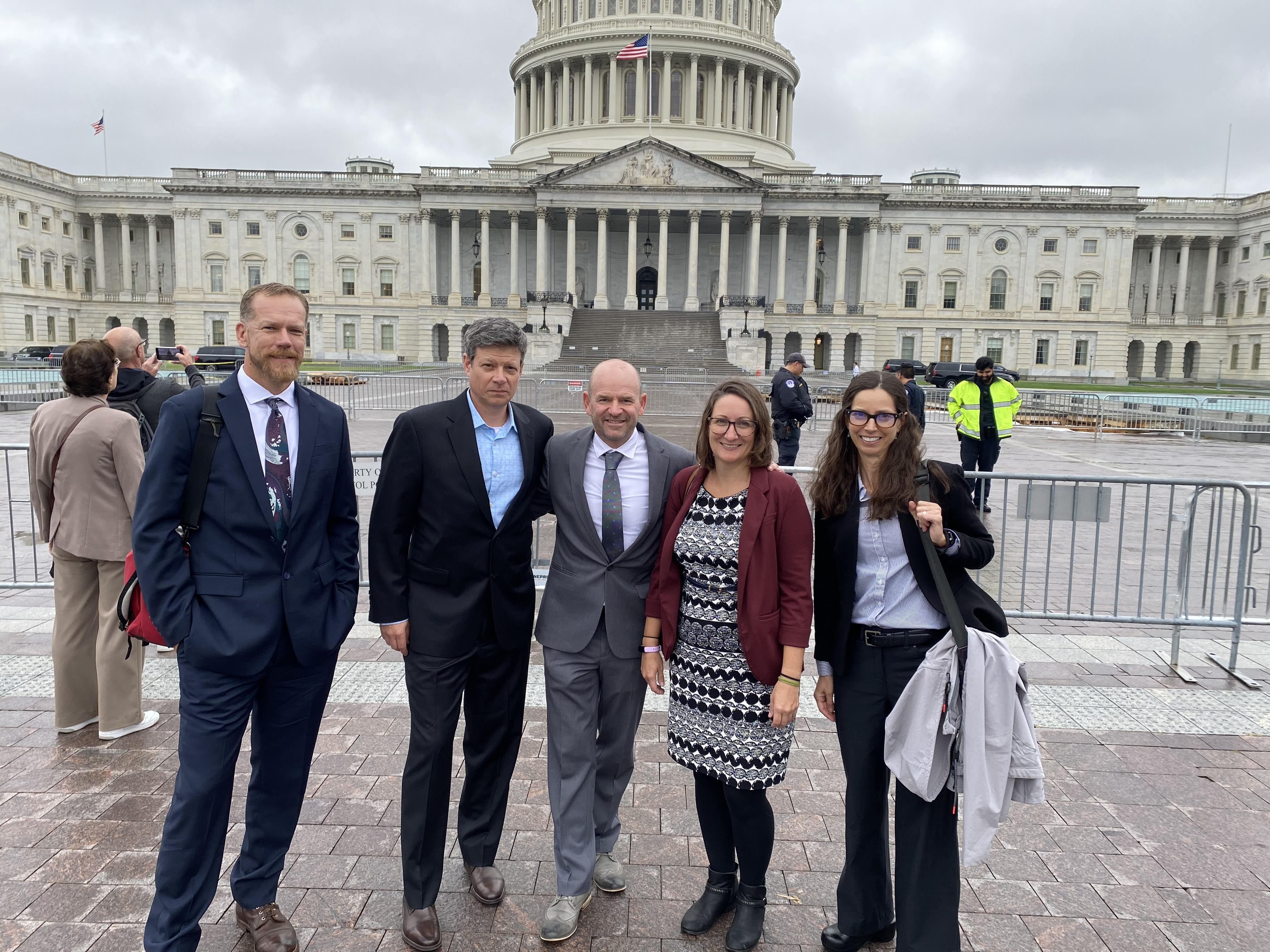
On the political side of things, the club recently took the director of Fairfax County Parks (VA) - a district where mountain bike access has historically been contentious - on a two-hour ride, introducing him to the sport and expressing their hopes and concerns. Since they are located near the U.S. Capitol, the club actively lobbies congress and helps organize IMBA events in D.C.


MORE is one of a handful of clubs in the country to utilize a trail liaison system. MORE has 24 liaisons who are responsible for interface with leaders from specific parks in the region. The liaisons build relationships with park officials, which in turn leads to improved mountain biking opportunities. "The liaison program is the most important thing we do to open trails," said Scudamore.

MORE is now turning attention towards bringing even more riders into the fold - specifically freeriders. Traditionally viewed as a cross-country based organization, MORE has a growing core of freeriders who have joined, and are working to provide mid-Atlantic freeriders with authorized places to ride.

If you live in Maryland, Virginia or D.C. and ride a mountain bike, you need to get involved with MORE. Check them out at www.more-mtb.org

Key Lessons:

  1. Keep the club fun, and incorporate lots of riding.
  2. Delegate duties across the club. Don't try to do it all yourself.
  3. Establish trail liaisons to work with parks in your area

Email this page Printable Version


Help | Site Map | Copyright
IMBA Homepage Join IMBA Now!