IMBA - International Mountain Bicycling Association
What would we do without trails?

All About Volunteers

Land Manager's Mountain Bike Management Toolkit

An excerpt from "Trail Solutions: IMBA's Guide to Building Sweet Singletrack"

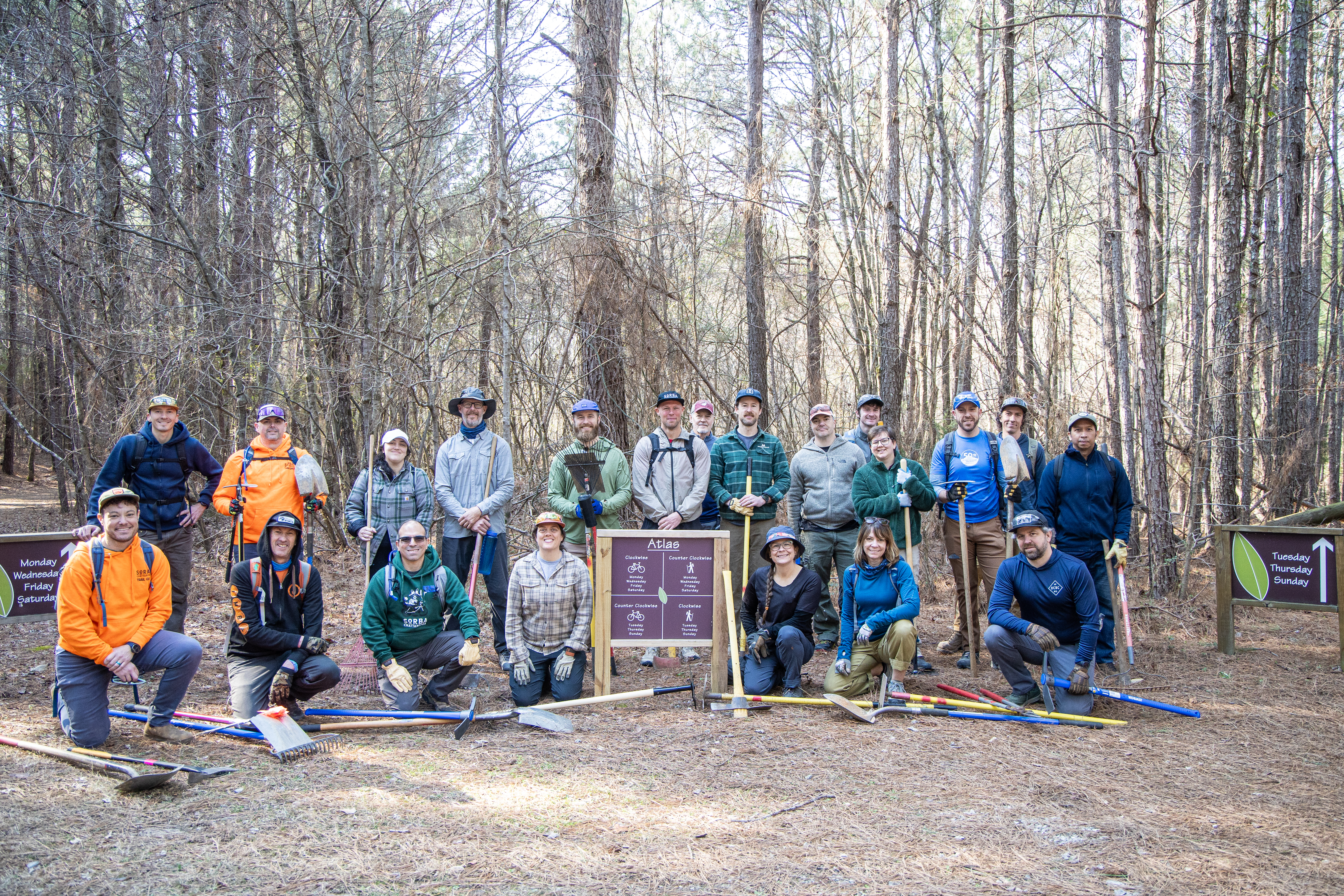

Building and maintaining trails takes time and effort. Who's going to do the work? Land management agencies are generally underfunded, understaffed, and overworked. They barely have time to manage existing trails, much less to build new ones. As a result, quite a bit of today's trailwork is done by volunteers.

There's a definite benefit to having volunteers build trails. Trailworkers are better trail users. After all, once you've invested 10 hours of sweat into rebuilding a switchback, you'll never skid through that corner again. But attracting volunteers and convincing them to come back next Saturday is the hard work. The information in this section will help both land managers and trail advocates recruit and maintain a core group of volunteer trailworkers.

Attracting and Keeping Volunteers:
Four Steps for Success

Step 1: Get the Word Out. You need help. You know this, but your potential volunteers don't. Your first challenge is to reach out to your prospective work crew.

Use the Media.
Invite local reporters to a planning meeting or a trail maintenance day. Local newspapers, television, and radio stations are all interested in stories about people pulling together to improve their communities. Here's your chance to build support for your project and solicit help from area volunteers. Send a press release to all three types of media. Press releases should explain why you're building a trail, where it will be, how it will benefit the community, and how people can get involved. Include contact information and a calendar of work days.

Contact Local Cycling Clubs.
Ask the leader of your local club to explain your cause to members at the next meeting. Also try to disseminate your message through the club's email system, website, or printed newsletter.

Start a Website.
The Internet is a great place to reach volunteers, present the project, and show the progress you're making. Dedicate a website to the project and link it to your local cycling club's site.

Find Trail Users Where They Congregate.
Create a flyer soliciting volunteers and post it at places where outdoorsy types gather. Bike shops, coffee shops, outdoor-recreation shops, stables, trailhead signboards, and races are all excellent starting points. Be sure to include contact information and a calendar of upcoming work days.

Find Creative Sources of Volunteers.
Don't restrict your efforts to cyclists. Be inclusive. There are plenty of people looking to help their communities. Here are some potential sources:

  • College Students: Many fraternities and sororities have community service days - get on their list.
  • High School Students: Some high schools have mandatory community service. Another great resource? The horde of kids trying to pad their resumes to get into college.
  • Girl and Boy Scouts: Think Eagle Scout project.
  • National Service Organizations: Americorps and the Student Conservation Association are great examples.
  • People in Orange Jumpsuits: Many city, county, and state corrections departments provide well-organized, hard-working, and enthusiastic work crews. Great trails have been built by these groups.
Step 2: Be Prepared.

If you're not well organized, you won't get much done on your first workday. Worse yet, you'll run the risk of losing volunteers. People will only volunteer their time if they feel their effort is making an impact. If you're running a ramshackle show, word will spread, and you'll attract fewer volunteers. Check these items off your list before your first trail day.

Develop Goals and Strategies.
Make a list of your project goals and break them into objectives and tasks. List all the actions needed, including meeting with the land manager, organizing tools, and finding local business support (local businesses can help by donating schwag or food). Estimate how much time it will take and how many volunteers you need to complete each task. (See page 187 for estimates on trail costs and volunteer hours.)

Get Help.
Delegate. You can't do it all yourself effectively and you risk burnout if you try. Develop a good back-up plan and a group of crew leaders who could take over if necessary. You'll also find that some people will jump at the chance to provide leadership, and they will play a more active role in the project if they are given a bit of authority.

Be Prepared for Any Kind of Turnout.
A crowd of volunteers may show up. Then again, you may only get enough do-gooders to pack a phone booth. Be prepared with several different work plans so that your workday is productive either way.

Train Crew Leaders in Advance.
The last thing you want is 40 workers, side-by-side, swinging sharp, heavy tools within inches of each others' heads. You want to build trail - not the patient list at your local hospital. Thus, your work day will be much safer and more effective if you split the volunteers into small groups. Each group should be led by a trained crew leader. If you don't have any experienced crew leaders, ask the land agency, if applicable, to train a few of your club members, or contact IMBA for info on crew-leader training.

Step 3: Manage Your Volunteers.

Brief Your Crew.
Begin by introducing any park staff present, the crew leaders, and the individuals (name tags are helpful). Remind people to sign up, complete waiver forms (if required), and then run through a safety briefing and the day's format. Count heads and assign crew leaders, leaving one person to greet the late arrivals.

Promote Safe and Proper Tool Use.
When you brief your crew, take a few minutes to also explain the proper way to handle tools (see Part 5) and the basics behind a few critical construction techniques.

Provide Leadership.
Your trailbuilding crew needs inspiration, encouragement, and direction in order to complete the project efficiently. As their leader, you must to ensure that your volunteers are excited about the work, aware of their progress, and focused on the task at hand. They will look to you for guidance, so you should be prepared to provide it!

Care for Your Crew.
Your volunteers are sacrificing their weekend to help build this trail. Do you have water, snacks, and lunch for everyone? Remember, this is a volunteer trailbuilding day, not an episode of Survivor. If possible, avoid scheduling work days during the hottest months. Don't work your volunteers for more than five or six hours at a time and be sure to take breaks. You want to be sure you'll see these folks again. . .in volunteer mode!

Keep Track of What's Going On.
Working alongside volunteers is important, but keeping the work flowing safely, providing encouragement, and monitoring progress is essential. Give clear instructions and explain your goals so that volunteers and crew leaders are all on the same page.

Keep Records.
Record the time you put into the project preparation, the number of volunteers you've used, and the total number of hours the project takes to complete. This information will help in planning future events and shows commitment - a requirement for some grant applications. Use a camera to record "before and after" shots of the work.

Be Considerate of Other Trail Users.
Place notices or signs at the trailhead or work site to promote safety and to encourage others to join or attend the next work party. Don't let your volunteers harass or "guilt trip" other trail users into helping as they pass the worksite, however. Be positive and encourage visitors to help next time.

Avoid Leaving a Job Half-Finished.
If you and your workers are unable to finish a section of trail, be sure to leave it in a condition that won't pose a risk to trail users. Consider closing the trail, posting clear signs around areas of danger, or rerouting users on a detour around the construction site until you and your volunteers can come back and complete the job.

Step 4: Keep 'em Coming Back!

Provide a Sense of Accomplishment.
Volunteers will return if they feel they accomplished something. To ensure this happens, match crews to tasks that are within their capacity. Every once in a while, step back and encourage your volunteers take a look at what they've achieved.

Make It Enjoyable.
Trailwork is tough, but it should also be fun. Don't take it too seriously, use a little humor, and include a fun element afterward such as a BBQ, a group ride, or a get-together at the local pub or cafe.

Stay in Touch.
Have volunteers register. Get their names, addresses, phone numbers, and email addresses, so you can keep them involved. This is particularly important with first-timers. New volunteers are likely to return if they leave feeling welcomed and appreciated. Never shame people into coming back.

Show Your Appreciation.
Volunteers need to know their hard work is valued. List volunteers in newsletters or put photos of workers on your group's website. Many trail groups have rewards programs with schwag as an incentive for volunteering a certain number of hours. Consider holding a party at the end of the season to recognize volunteers.

Be Consistent/Repeat Step One.
Most trailbuilding efforts take time - think months, instead of days. Develop a regular schedule and publicize it. Work days can be held once a week, once a month, or once a year. Predictability is what will keep people coming back. Reaching out to past and potential volunteers is an ongoing task. Consider delegating this responsibility to a reliable volunteer who is a savvy communicator.

Email this page Printable Version


Help | Site Map | Copyright
IMBA Homepage Join IMBA Now!