IMBA - International Mountain Bicycling Association
What would we do without trails?

Bicycling and Wilderness: What You Can Do

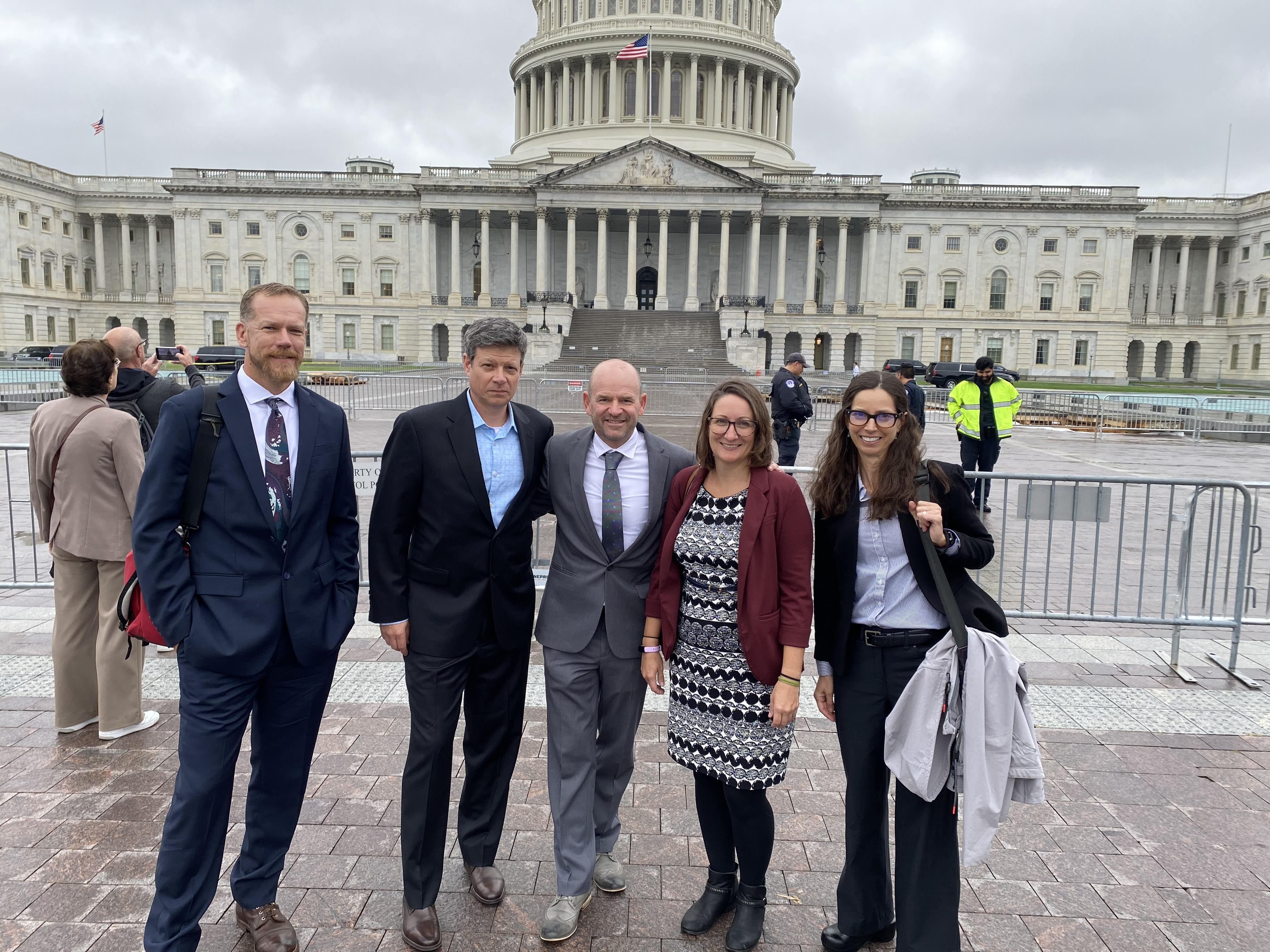
  • Write a letter to your U.S. Representative and Senators
  • Contact your local county officials
  • Talk with wilderness advocates
  • Talk with your bicycling friends
  • Involve your local club
  • Contact IMBA
  • Look for support from other organizations
  • Write a "Letter to the Editor"

Write a letter to your U.S. Representative and Senators

  • Emphasize that mountain bikers support protecting all of the lands under consideration, but Wilderness is not the only appropriate method. Congress can and has used diverse land protection tools, which can both promote land preservation and allow bicycling.
  • Ask the member of Congress to withhold formal endorsement of Wilderness bills until the Wilderness/bicycling conflicts are resolved.
  • If you have specific information about any areas in the bill or have visited any of the places, include that information in your letter. (Also tell IMBA.)
  • Note that Wilderness designations that close bicycling trails will reduce bicycling-related tourism in the district.
  • Suggest that the conservation movement should be more inclusive. Excluding the second largest trail user group is not a way to build a land protection constituency.

To learn the contact information for your two U.S. senators, go to http://www.senate.gov. To learn the contact information for your one U.S. representative, go to http://www.house.gov. If you don't know the name of your representative or the House district you live in, you can enter your zip code to get that information.

Writing to Congress, it's best to use fax. Email is okay. Telephone is fine. But letters, unfortunately, now take an inordinate amount of time for processing before delivery to the Congressional offices.

Contact your local county officials

County commissioners or Supervisors – the local elected officials whose districts encompass proposed Wilderness – have no authority over Wilderness, because they govern units of state government. But their influence over members of Congress is often very significant. Lobbying local counties is a crucial element of Wilderness advocacy.

Talk with wilderness advocates

Since bicyclists and Wilderness advocates share an interest in pristine lands, we have something to talk about. Maybe you can make a deal and avoid a lot of conflict. At the least, mutual understanding of differences is always worthwhile. Find a more moderate Wilderness leader and invite her or him to lunch. Go over maps together to learn where conflicts are and are not. Talk about potential solutions. Do this early in the process, if possible.

Talk with your bicycling friends

We won't get anywhere working alone. Politics in a democracy is all about groups and getting majority support. Start with your biking buddies, your local club(s), local shops; whoever you can meet with.

Involve your local club

Get your club to take action as a group. Write a story about the Wilderness issue for the club's newsletter or email list. Get the club to take an official position and launch a campaign.

Contact IMBA

IMBA has professional staff working on the Wilderness issue. IMBA keeps maps of all the areas in question. IMBA can help, if you provide information.

Look for support from other organizations

You can involve Chambers of Commerce, service clubs, recreation groups, and others. Think broadly. Approach them first with a phone call to a key leader, then a face to face meeting. Let that leader try to influence his or her own group from the inside.

Write a "Letter To The Editor"

Guidelines

  • Keep letters short. Newspapers rarely print more than 200 to 250 words.
  • Keep letters positive. No one likes reading negative letters. Instead, try to offer constructive ideas or be part of the solution.
  • Email your letters and follow with a paper copy. Newspapers appreciate a digital copy but may require a hard copy with your signature for identity verification.
  • To find your local newspapers visit: http://www.Newspaperlinks.com

Talking Points

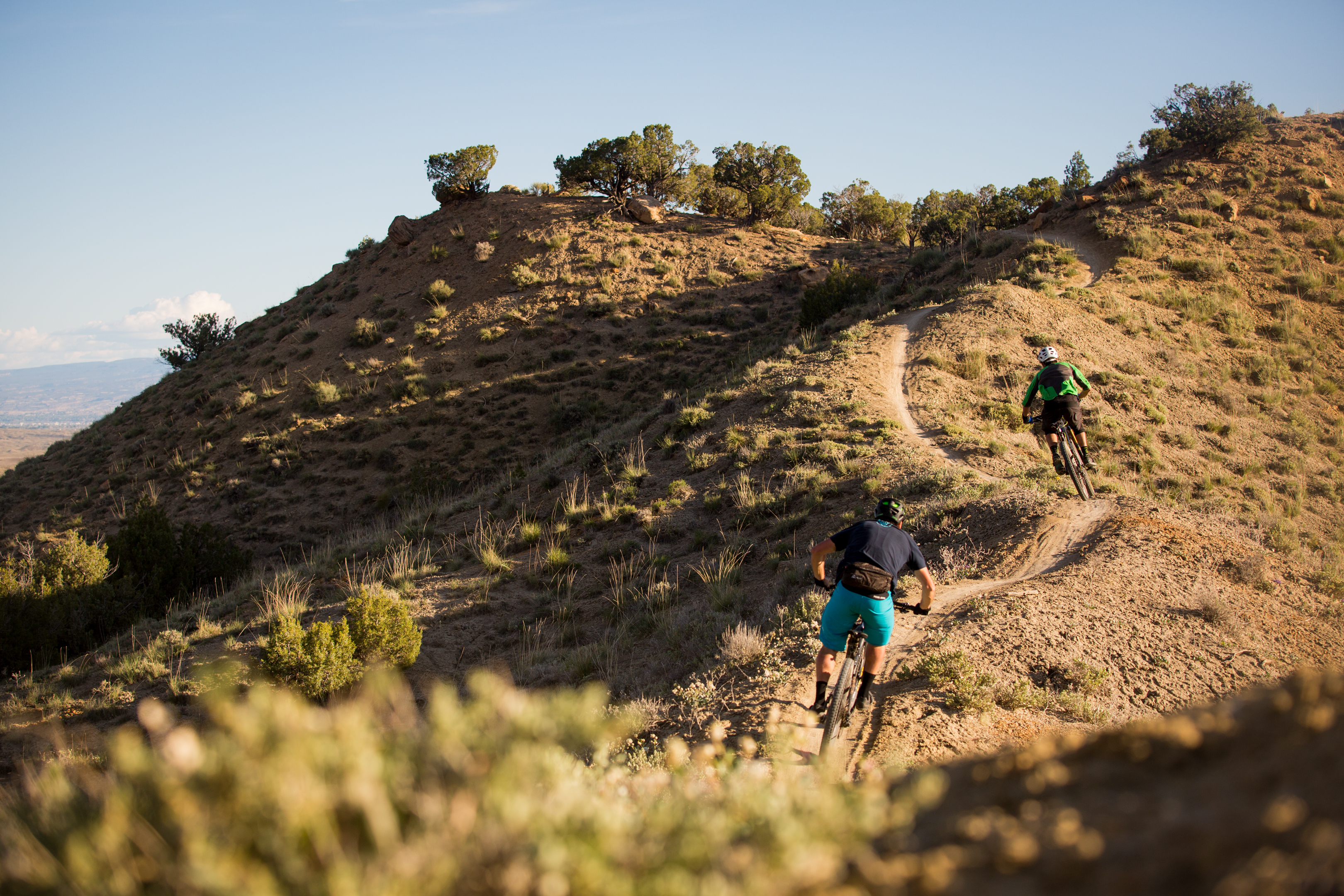
  • Off-road cycling is a low-impact, human-powered, legitimate recreation group with more than 40 million annual U.S. participants (Outdoor Industry Association).
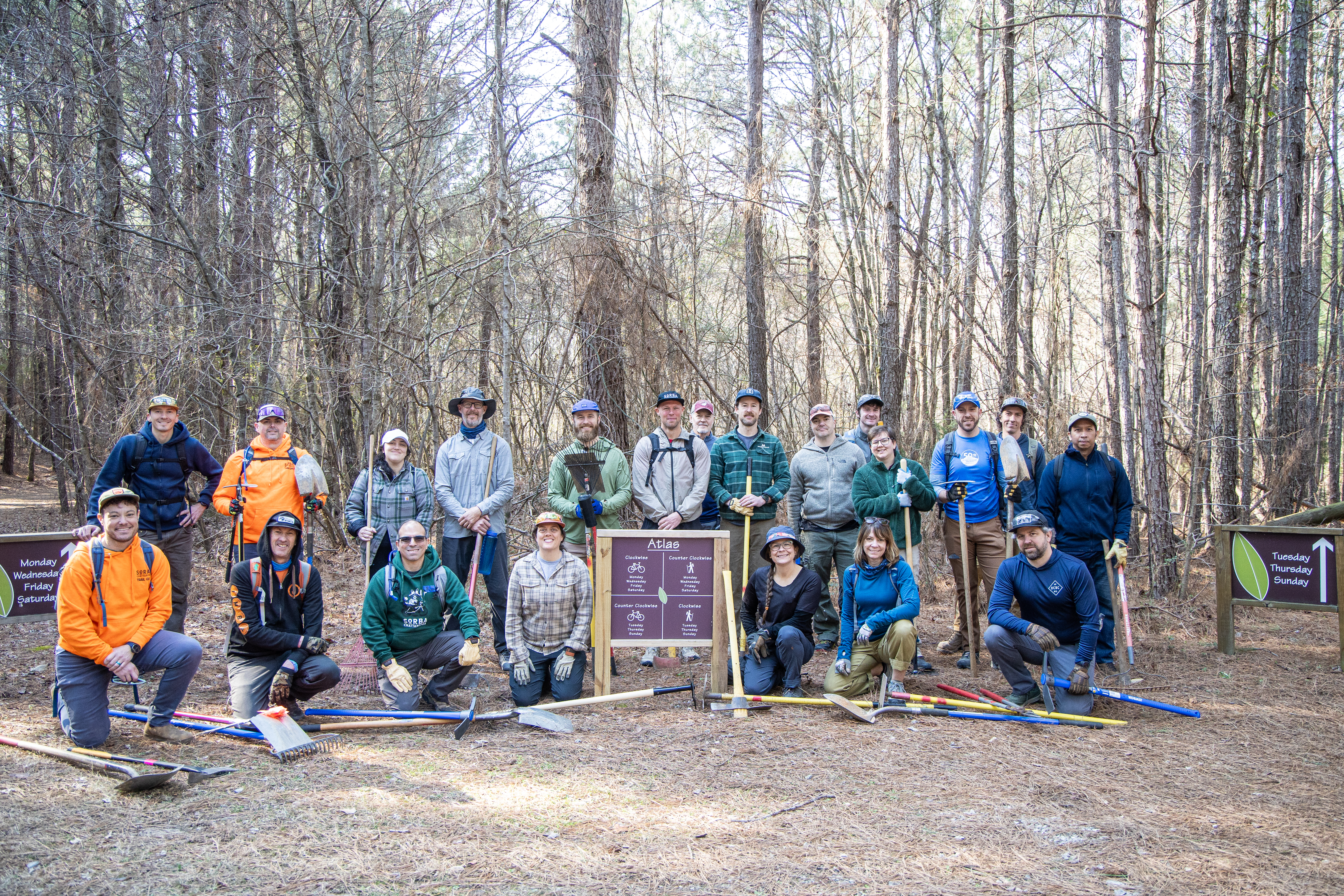
  • Cyclists give back to their local trail systems by volunteering on public land, protecting the environment and preserving open space.
  • The majority of cyclists are responsible, considerate riders.
  • Science shows that the environmental impact of bicyclists is similar to that of - hikers.
  • The bicycle industry contributes more than $6 billion annually to the U.S. economy (Bicycle Retailer).
  • Off-road cycling is a great form of exercise and helps combat the societal trend toward obesity.
  • Bicycling helps reduce air pollution by getting people out of their cars and onto bikes.
  • Mountain bike tourism contributes to the economic vitality of a community by boosting retail, restaurant, hotel, gas and grocery sales.
  • A united trails community - one that includes mountain bicyclists and other trail groups - can be a powerful, effective voice for increased federal, state and local recreational trails funding.

    Wilderness Specific Points

    • State your concern that some of your state's best trails will be closed to bikes if all the areas proposed become designated Wilderness. If you have specific knowledge of areas in a proposal that overlap great riding, provide that information.
    • Mountain bikers support conservation and Wilderness and want all roadless lands protected from development. In areas that include significant bicycling opportunities, please protect land using other designations.
    • Mountain biking is a low-impact, human-powered activity that is appropriate in some protected places. It is not fundamentally different from hiking or horseback riding -- two uses allowed in Wilderness.
    • The conservation movement needs to be more inclusive and accommodating mountain biking in protected areas is an important aspect of this.

    Deflecting Anti Mountain Bike Arguments

    • It is important to judge all trail users by the collective group, not a few inconsiderate people.
    • Mountain bikes have a similar impact on the trail as hikers. Trail damage typically stems from poorly constructed heavily used trails.
    • Trails can be built for all user groups to enjoy.
    • Trails can be built to control speed and support shared use.
Email this page Printable Version

Help | Site Map | Copyright
IMBA Homepage Join IMBA Now!