IMBA Rocky Mountain National Park Wilderness Act Testimony
July 9, 2007
Senator Daniel Akaka, Chair
Senator Craig Thomas, Ranking Member
Senate Energy and Natural Resources
Subcommittee on National Parks
364 Dirksen Senate Office Building
Washington, DC 20510
Dear Chairman Akaka and Ranking Member Thomas:
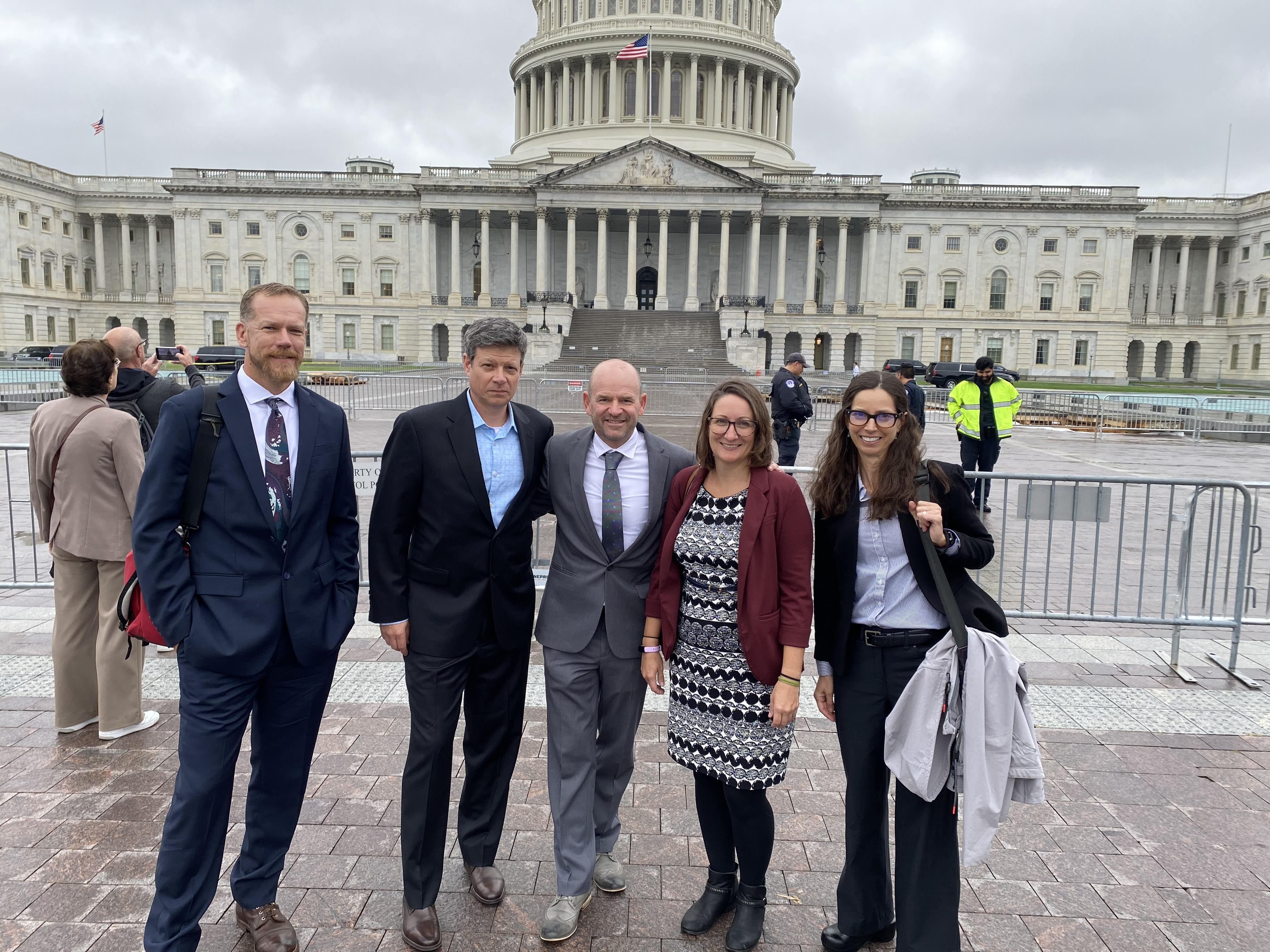
On behalf of the International Mountain Bicycling Association (IMBA) and our member Colorado bicycle clubs, I thank you for the opportunity to submit testimony in support of S. 1510, the Rocky Mountain National Park Wilderness Act.
IMBA was founded in 1988 and leads the national and worldwide mountain bicycling communities through a network of 80,000 individual supporters and 750 affiliated clubs. More than 39 million Americans participated in singletrack bicycling and 7.6 million were "enthusiasts" of the sport in 2004, according to the Outdoor Industry Association.
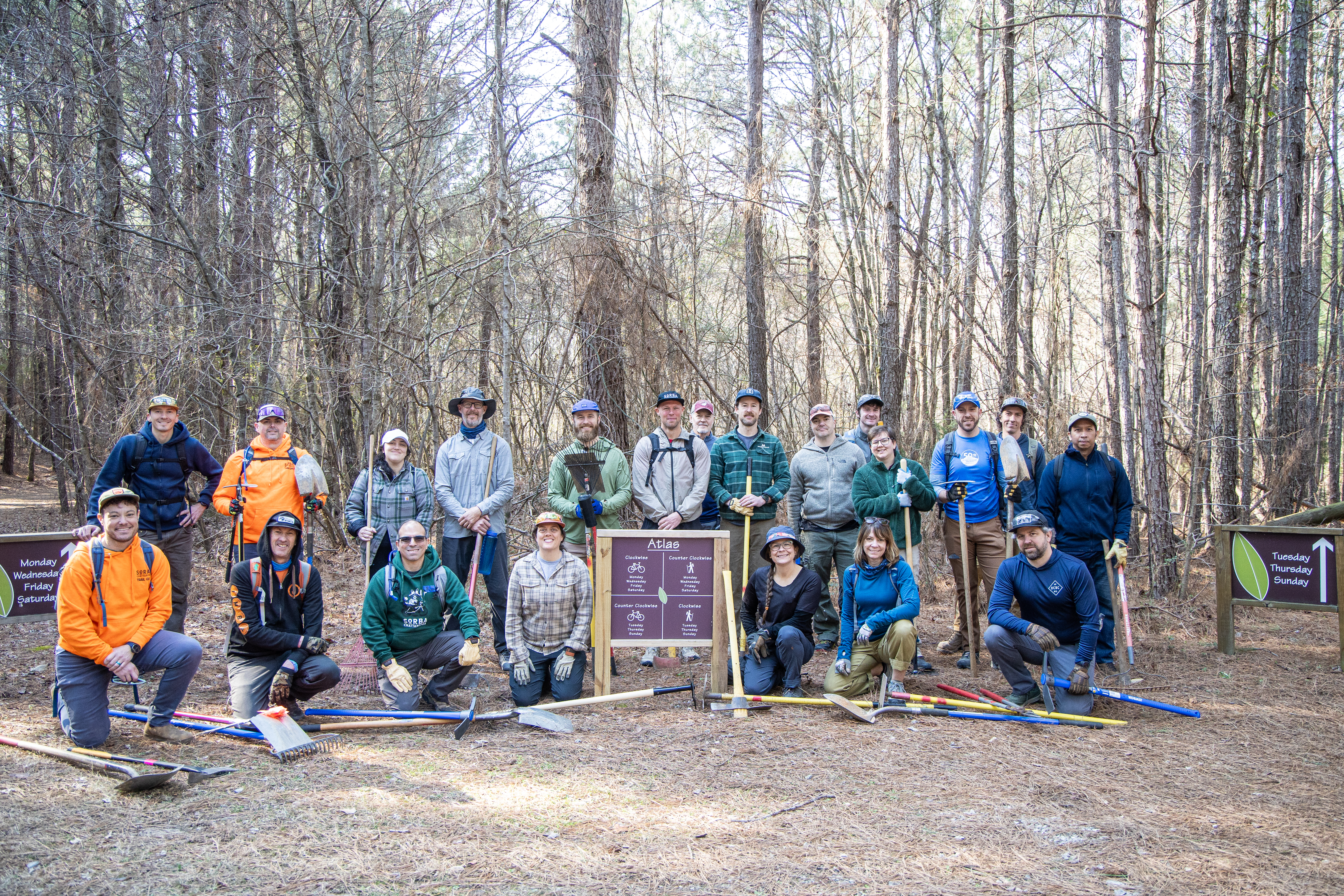
IMBA teaches sustainable trailbuilding techniques and has become a leader in trail design, construction, and maintenance. We promote responsible riding, volunteer trail work and cooperation among trail user groups and land managers. IMBA members and affiliated clubs perform close to one million hours of volunteer trail work and advocacy annually, and are outstanding partners for federal, state and local land managers.
IMBA has formal partnership agreements with the USDA Forest Service, Bureau of Land Management and US Army Corps of Engineers. Just last year, we signed an official agreement with the National Park Service (NPS) to develop more mountain biking opportunities at NPS units across the country. Currently more than 40 national parks have mountain biking on dirt roads and trails.
In Colorado, IMBA has approximately 10,000 supporters through our 2,500 individual members and 50 affiliated bike clubs. More than 30 bicycle retailers are also affiliated with IMBA. Colorado is a hub of the bicycle industry, with leaders such as Pearl Izumi, Catalyst Communications, Yeti Bicycles, Moots Bicycles, Bicycle Village, Criterion Cycles, Koobi Saddles, SRAM/Rock Shox, USA Cycling, Colorado Cyclist, Peak Bar, Carmichael Training Systems, Velo News, and many others residing in the state.
Bicycling is a billion-dollar industry in the state, according to the Colorado Department of Transportation. Thousands of tourists travel to Colorado each year to ride their mountain bikes and experience trails that have become world famous. Tourists flock to Durango, Crested Butte, Telluride, Steamboat Springs, Fruita, Grand Junction and many other Colorado communities to explore the outdoors by bicycle. Colorado tourism communities take trail access seriously as they know that cyclists spend money on lodging, gas, restaurants, and in local stores. In 2004, Colorado ranked sixth in the nation for singletrack bicycling participants, with 22 percent of the population - 730,940 people - involved in the sport (Outdoor Industry Association).
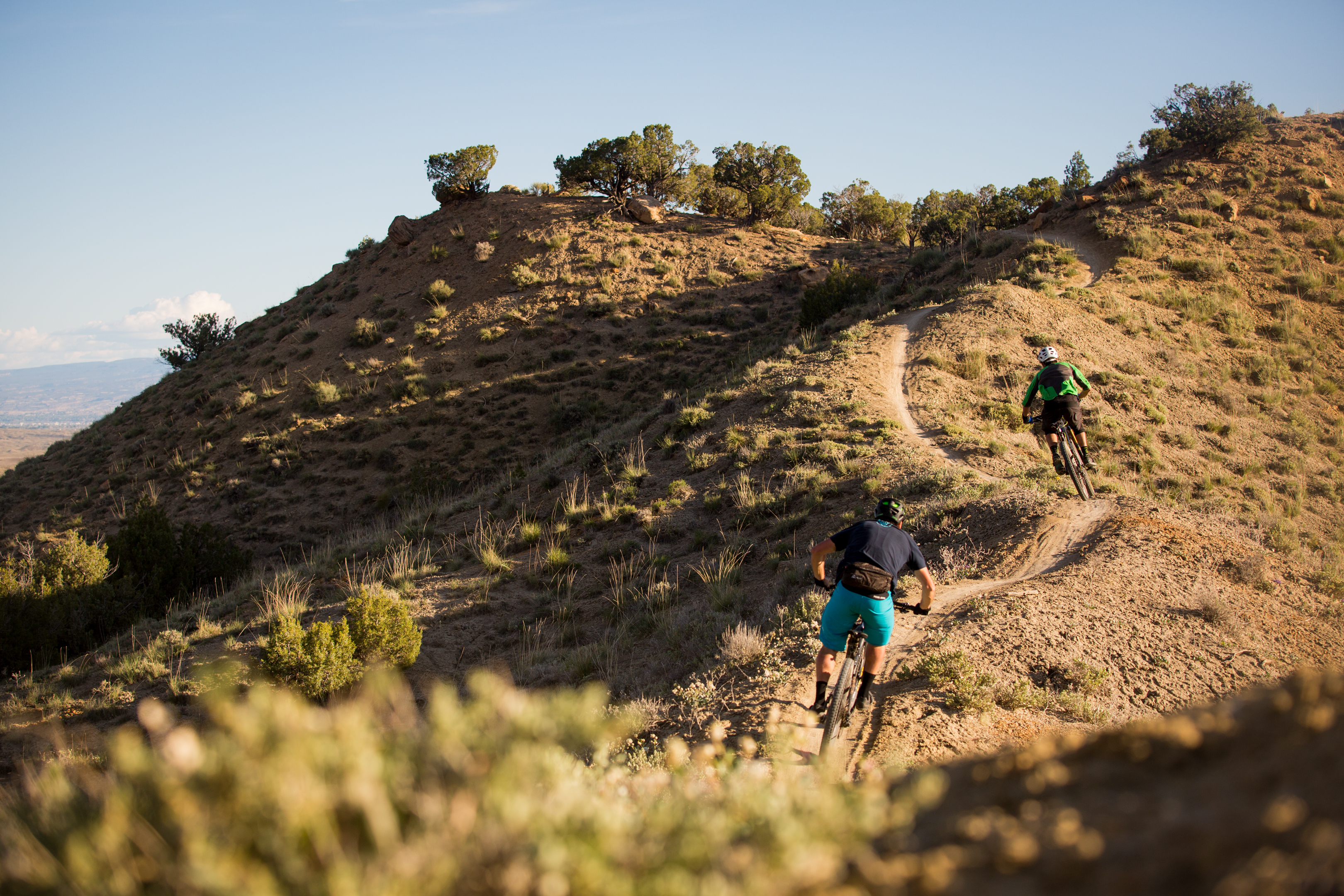
As you know, federal agency interpretation of the 1964 Wilderness Act bans bicycle access. Every time a congressional Wilderness bill is proposed, cyclists risk losing access to trails they have ridden for years. Further, they lose the potential to build new trails or expand bicycling access in these lands in perpetuity. IMBA members take Wilderness bills very seriously and want to be at the table to help craft land protection legislation. For this reason, bicyclists seek modifications of Wilderness proposals that will protect the land while continuing to allow this quiet, low-impact, muscle-powered recreation on existing trails. When conflict exists, IMBA suggests boundary adjustments, non-Wilderness trail corridors, grandfathering in our existing use, or other land protections such as National Protection Areas or National Conservation areas.
Senator Salazar has been very inclusive of IMBA and mountain bicyclists in the discussions of the proposed Wilderness boundaries as has Congressman Udall in the House. We are pleased that the bill includes a boundary that allows for the possible inclusion of bicycles on the East Shore Trail. This trail will provide a critical connector for the Headwaters Trail Alliance (HTA) in their master trails plan to connect Grand County with 70 miles of shared-use, non-motorized trails. The Granby to Grand Lake trail is the next leg of their master plan and the best alignment is on the western edge of Rocky Mountain National Park and provide spectacular views of Grand Lake, Shadow Mountain Reservoir, and Lake Granby. This trail will be a beautiful community amenity allowing non-motorized trail users to travel near the shore. We are confident that the East Shore Trail will be a draw for trails-based tourism and give families, community members and tourists a resource that will be highly valued for many years to come.
There are 359 miles of dirt trails open to hikers in the National Park but only paved roads open to cyclists. These paved roads have very narrow shoulders and park officials encourage cycling early in the morning to avoid conflict with vehicles. IMBA encourages the committee to do more to get visitors out of their cars and experience the park by bicycle. The 16-20 mile East Shore Trail would do just that and only remove about 500 acres of land from the approximately 250,000 acre proposal.
In 1974, the National Park Service determined many of these areas to be appropriate for Wilderness and classified them as Wilderness Study Areas (WSA). NPS management will not allow the consideration of bicycles in these areas until Congress acts to decide the fate of these lands. Enacting S. 1510 would allow the community and the federal land agencies to begin the environmental process to consider opening the East Shore Trail to bicycles. We look forward to working with the National Park Service and the USDA Forest Service on starting this process.
Thank you for the opportunity to submit comments on this important legislation. IMBA looks forward to working with the committee and Senator Salazar and urges your favorable consideration.
Sincerely,
Jenn Dice
IMBA Government Affairs Director
cc: Senator Ken Salazar
Senator Wayne Allard
Congresswoman Marilyn Musgrave
Congressman Mark Udall