IMBA - International Mountain Bicycling Association
What would we do without trails?

IMBA Testimony to Senate Energy and Natural Resources Committee, Subcommittee on Public Lands and Forests (9-14-04)

September 10, 2004

Senator Larry Craig, Chair
Senator Ron Wyden, Ranking Member
Senate Energy & Natural Resources Committee
   Subcommittee on Public Lands and Forests
364 Dirksen Senate Office Building
Washington, D.C. 20510

Dear Chair Craig and Ranking Member Wyden:

On behalf of the International Mountain Bicycling Association (IMBA) and local bicycling clubs around the state of Oregon and Mount Hood National Forest, I write to offer comments on S. 2723, the Lewis and Clark Mount Hood Wilderness Act of 2004. Before addressing the specifics of the legislation, I would like to take a moment to describe a vision for you that captures the essence of mountain bikers and why we support wild places.

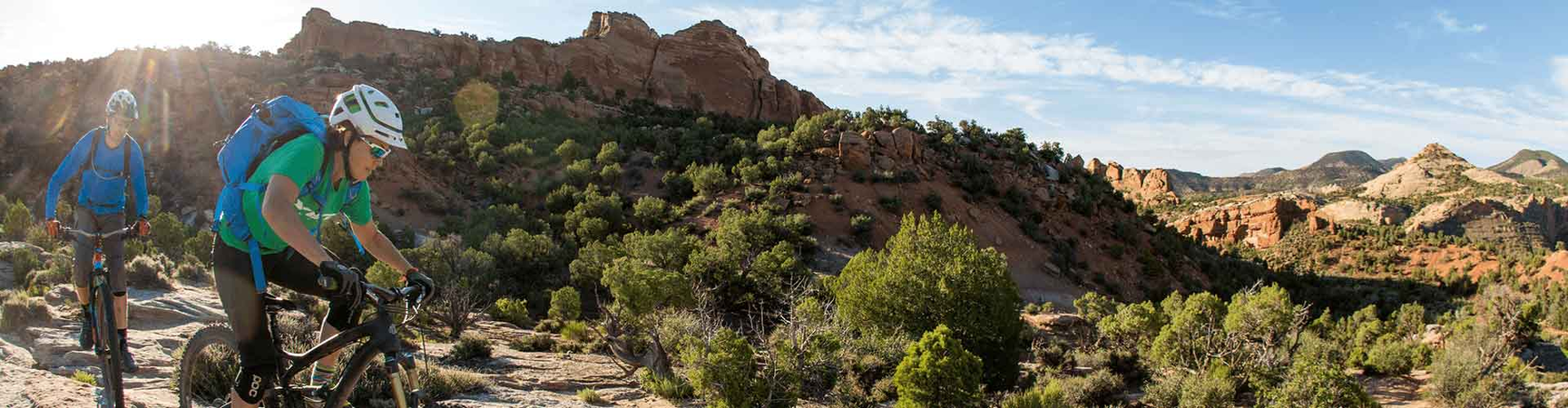
One mountain biker from Colorado put it this way, "Mountain biking on singletrack is like skiing in fresh powder, or matching the hatch while fly fishing, or playing golf at Pebble Beach."

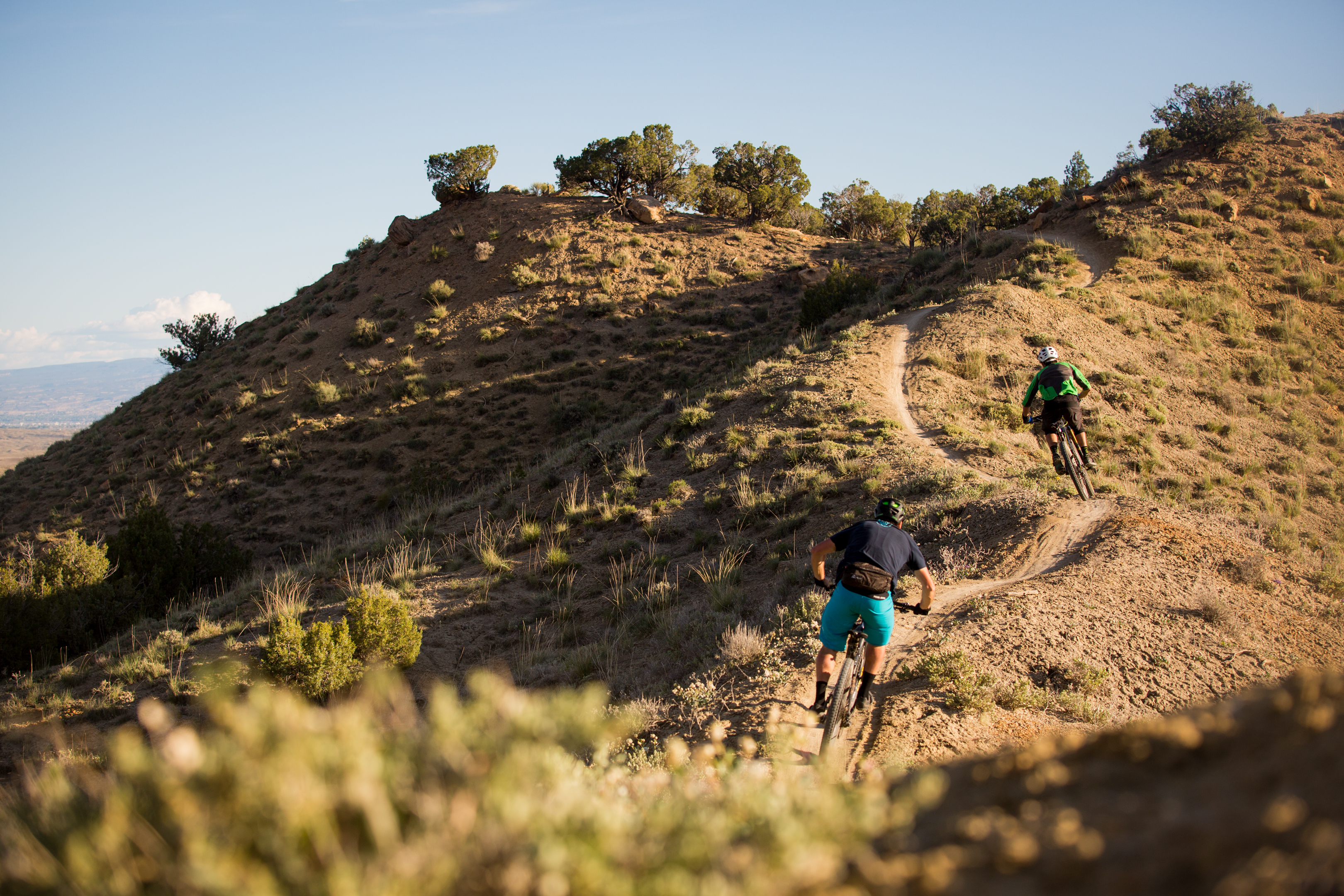
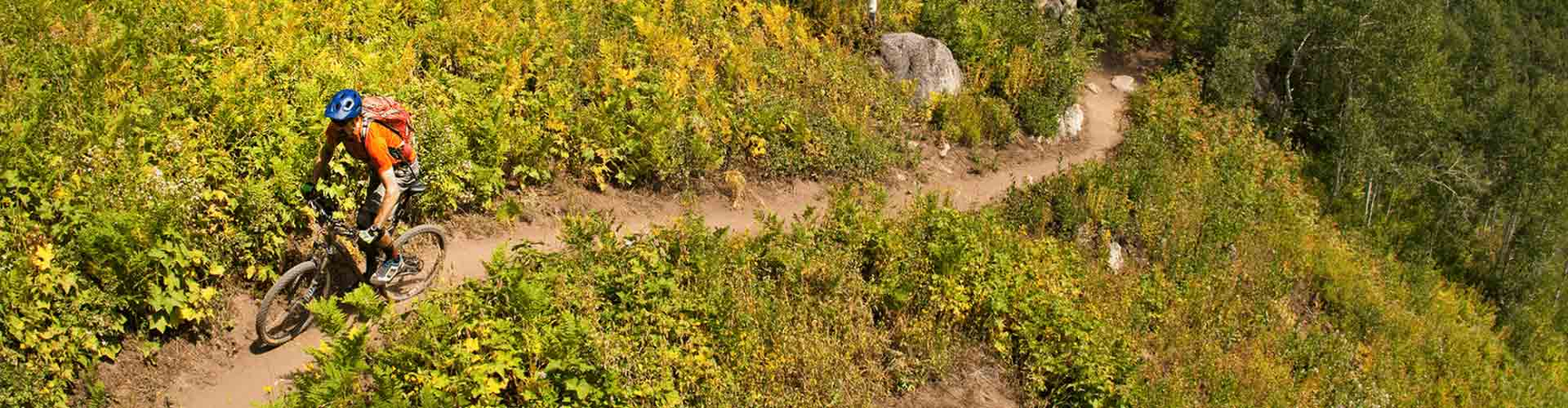
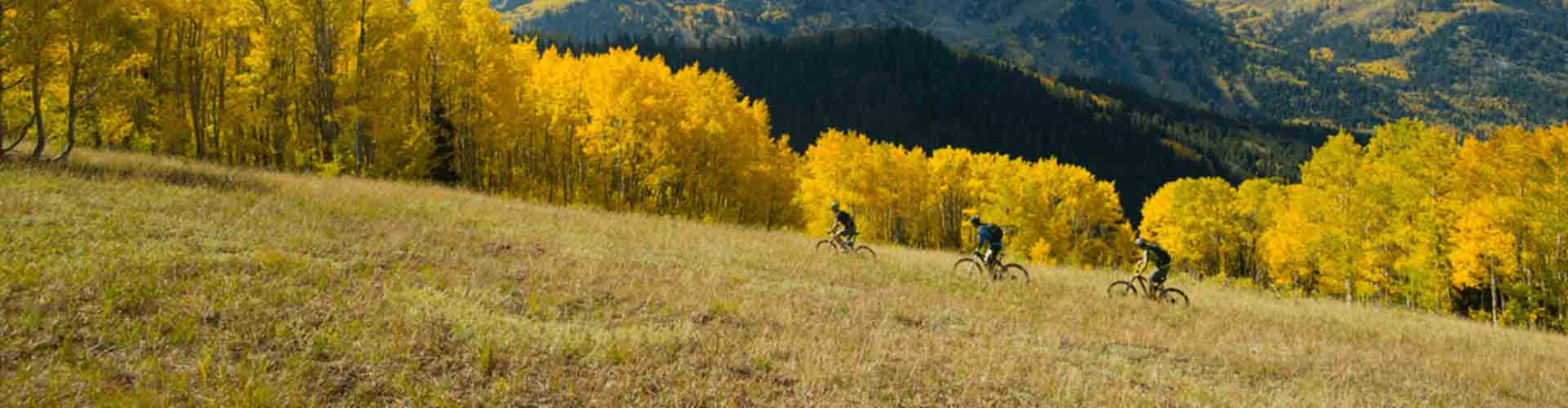
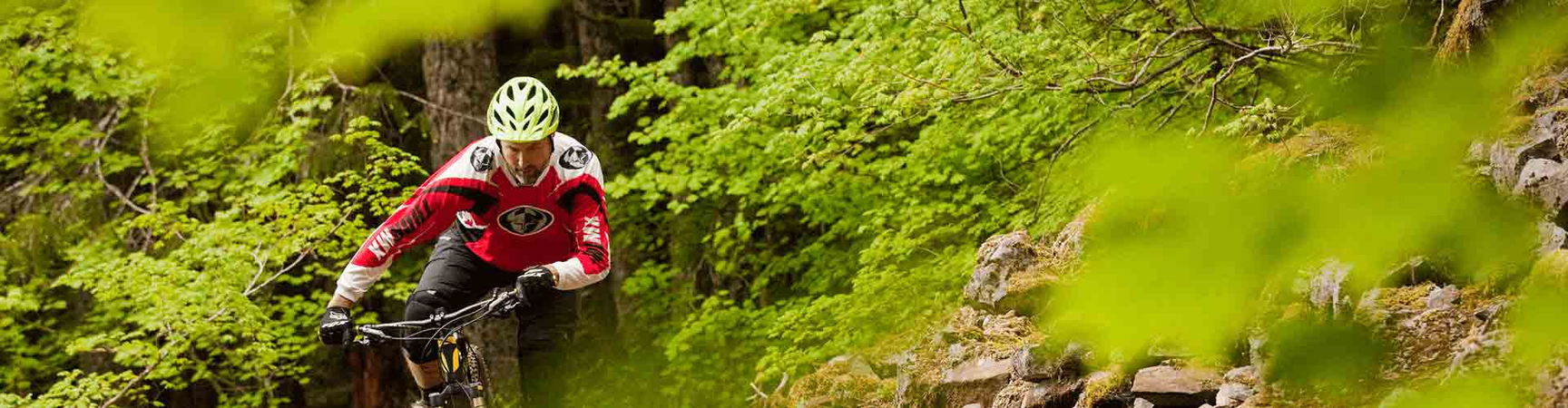
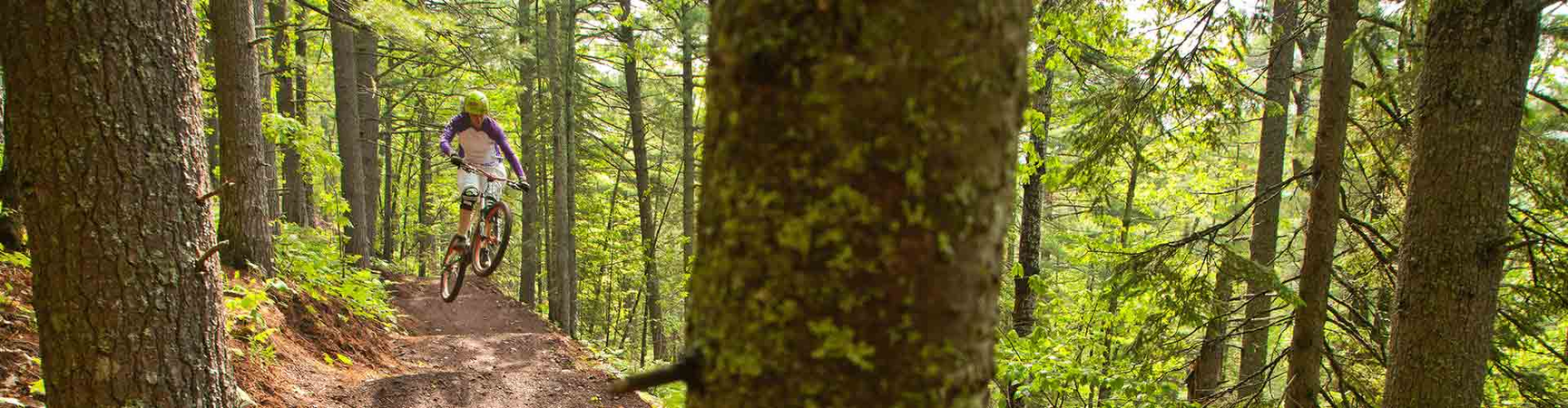
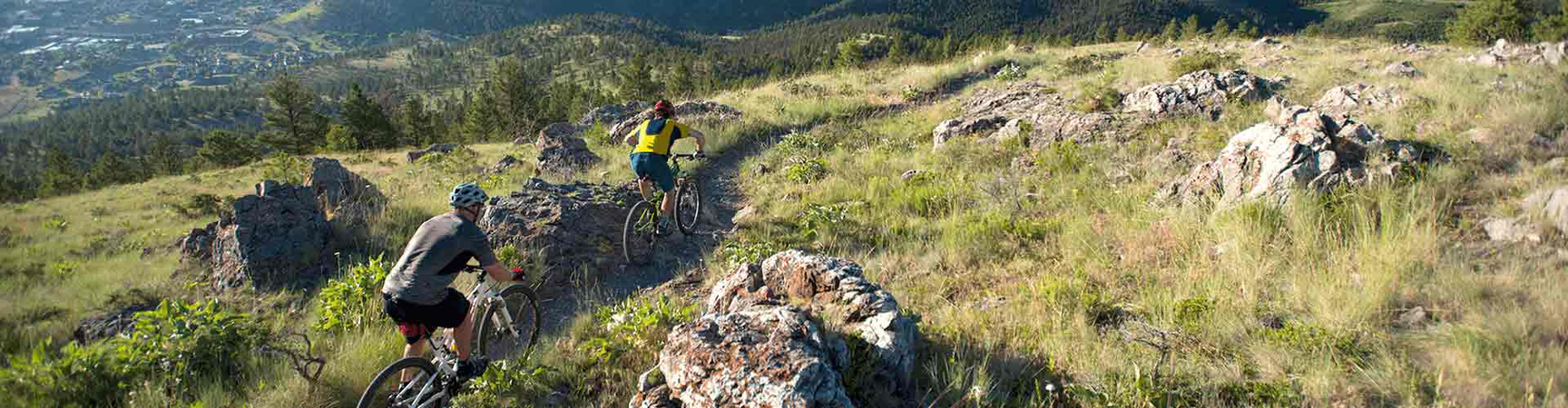
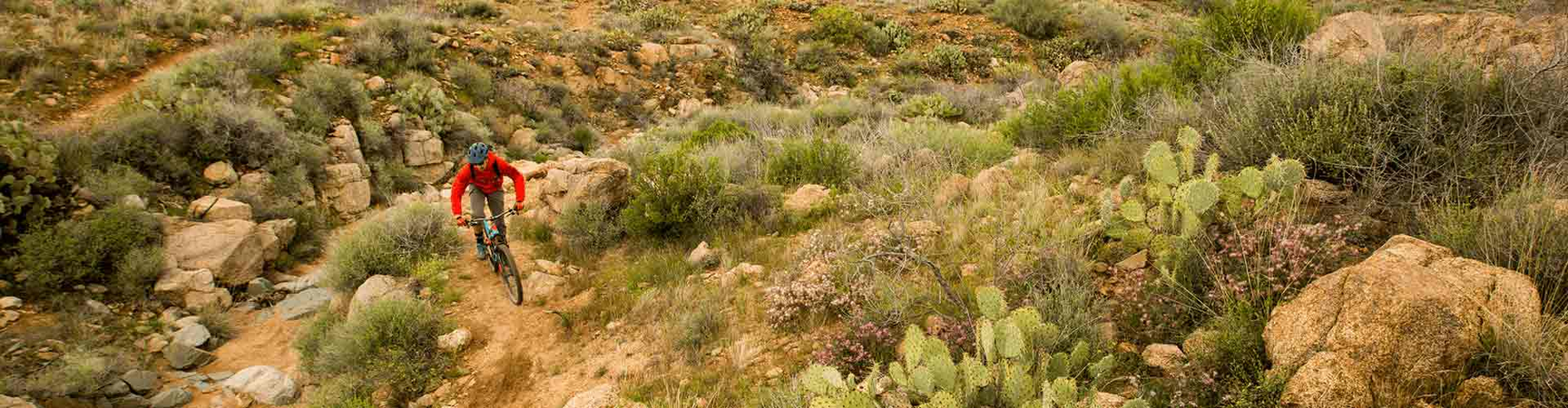
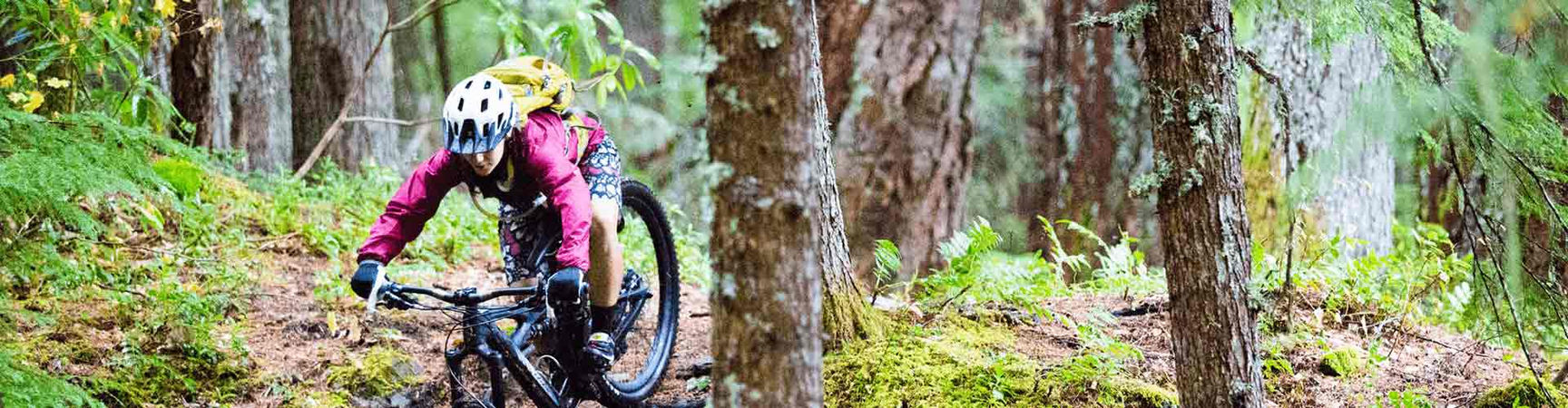
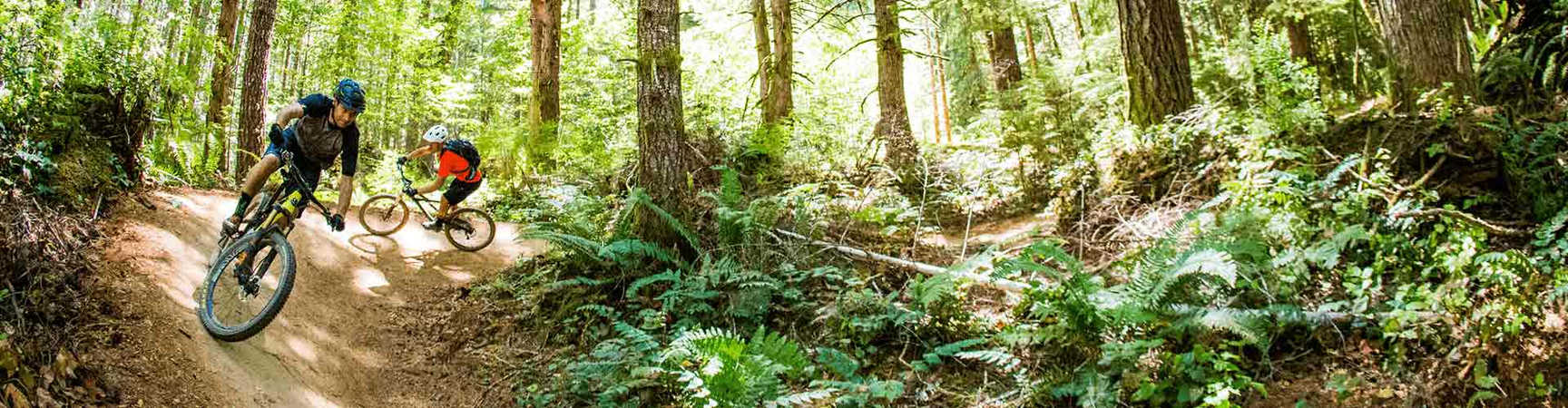
All experienced trail users prefer narrower, singletrack trails. Cyclists are no different. Bike riding on narrow, natural surface trails is as old as the bicycle. In its beginning, all bicycling was essentially mountain biking because bicycles predate paved roads. In many historic photographs from the late 19th-century, people are shown riding bicycles on dirt paths. During World War II the Swiss Army outfitted some units with bicycles to travel more quickly on narrow trails through mountainous terrain. Most trail users want to experience a close connection to Nature. Singletrack provides this better than roads because it blends into the surrounding environment, disturbs much less ground, and is easier to maintain. On singletrack, trees and shrubs envelope you in a tunnel of green and the curve of the land guides the direction of your travel. The experience just isn't the same when you are walking or pedaling on an open, wide road. When one is moving slowly on singletrack, you feel the wind, you smell the flowers, and you feel connected to the natural world.

To preserve this experience, bicyclists generally support protection of undeveloped public lands but Wilderness designation prohibits bicycling. Bicyclists therefore must seek modifications of Wilderness proposals that will protect the land while continuing to allow this quiet, low-impact, muscle-powered recreation on significant trails.

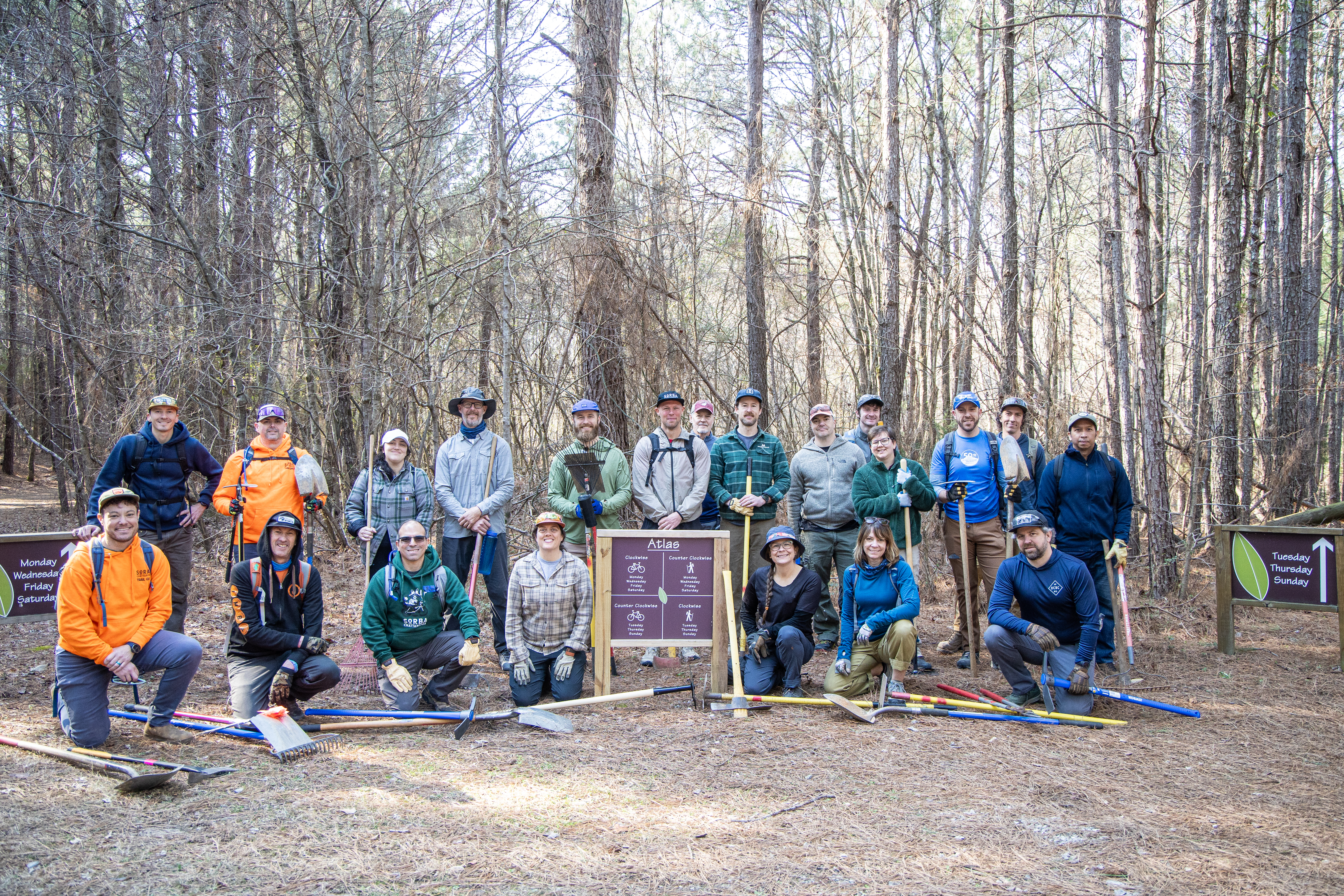
The International Mountain Bicycling Association (IMBA), founded in 1988, leads the national and worldwide mountain bicycling communities through a network of 32,000 individual members and more than 550 affiliated clubs, including 19 in Oregon. Three major clubs in Oregon have been working on this bill in conjunction with the sponsors and others: the Portland United Mountain Pedalers (PUMP) represents cyclists around Portland, the Columbia Area Mountain Bicycling Association (CAMBA) represents cyclists around Hood River and the Central Oregon Trails Alliance (COTA) represents cyclists around Bend. IMBA teaches sustainable trailbuilding techniques and has become a leader in trail design, construction, and maintenance; and encourages responsible riding, volunteer trailwork, and cooperation among trail user groups and land managers. Nationwide, IMBA members and affiliated clubs conduct close to 1,000,000 hours of trailwork annually and are some of the best assistants to federal, state, and local land managers.

IMBA generally supports the intent of S.2723 because our members value protecting pristine lands from development. Bicyclists love to ride remote backcountry areas on narrow trails just like hikers and equestrians and feel conflicted when Wilderness is proposed that affects significant biking trails. On the one hand, they want to protect the areas they ride, but on the other, they don't want to lose access to the trails they have ridden for almost two decades. Consequently, IMBA believes that the proposed Mount Hood Pedaler's Demonstration Experiment Area (Hood-PDX) is a positive step forward in public land policy regarding Wilderness as it protects the land while allowing bicycling.

While IMBA is encouraged by this approach, we have several concerns regarding the actual area of the pilot project, monitoring, reporting and termination requirements and the funding provisions, as detailed in the attached materials. In brief, we urge the committee to give this pilot project favorable consideration provided that the bill is amended to include lands near Bonnie Butte and Badger Creek - Grasshopper Point. In addition, we urge that that the Hood-PDX lands revert to their original status upon termination, and that funds are provided to implement and monitor the project. This pilot project is an excellent example of public officials attempting to 'think outside the box' to craft creative solutions to major public policy problems. In light of Oregon's innovative thinking on such issues as recycling, health care, and public access to lands, it comes as no surprise that Oregon public servants would once again be leading the nation and demonstrating how states truly are the laboratories of democracy.

In addition, IMBA supports the existing Wilderness designations and some of the Forest Service closures. IMBA could support some of the areas of S.2723 for Wilderness, including the area west of Tom, Dick and Harry Mountain, the area around Devil's Peak and Veda Lake, lands around Draw Creek and Abbot Burn, and lands east of the Badger Creek Wilderness.

IMBA has analyzed Title I of the bill, however, and found that all of the areas under consideration conflict to some degree with bicycling. At stake in S.2723 are fabulous riding routes such as the Larch Mountain Trail in the Columbia River Gorge National Scenic Area in Multnomah County, the Palmateer Meadows and Bonney Meadows trails in Wasco County, the Wacoma Ridge Trail in Hood River County, and the Sandy River Trail in Clackamas County. We are including a list of all trail opportunities that will be lost to bicycling due to S.2723, which total more than 214 miles.

Wilderness is not the only way to protect the remaining undesignated, undeveloped lands. For these areas, IMBA suggests boundary adjustments, alternative designations (Wild and Scenic Rivers, National Conservation Areas, National Scenic Areas and National Protection Areas), trail corridors or expansion of the Hood-PDX area to include more trails. Please find attached sample legislative language for the type of alternative designation we think would ensure bicycle access and afford the same protection as a Wilderness.

The trail closures proposed in this bill would further exacerbate a situation where much of the Mount Hood National Forest has already been closed to bicycling. A significant portion of the forest has been designated Wilderness. In addition, many trails leading into or just running near the existing Wilderness areas have been closed by the USDA Forest Service. For example, the agency closed the Hunchback Mountain and McIntyre Ridge trails to bicycling, even though they are almost entirely out of the Wilderness. In a more positive approach the agency would have worked with bicyclists to reroute the very few trail segments that cross a very short distance into the Salmon-Huckleberry Wilderness. In addition, while Hood-PDX is a positive development overall, the specified areas are far too few and too small to encompass the large number of bicycling trails threatened by this bill. Most of the mountain bike riding would be severely compromised. If these are trails are not accommodated in the bill in some fashion, then Hood-PDX may attract increased attention from mountain bikers, leading to overuse over time that may exacerbate ecological damage and hamper efforts to accurately assess impacts. The possible negative impacts to mountain biking and the land if this occurs are not in the interest of anyone who cares about Mount Hood.

A related issue is that the true extent of the closures is not fully presented. We believe that the Forest Service is not aware of all the trails on the Mount Hood National Forest. Furthermore, the maps accompanying this bill are inadequate for clear public analysis. Drawn in black and white and scaled too small, the maps obscure or do not depict critical topographic features and many of the trails at issue. Therefore, IMBA has tried to map all the routes and submits the attached map and trail list to indicate the scope of trail closures entailed by this bill. The committee and the public need to have maps that clearly display relevant geographic features and impacted trails.

We also note that the boundaries of the proposed Wilderness areas are highly convoluted. To IMBA, this is another indicator of the inappropriateness of Wilderness as the tool for protecting these lands. With a more flexible designation, regular and meaningful boundaries could be created, and Congress could determine the allowable activities within the protected lands.

IMBA believes that bicycle access is a legitimate, primitive form of recreation that should be allowed in new Wilderness areas subject to ongoing administrative discretion of local federal land managers. The current interpretation of the Wilderness Act prohibits mountain bicycling by treating it differently than other forms of muscle-powered recreation, such as hiking, horseback riding, skiing, and climbing. In the 1980's land managers became concerned about the growing popularity of bicycles on trails and chose a simple but excessive solution - banning bikes. Now there is significant scientific evidence and a full generation of experience showing that the actual impact of mountain bikes is comparable to hikers who are allowed in Wilderness. IMBA agrees with the notion that rather than tell people they are going to be restricted from using our nation's public lands, the solution lies in providing more opportunities for them to enjoy our great places. Mountain biking is a healthy, non-motorized outdoor activity that has minimal adverse environmental impact. Congress can overcome this misguided conflict by supporting the approach outlined in the proposed Mount Hood Wilderness bill. IMBA will continue to work with the sponsors of S.2723 to accommodate bicycling in the Mount Hood National Forest.

Finally, closure of trails to bicycling affects a significant number of local companies including manufacturers, distributors, bicycle dealers, and tourism-related businesses. A good example is Chris King Precision Components, which produces high performance mountain bike components with more than 60 employees and $5 million in annual revenues. Chris King recently relocated its corporate headquarters and operations from California to Portland, Oregon because of the strong mountain bike community, local support for the sport, availability of local trails, and incredible natural environment.

Overall, bicycling and mountain bike tourism is very important to the local and state economy. Tourism in Oregon is a $6.1 billion industry - one of the state's top five industries - generating $230 million annually in local and state tax revenues. Overall, more than 39 million Americans participated in singletrack bicycling in 2003, according to the Outdoor Industry Association. Almost seven million were 'enthusiasts' of singletrack riding, heading out into America's beautiful backcountry whenever they can. In Oregon, mountain biking is a popular sport with close to 400,000 people participating last year (Outdoor Industry Foundation). According to the National Sporting Goods Association 2002 Participation Study, mountain bikers are predominantly college graduates and affluent (64 percent have a household income of $50,000 or higher). Further, consumers spent $854 million on mountain bikes in 2002, according to NSGA.

In sum, IMBA believes that mountain biking is a healthy, non-motorized outdoor activity with minimal environmental damage and a positive economic impact for Oregon. IMBA urges the committee to amend this legislation to allow continued mountain bike access on lands around Mount Hood, while taking steps to protect the land from development. We hope this support will include the Hood-PDX demonstration project, increased funding and support for trail planning and development, and the use of boundary adjustments and alternative designations to accommodate existing mountain bike access in the area. We also hope this support will include the designation of new Wilderness areas in order to protect critical pristine lands on Mount Hood.

Thank you for the opportunity to submit comments on this important legislation. We look forward to working with you and the sponsors of S. 2723.

Sincerely,

Chris DiStefano
Board Member
International Mountain Bicycling Association (IMBA)

CC: Senator Gordon Smith
Congressman Earl Blumenauer
Congressman Greg Walden

Lewis and Clark Mount Hood Wilderness Act of 2004 (S. 2723)

Additional Comments and Recommended Changes

TITLE I - DESIGNATION OF WILDERNESS AREAS

IMBA supports protection of all the lands encompassed within the proposed boundaries of the new Lewis and Clark Mount Hood Wilderness Areas to be included in the Mount Hood Wilderness, Mark O. Hatfield Wilderness, Badger Creek Wilderness and Salmon-Huckleberry Wilderness, as provided in a map entitled Lewis and Clark Wilderness Additions of 2004, dated _____. However, all four areas include a substantial number of trails that are currently open to bicycling. Before IMBA can generally support a protection bill for the Mount Hood National Forest, legislation must specify the means by which these trails will remain open to bicycling, and the areas detailed in the IMBA Trail List and Map must be addressed in the official map and corresponding legal descriptions.

SEC. 101. LEWIS AND CLARK MOUNT HOOD WILDERNESS AREAS.

Please see the attached IMBA Trail List and Map. For these areas IMBA seeks boundary adjustments, alternative land protections (Wild and Scenic Rivers, National Conservation Areas, National Scenic Areas and National Protection Areas), trail corridors that would allow bicyclists continued access, or expansion of the Hood-PDX area to include more trails.

TITLE II - DESIGNATION OF STREAMS FOR WILD AND SCENIC RIVER PROTECTION IN THE MOUNT HOOD AREA

IMBA generally supports the designation of new Wild and Scenic River areas as an effective tool to preserve wildlands and important waterways. Wild and Scenic River designations do not prohibit continued mountain bike access to trails. Consequently, IMBA recommends that Wild and Scenic River designations in S.2723 be expanded or redrawn to include mountain bike trails, where practicable; and that the boundaries of areas designated as Wild and Scenic Rivers not overlap areas designated as Wilderness.

TITLE III - NATIONAL COMMISSION ON URBAN FORESTS

IMBA has no position on this section of the bill at this time.

TITLE IV - MOUNT HOOD NATIONAL FOREST SOUTHSIDE WINTER RECREATION AREA

IMBA has no position on this section of the bill at this time.

TITLE V - MOUNTAIN BIKING PILOT PROJECT

Wilderness is a good method of protection, but not the only way. IMBA and mountain bike advocates support a 'toolkit' approach to addressing the Wilderness issue, including the use of boundary adjustments, alternative designations (National Protection Areas, National Recreation Areas or National Scenic Areas) with additional Wilderness-type protections, and corridors (Wilderness, non-Wilderness or some variation). Alternative designation areas must have strong, irrevocable, legislative language to protect lands from development. IMBA believes the Hood-PDX is a positive development in the discussion about mountain bikes in Wilderness. It effectively takes a page from the 'toolkit' approach, and utilizes tried and true legislative and policy techniques to address an ongoing controversial issue. Utilizing a pilot project or demonstration program with a 'sunset provision' to develop policy in a controversial area is a reasonable and proactive approach.

The demonstration program will allow reliable information based on solid research and actual experience to govern decisions about whether to allow bikes in future Wilderness areas designated by Congress. The approach is an excellent way to preserve Congress' options and legislative flexibility.

The Mount Hood Wilderness proposal sets precedent in terms of allowing mountain bikes in new Wilderness, but it need not be particularly threatening for two reasons. First, Congress has allowed exceptions for some non-Wilderness type uses, arguably creating other precedents that are more significant - motorized access and permanent structures have been allowed in Wilderness as exceptions in various Wilderness bills passed by the Congress. Notable examples include the Selway-Bitterroot Wilderness (Montana) and Frank Church-River of No Return Wilderness (Idaho), that allow landing of aircraft, where airstrips were established prior to enactment, future construction and maintenance of small hydroelectric generators, domestic water facilities, and related facilities allowed in Threemile and Jersey Creek drainages along the Salmon River. In addition, the Lee Metcalf Wilderness allows motorized equipment permitted for activities associated with existing levels of livestock grazing and administrative purposes like snowmobile trail maintenance, as well as snowmobiling allowed during periods of adequate snow cover. Finally, the Kenai Wilderness (Alaska) allows mechanized equipment on the Harding Icefield for recreation purposes.

The mountain biking demonstration project (Hood-PDX) included in this bill does not undermine protections provided by the Wilderness Act. The proposal does not alter any of the provisions of the Act, it does not change definitions or procedures. It simply does what Congress has already done and is authorized to do by the Wilderness Act - propose and designate future Wilderness areas.

Regarding the specific provisions of this section, IMBA recommends the following changes:

SEC. 501. ESTABLISHMENT: In addition to those areas listed in the bill, IMBA recommends the addition of lands near Bonnie Butte and Badger Creek - Grasshopper Point.

SEC. 502. MANAGEMENT GOALS./SEC. 503. REPORT TO CONGRESS.

IMBA supports the monitoring and report to Congress requirements of the bill regarding the impacts and usage of the pilot program. It is imperative however, that the Forest Service works closely with all interested parties to gather information regarding the impacts to the ecology of the area, the economic impacts and usage. The monitoring period is adequate but must be adequately funded and involve participation and input from all interested and affected user groups. The mountain bike community, in conjunction with all others, needs to have ample opportunity to participate in the analysis and report stage described in the bill. This participation should begin immediately after enactment of legislation. The agency should recognize bicycling as not only legitimate, but also as having legitimacy equal to that accorded hiking and equestrian travel. This includes downhill riding. The agency should recognize that trail damage usually results much more from improper design rather than user types and that proper design, construction, and maintenance can solve many problems. The agency should recognize that bicycling and hiking cause roughly equal effects to wildlife, vegetation, and ecosystem processes. and therefore where ecology is sensitive it is illegitimate to ban biking while allowing hiking.

SEC. 504. FUNDING.

IMBA supports the inclusion of a funding mechanism to implement this provision, but does not believe that resources should be diverted from other recreational uses to support the new mountain biking pilot project. Consequently, IMBA recommends a general funding authorization of such sums as may be necessary to carry out this section, to remain available until expended.

SEC. 505. TERMINATION OF AUTHORITY.

IMBA is concerned that the reversion to Wilderness after ten years is probably impermissible and unenforceable. Ordinarily, under a sunset provision, an expiring pilot program reverts to the status existing before the pilot began. Furthermore, Congress must take positive action to create Wilderness, it cannot be done by default. Consequently, the Hood-PDX needs to revert to its original status if it is not made permanent by Congress.

Subsection (2) needs to be revised to state:

"(2) the mountain biking area designated under section 501 shall automatically revert to the status existing prior to the date of enactment of this Act."

TITLE VI - TRANSPORTATION AND COMMUNICATION SYSTEMS

IMBA has no position on this section of the bill at this time.

TITLE VII - LAND EXCHANGE

IMBA has no position on this section of the bill at this time.

TITLE VIII - MOUNT HOOD NATIONAL FOREST THINNING

IMBA has no position on this section of the bill at this time.

Email this page Printable Version


Help | Site Map | Copyright
IMBA Homepage Join IMBA Now!