IMBA Congressional Testimony on Northern California Wilderness Bill
Click here for more California Land Protection Campaign Information
SENATE ENERGY & NATURAL RESOURCES COMMITTEE
Subcommittee on Public Lands and Forests
Hearing: S 738 - Northern California Coastal Wild Heritage Wilderness Act
TESTIMONY SUBMITTED TO CONGRESSIONAL RECORD
July 22, 2004
Senator Larry Craig, Chair
Senator Ron Wyden, Ranking Member
Senate Energy & Natural Resources Committee
Subcommittee on Public Lands and Forests
364 Dirksen Senate Office Building
Washington, D.C. 20510
Dear Chair Craig and Ranking Member Wyden:
On behalf of the International Mountain Bicycling Association (IMBA), I write to offer comments on S. 738, the Northern California Coastal Wild Heritage Wilderness Act. As you know, Wilderness designation prohibits bicycling. For this reason, bicyclists seek modifications of Wilderness proposals that will protect the land while continuing to allow this quiet, low-impact, muscle-powered recreation on significant trails.
The International Mountain Bicycling Association (IMBA) was founded in 1988 and leads the national and worldwide mountain bicycling communities through a network of 32,000 individual members and more than 500 affiliated clubs. More than 43 million Americans participated in singletrack bicycling and 7 million were 'enthusiasts' of single-track bicycling in 2002, according to the Outdoor Industry Association. IMBA teaches sustainable trailbuilding techniques and has become a leader in trail design, construction, and maintenance; and encourages responsible riding, volunteer trailwork, and cooperation among trail user groups and land managers. IMBA members and affiliated clubs conduct close to 1,000,000 hours of trailwork annually and are some of the best assistants to federal, state, and local land managers.
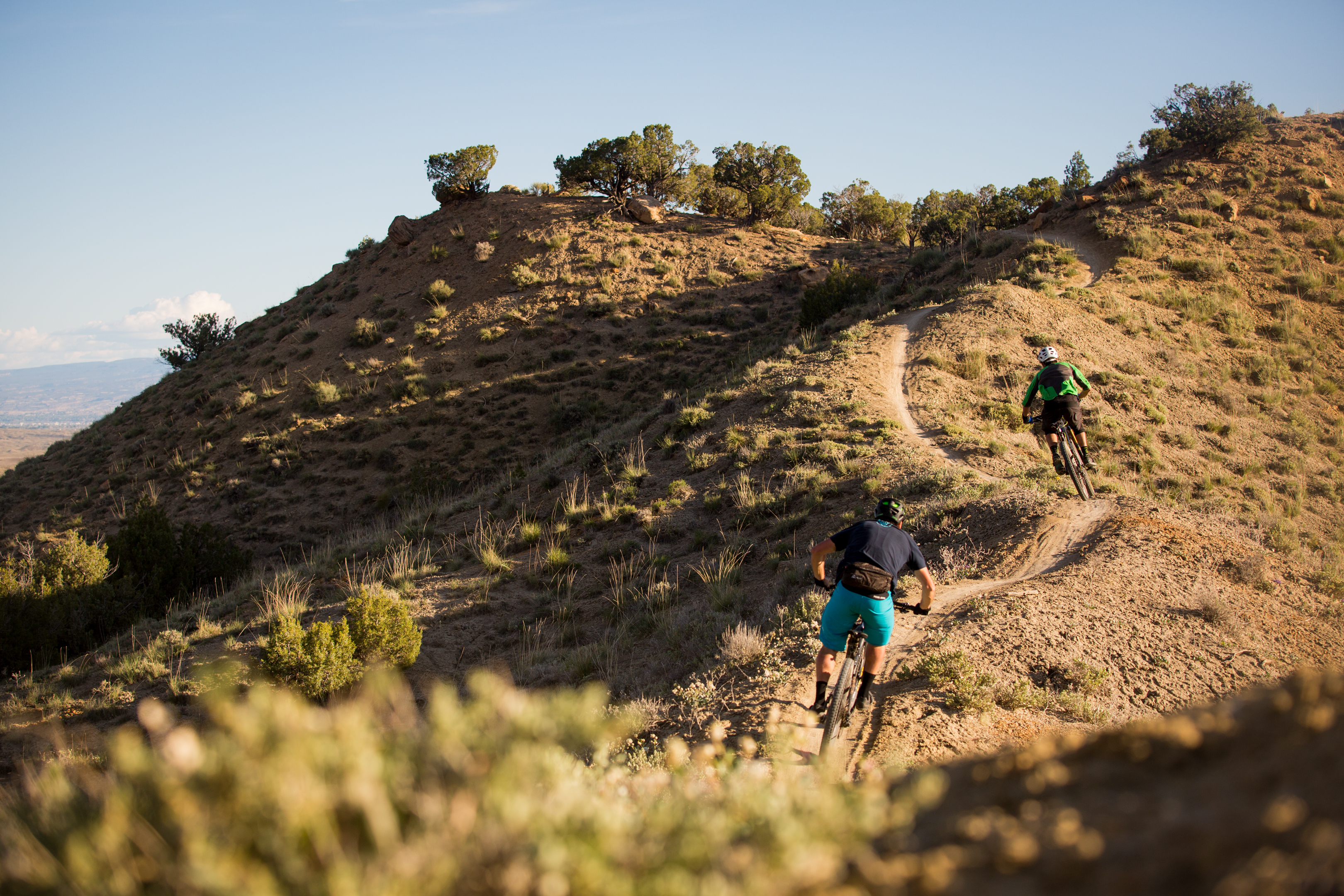
At stake in S. 738 are fabulous riding routes such as the Kings Crest and Lost Coast-Chemise Mtn. trails in the King Range National Conservation Area and the Red Bud and Judge Davis trails in Cache Creek in Napa and Lake counties. In addition, IMBA has analyzed the bill and found that three-quarters of the areas under consideration do not conflict with bicycling. For the one-quarter that would eliminate bicycling opportunities, IMBA recommends other forms of land preservation designations, Non-Wilderness Trail Corridors, or boundary adjustments. We are including a list of all trail opportunities that will be lost to bicycling due to S.738/H.R. 1501. This list includes 139 miles of currently open routes, 32 miles that are uncertain or problematic, plus an unknown mileage of unofficial but legal bicycling routes.
IMBA supports protecting all of the lands in the proposal from development, some as Wilderness, and some using other, diverse designations such as National Conservation Areas and Protection Areas. Please find attached an example of the type of legislative language we think would ensure bicycle access and afford substantially the same protection as a Wilderness designation. IMBA will continue to work with the sponsors of S. 738 and companion legislation in the House of Representatives to accommodate areas and trails of particular concern.
Generally, the elimination of bicycling access would exacerbate a situation where much of California's public land is already closed to bicycling. Congress has designated almost 14 million acres of Wilderness in California, more than any other state. Many trails in state and local parks are also closed to bicycling.
IMBA believes that bicycle access is a legitimate, primitive form of recreation that should be allowed in certain Wilderness areas subject to ongoing administrative discretion of federal land managers. Wilderness as the exclusive tool for preservation is increasingly problematic. The current interpretation of the Wilderness Act prohibits mountain bicycling by treating it differently than other forms of muscle-powered recreation, such as hiking, horseback riding, skiing, and climbing. IMBA believes that the original wording of the Wilderness Act in 1964 was ambiguous about the use of bicycles. The actual prohibition of bicycles didn't happen until 20 years later. In the 1980's land managers became concerned about the growing popularity of bicycles on trails but chose an excessive solution - banning bikes. Now there is significant scientific evidence and a full generation of actual experience showing that the impacts of mountain bikes are comparable to other muscle-powered recreation allowed in Wilderness. The blanket prohibition no longer makes sense.
In these days when the Centers for Disease Control is sounding an alarm that America's population is increasingly obese, we hope that Congress will endorse bicycling, both on roads and trails, as an excellent solution to that problem. Closing more trails to bicycling does not further that goal.
Thank you for the opportunity to submit comments on this important legislation. We look forward to working with you and the sponsors of S. 738, as the committee continues its work.
Sincerely,
Tim Blumenthal
Executive Director
International Mountain Bicycling Association (IMBA)
CC: Senator Barbara Boxer
Senator Dianne Feinstein
Congressman Mike Thompson
Submitted to Congressional Record
IMBA Draft Alternative Language for National Conservation Areas