IMBA - International Mountain Bicycling Association
What would we do without trails?
IMBA Freeriding Resources

The Future of Freeriding

Bicycle manufacturers expect to see growth in the freeride market

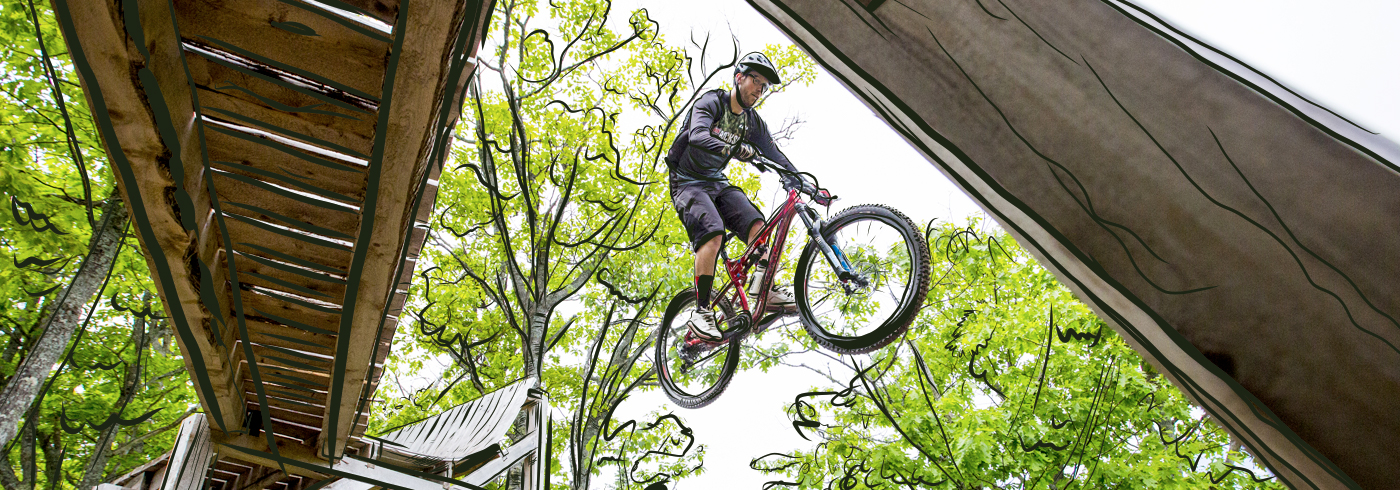
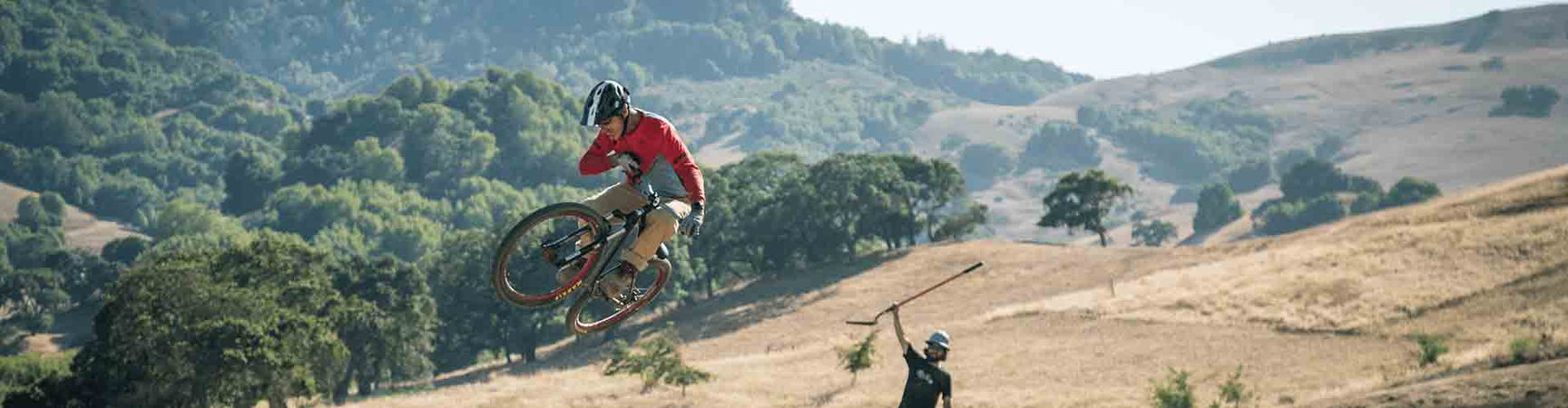
"Freeride reflects a generation of mountain bikers who have rediscovered the passion that first lured cycists into the forest in the late 1970s," says Mountain Bike Action's Richard Cunningham. "The dilemma we face, however, is that the modern mountain bike is far more capable than previous bikes, so the present trail systems offer fewer challenges."

Bicycle manufacturers say that the number of technically advanced bikes - and riders with the skills to handle them - will only increase in upcoming years. "If you look back at Trek's catalogue from the year 2000 you'll see a couple of cross-country bikes with fairly minimal suspension," says Joe Vadeboncouer, a product specialist at Trek Bicycles. "Next year, we'll offer five full categories - totaling 21 models - of full-suspension bikes. We're confident that our future consumer is going to have an interest in freeride - it's where the soul of the sport is these days."

Skip Hess, president of Giant USA, agrees that the freeride category offers significant growth potential, but says there are degrees of freeride compatibility. "Freeride and downhill bikes with eight inches of travel grab the media's attention. While they don't provide the bulk of our full-suspension sales, those technologies do trickle down to our mid-range and entry-level models. That allows more people to tackle more kinds of terrain when they go riding."

Here at IMBA, it's increasingly apparent that mountain bikers across North America are eager for freeriding challenges. An unprecedented number of freeride-oriented clubs have been formed. We also received more than 20 well-crafted applications for the 2005 Kona/IMBA Freeride Grants program, and new freeride areas (on both private and public lands) are cropping up everywhere.

Developments in bicycle technology often lead to unexpected access issues, and the need to educate and encourage land managers about what the future might hold. In the past three decades, IMBA has learned a lot about how to create sustainable, challenging cycling experiences. Freeriding is simply the latest opportunity to utilize that knowledge.

The suggestions offered in this and other IMBA trailbuilding articles do not constitute a standard, specification, or regulation. Trailbuilders and landowners are responsible for the safety of their own trails and facilities. Freeriding and dirt jumping are high-risk activities that can result in serious injuries. IMBA's goal is to help land managers and volunteers manage these risks by sharing information.

Email this page Printable Version


Help | Site Map | Copyright
IMBA Homepage Join IMBA Now!