IMBA - International Mountain Bicycling Association
What would we do without trails?
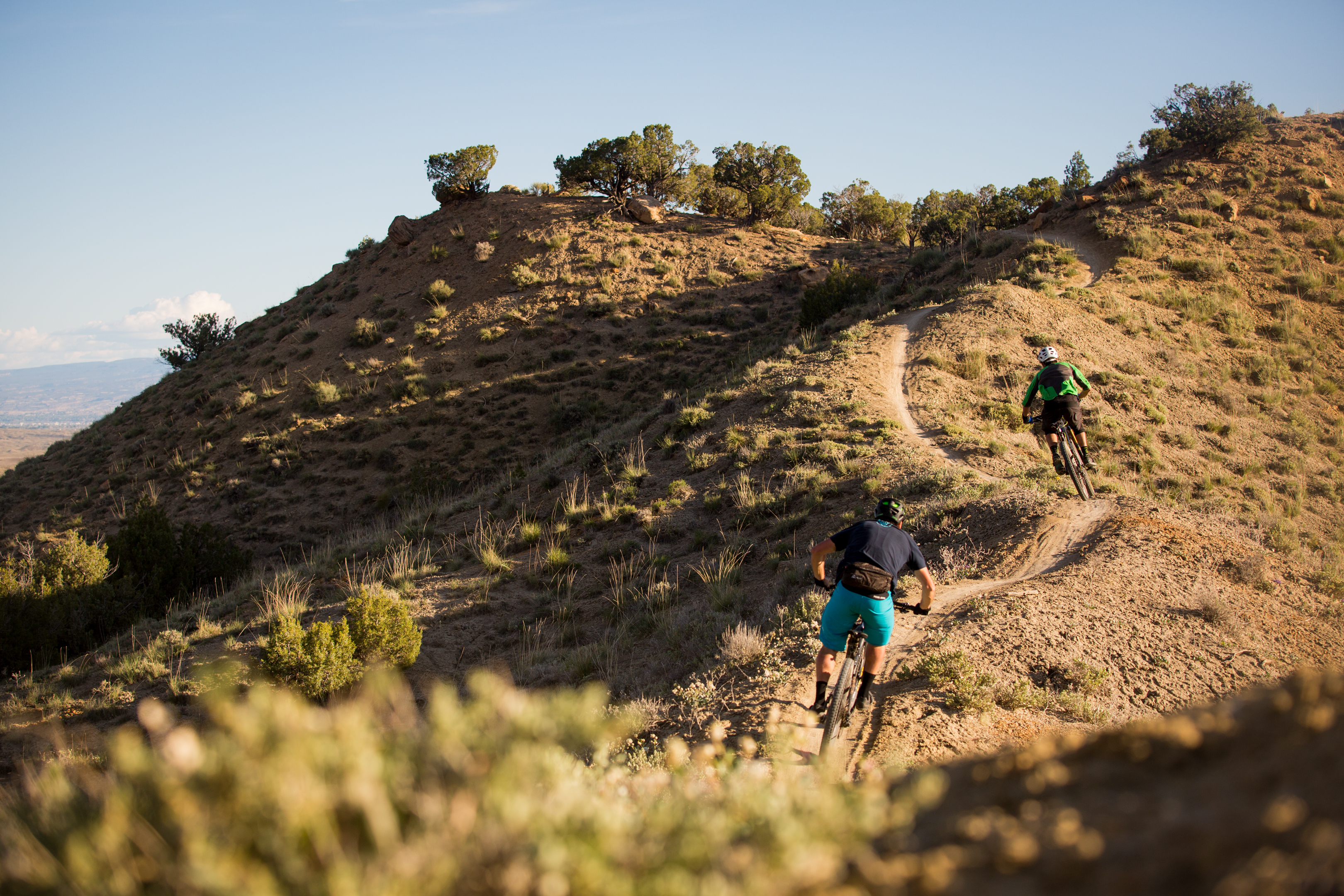
Crested Butte 401 Trail
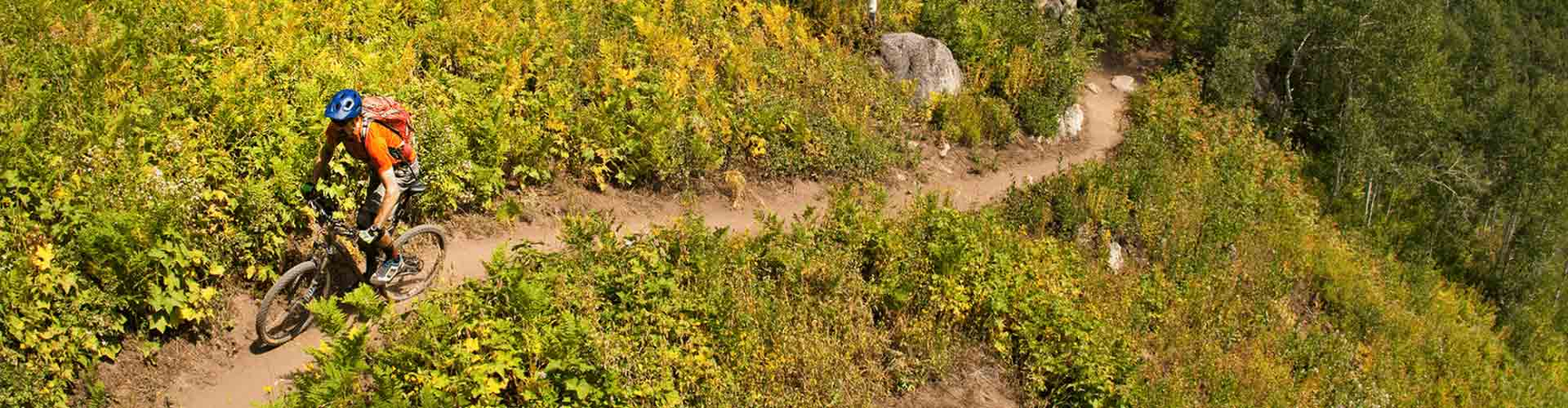
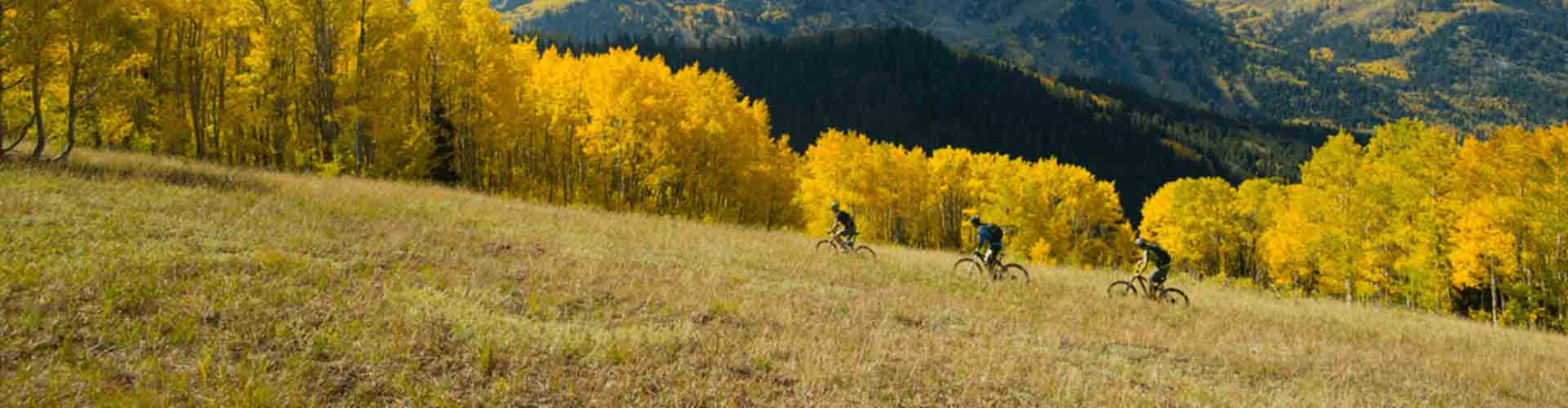
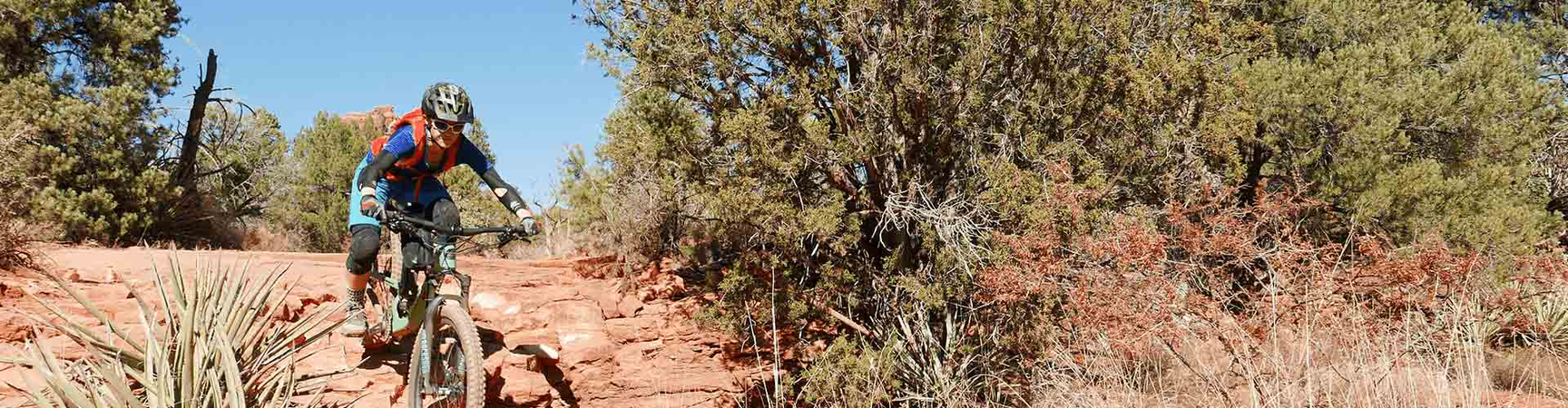
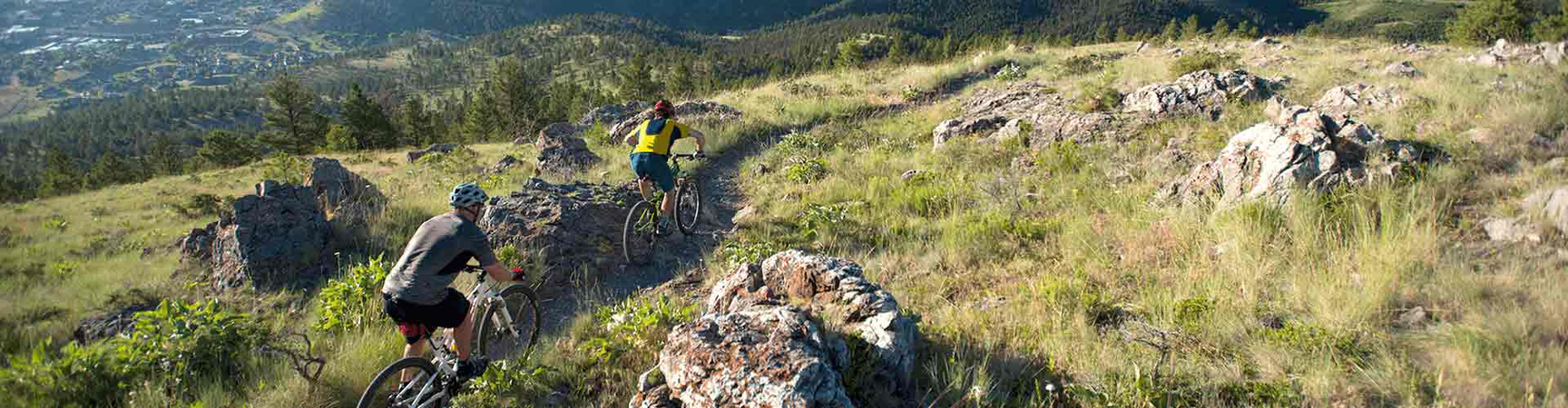
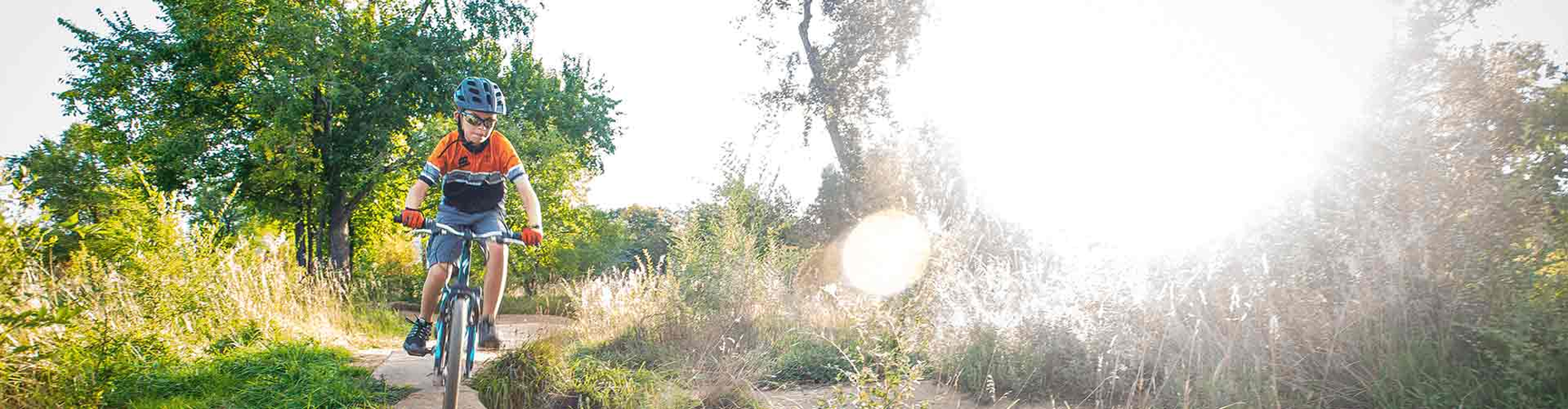
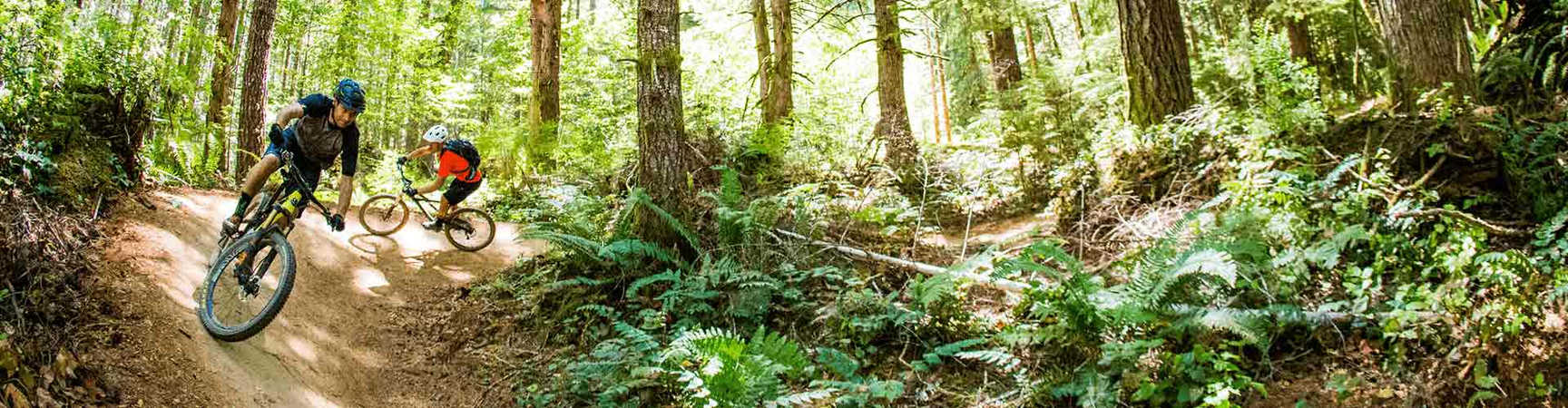
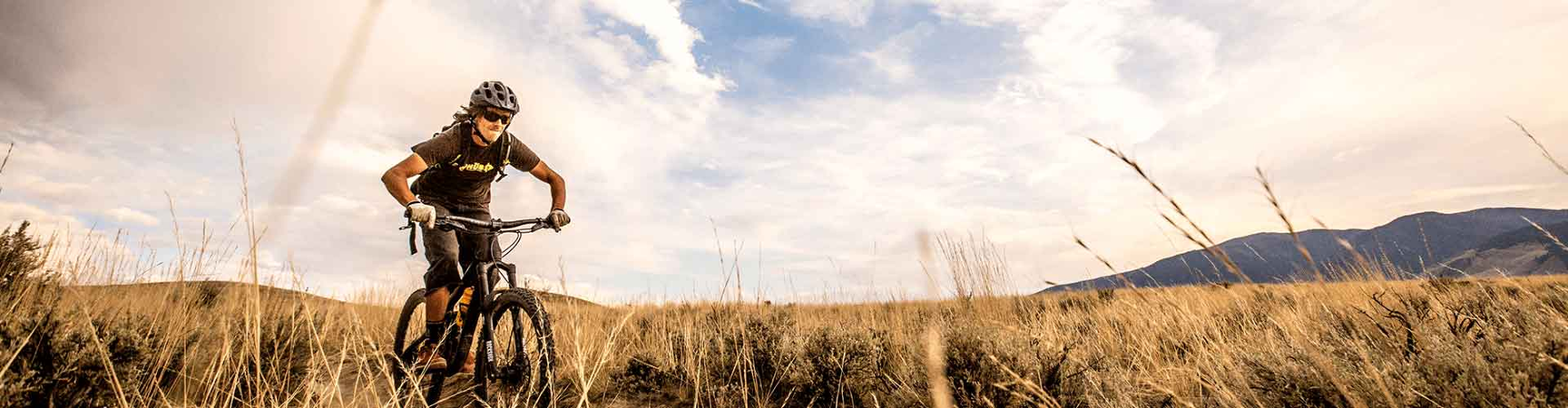
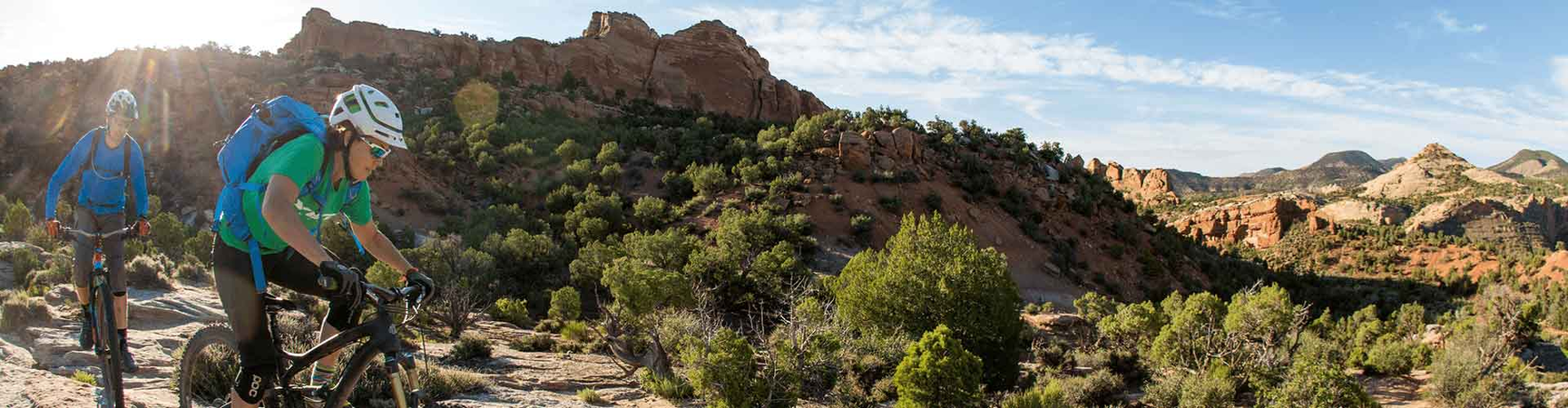
Mountain bicyclists riding the famous Crested Butte 401 Trail. Picture courtesy of Tom Stillo.

Preserving Paradise

Colorado Open Space Preservation Effort Benefits Mountain Bikers

By Richard Skorman and John Spencer

Each summer, thousands of people make the trek across West Maroon Pass, between Aspen and Crested Butte, to enjoy the magnificent views of both the river valleys below and the 14,000-foot peaks above. They come to the "Wildflower Capital of the World" to see for themselves the oceans of wildflowers that flood the meadows between the peaks.

They poke around the tiny mining towns of Marble and Schofield, marveling at how those who built these towns endured 400 inches of annual snowfall and three months of sub-zero temperatures. The beautiful old mills and mining shacks they left behind are all that is left to remind us of an important part of the history of the American West. And scientists from around the world come to the nation's oldest biological research station, the Rocky Mountain Biological Laboratory, to study flora and fauna indigenous to this part of the world.

On maps, this area bordered by the Snowmass Wilderness to the west and the Raggeds Wilderness to the east is called the High Elk Corridor. But to those who enjoy its magnificence and serenity, it is simply called Paradise. High Elk is Paradise for hikers because it provides an incredible network of trails framed by spectacular peaks and accented by wildflowers with every color imaginable.

As longtime Crested Butte resident Glo Cunningham puts it, "I have traveled and hiked throughout the world, and to me, High Elk has it all - world class flowers, spectacular peaks, magnificent waterfalls, solitude and a wonderful dinner in Aspen on the other side."

High Elk is Paradise for mountain bikers, for it was in this area that the mountain bike was invented. Says Gary Sprung of the International Mountain Biking Association, "It is among the five best rides in the world for natural beauty and heart thumping fun." Steve Cook, a mountain bike pioneer, adds, "High Elk is a recreational jewel. For mountain bikers and cross-country skiers, it's a source of inspiration and it's a homeland. There is no place more beautiful."

High Elk is Paradise for scientists as well. Its remoteness and abundant plant and animal life make it an ideal place to conduct research on everything from global warming to wildflower ecology. Paul Ehrlich of Stanford University, who has returned to the Rocky Mountain Biological Lab in Gothic each year for the past 37 years, comments: "As a research facility, you cannot underestimate the importance of Rocky Mountain Biological Lab. It provides a setting that has been largely unaltered for thousands of years. It is a biological treasure-trove for scientists and the general public."

Ironically, the very same natural beauty and history that have drawn people for decades to the area now conspire to develop it. Most High Elk enthusiasts don't know that thousands of acres of the corridor's most spectacular landscapes are privately owned parcels of land. They don't know that the corridor contains nearly 1,000 privately-owned mining claims and platted home sites that are increasingly attracting the interest of land speculators, real estate developers, and people looking for a special vacation home site. Recently, several houses have been built within the corridor and more are planned where only a few years ago there were none. In this era of SUVs, satellite dishes, cell phones, and ridge-top architectural technology, we at the Trust for Public Land believe that High Elk is fast approaching a critical threshold where Paradise could be lost forever.

That's why, as part of our Colorado Historical Landscapes Initiative, TPL has been working very hard in the past year to put the many pieces of this complicated puzzle together to protect this national treasure forever. In July, with the generous help of Great Outdoors Colorado (GOCO) and numerous other friends and partners, we completed a critical first step by creating a Greenprint for the High Elk Corridor.

To greenprint High Elk, the Trust for Public Land used sophisticated digital mapping systems and carefully analyzed vast amounts of data to narrow the field of the most endangered parcels that qualify for early protection efforts. We analyzed factors such as slope, wildfire hazards, geological stabilization, historic value, vegetation, sensitive wildlife habitat, buildability, road access, recreational values, and scenic beauty-everything we could think of to help us plan a conservation strategy.
The result: we identified thousands of key acres owned by 12 separate landowners that, if protected, will go a long way toward saving Paradise from backcountry sprawl. Recently, a remarkable coalition of local business leaders, historic preservationists, scientists, conservationists, recreation enthusiasts, and the Aspen Valley Land Trust and Crested Butte Land Trust, have come together to help us with this goal. As a group, we call ourselves the Friends of High Elk, and together we are already working to protect several critical parcels from willing sellers, but we still have a long way to go.

The price tag to purchase 2,000 critical acres is $6.5 million - a large amount of money, but a small price to pay to preserve this stunning landscape. The Friends of High Elk has just launched a capital campaign to raise approximately $3.5 million from individuals-the remaining $3 million will be raised through grants and public sources-over the next two years. Passionate about preserving the High Elk Corridor, Aspen resident Kitty Boone, and Crested Butte resident John Spencer, and their respective volunteer committees, have stepped forward to help TPL raise the $3.5 million. A lofty goal to be sure, but one that will guarantee that the Paradise of High Elk is preserved forever.

For more information about this project or The Trust for Public Land visit: http://www.tpl.org/.

Email this page Printable Version


Help | Site Map | Copyright
IMBA Homepage Join IMBA Now!