IMBA-Sierra Club Mountain Bicycling Mediation Project Fact Sheet
At the April, 1994, Park City meeting IMBA and Sierra Club participants agreed to the following principles and cooperative initiatives. These agreements are a positive effort to work for common goals and to mitigate real and perceived hostility between the two constituent groups.
Date of Meeting: April 22-24, 1994
Location: Old Miner's Lodge, Park City, Utah
Participants: Representing the Sierra Club were Public Lands committee chair Rudy Lukez (Salt Lake City, UT), Off-Road-Vehicle subcommittee chair George Barnes (Palo Alto, CA) and committee member Jonathan Stoke (Hailey, ID), and professional staffers Patty McCleary (San Francisco) and Mark Bettinger (Saratoga Springs, NY).
Representing IMBA were executive director Tim Blumenthal (Emmaus, PA), president Jim Hasenauer (Woodland Hills, CA), and board members Linda DuPriest (Bozeman, MT), Ashley Korenblat (Somerville, MA), and Jan Wilking (Park City, UT).
Funding: The project was funded by a $23,000 grant from Recreational Equipment, Inc. (REI), of Seattle, Washington.
Mediator: John Huyler of the Keystone Center of Colorado. At the April Park City meeting the participants agreed to the following principles and cooperative initiatives. These agreements are a positive effort to work for common goals and mitigate and avoid real and perceived hostility between the two constituent groups.Principles of Agreement:
The Sierra Club and the International Mountain Bicycling Association agreed to the following principles:
- To work for Wilderness, park and open space protection;
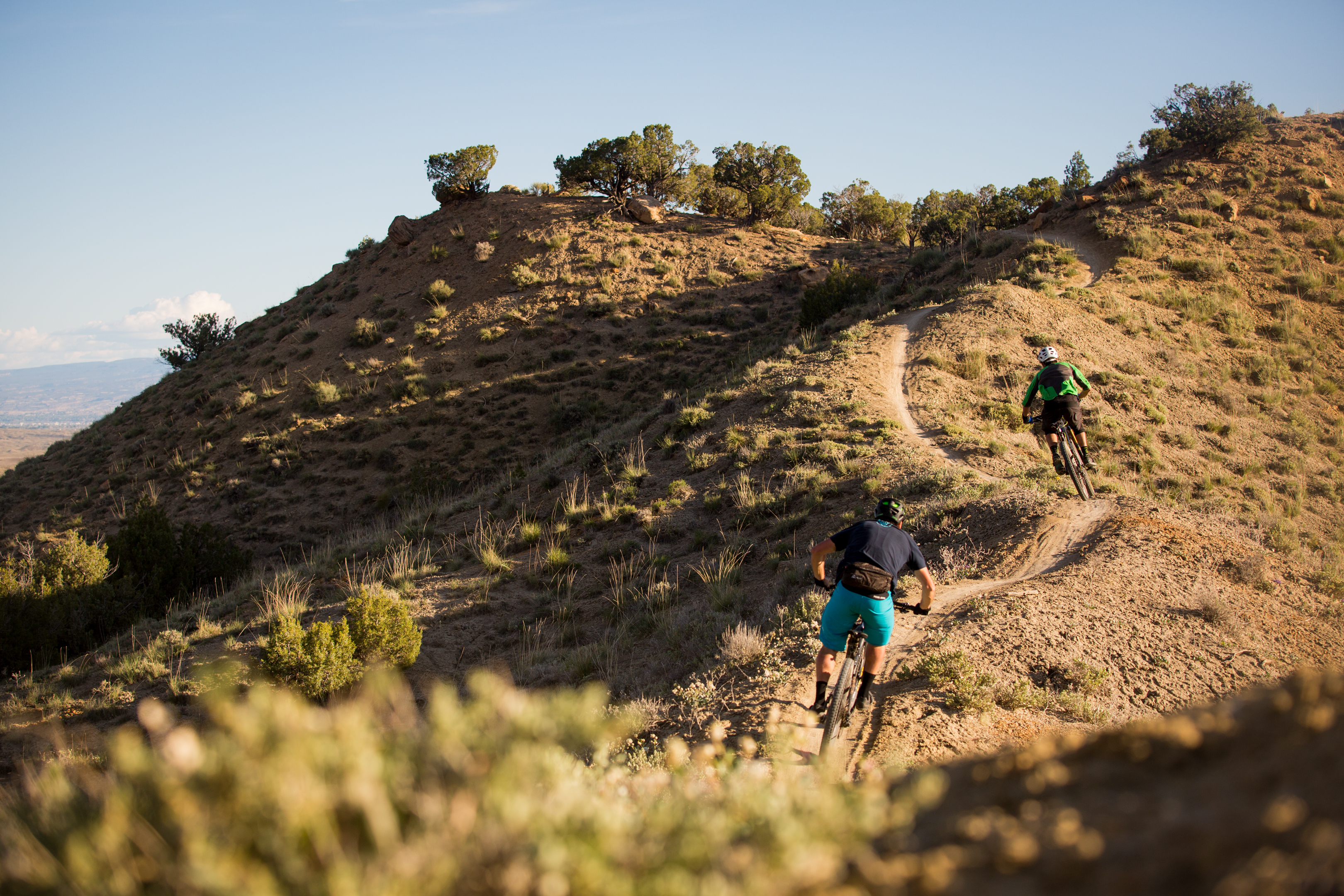
- Mountain bicycling is a legitimate form of recreation and transportation on trails, including singletrack, when and where it is practiced in an environmentally sound and socially responsible manner;
- Not all non-Wilderness trails should be opened to bicycle use;
- To create joint projects to educate all non-motorized trail users;
- To encourage communication between local mountain bicycle groups and Sierra Club entities.
Action Plan
IMBA and the Sierra Club agreed to the following actions:
- Local Assistance/Conflict Resolution
The Sierra Club and IMBA agreed to employ a three-step conflict resolution process to help resolve local trails disputes that involve IMBA-affiliated clubs and Sierra Club chapters.
I - Making contact at the local level:
A. National contacts:
IMBA: Tim Blumenthal 303/545-9011
SC: Jonathan Stoke 208-788-5187B. When either organization learns of local trail management conflict that involves both groups, national contacts should be notified for the purposes of:
-- sharing the local contacts from each organization;
-- providing an information packet to local activists about successful conflict resolution in other areas.National contacts will initiate calls to local activists.
II - Long-distance conflict resolution:
If a conflict remains unresolved, national contacts will initiate a conference telephone call between the parties involved to explore the potential for common ground.
III - Conflict resolution intervention team:
If a conflict still remains unresolved, national representatives from each organization will travel to the affected area for small group meetings with local leaders and activists of both organizations.
- Joint Conservation Projects
This creates a process that encourages IMBA and the Sierra Club to work together, where possible, to protect and preserve the open space critical to both organizations.
Both the Sierra Club and IMBA seek to protect open space and promote green values. While the organizations have different histories and constituencies, there are many opportunities to work together to promote shared values. The spirit of this document is to encourage early proactive cooperation between the two groups.
We have identified six activities through which the two groups can support each other and work together:
- Issues Mailings--The Sierra Club pioneered the use of direct mail
to educate the public and influence policy. There will be occasions when
the issue at hand will be supported by IMBA members, either locally or nationally.
On these occasions, the Sierra Club can mail information to relevant local
or national IMBA membership lists, increasing the likelihood of a successful
outcome.
- Public Hearings--If either group is participating in a public
hearing to advocate a position that the other group would support, then
representatives of the other group should be encouraged to attend.
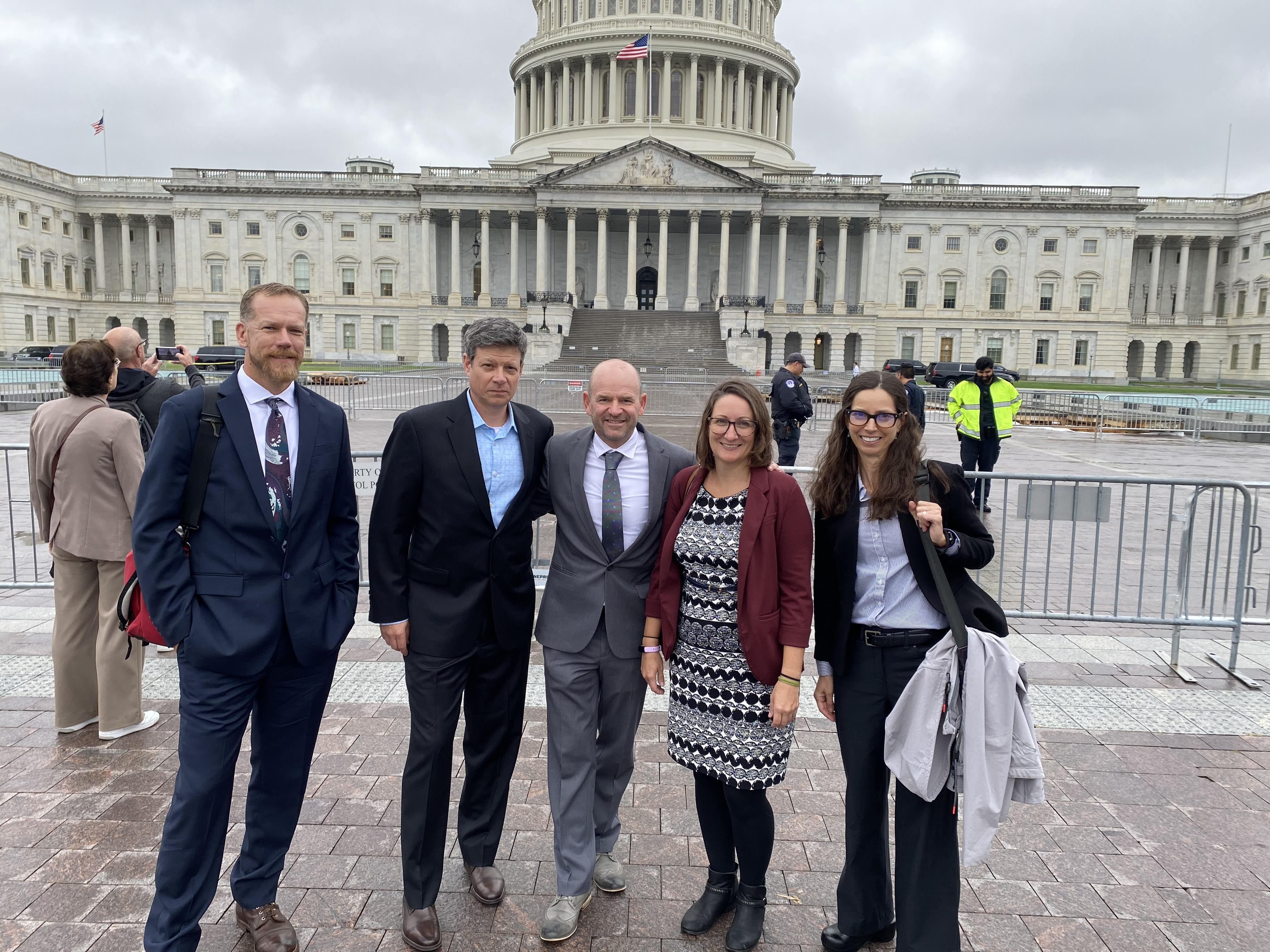
- Meetings with Legislators and Land Managers--There will be occasions
when the Sierra Club and IMBA have a common message to deliver to land managers
and legislators. On such occasions, the group coordinating the meeting should
invite members of the other group to support them in the meeting.
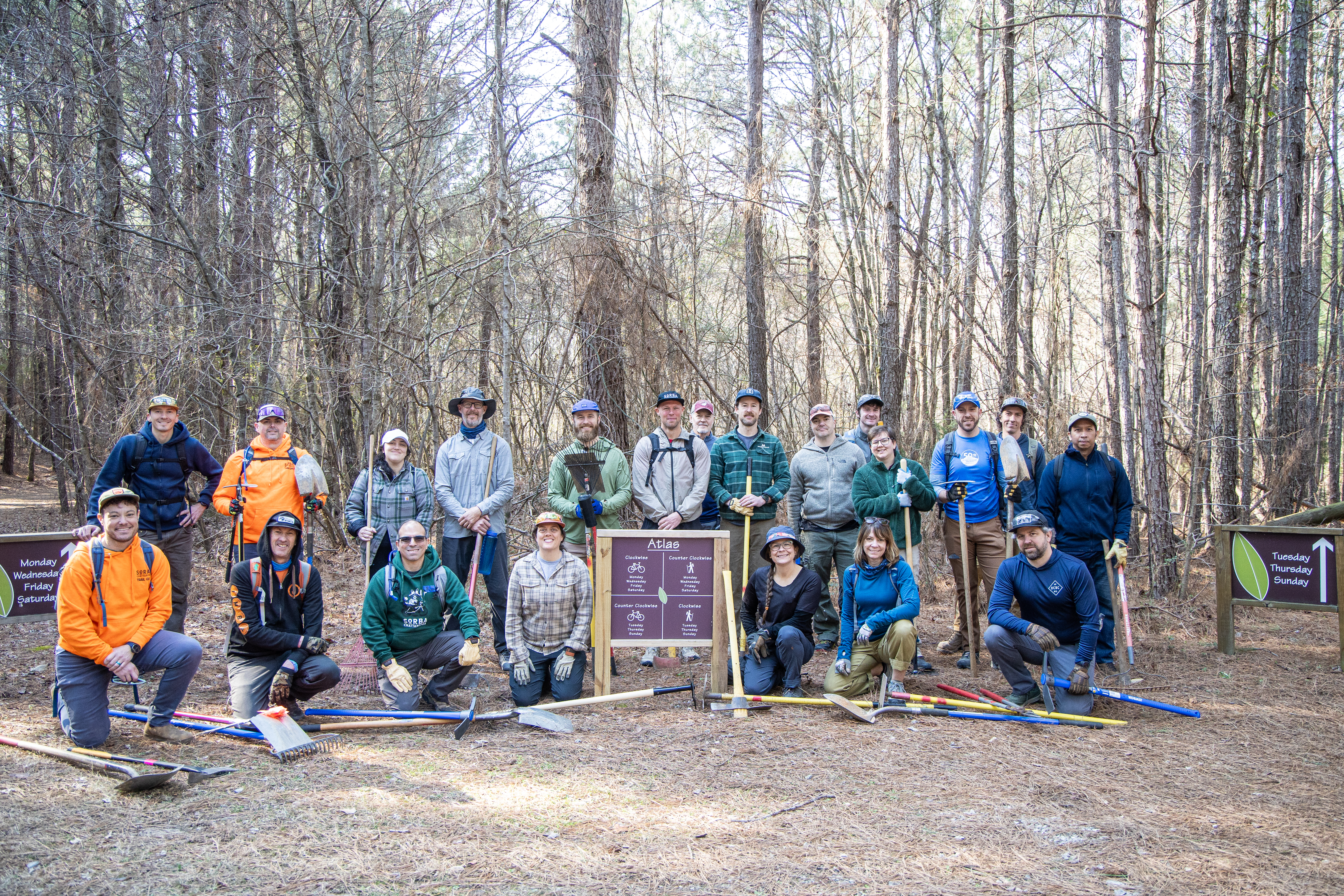
- Workdays and Trail Projects--If a local Sierra Club chapter or
IMBA-affiliated club organizes a trail project and needs additional volunteers
the organizers should invite members of the other group. The mediation project
participants discussed the possibility of creating a joint Sierra Club/IMBA
national service trip.
- Article Exchanges--Newsletter editors of both groups, both local
and national, may find articles in each other's publications that may be
of interest to their readers. A protocol can be established to share these
articles with appropriate credit.
- Cooperation Awards--In an effort to encourage cooperation and feedback about shared efforts, an awards program could be established to recognize exemplary joint projects.
- Issues Mailings--The Sierra Club pioneered the use of direct mail
to educate the public and influence policy. There will be occasions when
the issue at hand will be supported by IMBA members, either locally or nationally.
On these occasions, the Sierra Club can mail information to relevant local
or national IMBA membership lists, increasing the likelihood of a successful
outcome.
- Sierra Club Off-Road Use of Vehicles Policy Revision
Previous Sierra Club policy grouped the off-road use of bicycles with the policy concerning the off-road use of motorized vehicles. Following the Park City meeting, this policy was changed by splitting the existing policy into two parts: off-road use of bicycles and off-road use of motorized vehicles. This policy change demonstrates the Sierra Club's recognition of the clear differences between the off-road use of motorized and non-motorized vehicles.
The guidelines section of the Sierra Club's off-road use of bicycles policy will be modified to include specific guidelines to help land managers and activists formulate trail policies throughout the US.